Sydney in January: Weather, Crowds, Prices and What’s On
January in Sydney week by week: the heat and the southerly busters, the 2027 Test, festival and Australia Day dates, school-holiday crowds and how prices move.
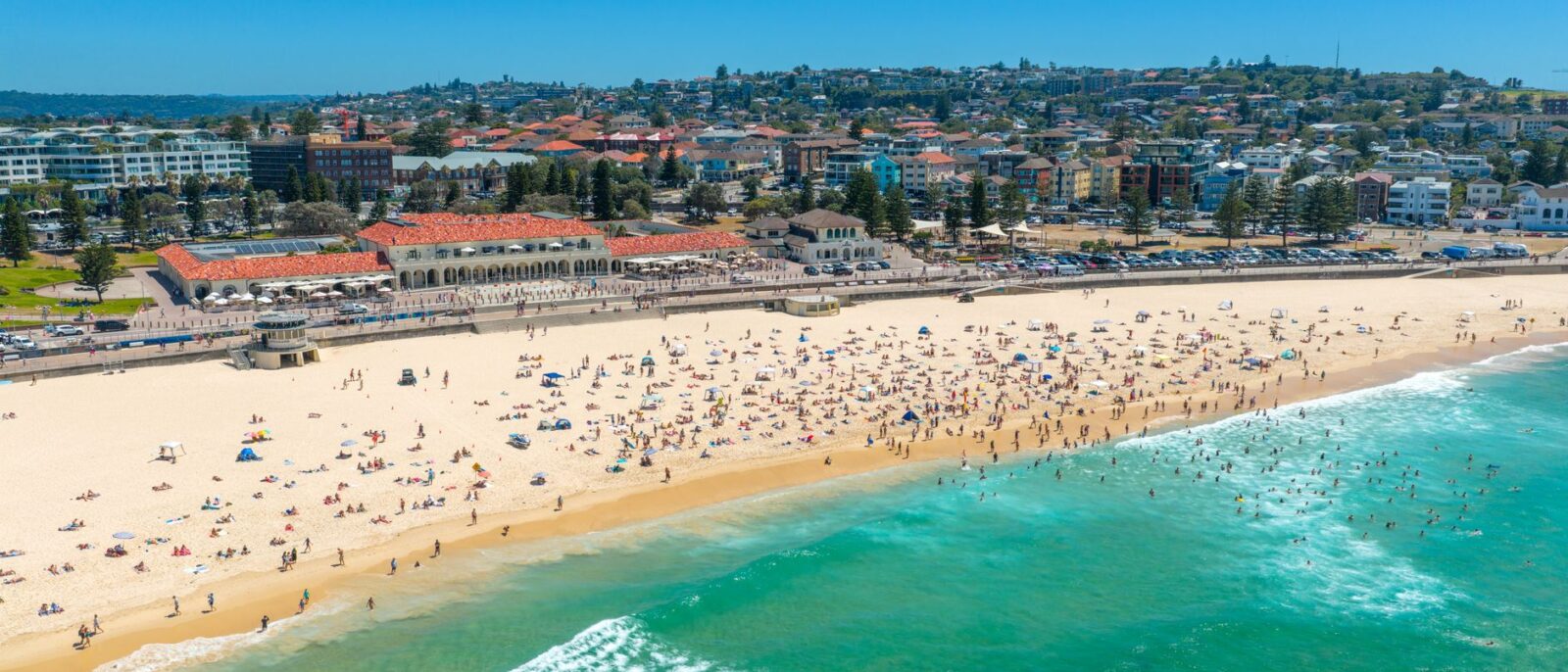
New Year’s Day in Sydney has its own soundtrack: ferries, cicadas and not much traffic. The fireworks crowds have gone home, half the city’s offices won’t reopen for another week or two, and everyone who stayed in town seems to have gone to the beach. Sydney in January is the city at full summer volume: hot, humid, on holiday and busier with festivals, cricket and Australia Day than at any other time of year. It’s also the month when prices, crowds and the weather are all at their most intense, which is why it pays to know how the month actually unfolds, week by week.
This guide is about January specifically: the averages and what they hide, the 2027 event dates, school holidays, what happens to prices, how to handle a 38-degree day, and whether January suits your trip. For the bigger picture of how summer compares with the other seasons, see our Sydney in summer guide. Dates are for January 2027 where they’ve been announced, and everything was checked in October 2026; treat anything we flag as unconfirmed as exactly that.
January at a glance
| Detail | January in Sydney |
|---|---|
| Average high / low | Highs in the high 20s and lows around 19°C in the city; the western suburbs run hotter |
| Sea temperature | About 23°C, and still rising |
| Rainfall | Around 100 mm on average |
| Humidity | High, so 28°C feels hotter than it sounds |
| Daylight | About 14 hours; sunset after 8pm for most of the month |
| UV index | Extreme on clear days |
| Crowds | Very high; NSW school holidays run until late January |
| Prices | Peak around New Year, high through mid-month, easing after Australia Day |
| Public holidays 2027 | New Year’s Day (Friday 1 January) and Australia Day (Tuesday 26 January) |
| Headline events | Sydney Test (4–8 January 2027), Sydney Festival, Big Bash cricket, Australia Day |
January weather: what the averages don’t tell you
The average January high sounds pleasant, and on many January days that’s exactly what you get: warm, sticky and bright, with a sea breeze taking the edge off by mid-afternoon. But the averages smooth over three very different kinds of January day, and it helps to know which one you’re waking up to.
The ordinary day
Typical January days on the coast are warm to hot, with humidity that makes a walk up from Circular Quay feel like hard work. The north-easterly sea breeze usually arrives around lunchtime and keeps the beaches and harbour comfortable. Nights are warm, with an average minimum of about 19°C, so if your accommodation lacks air conditioning, you will notice.
The scorcher
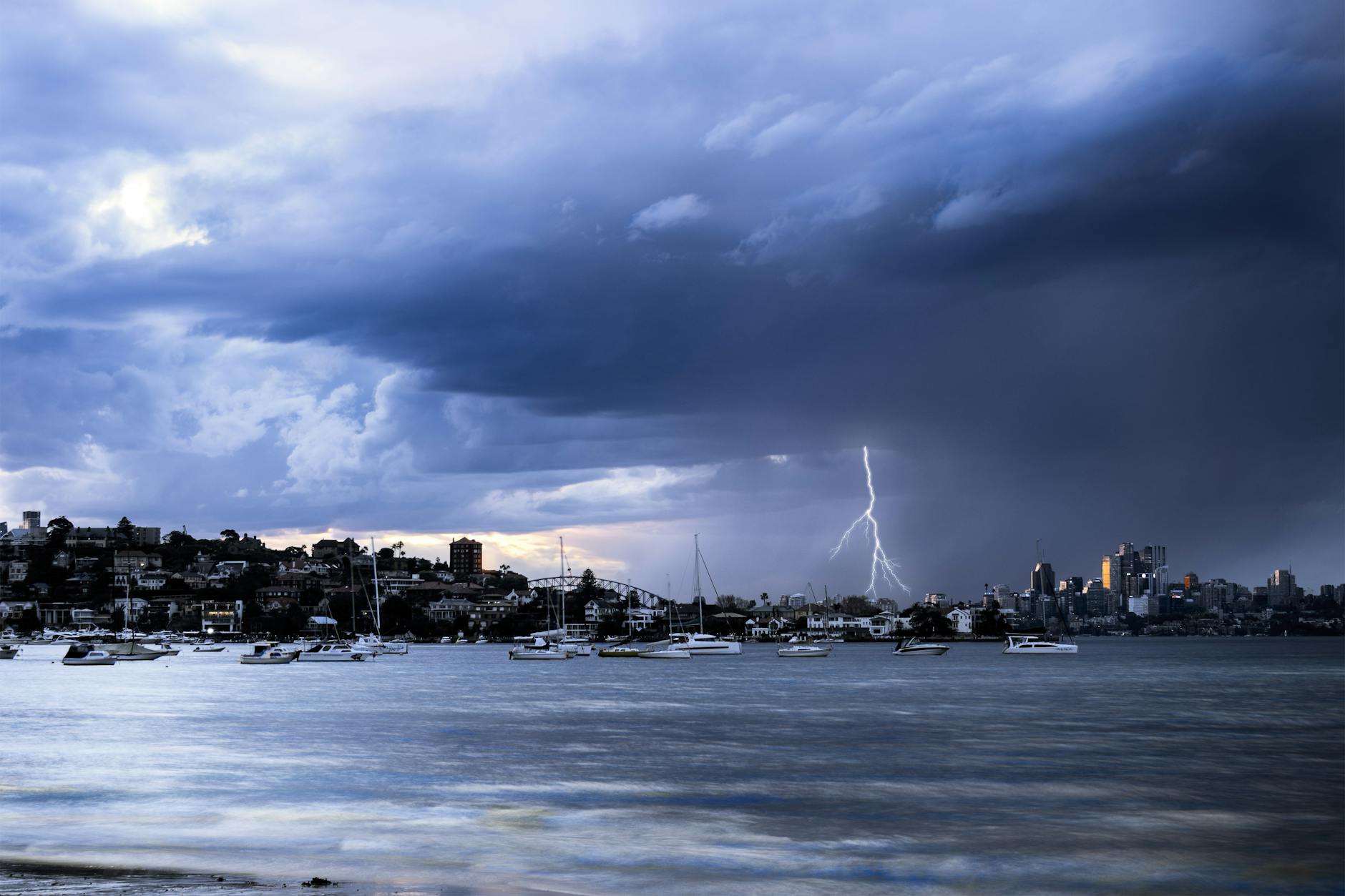
A few times most Januaries, hot north-westerly winds blow in from the interior and push the city into the high 30s or beyond. On those days the sea breeze can’t get a foothold, and the western suburbs bake: Parramatta and Penrith can be 5–10°C hotter than Bondi. January holds the records. Observatory Hill in the city reached 45.8°C on 18 January 2013, and Penrith hit 48.9°C on 4 January 2020. Days like that bring total fire bans, and sometimes bushfire smoke haze if fires are burning anywhere near the city. Check the NSW Rural Fire Service’s Fires Near Me app before heading into the bush on a hot day.
The southerly buster
Hot spells in Sydney usually end abruptly. A line of cloud appears to the south, the wind swings round, and within half an hour the temperature can drop by ten degrees or more, with gusty winds, a burst of rain and sometimes a thunderstorm. Locals call it a southerly buster, and after a run of sticky nights it’s genuinely welcome. If you’re on the beach when it hits, you’ll know. The sand starts moving sideways.
Rain, sea and sun
- Rain: about 100 mm falls in an average January. Storms and downpours can blow through, so pack something light for the rain.
- Sea: the ocean averages around 23°C and keeps warming into February, so many swimmers go without a wetsuit.
- Bluebottles: when north-easterly winds blow for a few days, bluebottles (Pacific man-o’-war) wash up on the ocean beaches. Their sting is painful but rarely dangerous. Lifeguards put up warning signs, and the harbour beaches are usually unaffected.
- Sun: the UV index regularly reaches the extreme range, and fair skin can burn well within half an hour, even on a cloudy, breezy day. Most visitor sunburns happen on the first day.
- Daylight: sunrise is around 5:45 to 6:15am and sunset around 8pm or just after, so evenings are long and the beaches stay busy until dark.
For the full year’s figures side by side, our Sydney weather by month guide has the averages for every month, including the sea temperatures.
What’s on in January 2027
| Date | Event | Where |
|---|---|---|
| Friday 1 January | New Year’s Day public holiday, the morning after the fireworks | Citywide |
| Monday 4 to Friday 8 January | The New Year’s Test, Australia v New Zealand | Sydney Cricket Ground |
| All month | Big Bash League T20 cricket | SCG and Sydney Showground Stadium |
| About three weeks in January | Sydney Festival (see sydneyfestival.org.au for the 2027 dates) | Venues across the city |
| Usually January | Flickerfest short film festival | Bondi Pavilion |
| Tuesday 26 January | Australia Day public holiday | Harbour, Barangaroo, Darling Harbour, city centre |
| Saturday 6 February | Lunar New Year, which falls in February, not January, in 2027 | Citywide |
New Year’s Day
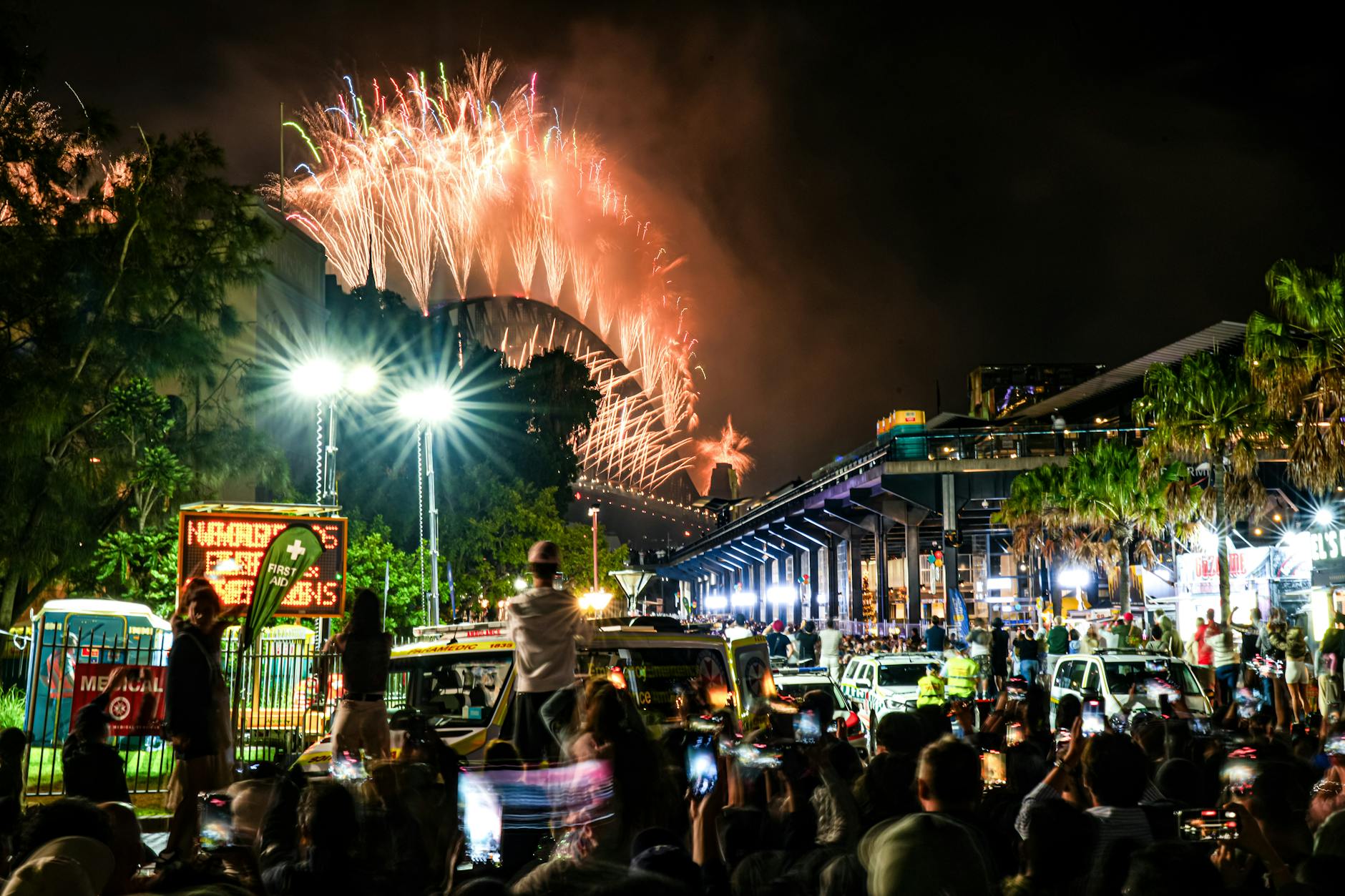
If you’re in town for the fireworks, plan New Year’s Day as a slow one. Public transport runs a public-holiday timetable, much of the city sleeps late, and the beaches fill by mid-morning. It’s a good day for a harbour ferry ride and a long lunch. Book the lunch, though, because plenty of restaurants close for the day. Our New Year’s Eve guide covers the night before, from vantage points to how early to claim them.
The Sydney Test
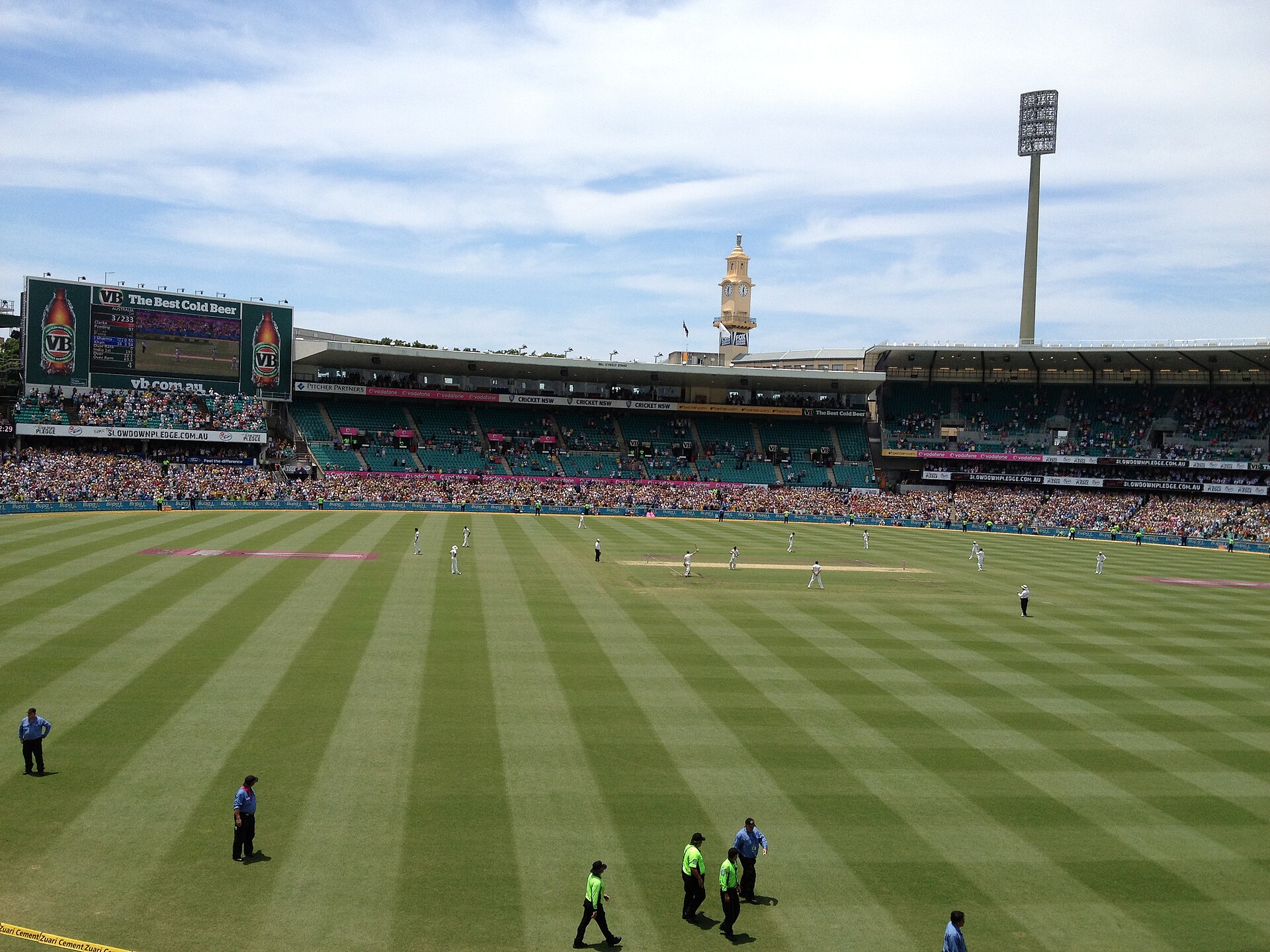
The New Year’s Test at the SCG is one of the fixtures of the Sydney summer. In 2027 it’s scheduled for 4 to 8 January, with Australia playing New Zealand in the final Test of the series. It’s also the Pink Test, raising money for the McGrath Foundation: the crowd turns out in pink, and the third day is Jane McGrath Day. Even if you don’t follow cricket, a day at the SCG in the sun, with a full crowd and the old members’ stands, is a very Australian way to spend a January day. Buy tickets early for the first two days and the pink day.
Big Bash cricket
The Big Bash League, Australia’s short-form T20 competition, runs through the school holidays. The Sydney Sixers play at the SCG and the Sydney Thunder at Sydney Showground Stadium in Olympic Park. Matches are mostly at night, last around three and a half hours, and are loud, cheap and family-friendly. If a Test match sounds like too much of a commitment, this is the easy way to see cricket in Sydney.
Sydney Festival
For about three weeks every January, Sydney Festival fills theatres, parks and unusual venues with theatre, music, dance, circus and art installations. The program mixes ticketed shows with free outdoor events, and the festival sets the mood for the whole month. Check the festival’s own site, sydneyfestival.org.au, for the 2027 dates before you book around it. Our Sydney Festival guide covers the venues, the free events and how tickets work.
Outdoor cinema and Flickerfest
January is outdoor cinema season. The best-known screen is at Mrs Macquarie’s Point, where films play against the backdrop of the Opera House and the Harbour Bridge, and there are park screenings elsewhere in the city. Tickets for the harbour cinema sell out on popular nights, so book early. Flickerfest, the international short-film festival, usually takes over the Bondi Pavilion in January, making for a good evening after a day on the beach.
Australia Day
On Tuesday 26 January 2027, the harbour is at the centre of the celebrations. The day traditionally begins with the WugulOra Morning Ceremony at Barangaroo, followed by a program that usually includes the Ferrython, with the harbour ferries racing each other, a tall ships race, and family events around Barangaroo and Darling Harbour. It’s a public holiday, so the beaches and parks are packed, and with the day falling on a Tuesday in 2027, plenty of Sydneysiders will take the Monday off and make a four-day weekend of it.
For many Aboriginal and Torres Strait Islander people, 26 January marks the start of colonisation rather than a celebration. Alongside the official events there are commemorations, Survival Day gatherings and a large Invasion Day rally and march in the city centre. Our Aboriginal culture guide explains more of the city’s history, and the public holidays guide covers how the holiday affects transport and opening hours.
January week by week
| Week | What’s happening | Tip |
|---|---|---|
| 1–3 January | New Year’s Day holiday on Friday 1 January; opening hours vary | Ferries, beaches and a pre-booked lunch; check restaurants’ holiday hours |
| 4–10 January | Sydney Test at the SCG; offices slowly reopen; school holidays in full swing | Get Test tickets early; visit popular attractions on weekday mornings |
| 11–24 January | Sydney Festival shows, Big Bash season, school holidays | Book festival shows and harbour cinema nights ahead |
| 25–31 January | Australia Day (Tuesday 26th) and the last week of the school holidays | Book Australia Day accommodation early; compare rates for the last days of the month |
Crowds and school holidays
The NSW public school summer holidays run from 18 December 2026 until late January 2027, with students heading back in the first days of February. Most other states’ holidays overlap, so January is when Australian families travel, and Sydney is where many of them come. Add international visitors escaping the northern winter, and you get crowds at the places visitors most want to see:
- Beaches: Bondi, Manly and Coogee are packed on weekends and hot weekdays by 10am. Harbour beaches and the smaller ocean beaches are calmer. Our guide to the best family-friendly beaches has quieter options.
- Ferries: the Manly ferry has queues at Circular Quay on sunny weekends. Go early, or take a less famous route.
- Attractions: Taronga Zoo, the aquarium and the Opera House tours are all at peak. Book timed tickets, arrive at opening, and save the afternoon for the beach.
- The CBD: strangely, the city centre is at its quietest in the first half of January, while offices are closed and workers are away. It’s a good time for the galleries and museums, which are air-conditioned and far less crowded than the beaches.
One January quirk catches visitors out: many independent restaurants and cafés close for a week or three between Christmas and mid-January while their owners take a holiday. Check before you trek across town for a particular place, especially in the first ten days of the month.
Prices in January
January is expensive, but not evenly so. The pattern is predictable:
- New Year: hotel prices peak over New Year’s Eve, the priciest nights of the year, and harbourside hotels often insist on minimum stays.
- The school-holiday plateau: through most of January, rates stay high, particularly at beach suburbs like Bondi and Manly and at family-friendly apartment hotels.
- Australia Day: the 26th falls on a Tuesday in 2027, so a four-day break means taking the Monday off. Book early if you want to stay around the harbour that week.
- The end of the month: the school holidays end in late January, so compare rates for the last days of the month and early February against the middle of the month.
Two ways to soften the cost. First, the CBD’s business hotels can be better value than beachside stays in January, because their corporate guests are on holiday too. Second, the beach, the coastal walks, the harbour views and most of the festival’s outdoor events are free, and a capped Opal card covers the ferries. Our guides to the cheapest time to visit Sydney and the peak season go further into timing and prices.
How to handle a hot January day
January’s biggest planning challenge isn’t the crowds but the heat. Here’s how locals shape a day when the forecast says 35°C:
- Go early. Walk the coast, climb the bridge stairs or visit the zoo between 7 and 11am, before the heat builds.
- Get in the water at midday. Ocean pools, harbour beaches and netted swimming areas are the answer to the hottest hours. Our ocean pools guide has the best of them.
- Retreat indoors mid-afternoon. The Art Gallery of NSW, the Australian Museum and the aquarium are all air-conditioned, and quieter than usual on hot days.
- Take a ferry. The breeze on the harbour is the cheapest air conditioning in the city.
- Come back out at sunset. Evenings are long and warm, and the best hours are after 6pm, when the light softens and the sea breeze or the southerly cools things down.
Swim between the red and yellow flags at patrolled beaches, and remember that January’s surf can be rough after a southerly change. Carry water on coastal walks, as there’s little shade on the clifftops.
Three January days, planned
A day at the Test
Take the light rail to the Moore Park stop, a short walk from the SCG, and be in your seat before the first ball at 10:30am. Wear a hat and reapply sunscreen at every break. The uncovered seats are brutal by mid-afternoon, and shaded seats are worth paying extra for. When stumps are drawn in the late afternoon, walk up to Paddington or across to Surry Hills for dinner while the light is still golden.
A heatwave day
Start early on the Bondi to Coogee coastal walk, doing just the Bondi to Bronte stretch before 9am and swimming in the Bronte ocean pool at the end. By late morning, head into the city for the air-conditioned calm of the Art Gallery of NSW, which is free and quieter than usual on a scorcher. Late afternoon, catch the ferry to Manly for the breeze on the harbour, and eat fish and chips on the beach as the day cools down. If a southerly buster rolls in, you’ll have a front-row seat.
A festival night
Spend the afternoon at a harbour beach, then shower and head into the city for a Sydney Festival show or a film at the harbourside cinema. January evenings are long enough that you can see the sun set over the water on the way. Afterwards, the bars around The Rocks and Circular Quay stay busy late in summer. See our sunset bars guide for where to watch the light go.
January with kids
January is the month Sydney is set up for families. Museums and galleries run school-holiday programs, the Big Bash is pitched squarely at children, and Sydney Festival’s program usually includes free family events. The catch is that every other family in the state has the same idea, so book zoo and aquarium tickets online, arrive at opening, and use the quieter harbour beaches rather than Bondi for younger children. Our Sydney with kids guide and the school holiday activities guide have plenty of ideas, including free ones for the days when the budget needs a rest.
Day trips in January
January is a good month to get out of the city, but pick your direction with the weather. The Blue Mountains are several degrees cooler than Sydney and make a real escape on a hot day, but check for fire danger and track closures before you go. The Southern Highlands are cooler too, with gardens at their summer best. For water, Palm Beach and the Grand Pacific Drive both deliver beaches with more space than the city’s. Avoid long drives on the Friday before Australia Day and the Monday after, when the highways out of Sydney are at their worst.
What to pack for January
Pack for heat and sudden rain rather than cold. Light, breathable clothes, a proper sun hat, SPF50+ sunscreen and sunglasses do most of the work. A light layer is still worth packing for air-conditioned restaurants, the ferry after dark, and the evening a southerly buster arrives. A compact umbrella or rain shell covers the afternoon storms. Our Sydney packing guide has the full list.
Is January a good time to visit Sydney?
Come in January if you want Sydney at its most alive: the beach at full tilt, a Test match, Sydney Festival, long warm evenings and the sense that the whole city is on holiday. It’s the natural month for families tied to the Australian school holidays, for cricket fans, and for anyone arriving for New Year’s Eve and staying on.
Think twice if you dislike heat and humidity, want the beaches to yourself, or are travelling on a tight budget. January is the most expensive and crowded month of the year, and a heatwave can wipe out a day or two of sightseeing. The alternative is to shift your trip by a few weeks. Late February and March keep most of the warmth and the warm sea, with the crowds and prices dropping away once school goes back. Our best time to visit Sydney guide sets out the whole year.
The honest verdict is that January is a wonderful month in Sydney if you plan around the heat and book early, and a frustrating one if you don’t. Get up early, spend the middle of the day in the water, and save the city for the evenings.
Sydney in January FAQ
How hot is Sydney in January?
The average high in the city is in the high 20s, with lows around 19°C. Heatwaves can push some days much higher, and the western suburbs are often hotter than the coast.
Does it rain much in Sydney in January?
About 100 mm on average across the month. Pack a light rain jacket for the odd storm.
Can you swim in Sydney in January?
Yes. The sea averages about 23°C. Swim between the red and yellow flags, and watch for bluebottles after north-easterly winds.
Is January school holidays in Sydney?
Yes. The NSW summer school holidays run from 18 December 2026 to late January 2027, with students returning in early February.
What’s on in Sydney in January 2027?
The New Year’s Test at the SCG (4–8 January), Big Bash cricket, Sydney Festival (see sydneyfestival.org.au for the dates), outdoor cinema, and Australia Day on Tuesday 26 January. Lunar New Year falls in February in 2027.
Is January an expensive time to visit Sydney?
Yes, it’s one of the most expensive months, peaking over New Year and around Australia Day. Compare rates for the last days of January, once the school holidays end.
If you can push your trip back a few weeks, February keeps nearly all of January’s warmth, with a warmer sea and much quieter weekdays. Our Sydney in February guide compares the two months and covers Lunar New Year and Mardi Gras Fair Day.
If you’re arriving before New Year, the second half of December is just as busy and even pricier, with the school holidays, Christmas Day at the beach and the Sydney to Hobart setting off on Boxing Day. Our Sydney in December guide covers the month that leads into this one.
Related Sydney guides
- Best time to visit Sydney — the whole year, month by month.
- Sydney in summer — how January fits into the season.
- Sydney weather by month — temperatures, rain and sea, all year.
- Sydney Festival guide — January’s big arts festival.
- New Year’s Eve in Sydney — the night the month begins.
- Sydney beaches — where to spend the hot afternoons.
- School holiday activities — keeping kids busy all month.
Photo Credits
Bondi Beach on a summer day: photograph by Macourt Media on Pexels.
Test match at the Sydney Cricket Ground: Clarke celebrates 100 at SCG by Wittylama, CC BY-SA 3.0, via Wikimedia Commons.
Storm over the harbour and New Year’s Eve crowd: photographs from the site library, via Pexels.