Best Time to Visit Sydney 2026: Month by Month Weather Guide
When is the best time to visit Sydney? Our 2026 month-by-month guide covers weather, sea temperatures, crowds, prices and major events from Vivid to NYE.
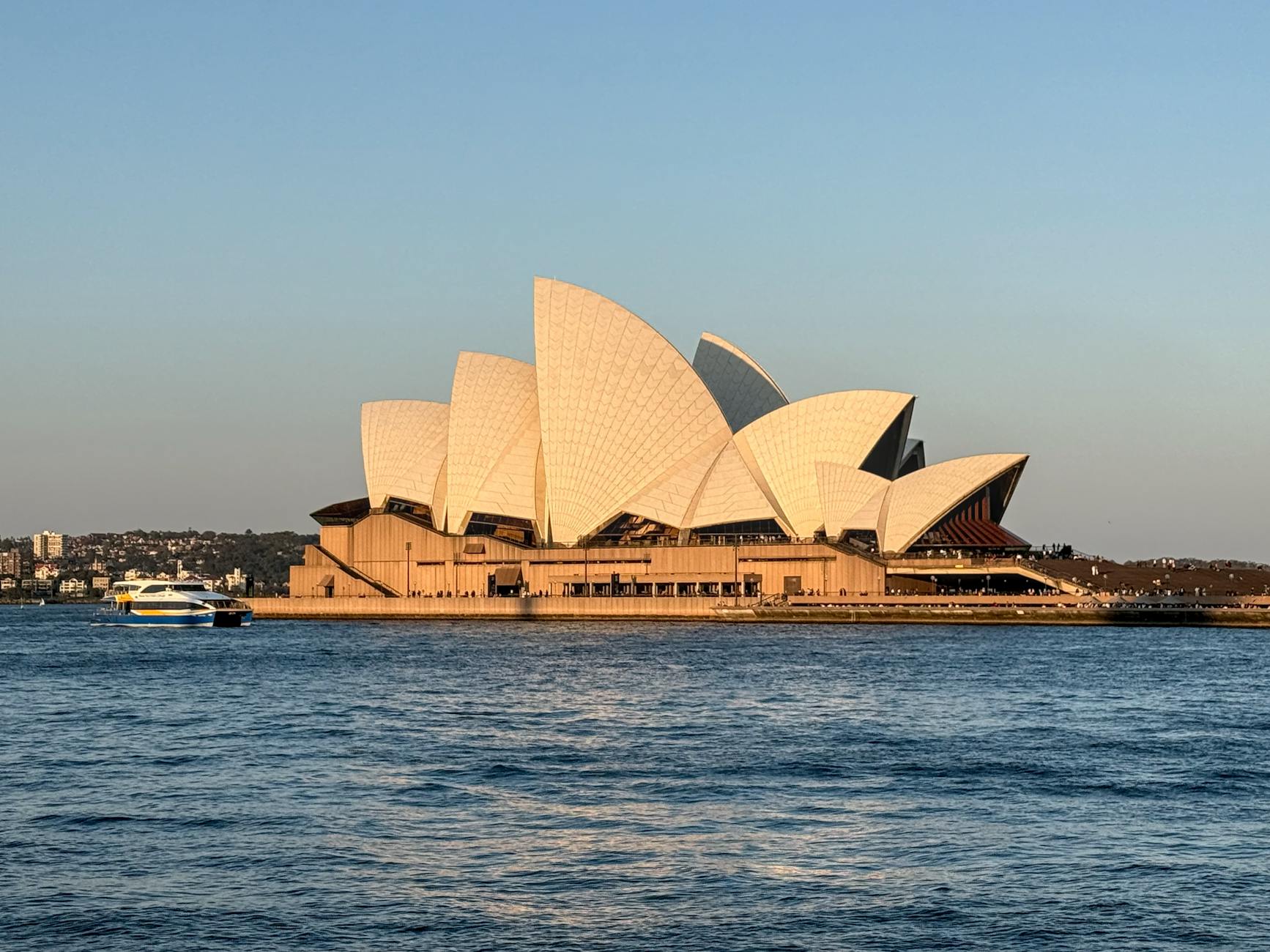
Sydney sits on the south-east coast of Australia at 33° south latitude, giving the harbour city a temperate climate that makes it enjoyable year-round — but with very different experiences depending on the season. The best time to visit Sydney for warm-water beach days is December to March; the best time to visit Sydney for value, mild weather and fewer crowds is March to May or September to November; and for the legendary winter Vivid Sydney festival of lights, music and ideas, you’ll want to be in town from late May through mid-June.
This complete month-by-month guide to the best time to visit Sydney covers seasonal weather, average temperatures and rainfall, peak vs. shoulder pricing, the biggest events of each month, school holidays, public holidays, and how to choose the right window for your specific trip — whether you’re a beach-and-surf traveller, a budget-conscious backpacker, a foodie or a family.
At a glance: best time to visit Sydney
| Goal | Best months | Why |
|---|---|---|
| Warm-water beach holiday | December–March | Sea 21–24°C, longest days |
| Value & fewer crowds | April–May, September–early November | Lower hotel rates, mild weather |
| Vivid Sydney lights festival | Late May–June | 23-night festival of light, music & ideas |
| Whale watching | May–November (peak Jun–Jul) | 30,000 humpbacks pass coastline |
| New Year’s Eve fireworks | December 31 | Sydney’s most-photographed event |
| Mardi Gras & LGBTQ+ festival | Late February–early March | Sydney’s biggest cultural celebration |
| Sculpture by the Sea | Late October–early November | Free coastal art exhibition |
| Cheap accommodation | July–early September | Coolest weather, lowest demand |
Sydney climate basics
Sydney has a humid subtropical climate. Summer is December–February (Sydney is in the southern hemisphere), autumn is March–May, winter is June–August, and spring is September–November. Snow is essentially unheard of (the last recorded fall in central Sydney was 1836, and even Sydney’s highest suburbs see frost at most a couple of days a year). Rainfall is spread fairly evenly through the year, with a slight wet bias in autumn and early winter.
The city sees on average:
- Sunshine hours: 7.2 hours per day annual average; peak 8 hours in November
- Rainfall: 1,222 mm annually, spread across ~125 rain days; summer thunderstorms are heavier; autumn easterly lows can be intense but short
- Temperature range: 7°C minimum (July) to 32°C maximum (January) is the typical spread; heat events above 38°C happen a few times each summer
- Humidity: 60–70% year-round, with summer feeling muggier than the temperature alone suggests
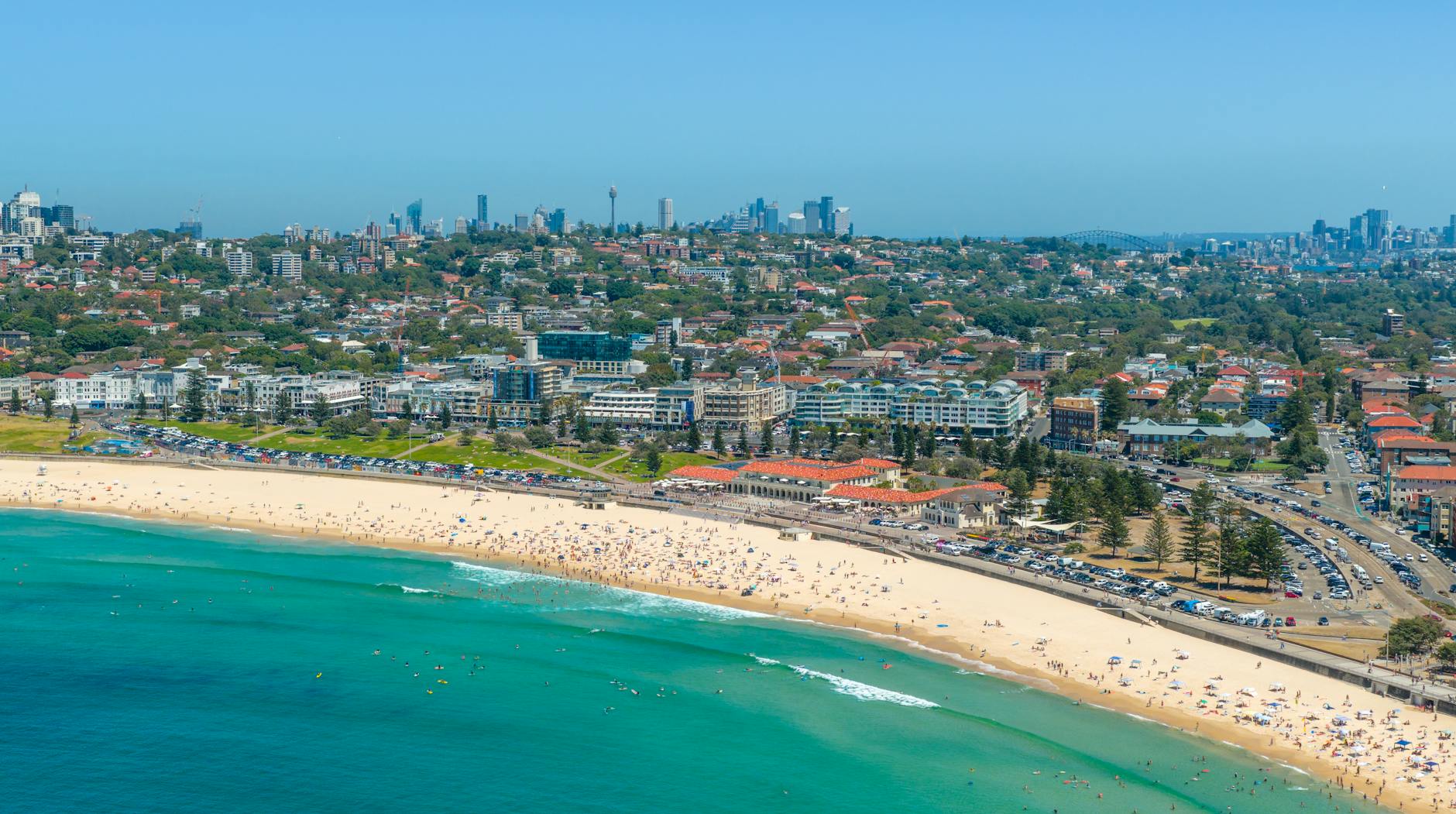
- Sea temperature: 17°C in winter, 22–24°C in mid-summer
Sydney weather month by month
January in Sydney
The hottest, busiest month. Average daily high 26°C, low 19°C. Sea temperature 22°C. Schools are on summer holiday, hotels run at 90%+ occupancy, and beaches are packed from sunrise. Heatwaves above 35°C are common; afternoon thunderstorms can be intense. Big events: the Sydney Festival arts and music programme, Sydney International Tennis, and the AAMI Australia Day fireworks on 26 January (NOTE: Australia Day is contested by First Nations communities — many use the term Invasion Day).
February in Sydney
Still high summer. Average daily high 26°C, low 19°C. Sea is at its warmest (24°C). Crowds thin slightly after the school holidays end, but the city fills again at the end of the month for Mardi Gras — Sydney’s two-week LGBTQ+ festival culminating in one of the world’s biggest pride parades down Oxford Street.
March in Sydney
Beginning of autumn and many locals’ favourite month. Average daily high 25°C, low 18°C; sea still 22°C. Days are slightly shorter but the light is golden, summer crowds have eased, and rates start to drop. The Royal Easter Show at Sydney Olympic Park usually runs over the Easter long weekend.
April in Sydney
Mid-autumn — clear skies, mild days, less humidity. High 22°C, low 15°C. Easter (date varies) brings a four-day public-holiday weekend; book accommodation early. Excellent month for the Bondi to Coogee walk, day trips to the Blue Mountains and harbour cruises. Sea temperature still a swimmable 21°C.
May in Sydney
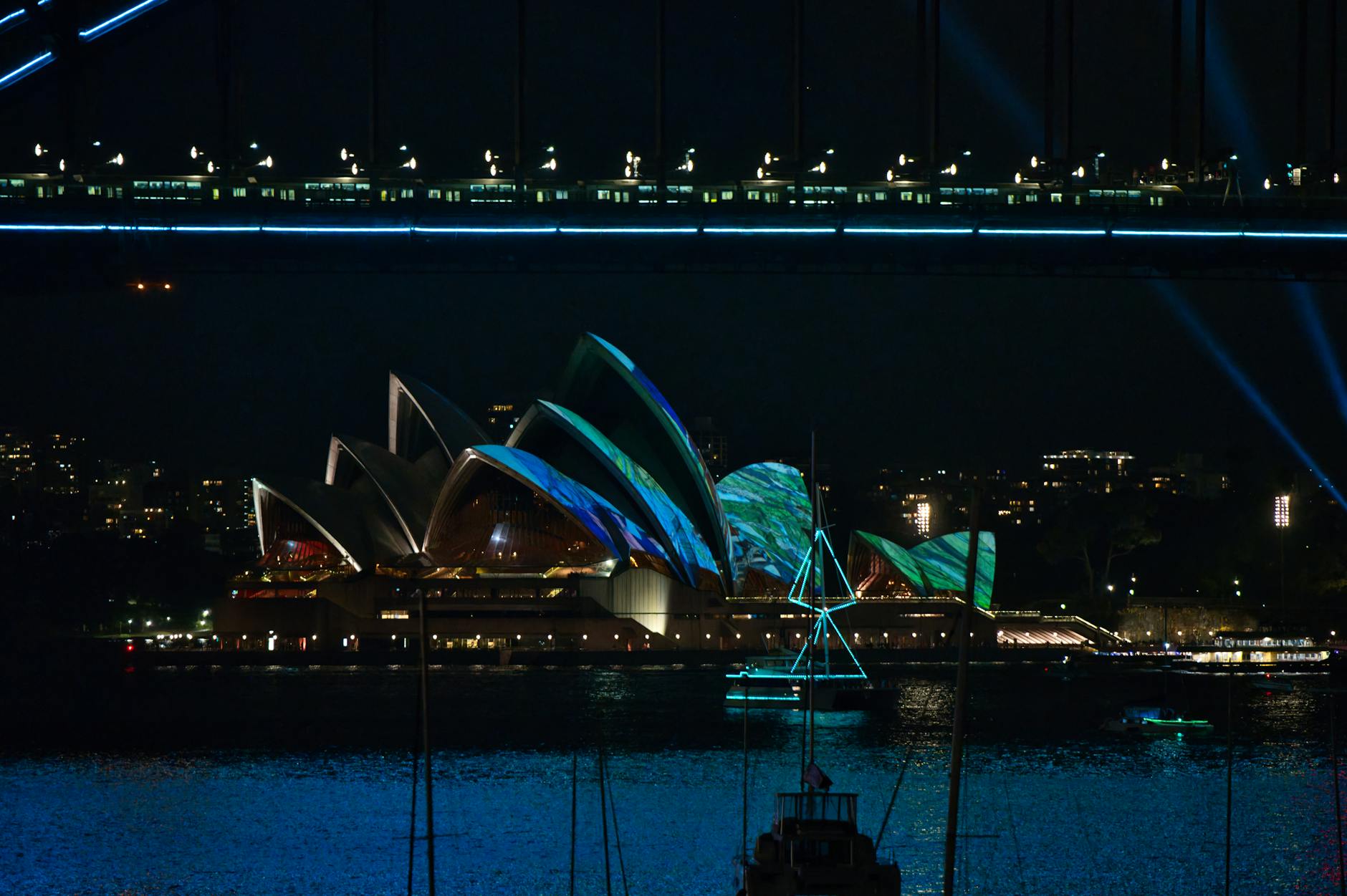
Late autumn into early winter. High 19°C, low 11°C. Vivid Sydney typically launches in the last week of May — three weeks of light installations, projection mapping on the Opera House, music programmes and free public talks across the harbour and CBD. Whale watching season also begins.
June in Sydney
Start of winter and a great visiting month. High 17°C, low 9°C, with mostly clear days. Vivid runs through the first three weeks. Whale-watching cruises depart Circular Quay daily — humpbacks migrate north from Antarctica. Hotel rates dip to year-lows outside school holidays. Very rare frosts in the inland suburbs only.
July in Sydney
The coolest month. High 17°C, low 8°C. Schools are on a 2-week holiday in early-to-mid July, lifting prices for that fortnight. Bring a light jacket and a rain layer. Indoor highlights — museums, Opera House performances, fine dining — are at their best. Locals run dawn ocean swims at Bondi Icebergs in 6mm wetsuits.
August in Sydney
Late winter — often dry and bright. High 18°C, low 9°C. The City2Surf 14 km charity run from the CBD to Bondi (second Sunday in August) draws 80,000 entrants. Whale watching peak season. The Sydney Writers’ Festival often runs around this time.
September in Sydney
Sydney’s driest month. High 20°C, low 11°C. Warmer days return, the jacaranda buds appear, and outdoor sport seasons culminate in the NRL Grand Final at the end of the month. Spring fashion week and the start of major art exhibitions at the Art Gallery of NSW.
October in Sydney
Many travellers’ favourite month — and often considered the very best time to visit Sydney. High 22°C, low 14°C, average eight hours of sunshine. Wildflowers carpet the Sydney Harbour National Park. Sculpture by the Sea on the Bondi to Coogee Coastal Walk runs late October to early November and is a once-in-a-trip experience.
November in Sydney
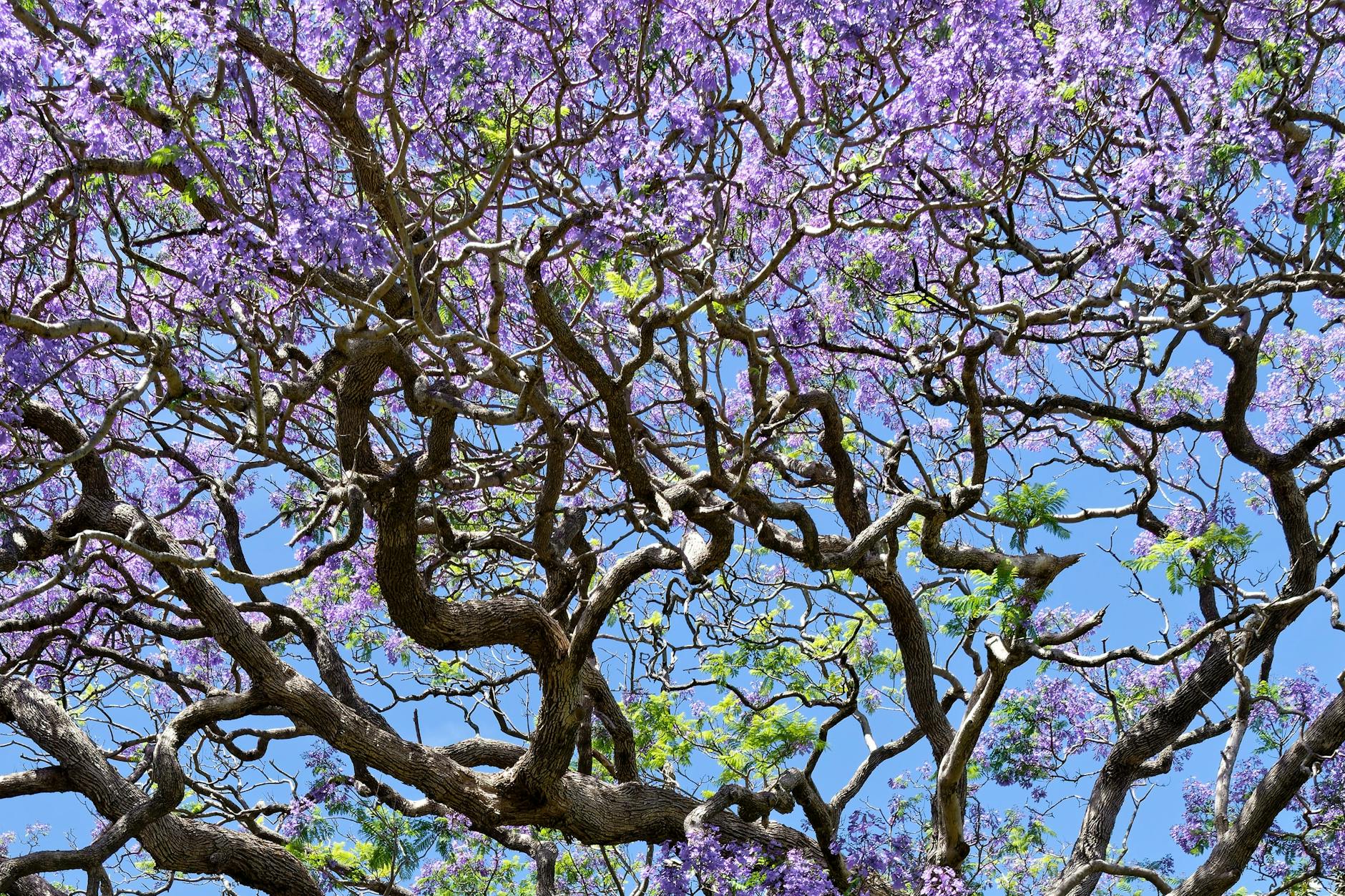
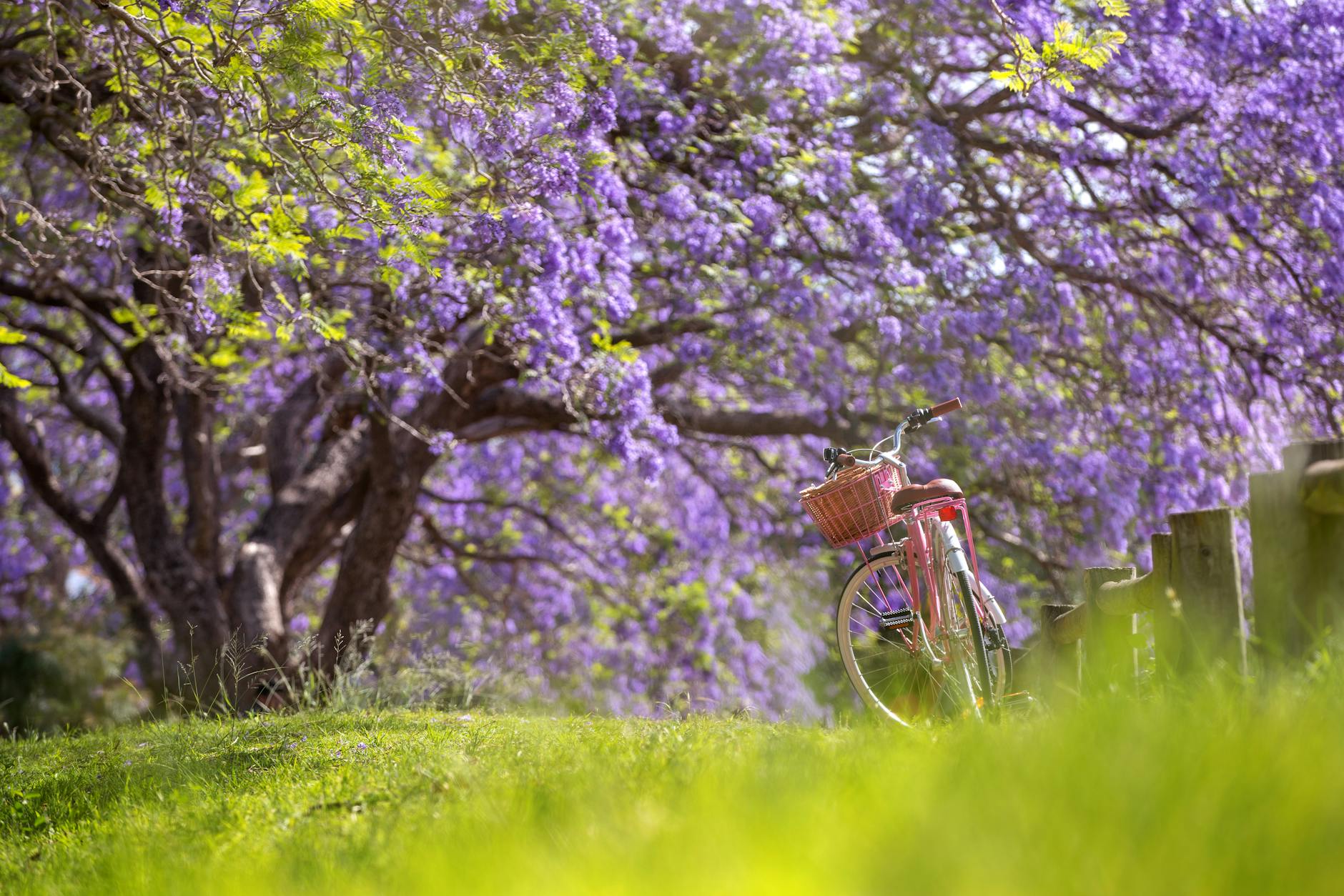
Sunniest month. High 24°C, low 16°C, sea climbing to 21°C. Jacaranda streets bloom in late October–early November (a Sydney photo classic — McDougall Street, Kirribilli is the most-photographed). Cricket starts. Hotel rates pick up as we approach the December holidays.
December in Sydney
Start of summer and start of the year’s busiest period. High 25°C, low 17°C. Sea 22°C. Christmas at Bondi is famously chaotic and fun. Sydney New Year’s Eve fireworks on 31 December attract 1.5 million people to the harbour foreshore — start your spot-claim by 4pm if you want a clear view.
Best time to visit Sydney by trip type
Best time for a beach holiday in Sydney
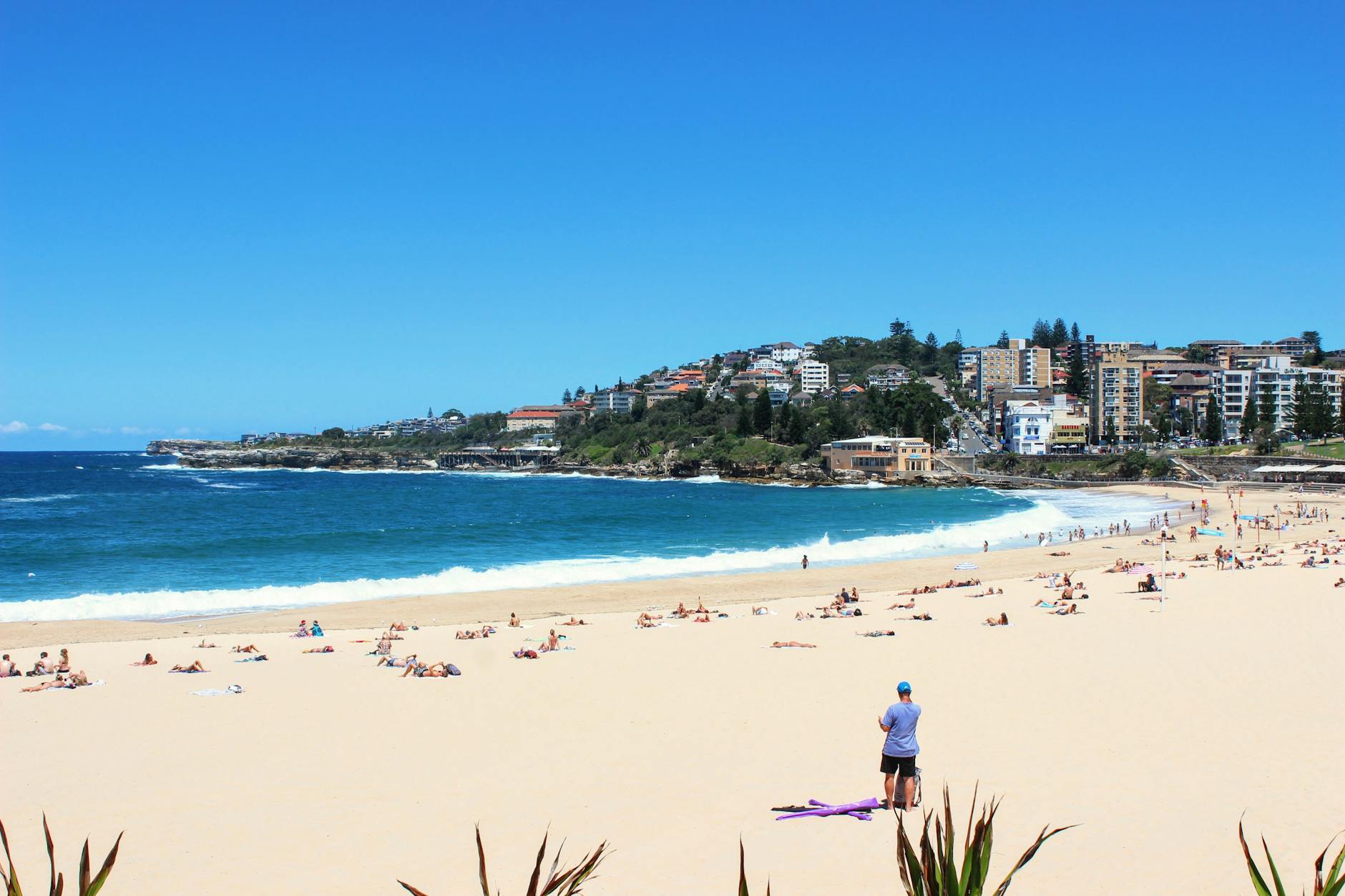
December to March for warmest sea (22–24°C). Late January to mid-February avoids the worst of school-holiday crowds but keeps peak warmth. Lifeguards patrol all major beaches daily over summer. October–November are also swimmable for hardier travellers.
Best time for surfing in Sydney
March to August. Autumn and winter deliver the most consistent groundswells from Tasman Sea lows. Wetsuits required from May to October.
Best time for whale watching
May to November. 30,000 humpback whales migrate up the NSW coast May–July (heading to tropical breeding grounds) and back south August–November (often with calves). Sydney whale-watching cruises run daily from Circular Quay; sighting rate over 95% in season.
Best time for budget travel to Sydney
Mid-June to early September (excluding school holidays). Hotel rates can be 30–50% below summer peaks. Off-peak airline pricing also lowest in this window.
Best time for foodies
Year-round Sydney delivers, but the Sydney Cellar Door wine festival (March), Sydney Food & Wine Festival (October), and Sydney Truffle Festival (June–August) reward dedicated food travellers. Most hatted restaurants close for two weeks in early January.
Best time for families with kids
April–May and September–early December are ideal — outside Australian school holidays (when locals fill the beaches and major attractions), but still warm enough for outdoor activities. The Royal Easter Show, Sculpture by the Sea, and late-spring beach weather are family highlights.
Best time for harbour cruises and ferries
Year-round, but October to April deliver the longest sunlight hours and warmest temperatures. Vivid Sydney harbour cruises (May–June) are a unique add-on.
Sydney’s biggest events through the year
- Sydney Festival — January, three weeks of arts, music, theatre and free public events
- Australia Day fireworks — 26 January harbour fireworks (note: 26 January is contested as Invasion Day)
- Sydney Mardi Gras — Two weeks late February to early March, culminating in the parade
- Sydney Royal Easter Show — Around Easter, Australia’s largest annual ticketed event
- Sydney Comedy Festival — April–May
- Sydney Writers’ Festival — May
- Vivid Sydney — Late May to mid-June, festival of light, music and ideas
- Sydney Film Festival — June
- Sydney Truffle Festival — June–August
- City2Surf — Second Sunday in August, world’s largest 14 km run
- NRL Grand Final — Late September or early October
- Sculpture by the Sea — Late October to early November, free coastal art
- Sydney to Hobart Yacht Race — 26 December departs Sydney Harbour
- New Year’s Eve fireworks — 31 December
Australian school and public holidays
Sydney’s school holidays are the four periods when prices spike and family attractions get crowded. NSW state schools follow:
- Summer holidays: ~20 December to 27 January (6 weeks)
- Term 1 holidays: ~early–mid April (2 weeks, includes Easter)
- Term 2 holidays: ~early–mid July (2 weeks)
- Term 3 holidays: ~late September to mid October (2 weeks)
NSW public holidays that can lift hotel and flight prices: Australia Day (26 Jan), Good Friday and Easter Monday, Anzac Day (25 April), King’s Birthday (early June), Labour Day (early October), Christmas Day, Boxing Day. Most attractions stay open on public holidays — but check Christmas Day operations as many restaurants and museums close.
Sydney rainfall and what to do on a wet day
If you’re caught in Sydney rain, you have great options. Top wet-weather picks: the Australian Museum, the Art Gallery of NSW (and the new Sydney Modern wing), the Powerhouse Museum, the Museum of Contemporary Art Australia, the Queen Victoria Building shopping arcade, the Sydney Tower Eye and a yum cha lunch in Chinatown. The Sydney Theatre Company, Belvoir Theatre and Opera House also host year-round performances.
What to pack for Sydney
Year-round Sydney essentials: high-SPF sunscreen, sunglasses, a hat, a light rain jacket and comfortable walking shoes. Beyond that:
- Summer (Dec–Feb): Light cottons, swimwear, rashie, beach towel, sandals
- Autumn (Mar–May): Light layers, light jumper for evenings, swimwear (March only)
- Winter (Jun–Aug): Lightweight insulating layers, warm jumper for evenings, light jacket; rarely needs gloves or scarves
- Spring (Sep–Nov): Light layers, light jumper for evenings, swimwear (October–November)
Worst time to visit Sydney
There isn’t really one — Sydney is enjoyable year-round. If you must avoid a season, the wettest fortnights tend to fall in April (autumn east-coast lows) and June (early-winter rain bands). The hottest, most humid afternoons hit late January and February. Public-holiday weekends during summer are the most crowded; Christmas Day specifically is a reduced-services day for shops, restaurants and many museums.
Guides in this pillar
10 guidesFrequently asked questions
What is the best month to visit Sydney?
October is the most-cited best month to visit Sydney. The weather is warm but not hot (high 22°C), days are long, sea temperatures are climbing back toward swimmable, jacarandas start blooming, hotel rates are between low and high season, and Sculpture by the Sea draws huge attention to the Bondi to Coogee walk. November is the sunniest month and a strong runner-up.
When is the cheapest time to visit Sydney?
July and August are usually the cheapest months — winter lows but mostly dry, and demand softens outside the early-July school holidays. Hotel rates drop 30–50% from summer peaks, and flights to Sydney are cheaper too.
Is December a good time to visit Sydney?
Yes, for warm beaches, long days and the New Year’s Eve fireworks — but expect peak prices and crowds, especially over the last 10 days of the month. Book accommodation 4–6 months ahead for the period 26 December to 5 January.
Does it snow in Sydney?
No. Sydney’s last recorded snowfall in the city was in 1836. Sleet and frost are rare even in inland suburbs and never in the central city. The closest snow to Sydney is on the upper Blue Mountains (Mount Wilson, Mount Tomah) in cold winter weeks, but even there it’s a rarity.
What’s the best time to visit Sydney for surfing?
March to August. Autumn and winter generate the most consistent groundswells. Bondi, Manly, Maroubra, North Narrabeen, Avalon and Cronulla all run year-round but light up in this window. Wetsuits required from May to October.
When can you swim at Sydney beaches?
Sea temperatures are warm enough for unsuited swimming from October through April (peaking at 22–24°C in February–March). Year-round ocean swimming is popular among locals — the Bondi Icebergs even hosts a famous Christmas Day winter plunge.
What is Vivid Sydney and when is it?
Vivid Sydney is a 23-night winter festival of light installations, projection mapping, music and ideas held across central Sydney from late May to mid-June. It is Australia’s largest festival and one of the biggest reasons to visit Sydney in winter.
Is Sydney crowded all year?
No — there are clear peaks and lulls. Peaks: late December to late January, Mardi Gras (late February), Easter long weekend, Vivid Sydney (late May–June), and major sporting events at Accor Stadium. Lulls: late April, June (excluding Vivid), early-mid July outside school holidays, August, and early September.
Plan your Sydney trip
Once you’ve chosen the right time, dive into our other planning guides: the top things to do in Sydney, where to stay in Sydney, the best Sydney beaches, the best restaurants in Sydney, the Sydney transport guide, the best day trips from Sydney, and our complete Sydney travel planning guide.
Helpful resources for planning your Sydney trip
For the very latest information on opening hours, ticketing and transport, the following official resources are kept up to date:
- Bureau of Meteorology Sydney
- Vivid Sydney official
- Tourism Australia
- Destination NSW
- Sydney.com weather
- NSW Public Holidays
Head ninety kilometres west and the seasonal advice inverts in useful ways. Katoomba runs eight to ten degrees below the CBD, autumn brings actual autumn colour because the mountain towns are full of planted European trees, and winter fills the valleys with cloud at dawn. There is a season-by-season breakdown in our complete Blue Mountains visitor guide.
Related Sydney guides
Dig into the seasons and the practical timing questions:
- Sydney weather month by month
- summer in Sydney
- Sydney in autumn
- winter in Sydney
- Sydney in spring
- peak vs off-peak
- when prices drop
- seasonal packing lists
- public holidays and school terms
- what to do when it rains
- what’s on in Sydney
- our full trip-planning guide
- Sydney’s best beaches
- our full list of Sydney attractions
1 comment