Sydney Peak Season 2026: When to Visit, Off-Peak Savings & Comparison
Sydney peak season 2026 guide: peak vs shoulder vs off-peak windows, hotel price comparison and the best weeks of the year to visit.
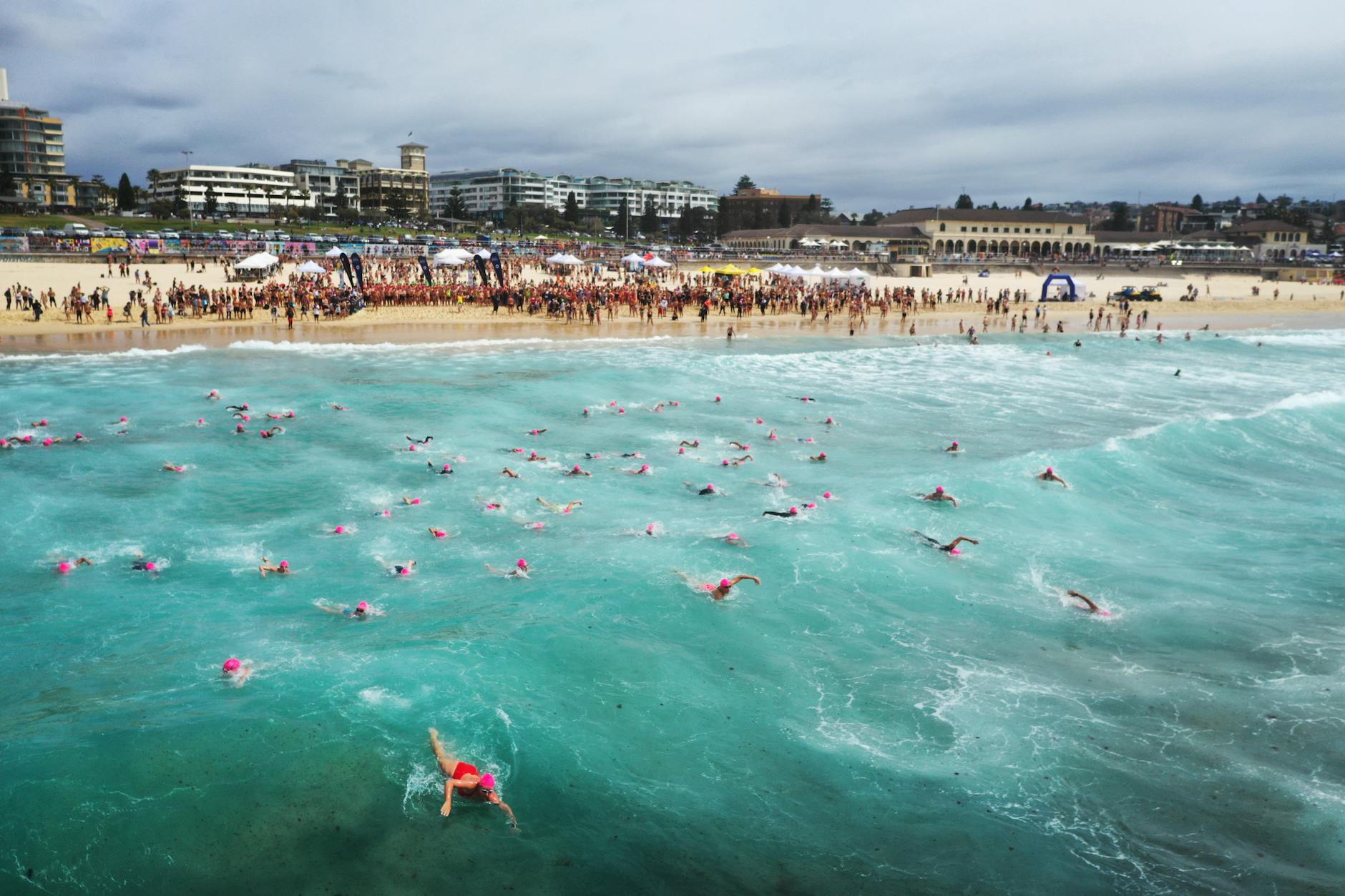
Sydney peak season overview
Sydney peak season runs primarily 22 December through 26 January, with secondary sydney peak season spikes at Easter, Vivid Sydney, and early October. Sydney peak season hotel rates climb 30-150% above off-peak, with NYE the absolute most expensive night of the year. Outside sydney peak season, shoulder weeks (late February, mid-April, late September, mid-October) deliver near-peak weather at 25-40% less cost. Knowing the sydney peak season calendar is the single most useful trip-planning intelligence for Australia’s biggest city.
Understanding Sydney peak season versus shoulder and off-peak periods is one of the most useful pieces of intelligence for trip planning. The difference between visiting Sydney peak season (late December to mid-January) and a well-chosen shoulder week (mid-May or August) can mean spending 50% less on hotels, walking onto the Bondi to Coogee coastal walk without a crowd, and securing a Saturday-night booking at a hatted restaurant without booking three months out. This 2026 guide breaks down exactly when Sydney peak season runs, what the shoulder and off-peak periods look like, the pros and cons of each, and the tactical advice for choosing the right travel window for your priorities.
Defining Sydney peak season
Sydney peak season is driven by three overlapping demand forces: Australian school holidays, international tourist seasonality, and event-driven spikes. The full Sydney peak season tourism calendar:
Primary peak (22 December–26 January): the absolute Sydney peak season. School summer holidays, Christmas, New Year’s Eve, Boxing Day Test cricket, Sydney Festival, Australia Day. Hotel rates 80–150% above off-peak. Beach attractions packed.
Secondary peak (Easter and April school holidays): roughly 14 days bracketing Easter. Rates near summer levels; Royal Easter Show drives demand.
Vivid Sydney peak (around 22 May–14 June): festival demand pushes Sydney peak season rates briefly into the colder months. Hotel rates within 10% of January.
Tertiary peak (early–mid October): spring carnival horseracing (The Everest), Sculpture by the Sea launch, jacaranda season build-up.
What “shoulder season” means in Sydney
Sydney’s shoulder seasons sit between the peaks:
- Late February–mid March: summer weather but post-school-holiday calm. Hotel rates 25–35% below January.
- Mid–late March: warm autumn weather, low demand.
- Early–mid April: mild autumn, low rainfall, hotel rates falling rapidly post-Easter.
- Early–mid May: last warm weeks before winter; rates dropping toward Vivid.
- Late September–early October: mild spring, pre-summer; low demand.
- Late October–mid November: warming weather, climbing toward summer rates but still 15–20% below peak.
What “off-peak” means in Sydney
True off-peak periods are the cheapest weeks of the year:
- Mid–late June (after Vivid): the residual mild weather with rates dropping immediately post-festival.
- July (excluding NSW school holidays around 6–18 July): winter weather, cheapest hotel rates of the year outside of pre-Vivid weeks.
- August: arguably the lowest-cost month overall. Whale watching, mild dry weather, City2Surf event.
Sydney peak season pros and cons
Pros of Sydney peak season
- Warmest weather and sea temperatures.
- Festival lineup at maximum density — Sydney Festival, NYE, Australia Day.
- Longest daylight (sunrise 5:45am, sunset 8pm).
- Most outdoor cinemas and rooftop bars operating.
- All beach amenities open at full capacity.
- Holiday atmosphere across the entire city.
Cons of Sydney peak season
- Hotel rates 80–150% above off-peak.
- Beach and attraction crowds intense.
- Restaurant bookings require weeks of lead time.
- Heat waves push 35°C+ several days.
- Airport and CBD congestion at maximum.
- Tourist-favourite restaurants book out months ahead.
Sydney off-peak pros and cons
Pros of Sydney off-peak
- Hotel rates 35–50% below peak.
- Restaurant bookings easy.
- Major attractions uncrowded.
- Local culture more accessible (locals less harried).
- Whale watching at its best.
- Mild walking weather year-round in Sydney.
- Photography opportunities better (golden hour light, fewer crowds in shots).
Cons of Sydney off-peak
- Ocean swimming uncomfortable (16°C in July–August).
- Shorter daylight (sunset 5pm in June).
- Some beach amenities reduced.
- Outdoor cinemas closed.
- Restaurant patios less appealing.
Sydney peak season pricing data
The actual price difference between Sydney peak season and off-peak is dramatic. Indicative 2026 hotel rates at a 4-star CBD property:
- New Year’s Eve: AU$700–900+ per night (often with 3-night minimums)
- Early January: AU$450–600 per night
- February: AU$320–450
- March: AU$280–400
- April (post-Easter): AU$240–360
- Early May: AU$220–340
- Vivid Sydney: AU$350–550
- Late June: AU$200–300
- July: AU$200–320 (excluding school holidays)
- August: AU$200–320
- September: AU$220–340
- October: AU$280–420
- November: AU$320–500
- December (pre-Christmas): AU$350–550
The peak-to-trough ratio is approximately 3:1 on the same room.
Sydney peak season day-of-week effects
Even within peak season, day of week matters. Sunday and Monday nights are typically 20–30% cheaper than Friday and Saturday nights for the same hotel. A 4-night Sunday–Thursday booking in February will cost similar to a 3-night Thursday–Sunday booking.
The exception is event-driven nights: NYE (31 December–1 January), Mardi Gras Saturday, City2Surf Saturday, and the Saturday of the State of Origin rugby league match. These are surcharged regardless of nominal “shoulder” timing.
Sydney peak season transport considerations
Sydney peak season also affects transport. Some critical patterns:
Airport queues: 2-hour international arrivals queues common in December–January peak. Pre-book Express Pass via Sydney Airport.
Airport transfer surge pricing: Uber Lyft and similar surge to 2–3x normal during peak hours and on NYE morning/night.
Manly ferry queues: 30–45 minute waits common in January weekends; arrive 60 minutes early or take the B-Line bus alternative.
Sydney NYE transport: public transport operates extended hours with extra services; expect heavy crowds especially returning from harbour vantage points after midnight.
City Circle trains: standing-room only at peak commute hours weekdays in summer school weeks; off-peak generally seated.
How to plan for Sydney peak season visits
If your trip falls in peak season:
- Book accommodation 3+ months ahead. Bondi and Manly waterfront hotels sell out by October for the January period.
- Book restaurants 2+ months ahead for Quay, Bennelong, Aria, Hubert, Saint Peter and other hatted venues.
- Pre-purchase major attraction tickets for Opera House tours, BridgeClimb, Taronga Zoo to skip ticket queues.
- Plan beach mornings. Bondi and Manly are at 30%+ capacity by 9:30am; arrive by 8am or wait until 4pm.
- Book NYE vantage points by October if you want a paid harbour cruise or restaurant booking.
- Use the B-Line bus instead of the Manly ferry if the ferry queue exceeds 30 minutes — it is faster door-to-door.
How to plan for Sydney off-peak visits
If you are visiting off-peak (June–August):
- Book hotels 4–6 weeks ahead — easy availability; rates can drop further closer to the date.
- Book Vivid Sydney dates earlier (3+ months) if your trip overlaps.
- Pack for layers — Sydney winter is mild but variable.
- Plan indoor backups — museums, galleries, hatted restaurants for the rainier days.
- Book whale-watching cruises 1–2 weeks ahead in peak whale season (June–August).
- Take advantage of weekday Opal travel — off-peak rates 30% lower on most train and bus journeys 9:30am–4pm and 6:30pm onwards.
Sydney peak season events to know
If you cannot avoid Sydney peak season, embrace the events that make it iconic:
- Sydney NYE Fireworks — 9pm family show and midnight midnight show. World’s first major NYE.
- Sydney Festival — all of January; many free outdoor events.
- Boxing Day Test — Sydney Cricket Ground hosts five-day Test match starting 26 December (technically peak season warm-up).
- Sydney to Hobart Yacht Race start — 26 December; spectator fleets fill the harbour.
- Australia Day — 26 January, ferrython on the harbour, Aboriginal cultural events, public holiday.
Sydney peak season vs off-peak: side-by-side comparison
A direct comparison for the same hypothetical 5-night trip (2 adults, 4-star CBD hotel):
Sydney peak season (early January): Hotel AU$500 × 5 = AU$2,500. Restaurant dinners 5 × AU$200 = AU$1,000 (booked 8 weeks ahead). Beach days busy. Easy to find festival events. Weather hot. Total accommodation+food: AU$3,500.
Sydney off-peak (mid-August): Hotel AU$260 × 5 = AU$1,300. Restaurants 5 × AU$170 = AU$850 (booked 2 weeks ahead, easier deals). Whale watching available. Beach swimming requires wetsuit. Total: AU$2,150.
Savings: AU$1,350 for the same itinerary core, plus easier bookings throughout.
The best week of the year in Sydney
If you have to pick one week from the entire calendar with the best combination of weather, events, value and accessibility, the strongest candidates are:
Mid-April (8–22 April): 22°C weather, swimmable sea (21°C), low humidity, post-Easter rates, autumn foliage at Mount Wilson, no peak crowds.
Mid-October (10–18 October): 22°C weather, sea reaching 18°C, Sculpture by the Sea, jacarandas starting, pre-summer rates.
Mid-November (12–19 November): 24°C weather, swimmable sea (20°C), peak jacaranda, Sculpture by the Sea just finished, lower than December rates.
Frequently asked questions about Sydney peak season
When is Sydney peak season?
Sydney peak season runs primarily 22 December through 26 January, plus secondary peaks during Easter (April), Vivid Sydney (late May / early June), and the Sculpture by the Sea / spring carnival window (early–mid October).
When is Sydney off-peak?
True off-peak is mid-June through August, with absolute lowest demand in late June (post-Vivid), mid-July (avoid NSW school holidays 6–18 July), and most of August.
How much can you save by visiting Sydney off-peak?
Approximately 35–50% on hotels, with smaller but real savings on flights, attractions and dining. A 5-night couple’s trip can save AU$1,000–2,000.
Is the weather still good off-peak in Sydney?
Sydney winters average 17°C days, 8–9°C nights — mild compared to most northern hemisphere winters. Walking, sightseeing, museum visits and most outdoor activities remain comfortable.
What is the most expensive day to visit Sydney?
New Year’s Eve. Hotel rates spike 2–3x normal, often with 3-night minimum stays; restaurant bookings 6+ months ahead; harbour vantage points fill by sunrise.
Should I visit Sydney peak season or off-peak?
For beaches and outdoor events, summer peak. For value and uncrowded experiences, August off-peak. For balanced weather and value, the shoulder months of mid-April and mid-October are the strongest compromises.
Final word on Sydney peak season
Choosing between Sydney peak season and off-peak is fundamentally about what you most value. Peak gets you the warmest weather and most events but costs the most; off-peak delivers value and uncrowded experiences but with cooler weather. Most travellers benefit from the middle path — mid-April or mid-October — which delivers shoulder-season prices alongside near-peak weather. Whatever you choose, knowing Sydney peak season timing in advance turns travel planning into an efficient decision.
Helpful resources for planning your Sydney trip
For the very latest information on opening hours, ticketing and transport, the following official resources are kept up to date:
- Tourism Research Australia
- Destination NSW visitor data
- Sydney Airport arrivals
- Bureau of Meteorology Sydney
- Vivid Sydney official
- Sydney Festival
Sydney peak season closing tips
Knowing the sydney peak season calendar prevents booking mistakes. The biggest sydney peak season spike is NYE through Australia Day, with secondary sydney peak season pricing during Easter, Vivid Sydney, and early October. Outside these windows, shoulder-season weeks deliver near-peak weather at 25-40% less cost.
Related Sydney guides
Keep planning with our seasonal and trip-planning guides: