Sydney Travel Guide 2026: Complete Planning Resource for Your Trip
Our complete 2026 Sydney travel guide for first-time visitors: visas, flights, itineraries, where to stay, transport, money, packing tips and a pre-departure checklist.
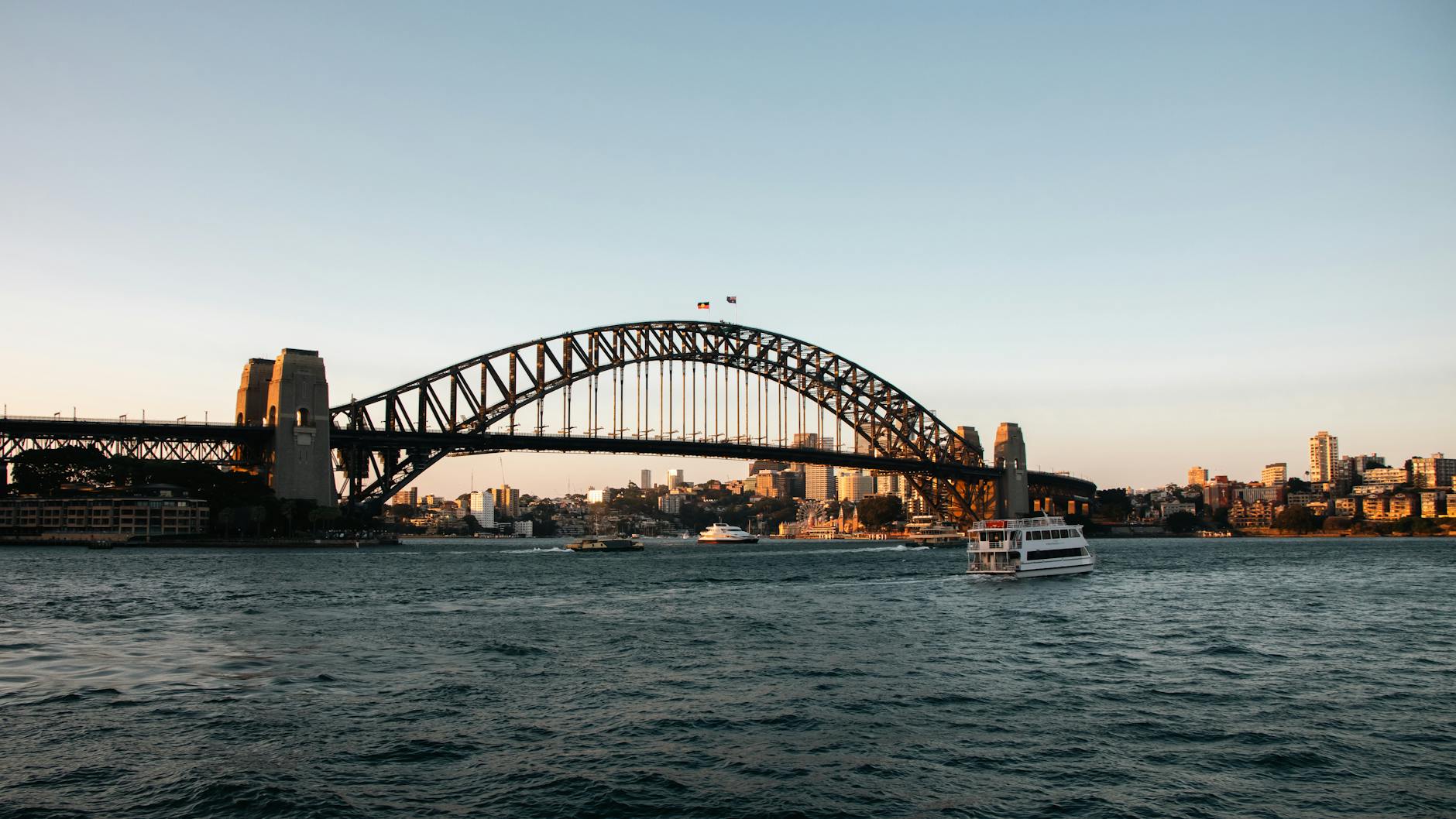
Sydney is one of the world’s most rewarding city break destinations — but it sits 10,000 to 17,000 kilometres from most northern hemisphere homes, and Australia’s visa, weather and biosecurity rules add a layer of preparation that few other destinations require. This Sydney travel guide brings every planning element into one place: visas, flights and arrival, the best time to visit, how long to stay, sample 3- 5- and 7-day itineraries, where to stay, getting around, money and budgeting, packing tips, safety, customs and biosecurity, and a final pre-departure checklist.
By the end of this guide, you’ll have everything needed to book confidently and arrive ready to enjoy your first morning at the Opera House.
At a glance: Sydney trip planning checklist
| Step | Lead time | Notes |
|---|---|---|
| Choose dates & book flights | 4–6 months ahead | Cheaper outside Dec–Jan, school holidays |
| Apply for ETA / eVisitor visa | 2 weeks ahead | Most countries; AU$20–25 |
| Book hotel / Airbnb | 3–4 months ahead | Earlier for Vivid (May–Jun) or NYE |
| Book day trips & tours | 2–4 weeks ahead | Hunter Valley, BridgeClimb, Opera House |
| Travel insurance | At booking | Medical-only or comprehensive |
| Currency / contactless card | 1–2 weeks ahead | Tap any Visa/Mastercard for transport |
| Pre-arrival declaration | 72 hours before | Australia’s digital arrival declaration |
1. Visas and entry requirements
Almost everyone — including children and infants — needs a visa or travel authorisation to enter Australia. The two simplest options are:
- Electronic Travel Authority (ETA) — Subclass 601: For passport holders of the US, Canada, Japan, Singapore, South Korea, Hong Kong, Malaysia, Brunei and a few others. Costs AU$20 service fee. Apply via the Australian ETA app on iPhone or Android. Multiple entries up to 12 months, 90 days each visit. Approval usually within minutes.
- eVisitor — Subclass 651: For passport holders of the EU, UK and most European countries. Free. Apply online via the Department of Home Affairs website. Multiple entries up to 12 months, 90 days each visit.
- Visitor visa — Subclass 600: For other passport holders, longer stays or business activities. AU$190 lodgement fee, processed in 30+ days.
- Working Holiday — Subclass 417/462: For 18–30 (or 35) year olds from select countries who want to combine travel with up to 12 months of work.
Always apply via the official Australian Department of Home Affairs website or the verified ETA app — third-party “visa application” sites often charge inflated fees for the same form.
On arrival, you’ll need to lodge a Digital Travel Declaration in the 72 hours before flying (Australian Border Force app). The pre-arrival smart-gate process at Sydney Airport is fully digital — most travellers clear immigration in under 15 minutes.
2. Flights to Sydney
Sydney’s Kingsford Smith Airport (SYD) is the country’s busiest international gateway, with non-stop flights from major cities in Asia, North America, the Middle East, the Pacific and Auckland in New Zealand. Approximate flight times:
- Auckland → Sydney: 3 hours
- Singapore → Sydney: 8 hours
- Tokyo (Narita/Haneda) → Sydney: 9.5 hours
- Hong Kong → Sydney: 9 hours
- Los Angeles → Sydney: 14.5 hours
- San Francisco → Sydney: 14 hours
- Dallas-Fort Worth → Sydney: 16.5 hours
- London → Sydney: 22 hours via Singapore or Doha
- Dubai/Doha → Sydney: 14 hours
The cheapest months to fly to Sydney are typically February–early March (after summer holidays end) and August–September. School holiday weeks and the December peak are 30–60% more expensive than shoulder fares.
3. Sydney Airport to the city
Detailed in our Sydney transport guide. The fastest option is the Airport Link train (T8 Line) which runs every 6–10 minutes from inside both terminals to Central Station in 13 minutes (AU$22.30 with contactless card or Opal). Taxis cost AU$45–65; rideshares (Uber, DiDi, Ola) AU$35–55.
4. How long to stay in Sydney
Sydney rewards a stay of at least three days; five days unlocks day trips and proper neighbourhood exploration; seven days lets you mix in a Hunter Valley overnight.
- 2 days: Just enough for the harbour highlights, but you’ll feel rushed. Skip day trips.
- 3 days (recommended minimum): Iconic harbour day, beach day, and one out-of-CBD neighbourhood (Surry Hills or Newtown).
- 5 days (sweet spot): Adds a Blue Mountains or Hunter Valley day trip and additional beach time.
- 7 days (relaxed): Includes Royal National Park, full Northern Beaches loop, full food scene exploration.
- 10+ days: Add a Jervis Bay or Port Stephens overnight and two-night Blue Mountains stay.
5. Sample Sydney itineraries
3-day Sydney itinerary
Day 1 — Harbour highlights: Coffee at Circular Quay, walk through the Royal Botanic Garden to Mrs Macquarie’s Chair, tour the Sydney Opera House, lunch at the Lord Nelson Brewery in The Rocks, ferry to Manly, sunset at Opera Bar.
Day 2 — Beaches: Sunrise at Bondi Icebergs, breakfast at Trio or Bills, walk Bondi to Coogee, lunch at Coogee Pavilion, train back, afternoon at the Art Gallery of NSW. Dinner in Surry Hills.
Day 3 — Wildlife and water: Ferry to Taronga Zoo, lunch at the harbourside cafe, afternoon harbour cruise or Darling Harbour. Dinner at Spice Alley or Quay (book in advance).
5-day Sydney itinerary
As 3-day plus: Day 4 — Blue Mountains: Train to Katoomba, Three Sisters at Echo Point, Scenic World, lunch in Leura. Day 5 — Northern Beaches and harbour: Drive or bus to Palm Beach, Barrenjoey Lighthouse walk, sunset cruise back through the harbour.
7-day Sydney itinerary
As 5-day plus: Day 6 — Hunter Valley: Day tour of wineries with lunch. Day 7 — Royal National Park: Train to Cronulla, ferry to Bundeena, walk to Wattamolla, swim, picnic, return.
6. Where to stay in Sydney
For first-time visitors, base yourself in the CBD or The Rocks/Circular Quay for proximity to the headline attractions and the best transport links. Beach lovers should consider Bondi or Manly; foodies will love Surry Hills or Potts Point; budget travellers cluster around Central Station and Kings Cross. See our complete where to stay in Sydney guide for hotel-by-hotel recommendations across every neighbourhood.
7. Getting around Sydney
Sydney’s integrated transport network — trains, Metro, light rail, buses and ferries — runs on a single contactless tap-on/tap-off Opal system. Visitors can use any contactless Visa, Mastercard or American Express card or mobile wallet. Daily caps are AU$18.70 (Mon–Thu) or AU$9.35 (Fri–Sun). Trains and ferries cover most tourist routes; the 333 bus reaches Bondi from Circular Quay; the L90 reaches Palm Beach. Walk in the CBD — distances are deceptive on the map. Full details in our Sydney transport guide.
8. Sydney money, currency and tipping
Australia uses the Australian dollar (AUD), denoted by AU$ or A$. Sydney is largely cashless — virtually every shop, restaurant, taxi and bar accepts contactless tap-to-pay. ATMs are widespread; the major banks (CommBank, Westpac, NAB, ANZ) all accept international cards. Avoid airport currency exchanges; the rates are poor.
Notes on tipping in Sydney:
- Restaurants: Tipping is not expected — staff earn above-minimum wages and service is built into menu prices. Many travellers round up the bill or leave 5–10% for excellent service in fine dining.
- Cafes, bars and casual dining: No tip needed.
- Taxis and rideshares: Round up if you like, not expected.
- Hotels: Bellhops or housekeeping appreciate AU$2–5 per service for high-end hotels.
- Tour guides: AU$10–20 per person for a half-day tour is common.
The 10% Goods and Services Tax (GST) is included in all advertised prices. The Tourist Refund Scheme (TRS) lets visitors claim GST back on individual purchases over AU$300 made within 60 days of departure — process refunds at the Sydney Airport TRS counter before checked-bag drop-off.
9. Sydney budget guide
Sydney is more expensive than most Australian cities and similar to London or San Francisco. Approximate daily budgets per person:
- Backpacker / hostel: AU$120–180 (dorm bed, public transport, supermarket and pub meals)
- Mid-range: AU$280–450 (mid-range hotel room split, mix of casual and mid-range dining, paid attractions)
- Comfort traveller: AU$500–900 (4-star hotel, daily activities, two restaurant meals)
- Luxury: AU$1,200–3,000 (5-star room, fine dining, private experiences)
Quick costs to plan around:
- Flat white coffee: AU$5–6
- Cafe brunch: AU$22–35
- Casual dinner main: AU$25–35
- Hatted restaurant tasting menu: AU$190–305
- Pint of beer: AU$10–14
- Glass of house wine: AU$11–16
- Adult Opal cap: AU$9.35–18.70/day
- Sydney Opera House guided tour: AU$45
- BridgeClimb Sydney: from AU$308
- Taronga Zoo adult: AU$51
10. What to pack for Sydney
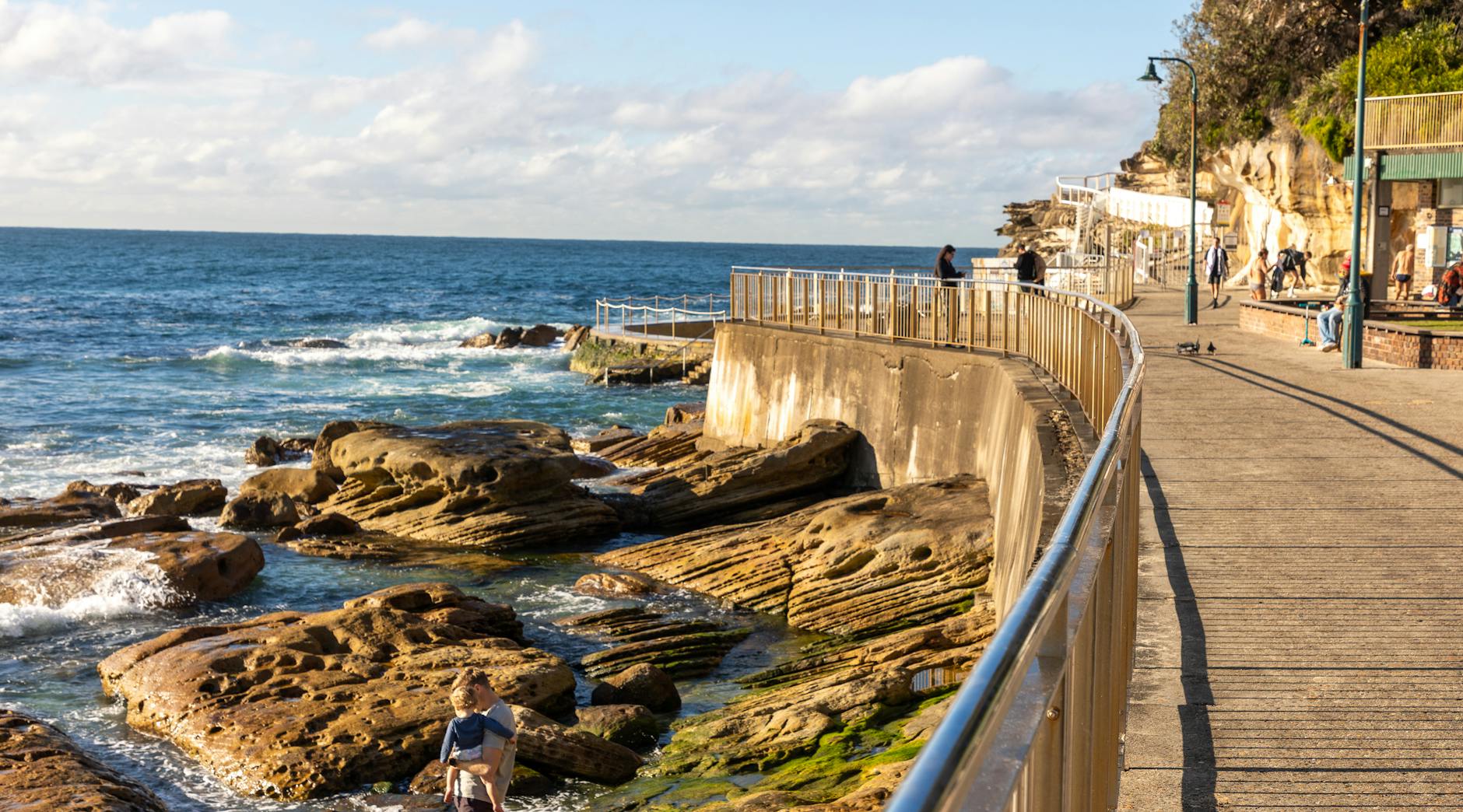
Universal year-round Sydney essentials: SPF 50+ sunscreen, sunglasses, a sun hat, a light rain jacket, comfortable walking shoes, swim gear and a beach towel.
Seasonal additions:
- Summer (Dec–Feb): Light cotton tops, shorts, dresses, rashie, flip-flops or sandals, lightweight long-sleeve shirt for sun cover
- Autumn (Mar–May): Light layers, light jumper for evenings, swimwear (March)
- Winter (Jun–Aug): Lightweight insulating layer, warm jumper, light packable jacket, jeans or chinos; rarely needs gloves or scarves
- Spring (Sep–Nov): Light layers, light jumper for evenings, swimwear (October–November)
Don’t forget: international power adapter (Australia uses Type I, 230V), reusable water bottle (tap water is excellent and free at most attractions), a small daypack, copies of passport and visa.
11. Australian biosecurity and customs
Australia has the world’s strictest biosecurity rules. On the way in, declare any:
- Food, plant or animal products (chocolate, biscuits, herbal medicines, dairy)
- Wooden items, shells, coral or feathers
- Outdoor equipment (boots, fishing gear, camping gear) — must be clean and dry
- More than AU$10,000 in cash
- Prescription medications (bring the prescription)
The fine for not declaring items is up to AU$5,500 on the spot. When in doubt, declare — the Border Force officers will inspect and almost always wave you through.
Going home, the TRS lets you claim 10% back on goods over AU$300 — bring receipts and the items in your hand luggage to the airport TRS counter.
12. Sydney safety and emergencies
Sydney is one of the world’s safer major cities. Standard precautions apply: don’t flash valuables, don’t leave bags unattended, keep an eye on drinks in bars. Most violent incidents happen between people who already know each other; tourist-targeted crime is rare.
- Emergency number: 000 (police, fire, ambulance) — works from any phone, even without a SIM. Use 112 from a mobile in poor coverage.
- Police non-emergency: 131 444
- Sydney Hospital and Sydney Eye Hospital sits next to the Royal Botanic Garden and is the closest emergency department to the CBD.
- Beach safety: Always swim between the red-and-yellow flags at patrolled beaches. Rip currents kill more people in NSW than sharks, snakes and crocodiles combined.
- Sun safety: Australian UV is among the world’s highest. Apply SPF 50+ sunscreen every two hours. Wear a hat and sunglasses.
- Public health: Tap water is safe to drink everywhere in Sydney. No vaccinations are required for entry.
- Earthquakes/cyclones: Sydney is not in an active seismic zone and is south of the cyclone belt — major natural disasters are very rare.
13. Internet, SIM cards and apps
Sydney has fast, ubiquitous 4G/5G mobile coverage. The four major networks (Telstra, Optus, Vodafone, TPG) all sell pre-paid SIMs at the airport, with 30-day unlimited data plans for around AU$30. eSIM-compatible phones can buy local eSIMs from Airalo, Ubigi or Holafly before arriving. Free public Wi-Fi is available across the CBD, Royal Botanic Garden, and most cafes, but the speed is variable.
Essential apps:
- Opal Travel — Public transport trip planner
- Citymapper — Cleaner UI for trip planning
- Uber, DiDi, Ola — Rideshare
- Beachsafe — Beach status, surf forecast
- OpenTable, Quandoo — Restaurant bookings
- Google Maps — Walking directions, business hours
- Australian ETA — Visa application
14. Travel insurance
Travel insurance is strongly recommended for Sydney. Australia’s healthcare is excellent but expensive without coverage — a single ambulance ride can cost AU$1,000+, and a hospital admission for a foreign visitor without insurance can run to tens of thousands. Reciprocal Health Care Agreements exist with the UK, NZ and several European countries (covering essential medical only — not repatriation, lost luggage or trip cancellation).
For most travellers, comprehensive travel insurance with at least AU$500,000 medical and AU$5,000 trip cancellation cover is the right baseline. Include adventure-sport rider if you plan to BridgeClimb, scuba dive or snowboard.
15. Cultural notes for visiting Sydney
Sydney is built on the unceded lands of the Eora Nation, and Aboriginal culture is increasingly woven into the tourism offer. Visitors are warmly welcomed at the Royal Botanic Garden’s Aboriginal Heritage Tour, the Yiribana Gallery at the Art Gallery of NSW, the Australian Museum’s First Nations galleries, and the Dreamtime Southern X walking tour of The Rocks.
Australians are informal — first names are used widely, casual dress is the norm even in CBD offices, and most service staff are genuinely friendly. Tipping is not the social signal it is in North America; over-tipping can confuse rather than impress. Greet drivers as you board buses, and thank them as you leave (it’s a Sydney quirk).
16. LGBTQ+ Sydney
Sydney is one of the world’s most LGBTQ+ friendly cities, hosting Mardi Gras (the world’s biggest pride parade) every late February. The historic gay neighbourhood is around Oxford Street, Darlinghurst, with newer scenes in Newtown and Surry Hills. Same-sex marriage has been legal in Australia since 2017.
17. Pre-departure checklist
- Passport valid 6+ months from arrival date
- ETA / eVisitor / Visitor visa approved
- Travel insurance bound
- Hotel and key tour bookings confirmed
- Digital Travel Declaration lodged in the 72 hours before flying
- Power adapter for Type I plug
- SPF 50+ sunscreen in hand luggage (it’s expensive in Australia)
- Notify your bank of travel dates
- Download offline Google Maps for Sydney
- Print or save digital copies of confirmation numbers, passport scan, insurance
Guides in this pillar
10 guidesFrequently asked questions
How many days do you need in Sydney?
Three days is the minimum to see the main harbour highlights and one beach. Five days is the sweet spot — it includes a day trip and a full beach day. Seven days lets you add the Hunter Valley overnight and the Royal National Park.
Is Sydney expensive for tourists?
Sydney is more expensive than most Australian cities and similar to London or San Francisco for hotels and dining. A mid-range traveller should budget AU$280–450/day per person, including accommodation. Counterbalance with free attractions (beaches, walks, the Royal Botanic Garden, the Art Gallery of NSW), affordable Opal-capped public transport (AU$9.35–18.70/day), and lunch specials at hatted restaurants.
Do I need a visa to visit Sydney?
Yes — almost everyone needs a visa or travel authorisation to enter Australia. The two simplest are the Electronic Travel Authority (ETA, AU$20) for US/Canadian/Japanese passport holders and the eVisitor (free) for European passport holders. Apply via the Australian Department of Home Affairs official website or ETA app — never via third-party services.
Is Sydney safe to visit?
Yes. Sydney consistently ranks in the top 10 safest major cities globally. Standard travel precautions apply, but tourist-targeted crime is rare, the public transport system is well-staffed, and emergency services respond quickly via the universal 000 number.
What’s the best time to visit Sydney?
September to November and March to May are the best months overall — mild weather, fewer crowds, lower prices. December to February for the warmest beaches, August for the City2Surf and whale watching, May–June for Vivid Sydney. See our dedicated best time to visit Sydney guide for month-by-month detail.
Can I drink the tap water in Sydney?
Yes. Sydney’s tap water is high quality and free at all public attractions. Refill bottles wherever you go — there are public fountains throughout the CBD, parks and ferry terminals.
Should I tip in Sydney?
Tipping is not expected. Australian service staff earn above-minimum wages and the menu price is the price. Many diners round up the bill or leave 5–10% for excellent service in fine dining; tipping in cafes, bars, taxis and rideshares is not standard.
What language is spoken in Sydney?
English is the primary language, but Sydney is one of the most multicultural cities in the world — more than 30% of residents were born overseas, and around 60 languages are spoken at home. Visitors will hear Mandarin, Cantonese, Vietnamese, Arabic, Italian and Greek widely in different neighbourhoods.
Plan the rest of your trip
You’re 80% of the way there. Now pair this Sydney travel guide with the cluster’s other deep-dives: the top things to do in Sydney, where to stay in Sydney, the best Sydney beaches, the best restaurants in Sydney, the Sydney transport guide, the best day trips from Sydney, and the best time to visit Sydney.
Helpful resources for planning your Sydney trip
For the very latest information on opening hours, ticketing and transport, the following official resources are kept up to date:
- Australian Department of Home Affairs
- Australian ETA app
- Australian Border Force – Travel
- Tourism Australia
- Smartraveller.gov.au
- Tourist Refund Scheme
Related Sydney guides
The other guides most people read alongside this one:
- what to pack for Sydney
- what a Sydney trip costs
- the Australian tourist visa
- a 3-day Sydney itinerary
- a 5-day Sydney itinerary
- a 7-day Sydney itinerary
- travel tips and common mistakes
- SIM cards and eSIMs
- travel insurance for Australia
- how safe Sydney is
- the travel apps worth downloading
- getting around Sydney
- where to stay in Sydney
- the best time to visit Sydney
- things to do in Sydney
- family travel costs
- our family travel guide
- the full nightlife guide
1 comment