Hunter Valley from Sydney: Wineries, Tours and Doing It in a Day
Getting to the Hunter Valley from Sydney by car, tour or train, what cellar door tastings cost in 2026, and an honest take on whether a day trip is worth it.
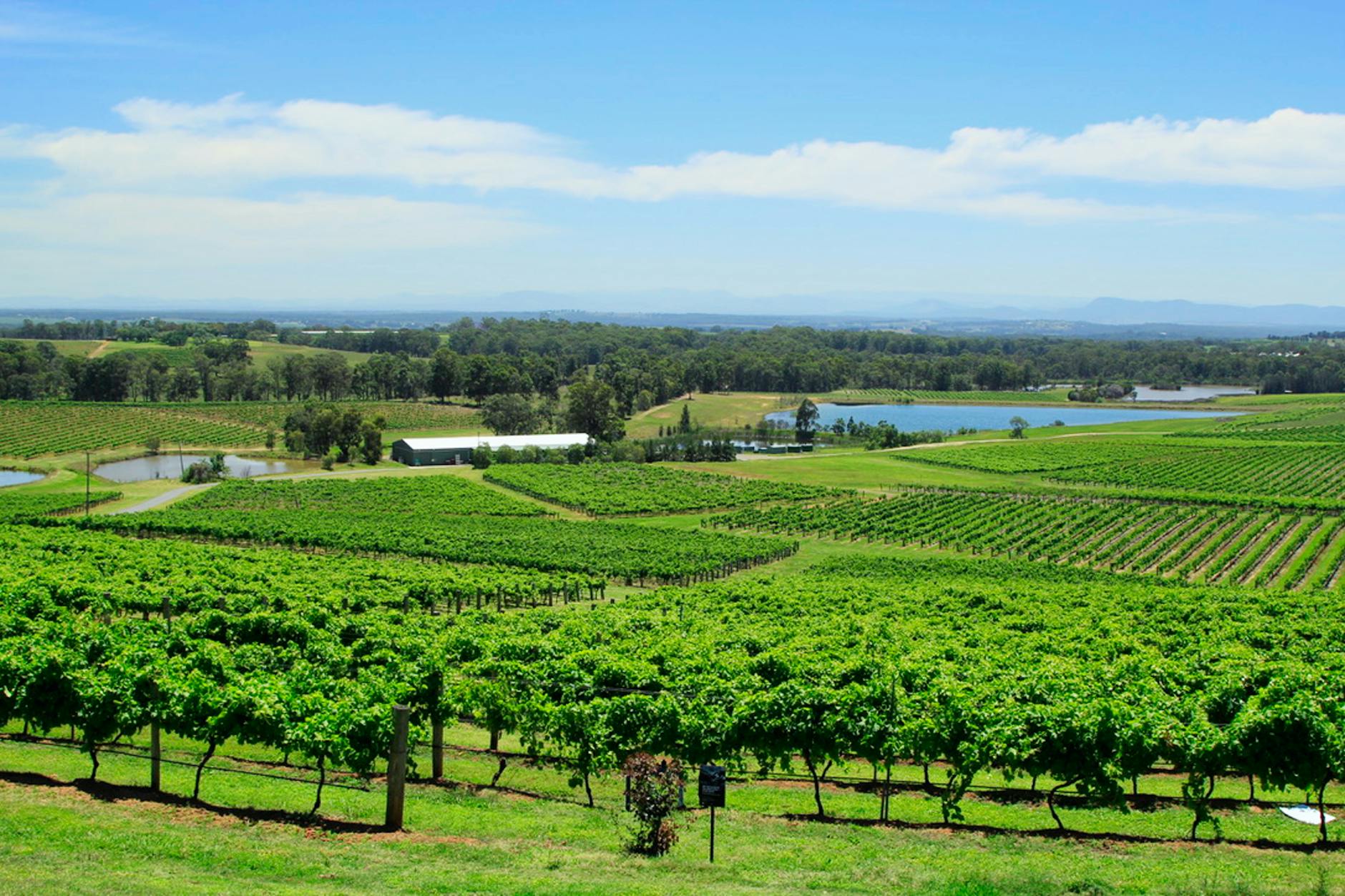
There’s a moment on the drive north, just after the M1 leaves the last of the Central Coast behind and the road drops towards Cessnock, when the bush thins out and rows of vines start appearing on the low hills. It takes about two hours from the Harbour Bridge to get there, and that single number shapes everything about visiting the Hunter Valley from Sydney. It’s close enough for a day trip, but far enough that a day trip is a compromise, especially for whoever is driving.
This guide covers how to get there (car, tour or the awkward public transport option), which wineries to visit and what tastings cost, what else there is to do beyond the cellar doors, how to realistically do it in a day, and when an overnight stay is the better call. Tasting fees and tour prices were checked in September 2026. Cellar doors change their formats often, so treat them as the right order of magnitude and book ahead for weekends.
Hunter Valley at a glance
| Detail | What to know |
|---|---|
| Distance from Sydney | About 160 km north to Pokolbin |
| Driving time | About 2 to 2.5 hours each way |
| Public transport | Train plus bus to Cessnock, then taxi; 3–4 hours and impractical for a day trip |
| Guided day tour | From about A$135 per person, with transport, tastings and lunch |
| Typical tasting fee | About A$15–25 for a standard tasting; A$75+ for premium |
| Signature wines | Semillon and shiraz |
| Main wine area | Pokolbin, with Lovedale and Broke Fordwich nearby |
| Best months | March–May and September–November |
| Day trip or overnight? | Overnight if you can; a day trip works best on a tour |
What the Hunter Valley actually is
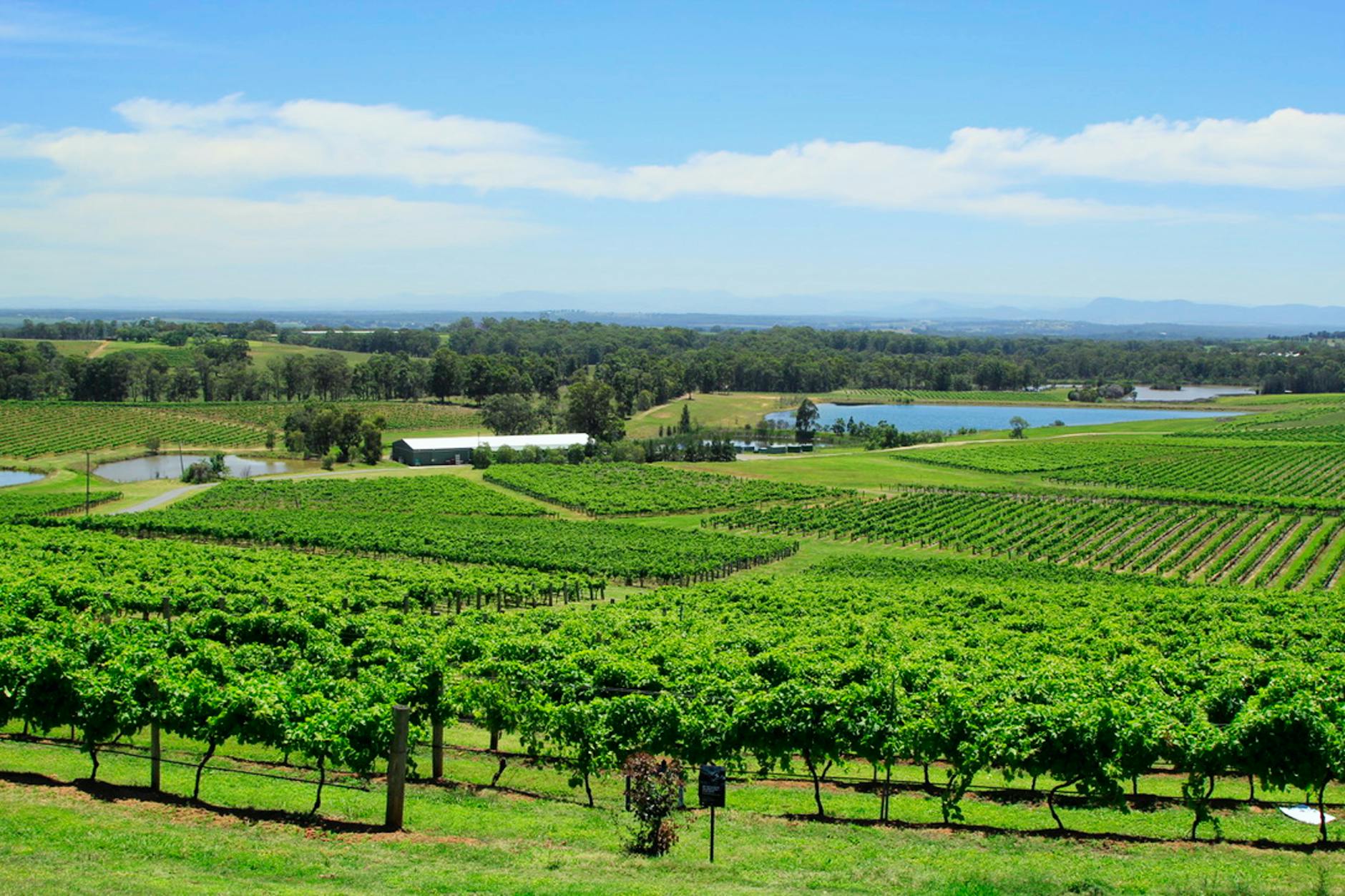
The Hunter is Australia’s oldest continuously operating wine region, with vines planted in the early 1800s and some family wineries dating back well over a century. When Sydneysiders say “the Hunter”, they usually mean the Lower Hunter, and specifically the cluster of vineyards, cellar doors, restaurants and guesthouses around Pokolbin, just outside the old coal town of Cessnock.
It isn’t a picture-postcard region in the way the Barossa or Tuscany can be. The landscape is gentle rather than dramatic: flat valley floors, low hills and the Brokenback Range along the western edge. Summers are hot, and the country between wineries can look dry. What the Hunter does brilliantly is its wine, especially Hunter semillon, a light, low-alcohol white that ages extraordinarily well, and its savoury, medium-bodied shiraz. It also has a sheer density of cellar doors, many within a few minutes’ drive of each other.
Getting from Sydney to the Hunter Valley
Driving
The drive is simple: head north on the M1 Pacific Motorway, then take the exit for Cessnock and follow the signs to Pokolbin. Allow two to two and a half hours from the CBD, more on Friday afternoons and Sunday evenings when half of Sydney seems to be heading the same way. Tolls apply on the way out of the city, depending on your route. Our driving in Sydney guide explains how tolls work in a hire car.
Driving gives you total freedom, but there’s an obvious problem. Someone has to drive home, and that person can barely taste anything. The legal blood alcohol limit in NSW is 0.05 for full licence holders and zero for learner and provisional drivers, and random breath testing on the roads out of wine country is routine. Tasting pours are small but they add up quickly over four or five cellar doors. Use the spittoons, and plan to buy bottles rather than drink them.
Guided tours
For a day trip, a tour is the honest recommendation, because it solves the driving problem entirely. Group day tours from Sydney start from around A$135 per person, and typically include hotel or central pick-ups, three or four winery visits with tastings, lunch, and often a cheese or chocolate stop. Expect a 7:00–7:30am departure and a return to Sydney around 6:00–7:00pm.
What to check before booking:
- Number of wineries and which ones. Big-group tours often use large commercial cellar doors set up for coach groups. Small-group tours are more likely to include family wineries.
- Whether tasting fees are included. Most tours include them, but check.
- Lunch. A winery restaurant lunch is a highlight. A pie in Cessnock isn’t.
- Group size. Twelve people fit around a tasting bench. Forty don’t.
Private tours and chauffeured cars cost more, but for four to six people the price per head can be competitive, and you choose the wineries. There are also local tours based in the Hunter, which pick up from Hunter accommodation. They’re a good option if you’ve driven up and are staying the night, because you can leave the car at your hotel.
Public transport
It’s possible, but not practical for a day trip. There are two routes:
- Train to Morisset on the Central Coast & Newcastle Line (about A$8.86 each way on Opal; see our Opal card guide), then a Rover Coaches bus to Cessnock. Connecting buses only run a couple of times a day, one early and one in the evening, and the whole trip takes around three hours.
- Train to Maitland, then bus route 164 to Cessnock. The buses are roughly hourly and connect with trains, but the total journey is closer to four hours.
Either way, you arrive in Cessnock, not in the vineyards. There is no public transport around the Pokolbin wine area, so you’ll need a taxi, a local tour or a bike to get between cellar doors. Public transport only makes sense if you’re staying several nights and have booked a local tour to pick you up.
A two-minute primer before your first tasting
You don’t need to know anything about wine to enjoy the Hunter, but a little context makes the tastings far more interesting, and cellar-door staff love a visitor who asks good questions.
Hunter semillon
Semillon is grown all over the world, usually blended or made into rich, oaked styles. The Hunter does something different. Grapes are picked early, the wine is usually made without oak, and it’s bottled young at low alcohol, often around 10–11 per cent. Young, it’s pale, lemony and almost austere. Over five, ten or even twenty years in the bottle, it develops flavours of toast, honey and lanolin without ever seeing a barrel. Most cellar doors will pour a young and an aged semillon side by side if you ask, and it’s the single most illuminating thing you can taste in the valley.
Hunter shiraz
Forget the big, jammy, high-alcohol shiraz that made South Australia famous. The Hunter’s warm, humid climate produces a lighter, more savoury, medium-bodied style, often described as earthy. Older Hunter shiraz picks up a leathery complexity that wine writers once described with the phrase “sweaty saddle”, which is either a warning or a recommendation, depending on your taste.
Other wines to look for
- Chardonnay, which the Hunter helped make popular in Australia in the 1970s.
- Verdelho, a fruity, easy-drinking white with a long Hunter history.
- Fortified wines and stickies, a good finish to a tasting and a good gift.
- Emerging varieties such as tempranillo, fiano and vermentino at more experimental producers.
Cellar doors: what to expect and what it costs
The days of free, walk-in tastings at every cellar door are largely over. Most wineries now charge a tasting fee, and many require or strongly encourage a booking, especially at weekends.
| Winery | Standard tasting | Premium option | Notes |
|---|---|---|---|
| Tyrrell’s | A$15, about 45 min | Higher-tier tastings available | Historic family winery; benchmark semillon |
| Brokenwood | A$25, about 45 min | Wine and food flight A$75 | Famous for Graveyard Vineyard shiraz |
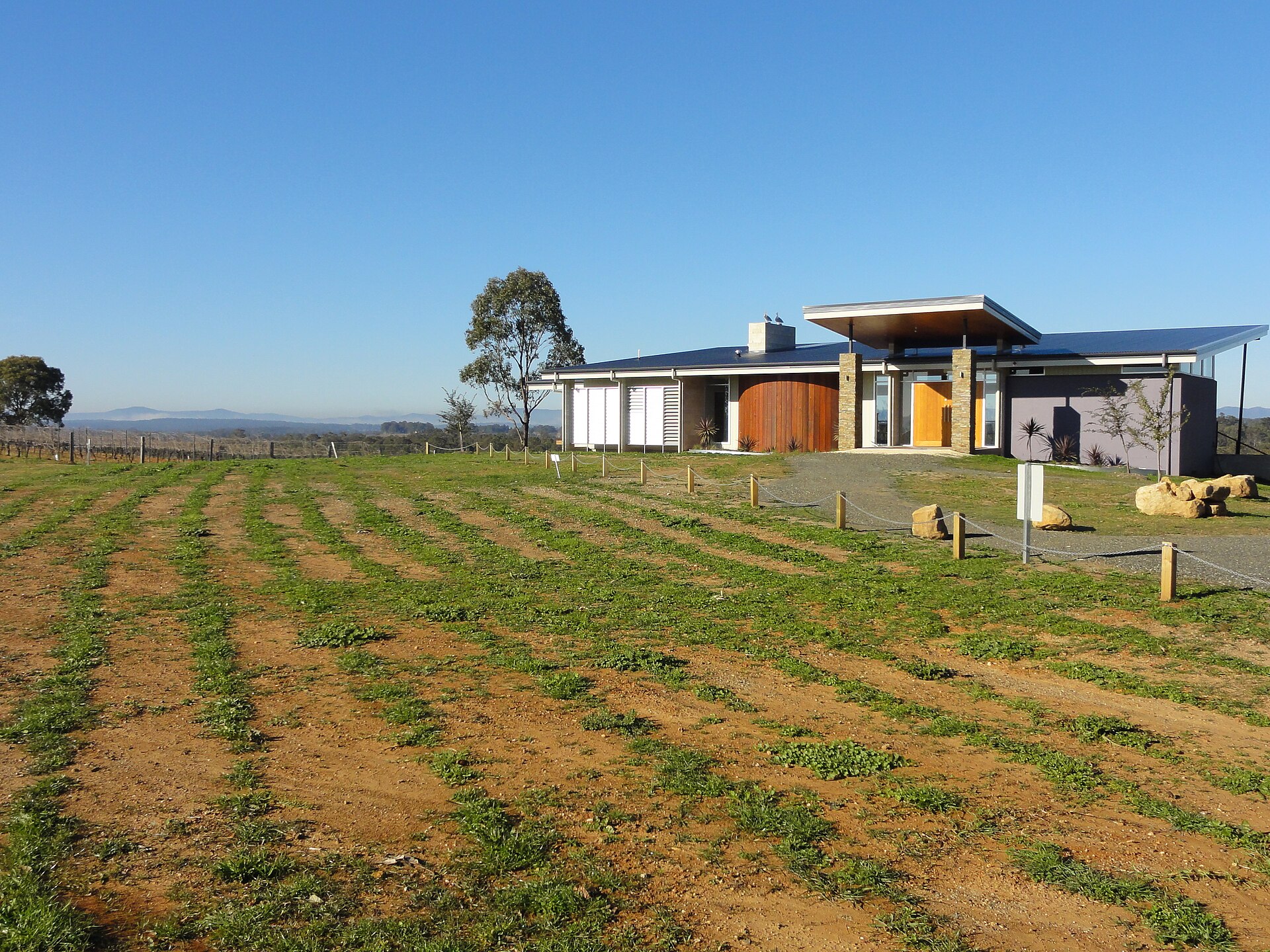
| Audrey Wilkinson | Check current options | From A$75, about 60 min | Hilltop views; most weekends sell out in advance |
Some fees are redeemable against a bottle purchase, while others aren’t, so ask. Those three wineries also sell a combined premium experience, “Icons of the Hunter Valley”, from around A$300 per person. That’s excellent if you’re serious about wine and overkill if you’re not.
Beyond the big names
The Hunter has well over a hundred cellar doors, and some of the most enjoyable visits are at small family producers where the person pouring the wine might have made it. Good ways to find them:
- Ask at the Hunter Valley Visitor Information Centre in Pokolbin for a map and current recommendations.
- Drive the quieter back roads of Lovedale and Broke Fordwich, where cellar doors are further apart and far less busy.
- Ask at each cellar door where they’d go next. Wine people are generous with tips.

Tasting etiquette and buying
- Spitting is normal, not rude, and the spittoon is there for a reason. Pouring out the rest of a glass is also fine.
- You don’t have to buy, but if the fee is redeemable against a purchase, a bottle effectively costs less.
- Cellar-door-only wines are one of the best reasons to visit. Many small producers sell wines you’ll never find in a Sydney bottle shop.
- Wine clubs will be offered at almost every stop. They’re great if you live in Australia and less useful if you’re flying home.
- Don’t wear strong perfume. It genuinely interferes with other people’s tasting.
How many wineries in a day?
Four is plenty, and three is better. Each tasting takes about 45 minutes, plus driving, plus lunch. A day with six cellar doors becomes a blur of semillon and a headache on the drive home.
Doing the Hunter Valley in a day
Here’s a realistic self-drive day that doesn’t wear out the designated driver.
| Time | What |
|---|---|
| 07:30 | Leave Sydney, beating the worst of the traffic |
| 09:45 | Coffee in Pokolbin, and a stop at the visitor centre for a map |
| 10:30 | First tasting, booked, at a big-name winery |
| 11:30 | Second tasting at a small family winery nearby |
| 12:30 | Long lunch at a winery restaurant, booked well ahead |
| 14:30 | Third tasting, or a cheese, chocolate or olive shop for the non-drinkers |
| 15:30 | Leave for Sydney |
| 18:00 | Back in the city, traffic permitting |
That’s about five hours on the road and five in the valley. It works, but it’s long, and it’s hard on the driver. Our honest verdict: if you’re self-driving, stay a night. If you only have a day, book a tour.
What to do besides drinking wine
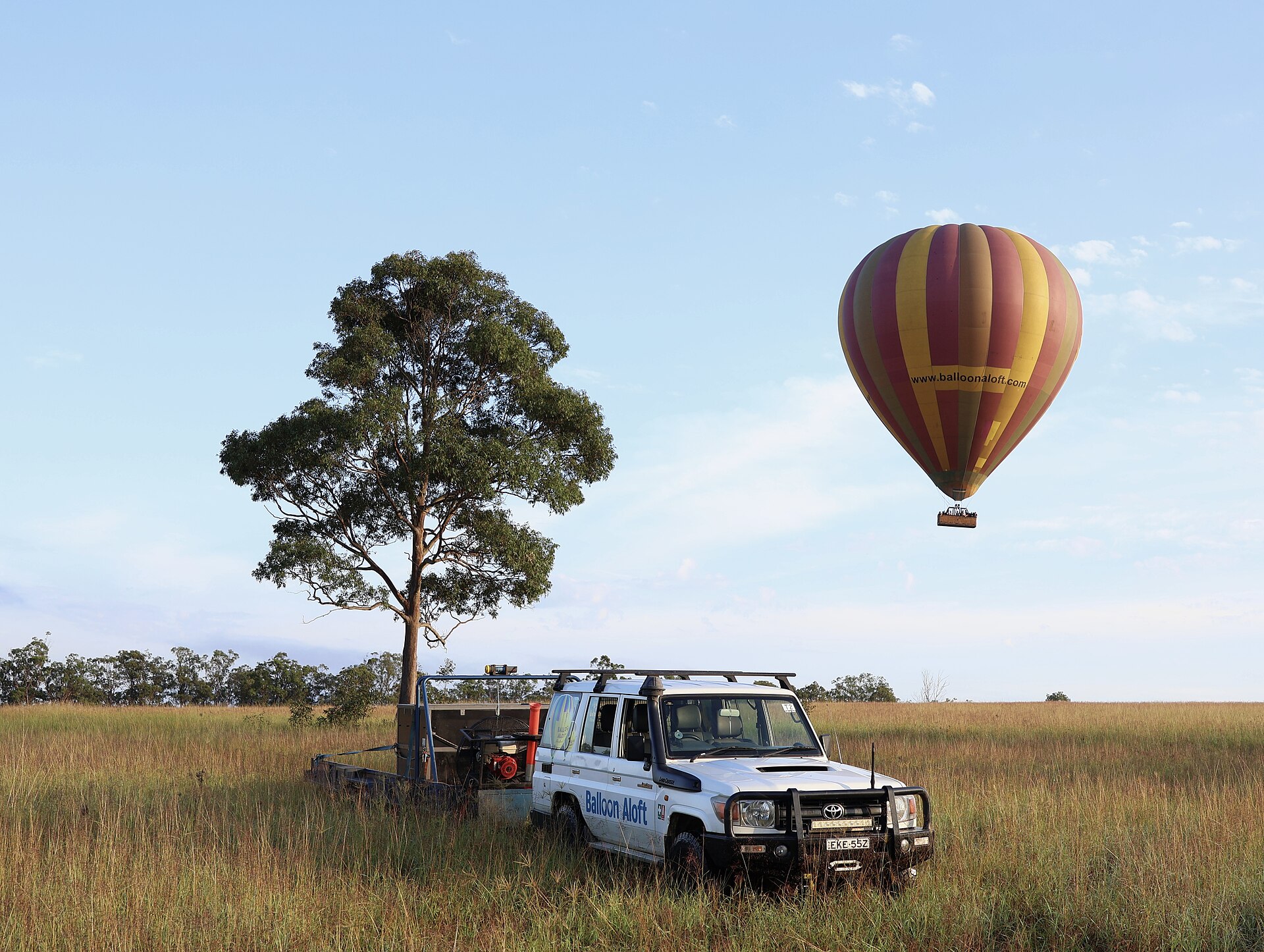
Hot air balloon flights
The Hunter is one of the most popular ballooning spots near Sydney. Flights leave at dawn, last about an hour, and drift over vineyards and paddocks with the ranges glowing in the early light. Expect to pay from around A$300–350 per adult, more with a champagne breakfast package. Flights are weather-dependent and can be cancelled at short notice. Crucially, they meet before sunrise in the valley, so you can’t do one on a day trip from Sydney without leaving at about 3am.
Food
Wine country means food, and the Hunter has everything from cellar-door grazing plates to some of regional NSW’s best restaurants. Cheese, chocolate, olive and deli shops cluster around Pokolbin, and many wineries have their own restaurant or café. Book lunch in advance for weekends, particularly the well-known winery restaurants, and remember that many places close one or two days a week. If food tours are more your thing, our Sydney food tours guide covers the city equivalent.
Hunter Valley Gardens
The Hunter Valley Gardens in Pokolbin are a large set of themed display gardens with a shopping village nearby. They’re best known for their Christmas lights event over the summer holidays, which is extremely popular with families. Check the dates and ticket prices on the gardens’ own site, as they change each year.
Wollombi
About 30 minutes south-west of Cessnock along a winding country road, Wollombi is a tiny historic village with sandstone buildings, an old pub and a general store. It’s a lovely detour on a scenic back-road route to or from Sydney for anyone who isn’t in a hurry, though the road is slow.
Concerts and events
Several larger wineries host big outdoor concerts during the warmer months, and there are food and wine festivals through the year. These sell out accommodation across the whole region. If you’re planning a quiet weekend, check the events calendar first. If you’re after a concert, book months ahead.
A relaxed two-day itinerary
Day one
- Morning: leave Sydney after the morning peak, around 9:00, and arrive in Pokolbin for a late-morning tasting.
- Lunch: a long winery lunch, booked in advance.
- Afternoon: check in, then one or two tastings within a short drive, or a local tour so the car stays parked.
- Evening: dinner at a restaurant near your accommodation, ideally within walking distance or a short taxi ride.
Day two
- Dawn: a balloon flight if the budget stretches, or a slow breakfast if it doesn’t.
- Morning: the quieter wine areas of Lovedale or Broke Fordwich, where tasting rooms are rarely busy before lunch.
- Midday: pick up cheese, olive oil and bottles, and arrange shipping for anything heavy.
- Afternoon: drive home via Wollombi, where the slower back road through the valleys makes a good end to the trip, or take the M1 if you need to be back by dinner.
The designated driver on day two should do the tasting on day one, and vice versa.
Combining the Hunter with the coast
The Hunter sits within about an hour’s drive of both Newcastle, with its surf beaches and ocean baths, and Port Stephens, known for dolphin cruises and the huge Stockton sand dunes. With three or four days and a car, a loop of Sydney, the Hunter, Port Stephens and back down the coast via the Central Coast makes an excellent short road trip. Put the wineries in the middle of the trip rather than at the end, so nobody has a long drive home straight after a day of tasting.
When to go
| Season | What it’s like | Verdict |
|---|---|---|
| Summer (Dec–Feb) | Hot, sometimes over 35°C; vintage begins, usually in January | Busy and sweaty, but harvest is exciting |
| Autumn (Mar–May) | Warm days, cool nights, vines turning gold | The best time to visit |
| Winter (Jun–Aug) | Cool, crisp, bare vines, fires in the restaurants | Quiet and cosy, with good midweek deals |
| Spring (Sep–Nov) | Mild, green, new growth | Lovely, with concert season starting |
Weekday versus weekend matters more than season. Saturdays are packed with hens’ parties, buck’s parties and minibus tours, cellar doors are crowded, and accommodation prices double. On a Tuesday, you might have a tasting room to yourself.
Where to stay overnight
Staying a night transforms the Hunter. You get dinner without driving, the option of a sunrise balloon, and a second morning of tastings when the cellar doors are quiet. Accommodation ranges from luxury resorts and spa hotels to vineyard cottages, B&Bs and motels in Cessnock.
- Pokolbin is the most convenient, closest to the main cellar doors and restaurants.
- Lovedale is quieter, with more cottages and guesthouses.
- Cessnock is the cheapest, but it’s a working town rather than wine country, and you’ll need transport.
Most properties have two-night minimums at weekends and much higher Saturday rates. For the best value, go midweek.
Is a Hunter Valley day trip worth it?
It depends on what you’re after. Be honest with yourself:
- Worth it: if you love wine, especially Australian semillon and shiraz, and you’re going on a tour or staying overnight.
- Worth it: for a group of friends splitting a private driver for a celebration.
- Less worth it: if you’re self-driving for a day and only one person gets to taste.
- Probably not worth it: if you don’t drink and aren’t especially interested in food. The scenery alone doesn’t justify four or five hours on the road, and the Blue Mountains or the Central Coast make better day trips for you.
Families should note that the Hunter isn’t especially geared to children beyond the gardens and a few farm-style attractions. Our family day trips guide has better options for kids.
Practical tips
- Book tastings and lunch in advance for any weekend visit.
- Eat before your first tasting. A 10:30am semillon on an empty stomach is a bad start.
- Carry water, particularly in summer.
- Plan how you’ll get wine home. Many wineries ship within Australia, which saves carrying boxes through the rest of your trip. If you’re flying home internationally, check your baggage allowance and duty-free limits.
- Mobile coverage is patchy on some back roads, so download maps offline.
- Watch for kangaroos around dawn and dusk, particularly on the country roads between wineries.
Frequently asked questions
How far is the Hunter Valley from Sydney?
About 160 kilometres north, which is roughly two to two and a half hours by car to the Pokolbin wine area.
Can you do the Hunter Valley as a day trip from Sydney?
Yes, but it’s a long day with around five hours of driving. It works best on a guided tour, so nobody has to drive after tasting. If you’re self-driving, an overnight stay is much better.
How much does a Hunter Valley wine tour from Sydney cost?
Group day tours start from around A$135 per person, usually including transport, tastings and lunch. Small-group and private tours cost more.
Can you get to the Hunter Valley by train?
Partly. You can take a train to Morisset or Maitland and then a bus to Cessnock, but there’s no public transport between the wineries themselves. It isn’t practical for a day trip.
Do Hunter Valley wineries charge for tastings?
Most do. Standard tastings typically cost around A$15–25 per person in 2026, and premium seated experiences cost A$75 or more. Some fees are redeemable against purchases.
What wine is the Hunter Valley known for?
Semillon above all, a crisp, low-alcohol white that develops honeyed, toasty flavours with age, and medium-bodied shiraz.
What is the best time to visit the Hunter Valley?
Autumn, from March to May, for warm days and vines turning gold, and spring for mild weather. Go midweek to avoid crowds and higher prices.
Is the Hunter Valley good for non-drinkers?
There’s food, gardens, balloon flights and the countryside, but wine is the main attraction. Non-drinkers may prefer a different day trip.
If beaches appeal more than cellar doors, the equivalent trip south is Jervis Bay, about the same distance in the other direction. It has the same day-trip dilemma and the same answer: stay a night if you can. Our Jervis Bay from Sydney guide covers the drive and the beaches.
Port Stephens is only around an hour from Pokolbin, which makes the wineries and the coast an easy pairing over a long weekend. Our Port Stephens guide covers dolphin cruises, sandboarding and the Tomaree Head walk for the beach half of the trip.
The Hunter isn’t the only wine country within reach. The Southern Highlands, about 90 minutes south-west, makes cool-climate pinot noir, chardonnay and sparkling, and its cellar doors sit between heritage villages rather than in one valley. See our guide to Bowral, Berrima and the Highlands wineries if you’d like a tasting as part of a broader day out.
Newcastle, less than an hour from the vineyards, is the obvious base if you want the coast as well as the wine: a morning swim in an ocean pool, an afternoon at the cellar doors. Our Newcastle from Sydney guide covers the beaches, the Bathers Way and getting there by train.
Related Sydney guides
- Day trips from Sydney — the full list of places within reach.
- Blue Mountains tours from Sydney — how to judge a day tour before you book.
- Central Coast day trip — on the way to the Hunter, with beaches.
- Sydney restaurants and food — for when you’re back in the city.
- Sydney in autumn — the best season for the Hunter too.
- Cost of a trip to Sydney — budgeting the extras.
Photo Credits
Hot air balloon over the Hunter Valley: Hot air balloon, Hunter Valley by A little sheep0115, CC BY-SA 4.0, via Wikimedia Commons.
Hilltop cellar door in winter: Hunter Valley Vista – panoramio by Annette Teng, CC BY 3.0, via Wikimedia Commons.
Cellar door tasting and Hunter Valley vineyard: photographs from the site library, via Pexels.