Sydney in July: Weather, Crowds, Prices and What’s On
July in Sydney: the coldest, clearest month, peak humpback season, school holidays from 5 to 16 July 2027, NAIDOC Week, Christmas in July and the quiet, cheap fortnight that follows.
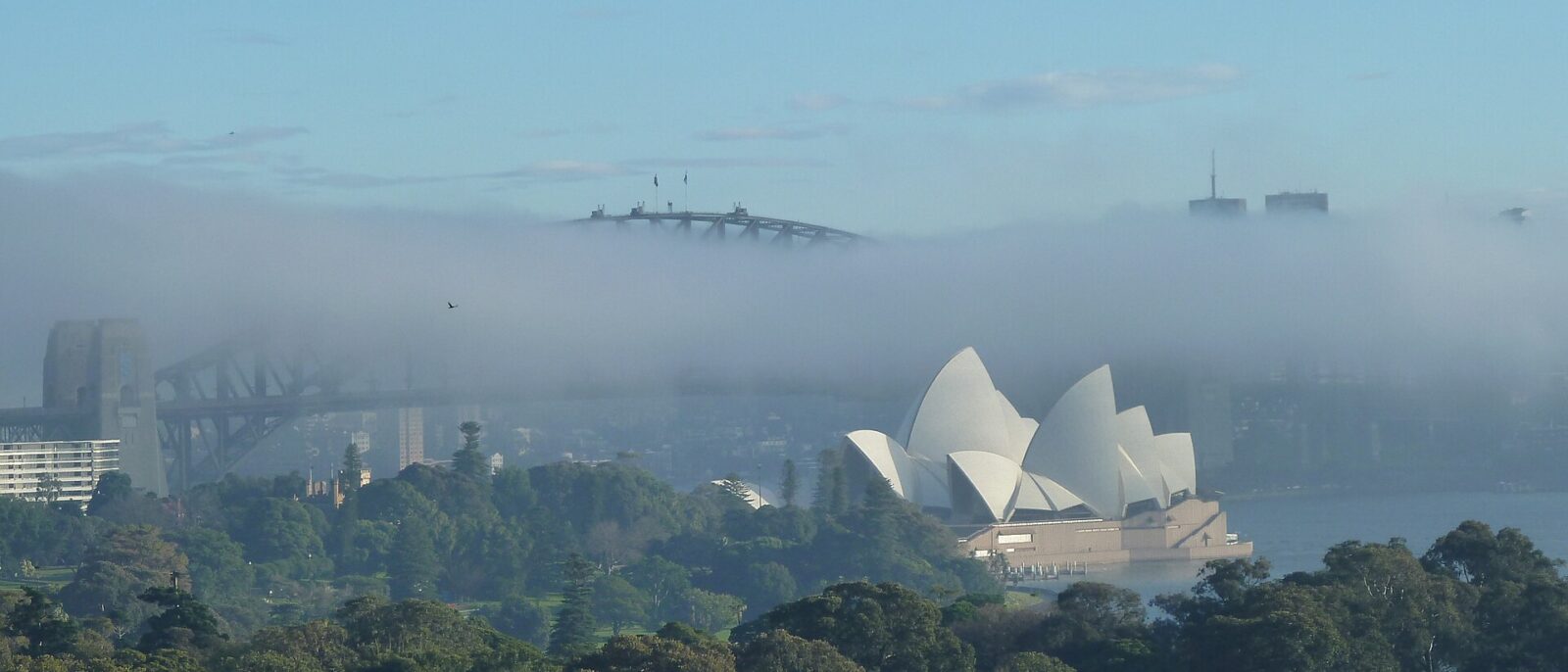
On a still July morning the harbour can be flat enough to hold a perfect upside-down Opera House, and by nine o’clock the sky has usually settled into the hard, clean blue that Sydney saves for winter. What catches visitors out is everything either side of that: frost on the windscreens in the western suburbs at dawn, the wind that comes off the water the moment the sun drops behind the city at five, and the discovery that a lot of Sydney homes were built as if winter didn’t exist. Sydney in July is the coldest month of the year. It’s also one of the clearest, it brings the peak of the humpback whale migration past the Heads, and once the school holidays finish it becomes one of the quietest and cheapest stretches on the calendar.
This guide covers July on its own: the weather and the light, the 2027 dates for the NSW winter school holidays and NAIDOC Week, whale watching, Christmas in July, the ice rinks, the football and what all of it does to crowds and prices. For winter as a whole, read our Sydney in winter guide, and for the month before, our Sydney in June guide. Dates and prices were checked in September 2026; treat them as the right order of magnitude. For events whose 2027 dates come from the organisers later, we give you the 2026 pattern and point you to where the new dates appear.
July at a glance
| Detail | July in Sydney |
|---|---|
| Average high / low | About 17°C / 8°C in the city; frosts in the west, colder again in the Blue Mountains |
| Sea temperature | About 16°C, the coldest water of the year |
| Rainfall | Around 95 mm, noticeably drier than June |
| Daylight | Sunrise around 7am; sunset from just before 5pm at the start of the month to about 5:15pm by the end |
| School holidays 2027 | NSW winter holidays Monday 5 to Friday 16 July; students back Tuesday 20 July |
| Crowds | Busy at family attractions in the first half, very quiet in the last ten days |
| Prices | Low season for hotels, with a school-holiday bump on family rooms and domestic flights |
| Public holidays | None in NSW |
| Headline events | Peak whale season, NAIDOC Week (4 to 11 July 2027), Christmas in July, Yulefest in the Blue Mountains, ice rinks, NRL and AFL home games, the ski season |
July weather: cold nights, bright days
Temperature
By the averages, July is Sydney’s coldest month, though only by a whisker: the typical day reaches about 17°C and the typical night falls to about 8°C, a degree or so below June and August. In the sun, out of the wind, 17°C is lovely. A clear July afternoon in the Royal Botanic Garden feels a lot like a good late-spring day in London, and you’ll see locals eating lunch on the grass in shirtsleeves. Step into the shade, or onto a ferry, and it’s a different month altogether.
Where you stay changes the numbers more than people expect. The harbour and the eastern beaches are the mildest parts of the city, because the ocean holds its warmth. Head 50 kilometres inland to Penrith or Richmond and still, clear nights regularly drop to around freezing, with frost on the lawns by morning. Up in the Blue Mountains, Katoomba’s days in July usually peak somewhere between 10°C and 14°C and the nights sit a few degrees above zero.
The other thing to know is that Sydney was built for summer. Plenty of older houses, terraces and holiday apartments have single glazing, draughty floorboards and a lone heater that struggles. Hotels are generally fine; a charming Paddington terrace booked through a rental site may not be. If you’re renting a place, check the listing for heating before you pay, and don’t assume a restaurant’s courtyard will be pleasant after dark.
Rain, wind and those blue-sky days
July averages around 95 mm of rain, a good deal less than June, and it tends to arrive in a few wet spells rather than as daily showers. Between them come long runs of dry, sunny days, which is why July is one of the best months of the year for coastal walks and clear views. The Bondi to Coogee walk, the North Head lookouts and the Blue Mountains escarpment are at their sharpest in winter light.
The weather’s real weapon in July is the wind. Cold, dry westerlies blow in from inland behind the winter fronts, gusting across the harbour and making a 16°C day feel closer to 10°C. They’re usually worst in the afternoon, so plan ferry rides, lookouts and harbourside lunches for the morning when you can. Early mornings bring their own weather too: on still days, fog sometimes sits on the harbour until the sun burns it off, leaving just the top of the Bridge arch poking through.
The sea
The ocean is at its coldest in July and August, around 16°C. Surfers wear full wetsuits, and the only people swimming without one are the regulars at the ocean pools, including the Bondi Icebergs, whose members have been swimming through every winter since the club was founded in 1929. If you want to try a winter dip, an ocean pool around midday on a still, sunny day is the kindest way to do it. Get out before you think you need to. Our ocean pools guide covers the best of them.

Daylight
The days are still short in July, though they’re getting longer. The sun rises at around 7am all month and sets just before 5pm at the start of July, stretching to about 5:15pm by the end. That leaves you roughly ten hours of usable light, so start sightseeing early, keep the long walks for the middle of the day and save indoor plans for the evening. The upside is a convenient sunset: you can watch it from a harbour bar and still be at dinner by seven. Our Sydney weather by month guide has the full year’s figures.
Does it snow in Sydney?
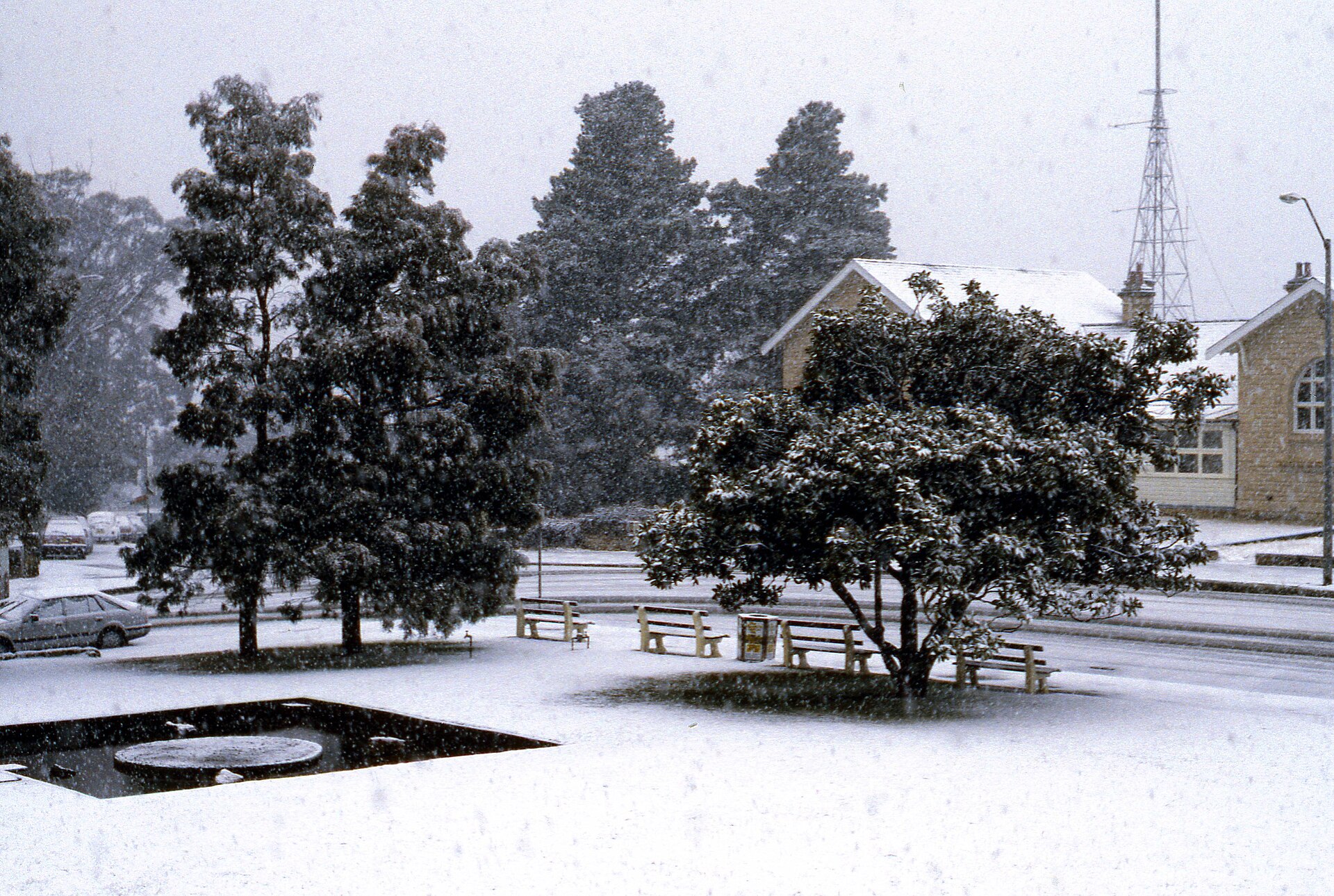
Not in the city. The one fall that local histories agree on came in June 1836, and nothing has settled on the harbour since. What does happen, every few winters, is snow in the upper Blue Mountains: a dusting across Katoomba, Blackheath and Mount Victoria that sends half of Sydney up the highway to see it. It rarely lasts past lunchtime and it’s impossible to plan around, but if a cold front with snow on the forecast arrives while you’re in town, an early train to the mountains is worth the gamble. Our Blue Mountains seasons guide explains what winter is like up there.
What’s on in July 2027
| Date | Event | Where |
|---|---|---|
| All month | Peak of the northern humpback migration | Whale-watching cruises and headland lookouts |
| All month | Yulefest, the Blue Mountains’ Christmas in July | Hotels, guesthouses and restaurants in the mountains |
| Sunday 4 to Sunday 11 July | NAIDOC Week | Events across Sydney and the rest of Australia |
| Monday 5 to Friday 16 July | NSW winter school holidays | Everywhere, especially family attractions |
| School holidays (dates to be announced) | Christmas in July winter village; ice rinks at Darling Harbour and Bondi | The Rocks, Darling Harbour, Bondi Beach |
| Date and venue to be confirmed | State of Origin Game 3, traditionally in early to mid July | Sydney, Brisbane or elsewhere; every pub screen in NSW |
| Weekends all month | NRL and AFL regular season | Accor Stadium, the SCG, Allianz Stadium, Engie Stadium and suburban grounds |
| Until mid-August (dates to be confirmed) | Archibald, Wynne and Sulman Prizes exhibition | Art Gallery of NSW |
| All month | Ski season at its busiest | Perisher and Thredbo, about six hours’ drive south-west |
The winter school holidays
The NSW winter school holidays run from Monday 5 to Friday 16 July 2027, and students return on Tuesday 20 July. Other states’ winter breaks overlap at around the same time, so the first half of July brings a wave of domestic family visitors on top of Sydney’s own children. That’s what shapes the month more than anything else. Taronga, SEA LIFE, the Australian Museum, Luna Park and the Darling Harbour precinct are busy on weekdays as well as weekends, and the city’s venues roll out special holiday programmes to match. Our school holiday activities guide lists what’s worth booking.
Whale watching at its peak
Humpback whales spend the southern summer feeding in Antarctic waters and swim north each winter to breed and calve in the warm water off Queensland. The northern migration peaks in June and July, when dozens of whales can pass Sydney’s headlands in a single day, sometimes close enough to the cliffs to hear the blow. The southbound return, often with young calves, starts in about September.
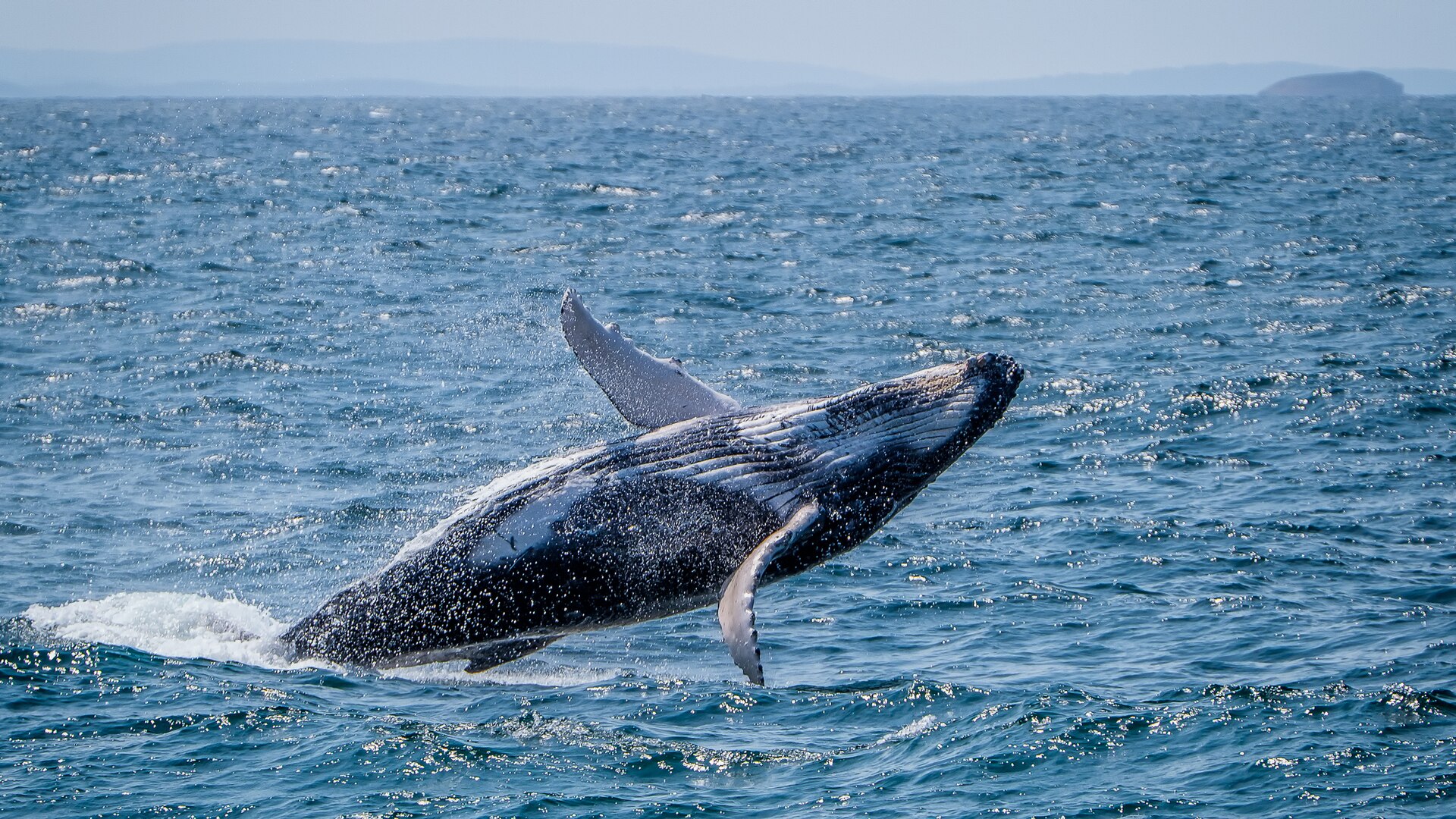
- By boat: whale-watching cruises run from Circular Quay, Darling Harbour and Manly, heading out through the Heads into open ocean. Expect to pay roughly A$80 to A$150 per adult, depending on the vessel and the length of the trip, and many operators offer a free second trip if you don’t see a whale. Book a morning departure; the westerlies tend to strengthen in the afternoon and the swell outside the Heads can be punishing. If you’re prone to seasickness, take tablets before you board, not once you feel it.
- From land, for free: Cape Solander in Kamay Botany Bay National Park is the classic spot, and the cliffs around The Gap at Watsons Bay, the lookouts at North Head above Manly and the Royal National Park coast are all good. Bring binoculars, look for the spout first, and give it at least an hour. Mid-morning, once the glare has eased, is usually best.
Our whale watching guide compares the cruises and the lookouts in detail.
NAIDOC Week
NAIDOC Week celebrates the histories, cultures and achievements of Aboriginal and Torres Strait Islander peoples. It runs from the first Sunday in July to the following Sunday, which puts it at 4 to 11 July in 2027. Across Sydney you’ll find family days, markets, exhibitions, talks, performances and flag raisings, many of them free and most of them welcoming to visitors. The programme is published nearer the time, so check the City of Sydney’s listings and your local council’s once you know where you’re staying. If you want to go further than a single event, our guide to Aboriginal culture in Sydney covers the tours, galleries and places that run all year.
Christmas in July
Australians have their real Christmas in the heat, so there’s a long-standing habit of borrowing the northern-hemisphere version in midwinter: roast dinners, mulled wine, log fires, the lot. The Blue Mountains like to say the idea started up there, with homesick guests at a guesthouse asking for a proper cold-weather Christmas dinner, and Yulefest is still the mountains’ biggest winter draw. In 2026 the Blue Mountains council listed it for the whole of July, the Hydro Majestic at Medlow Bath ran a Yulefest dinner every Saturday from late June to the start of August, and the Fairmont Resort in Leura ran a Saturday-night buffet through July. Expect a similar programme in 2027, and book the Saturday dinners well ahead, because they sell out.
In the city, The Rocks has turned itself into a European-style winter village for Christmas in July in recent years, with a Christmas market, mulled wine, carols, a firepit cinema and a tree-lined “Snow Lane”. The 2026 edition ran from 10 to 19 July. It’s charming rather than enormous, so don’t cross town just for it; fold it into an evening walk around the old streets and a pub dinner instead. Our Rocks walking tour gives you a route.
Ice skating by the harbour and the beach
Two temporary rinks have become school-holiday fixtures. The Darling Harbour ice rink opened daily from 10am to 9pm between 27 June and 19 July in 2026, and Waverley Council’s Bondi Festival has put a rink beside the beach in recent winters, which is about as Sydney as ice skating gets. Neither is big, both are busiest on holiday afternoons, and the first session of the day is the one to aim for with children. Look for the 2027 dates on the Darling Harbour and Waverley Council websites. Our Darling Harbour guide covers the rest of the precinct.
Football season
July is the middle of the winter football season, and in Sydney “football” can mean four different codes. The NRL (rugby league) is the city’s biggest, with Sydney clubs playing at Accor Stadium in Sydney Olympic Park, Allianz Stadium at Moore Park and suburban grounds. In the AFL, the Sydney Swans play at the SCG and the GWS Giants at Engie Stadium in Olympic Park. Tickets for most regular-season games are easy to get and a good-value night out.
The big one is State of Origin, NSW against Queensland in a three-game rugby league series that stops half the country. Game 2 of the 2027 series is in Auckland on 16 June, the first Origin match played in New Zealand, and Game 3 has traditionally fallen in early to mid July. The NRL’s draw at nrl.com gives its date and venue once they are set. Wherever it’s played, watching the decider in a Sydney pub surrounded by Blues supporters is an experience in its own right. Get there early; the good screens fill up an hour before kick-off.
The ski season
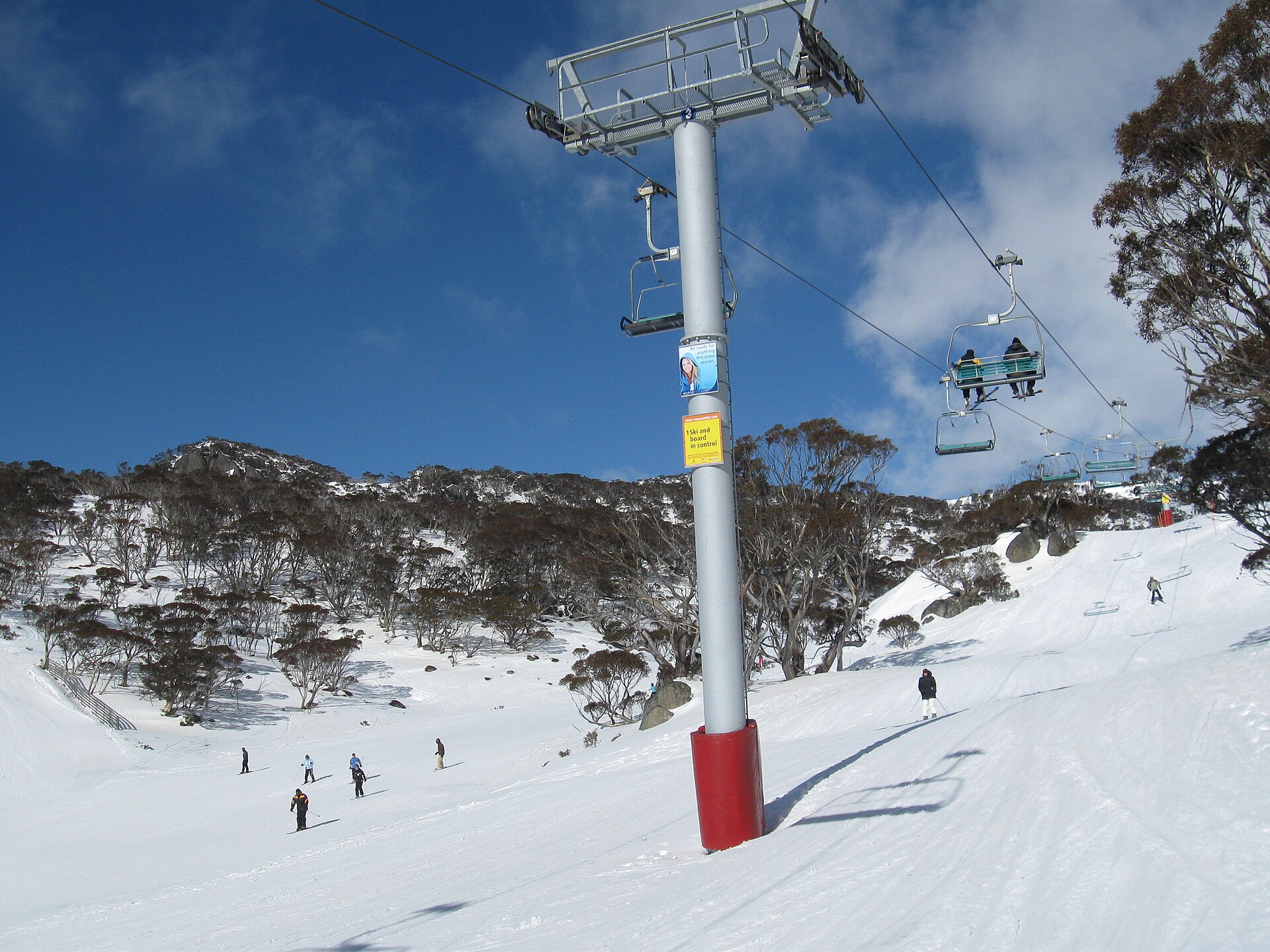
July is the heart of the NSW ski season, and the school holidays are the busiest weeks at Perisher and Thredbo. The resorts are about six hours’ drive south-west of Sydney, beyond Canberra, so this is a trip of several days, not a day out. Snow cover varies wildly from year to year, so check the resorts’ snow reports before you commit, and expect lift tickets and lodging to be at their most expensive in the holidays. If you’re only in Sydney for a week, it isn’t worth the drive; if you’ve got time and have never skied among snow gums, it’s a very Australian experience.
July week by week
| Week | What’s happening | Tip |
|---|---|---|
| 1–4 July | Term 2 ends on Friday 2 July; whales at their peak; NAIDOC Week begins on Sunday 4 July | Last quiet weekdays before the holidays; book a whale cruise |
| 5–11 July | First week of school holidays; NAIDOC Week to the 11th; Yulefest Saturdays in the mountains | Book family attractions online; go to NAIDOC events early |
| 12–18 July | Second week of the holidays, ending Friday 16 July; Christmas in July likely in The Rocks; ice rinks’ last days | Visit the busiest attractions first thing in the morning |
| 19–31 July | Students back on Tuesday 20 July; the city empties out; State of Origin Game 3 possible (date to be confirmed) | The best-value fortnight of the month for hotels |
Crowds in July
July has two quite different halves. For the first fortnight, the school holidays keep the family attractions busy from opening time: expect queues at Taronga’s entrance, a packed Darling Harbour on wet days, and full ferries to Manly on sunny ones. The Blue Mountains are busy at weekends too, particularly on Yulefest Saturdays and on any day with snow in the forecast.
The adult side of Sydney barely notices. Galleries, museums, the Opera House and the restaurants are no busier than usual, and the beaches are almost empty apart from walkers and surfers. Then, from Tuesday 20 July, everything goes quiet. The last ten days of July are among the calmest of the year, with no school holidays, no festivals and no public holidays. You’ll get a table almost anywhere and have the coastal walks largely to yourself.
Prices in July
July sits in Sydney’s low season. With no Vivid to prop up the harbour hotels and no summer beach crowds, room rates across the city are well below their December and January peaks. The school holidays add a bump in the first half of the month, mostly to family rooms, serviced apartments and domestic flights, and Blue Mountains accommodation is priced up on Saturdays through Yulefest. None of that touches the business hotels in the CBD much.
It’s worth remembering whose summer holiday July is. For visitors from Europe and North America it’s peak travel season, so long-haul fares into Sydney don’t drop the way hotel rates do. If you’re flying in from the northern hemisphere, the saving tends to come on the ground, not in the air. The best value window is the last ten days of the month. For how July compares with the rest of the year, see our guide to the cheapest time to visit Sydney.
Three July days, planned
Whales in the morning, The Rocks by night
Take a morning whale-watching cruise, when the sea is usually calmer, or do it for free: catch the ferry to Manly and walk up to the North Head lookouts, where you can watch for spouts with the whole harbour mouth below you. Have fish and chips out of the wind, then ferry back to Circular Quay as the light goes. In the second week of the school holidays, when Christmas in July is usually on, walk through the winter village in The Rocks with a mulled wine, then have dinner in one of the old pubs nearby.
Cold and clear in the Blue Mountains
On a clear day, catch an early train from Central to Katoomba, about two hours on Opal. Our Blue Mountains train guide covers timings and where to sit. Winter air is often at its clearest in the morning, so head straight to Echo Point for the Three Sisters, then walk part of the cliff-top track while the sun is on the valley. Have a long lunch by an open fire in Leura or Blackheath, and be back on the train before dark, which comes early up there. If it’s a Saturday, stay for a Yulefest dinner and a night in the mountains; our guide to where to stay in the Blue Mountains compares the towns.
A wet, windy day indoors
If the weather turns, Sydney’s best indoor day is almost entirely free. Start at the Art Gallery of NSW, whose collections are free to see across both buildings (our art galleries guide has more), then walk through the Domain to the Hyde Park Barracks for the convict story and on to the Australian Museum, which has free general entry. As it gets dark, head down to Haymarket for a steaming bowl of ramen, pho or hot pot, which is exactly what July in Sydney calls for. Our Chinatown food guide tells you where. In July, the Art Gallery of NSW is usually also showing the Archibald, Wynne and Sulman Prizes, Australia’s best-known art prizes; in 2026 the exhibition ran from 9 May to 16 August, with adult tickets at A$30 and free entry for under-12s, and it’s worth the ticket if you like portraits.
July with kids
If you have children, July cuts both ways. The first half is the local school holidays, which means crowds, but it also means every museum, gallery and zoo is running its best programme of the year, from holiday workshops at the Australian Museum to keeper talks at Taronga. Book timed tickets online, go early, and do the most popular thing first. The ice rinks and the Rocks winter village go down well with younger children; a whale cruise suits older ones better, since a big winter swell outside the Heads can be hard going for small stomachs. If you can travel in the last ten days of July instead, you’ll have the same attractions with a fraction of the queues. Our guide to Sydney with kids has the full list of family favourites.
Day trips in July
Winter suits day trips that don’t depend on beach weather. The Blue Mountains are the obvious one, cold and clear, with Yulefest menus and the occasional snow day. The whale cruises out of Port Stephens and Jervis Bay are at their best, and both have dolphins in their bays all year as a back-up. The Hunter Valley is quiet after the vintage and its cellar doors are cosy in winter. Canberra makes a good long day or an overnight, with the free national institutions to fill the short days, though be warned that it’s properly cold there, with frosty nights below freezing. Whatever you choose, leave early; with the sun down around 5pm, the drive home is in the dark.
What to pack for July
Pack for a cold snap, not a tropical winter. A warm, windproof jacket matters more than anything else, because the wind is what makes Sydney’s winter uncomfortable. Add jumpers or fleeces for layering, long trousers, closed shoes that can handle a wet coastal track, and a beanie, scarf and gloves for whale cruises, evenings by the water and the Blue Mountains. A compact umbrella or waterproof covers the rain. Sunglasses and sunscreen still earn their place, since the winter sun is low and bright and the UV can still burn on a long walk. Bring swimmers only if you’re serious about an ocean-pool dip. Our packing guide has the full list.
Is July a good time to visit Sydney?
Yes, if you like crisp weather, whales and value. July gives you the peak of the humpback migration, long runs of sunny days for walking, NAIDOC Week, a festive midwinter in the Blue Mountains and, after the school holidays, one of the quietest and cheapest fortnights of the year. It’s also the natural month for northern-hemisphere visitors to come, since it lines up with their summer break.
Skip July if you’re picturing Sydney as a beach city. The sea is at its coldest, the days are short, the evenings are genuinely chilly, and the first half of the month is busy with school holidays. If you want mild walking weather without the cold, April and May are better bets; for swimming weather, come between December and March. Our best time to visit Sydney guide compares all twelve months.
Sydney in July FAQ
What is the weather like in Sydney in July?
Cool, dry and often sunny. Average highs are about 17°C and lows about 8°C in the city, with colder nights in the western suburbs and the Blue Mountains. July averages around 95 mm of rain, and cold westerly winds are the main thing to dress for.
Is July the coldest month in Sydney?
Yes, by a small margin. Its average low of about 8°C is a degree below June and August, and the sea is at its coldest, around 16°C.
Does it snow in Sydney in July?
No. Snow hasn’t settled in the city in modern times. The upper Blue Mountains, about two hours away by train, get a light fall every few winters, usually in July or August, but it rarely lasts long.
When are the NSW school holidays in July 2027?
From Monday 5 to Friday 16 July 2027, with students back at school on Tuesday 20 July. Expect family attractions to be busy throughout.
Is July a good month for whale watching in Sydney?
It’s one of the two best, along with June. The northern humpback migration peaks in June and July. Cruises cost roughly A$80 to A$150 per adult, and the headlands at Cape Solander, North Head and Watsons Bay are free.
Can you swim in Sydney in July?
Only if you’re hardy. The sea is around 16°C, so most swimmers are in wetsuits or at the ocean pools, where a sunny midday is the least painful time to try.
Is Sydney expensive in July?
Not by Sydney standards. Hotel rates are low-season, with a bump for family rooms in the school holidays. The last ten days of July are the cheapest part of the month.
What is Christmas in July?
A midwinter version of a northern-hemisphere Christmas, with roast dinners, mulled wine and open fires. The Blue Mountains celebrate it as Yulefest all month, and The Rocks has run a Christmas in July winter village during the school holidays in recent years.
Stay on into August and the city changes character again: the school holidays are over, the westerlies blow the sky clean, and hotel rates usually hit their low for the year. Our Sydney in August guide covers City2Surf, the Sydney Marathon, the cherry blossom in Auburn and the quietest weeks on the calendar.
Related Sydney guides
- Best time to visit Sydney: all twelve months compared.
- Sydney in winter: the whole season, June to August.
- Sydney in June: Vivid, the solstice and the month before.
- Whale watching in Sydney: cruises, lookouts and timing.
- Sydney school holiday activities: what’s worth booking.
- Blue Mountains seasons: winter, Yulefest and snow.
- Sydney weather by month: the averages, all year.
- What to pack for Sydney: winter layers and the rest.
Photo Credits
Fog over Sydney Harbour, the Opera House and the Harbour Bridge: Sydney Harbour Fog – panoramio by David Edwards, CC BY 3.0, via Wikimedia Commons.
Snow in the Blue Mountains, July 1987: Snow at Council Chambers, July 1987 by Blue Mountains Library, Local Studies, CC BY-SA 2.0, via Wikimedia Commons.
Humpback whale breaching: Humpback breaching – Flickr – PaulBalfe by Paul Balfe, CC BY 2.0, via Wikimedia Commons.
Chairlift at Perisher: Australia perisher pleasant valley by User: (WT-shared) Inas at wts wikivoyage, Public domain, via Wikimedia Commons.
Bondi Icebergs pool: photograph from the site library, via Pexels.