Sydney Chinatown Food Guide 2026: Yum Cha, Food Courts & Markets
Sydney Chinatown food guide 2026: best yum cha, food courts, Friday night markets, late-night Cantonese feasts and the Spice Alley alternative in Chippendale.

Sydney’s Chinatown sits in Haymarket on the southern edge of the CBD — a tight grid of pedestrianised laneways, food courts, yum cha palaces, regional Chinese restaurants, Vietnamese pho joints, Malaysian hawkers, Japanese ramen shops and Korean BBQ houses. Established in the 1920s and now anchored by Dixon Street’s iconic gateways, Chinatown is the food capital of Sydney for hawker-style and regional Asian cuisine. This complete Sydney Chinatown food guide covers must-try dishes, the best yum cha, hidden food courts, Friday night markets, and how to plan a half-day or full-day eating itinerary across Dixon Street, Sussex Street and the Spice Alley alternative in Chippendale.
Sydney Chinatown food at a glance
| Detail | Information |
|---|---|
| Location | Haymarket, southern CBD |
| Heart of Chinatown | Dixon Street pedestrian mall |
| Closest train | Central Station, Town Hall |
| Closest light rail | Central, Capitol Square |
| Average meal cost | AU$15–35 (Chinatown), AU$15–25 (Spice Alley) |
| Most-loved dishes | Yum cha, hand-pulled noodles, soup dumplings, Cantonese roast meats, hot pot |
| Best food courts | Eating World, Sussex Centre, Dixon House |
| Night markets | Friday 5pm–10pm Dixon Street |
| Spice Alley alternative | 10 min walk in Chippendale (Kensington Street) |
About Sydney Chinatown
Sydney’s Chinatown has existed since the 1920s, originally established by Chinese immigrants drawn to the gold rushes who later settled the Haymarket area. The neighbourhood sits between Central Station, Darling Harbour and Town Hall, with the pedestrianised Dixon Street as its central spine. The iconic Chinese paifang (decorative gateways) at the northern and southern ends of Dixon Street were erected in 1980.
Today the area extends beyond strictly Chinese cuisine to include Vietnamese, Malaysian, Singaporean, Indonesian, Korean, Japanese and Thai food — making it Sydney’s premier hawker-style eating district.
Best yum cha in Sydney Chinatown
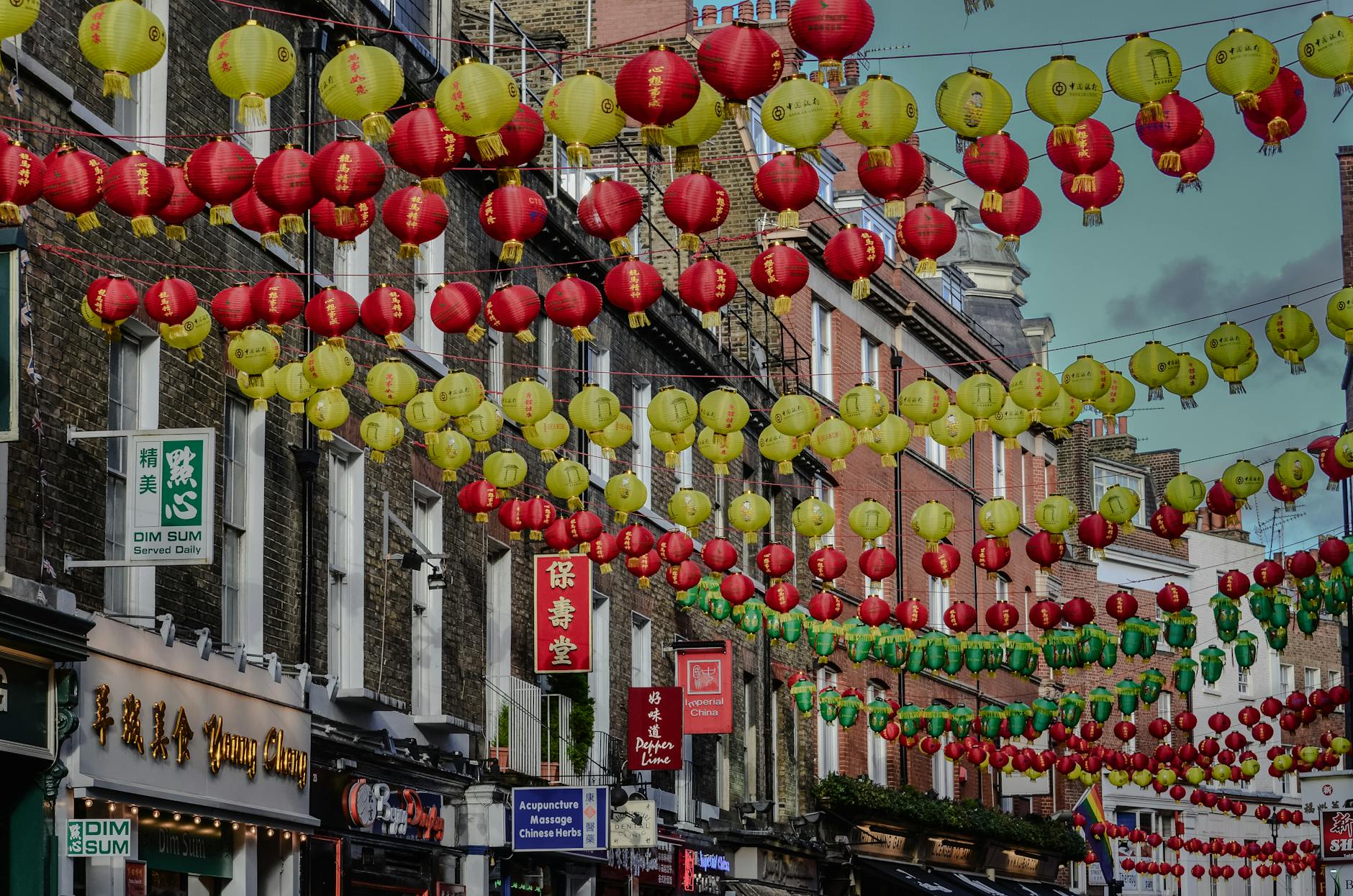
Yum cha (Cantonese dim sum) is Chinatown’s signature meal. The classic experience involves a roving trolley of bamboo steamers stacked with steamed and fried dumplings; you select what you want as the trolley passes. Top yum cha venues:
The Eight
Modern Chinese restaurant inside Market City. The Eight serves yum cha daily 10am–3pm with a la carte and trolley options. Polished setting, business-lunch favourite.
Royal Place Seafood Restaurant
Traditional yum cha experience. Royal Place still runs the heritage trolley service across its carpeted floors until 3pm daily. Cantonese family menu after yum cha hours.
Emperor’s Garden
Famous for Asian-style roast meats and dumplings. Emperor’s Garden serves yum cha plus the best Cantonese roast pork and crispy-skin chicken in Chinatown.
Marigold Citymark
Modern Chinese in a heritage building with a slightly more upscale yum cha experience. Marigold Citymark on George Street is a Sydney institution since the 1980s.
Mr. Wong (CBD, just outside Chinatown)
The upscale Cantonese yum cha pick. Mr. Wong in a laneway off Bridge Street is one of Sydney’s most-photographed restaurants — modern Chinese with hatted yum cha.
Bodhi (vegan)
Vegan yum cha by Hyde Park. Bodhi is the dedicated vegan Chinese restaurant for plant-based yum cha.
Must-try dishes in Chinatown
- Xiao long bao (soup dumplings) — Nanjing Dumpling, Din Tai Fung (Westfield Sydney)
- Hand-pulled noodles — Chinese Noodle Restaurant in Eating World; the chef demonstrates the noodle-stretching at the open kitchen
- Salt and pepper squid — Universal Chinese
- Mapo tofu — Sichuan classic at Chong Qing Hot Pot
- Peking duck — Golden Century (the late-night Cantonese seafood specialist), Mr. Wong
- Char siu (Cantonese roast pork) — Emperor’s Garden
- Pho (Vietnamese) — Pho Pasteur, Pho Bac
- Banh mi (Vietnamese) — Marrickville Pork Roll has the best in Sydney but Banh Mi Inn in Chinatown is the closest
- Ramen — Ippudo, Gumshara Ramen (famous tonkotsu)
- Hokkien mee (Malaysian) — Mamak (5 min walk in Haymarket)
- Korean BBQ — Bull and Hwang (sister restaurant of Mr. Wong’s group)
- Hot pot — Chongqing Hot Pot, Spicy Joint Hotpot, Chongqing Liuyishou Hot Pot
- Bubble tea — Multiple chains; Chatime, Cha Time Plus
- Sweet dragon beard candy — Friday night markets only
Best Chinatown food courts
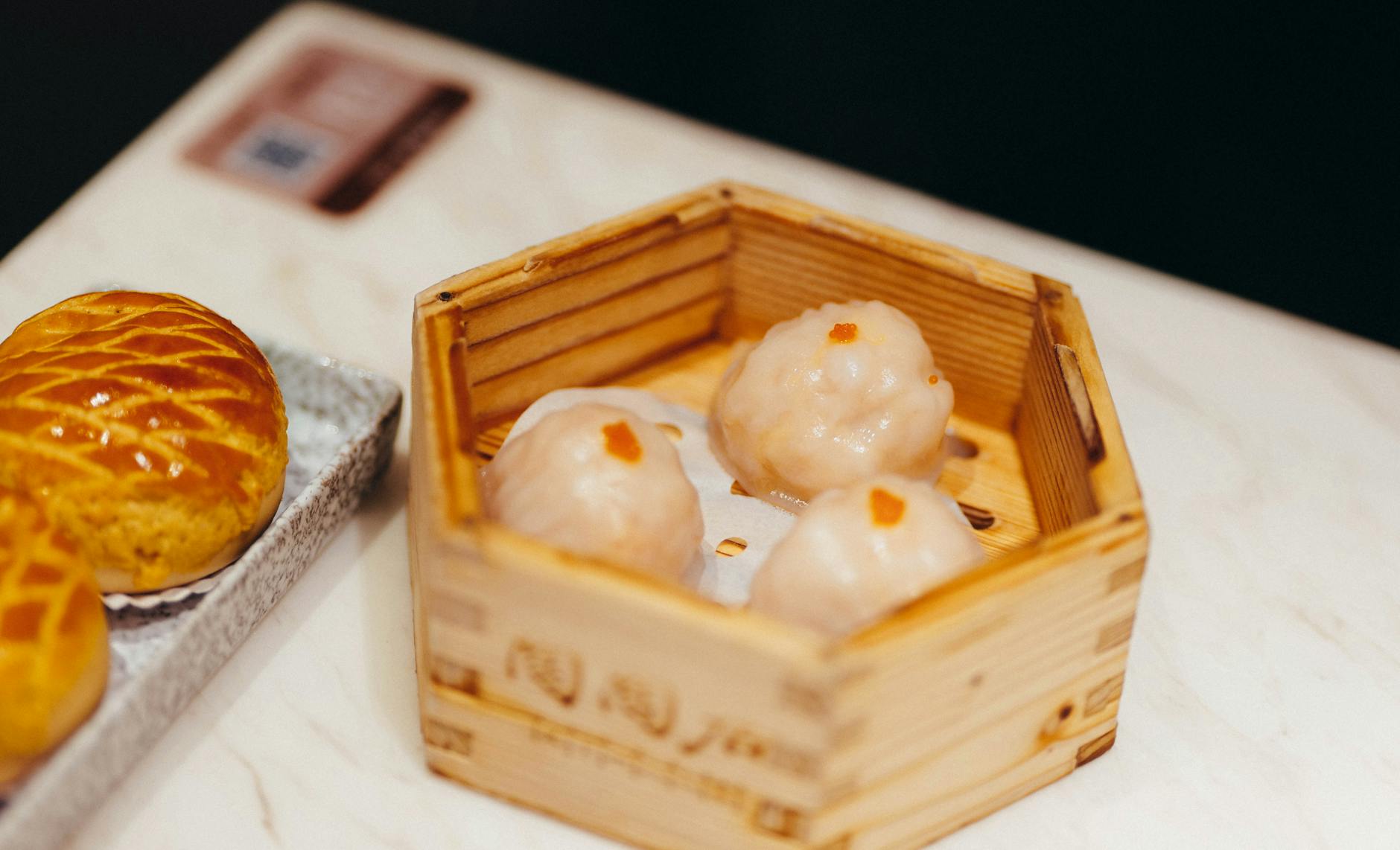
The food courts inside Chinatown’s department-store and mall buildings serve some of the best-value Asian food in Sydney — most dishes AU$12–18.
Eating World (Dixon Street)
The most famous Chinatown food court. Eating World on Dixon Street has 20+ stalls including the famous Chinese Noodle Restaurant (hand-pulled noodles), Bahn Cuon (Vietnamese rolls), Lao Wei Dao (Sichuan), Beijing Roast Duck, and the iconic Universal Chinese.
Sussex Centre Food Court
The locals’ favourite. Sussex Centre on Sussex Street has 30+ stalls covering Singaporean laksa, Korean fried chicken, Japanese curry, Vietnamese pho, Thai noodle bars and Chinese regional cuisines. Open 11am–9pm.
Dixon House Food Court
Smaller but excellent. Dixon House has the famous Hong Ha Beef Ball noodles, Korean fried rice and Chinese Islamic dishes.
Market City Food Court (above Paddy’s Markets)
Large multi-cuisine food court above the Paddy’s Markets shopping centre. Good for groups with varied tastes.
The Galeries Food Court (Town Hall)
Just north of Chinatown at Town Hall. Smaller but high-quality Japanese, Korean and modern Chinese.
Spice Alley (Chippendale)
An alternative to Chinatown’s food courts. Spice Alley in Kensington Street, Chippendale (10 minutes’ walk from Chinatown) is a car-free heritage laneway transformed into an open-air hawker-style food court. The 8–10 rotating stalls serve Singaporean, Japanese, Chinese, Thai, Korean and Indonesian dishes for AU$15–25. Cashless; outdoor seating; busy at lunch. Best after 7pm.
Sydney Chinatown Friday Night Market
Every Friday from 5pm to 10pm, Dixon Street is closed to traffic and transformed into a 40+ stall street market. Highlights include:
- Hong Kong-style yum cha
- Teppanyaki and takoyaki
- Vietnamese banh mi and pho
- Japanese mochi
- Thai laksa and pad thai
- Sweet dragon beard candy (made fresh on the spot)
- Bubble tea and Hong Kong egg waffles
- Korean fried chicken and tornado potatoes
- Sake, baijiu and beer pop-ups
Most dishes AU$8–20. Cash and contactless cards accepted. Family-friendly atmosphere with live cultural performances.
Hot pot in Chinatown
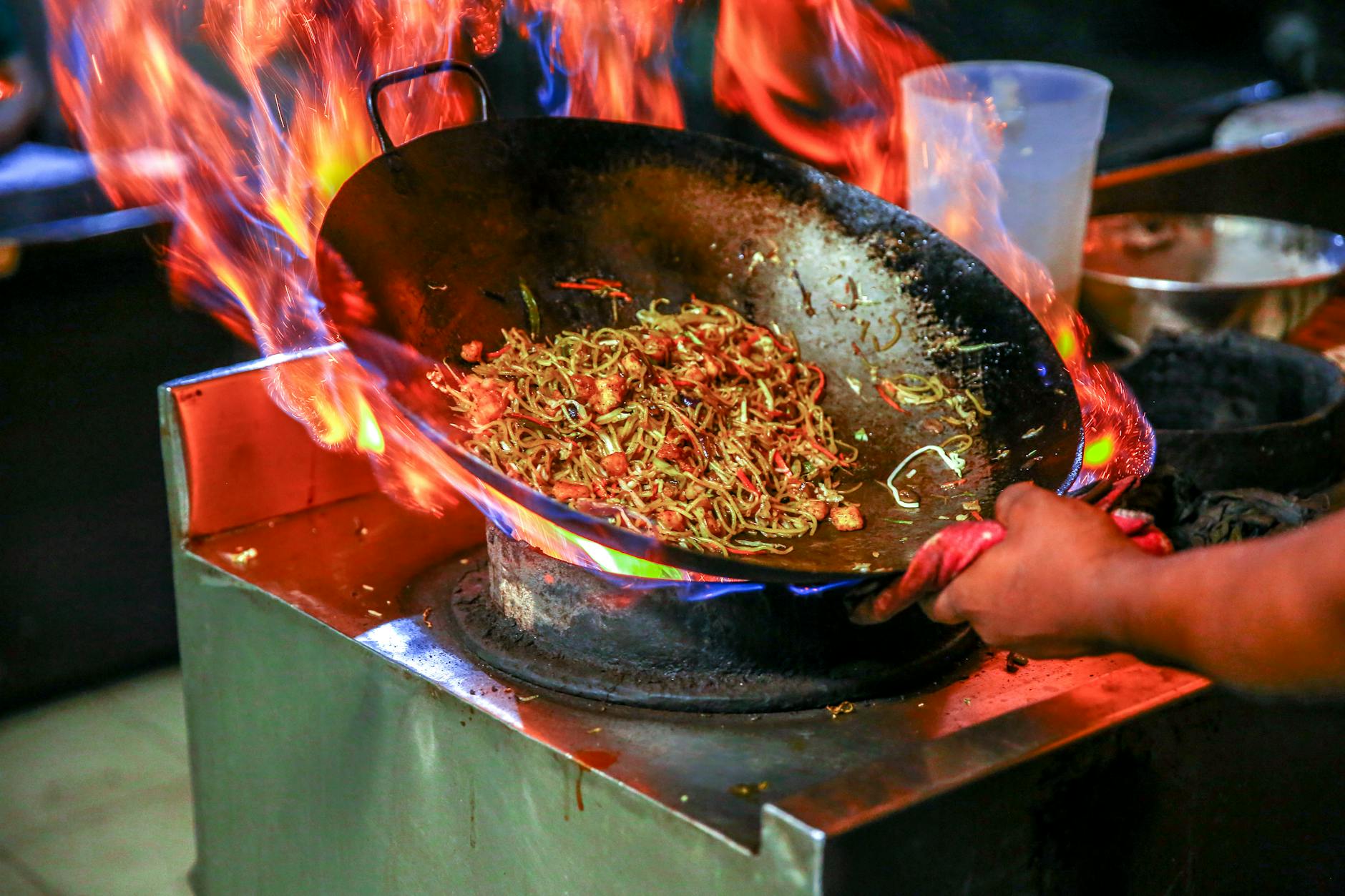
Hot pot is one of Chinatown’s biggest food trends. Top spots:
- Chongqing Hot Pot — Spicy Sichuan style, multiple branches
- Spicy Joint Hotpot — Modern multi-broth setup
- Chongqing Liuyishou Hot Pot — Sichuan migration original
- Little Sheep Hot Pot — Mongolian lamb-broth style
- Da Long Yi Hot Pot — Lo Yi cooking school style; very popular with locals
Average AU$45–80 per person depending on protein selection.
Late-night Chinatown food
Chinatown has Sydney’s most reliable late-night eating scene — many restaurants open until 1–2am:
- Golden Century — Late-night Cantonese seafood until 4am; the city’s most-loved post-show feed
- BBQ King — Cantonese roast meats until 2am
- Mamak — Late-night roti and Malaysian until 2am Fri/Sat
- Gumshara Ramen — Tonkotsu ramen until midnight
- Bull and Hwang — Korean BBQ until midnight
- Mr. Wong — Upmarket Cantonese until midnight
Sample Chinatown food crawl
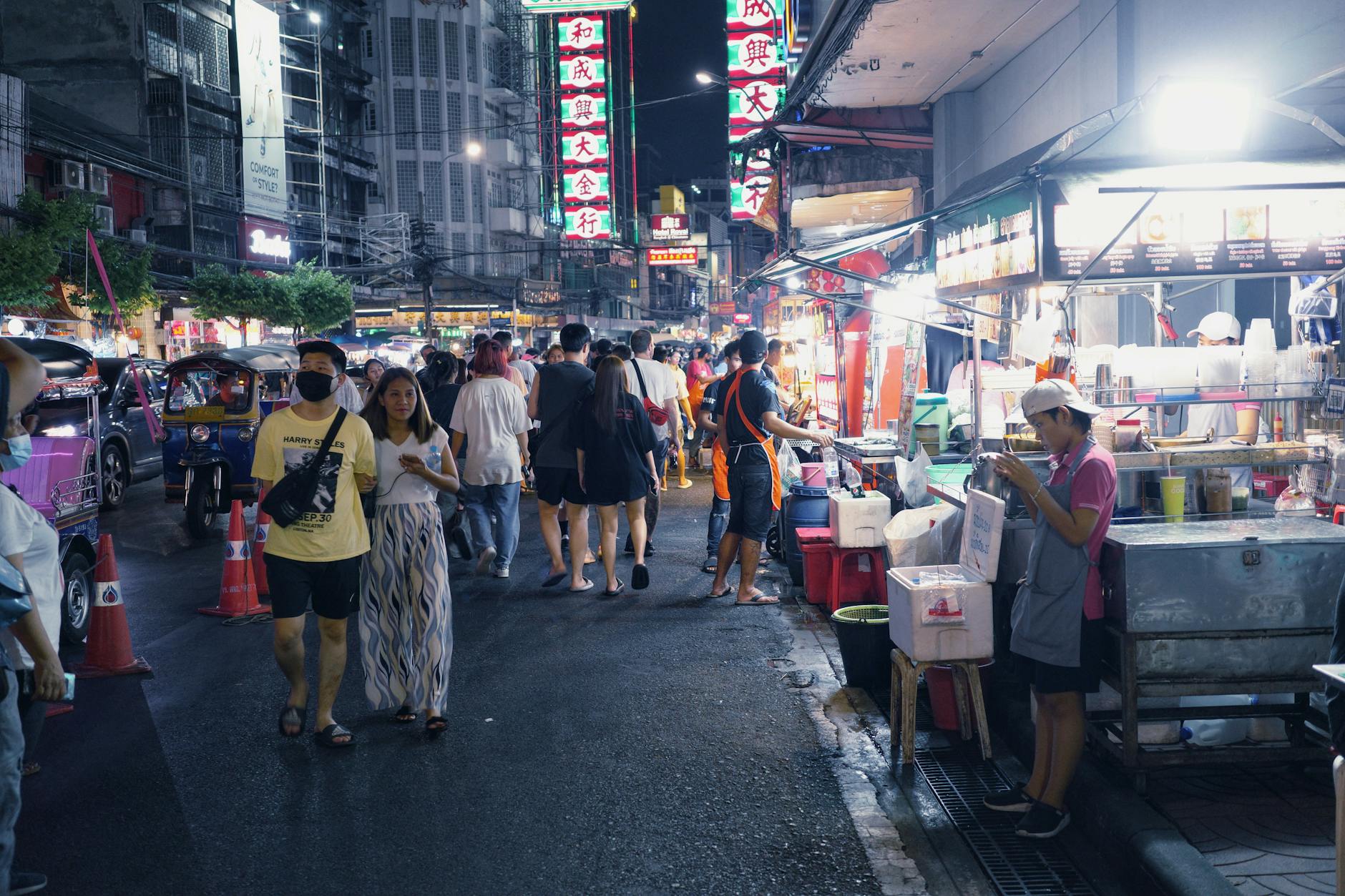
Half-day food crawl:
11am: Yum cha at The Eight or Royal Place Seafood (1.5 hours).
1pm: Walk Dixon Street; stop for hand-pulled noodles at Chinese Noodle Restaurant inside Eating World.
2pm: Bubble tea from Chatime.
3pm: Spice Alley (10 min walk) for a snack — Singaporean laksa or Korean fried chicken.
4:30pm: Walk back to Chinatown; coffee or Hong Kong egg waffle.
Friday night crawl:
6pm: Dixon Street Night Market opens — start with a Hong Kong yum cha bun.
7pm: Pho Pasteur for a hot bowl of Vietnamese pho.
8pm: Korean fried chicken at Sussex Centre or the night market.
9pm: Sweet dragon beard candy from the night market.
10pm: Late-night cocktails at Lobo Plantation (Cuban basement bar 5 min walk away).
How to get to Chinatown
- Train: Central Station (3 min walk) or Town Hall (8 min walk)
- Light rail: Capitol Square stop on the L2/L3
- Bus: Most CBD buses stop near Town Hall or Central
- Walking: 10 min from Town Hall; 15 min from Darling Harbour
- Driving: Multiple paid car parks (AU$5–8/hour); Westfield Sydney parking is the closest
- From Sydney Airport: Direct T8 train to Central (13 min)
Chinatown beyond food
Beyond eating, Chinatown has several non-food highlights:
- Paddy’s Markets (Haymarket) — Hundreds of stalls open Wed–Sun; souvenirs, fresh produce, Asian groceries
- Chinatown Friday Night Market — As described above
- Chinatown Gateways — The heritage paifang at the north and south ends of Dixon Street
- Chinese Garden of Friendship (Darling Harbour) — 10 min walk; classical Chinese garden AU$12 entry
- Capitol Theatre — Heritage theatre at the southern end of Chinatown hosting major musicals
- The Golden Spirit Brewery — Chinatown’s newest specialty craft beer venue
- Confucius Temple — Cultural events and Lunar New Year celebrations
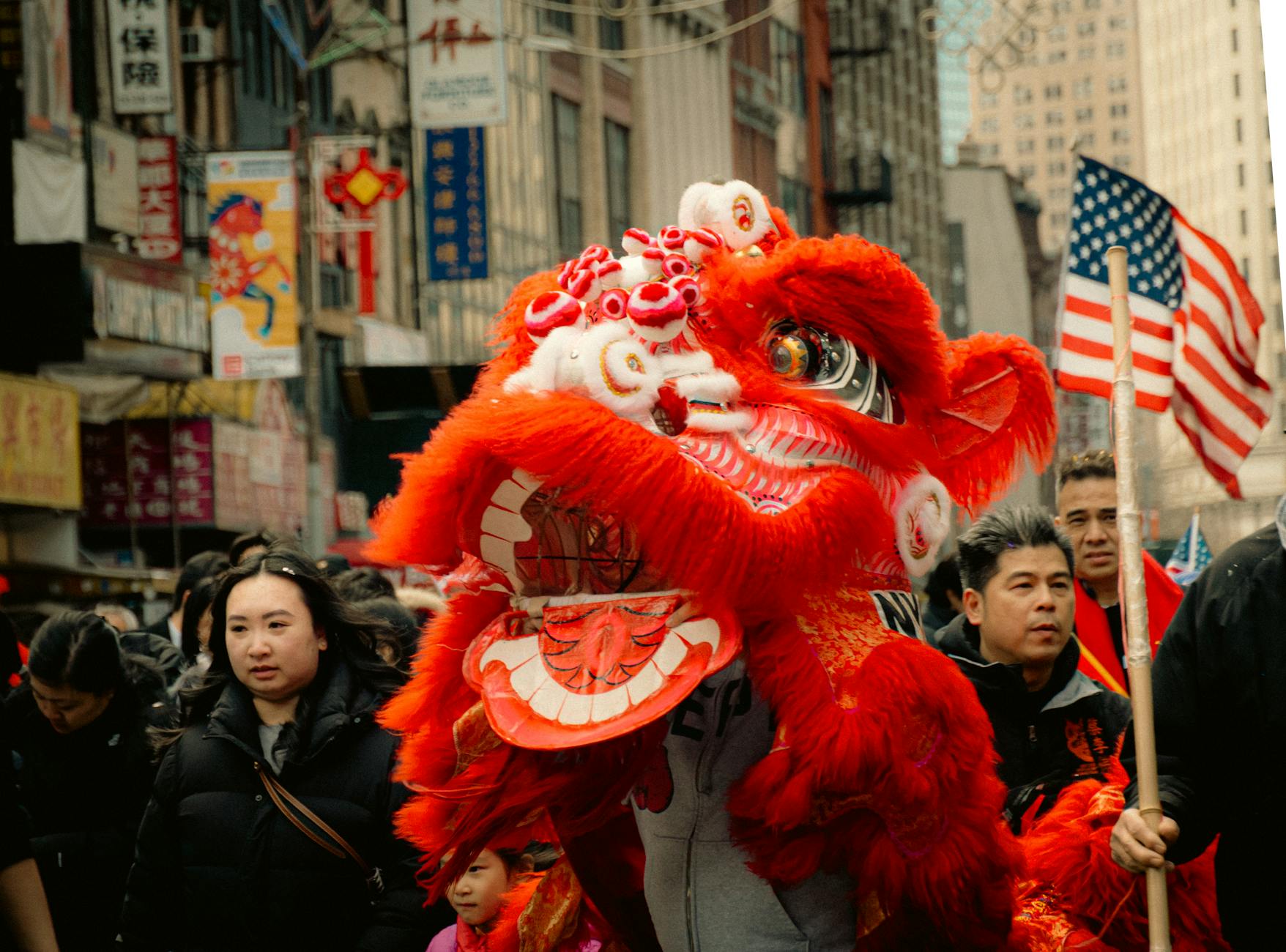
Sydney Chinatown Lunar New Year
Sydney has the largest Lunar New Year celebrations outside Asia. Each February, Sydney Lunar New Year Festival takes over Chinatown with lion dances, dragon parades, lantern installations on Dixon Street, and a programme of free public events. The Sydney Festival typically extends programming into Chinatown during the period.
Cultural notes when eating in Chinatown
- Yum cha trolley service can move quickly — flag the next item before the trolley passes
- Tea is included at most yum cha restaurants; ask for refills
- Chopsticks etiquette: Don’t stick chopsticks vertically in rice (resembles funeral incense); don’t pass food chopsticks to chopsticks
- Spices in regional Chinese: Sichuan dishes can be very spicy — ask “ma la” for spice level
- Cash discounts: Some smaller restaurants offer 5–10% off for cash payments
- Tipping not expected in Chinatown
- Group dining: Most restaurants take walk-ins; book ahead for larger groups
- Halal options: Several restaurants are halal-certified; ask staff or check signage
Frequently asked questions
Where is Sydney’s Chinatown?
Sydney’s Chinatown is in Haymarket, the southern edge of the CBD. Dixon Street (a pedestrianised laneway) is the central spine. The neighbourhood is bounded by Central Station to the south, Darling Harbour to the west, and Town Hall to the north — 3 minutes from Central Station and 8 minutes from Town Hall.
What’s the best yum cha in Sydney’s Chinatown?
The Eight (Market City), Royal Place Seafood, Emperor’s Garden and Marigold Citymark are the most-cited Chinatown yum cha venues. Mr. Wong (just outside Chinatown in the CBD laneways) is the upscale hatted alternative. Bodhi (by Hyde Park) is the vegan option.
How much does Chinatown food cost?
2026 prices: food court dishes AU$12–18; sit-down restaurant mains AU$22–35; yum cha AU$30–55 per person; hot pot AU$45–80 per person; late-night Cantonese (Golden Century) AU$50–80 per person. Spice Alley plates AU$15–25.
When is the Chinatown Night Market?
Every Friday from 5pm to 10pm, Dixon Street is closed to traffic and transformed into a 40+ stall street market with Asian street food from across the region. Family-friendly atmosphere with live cultural performances.
What’s the best food in Sydney’s Chinatown?
Yum cha is the signature meal. Beyond that, must-tries include hand-pulled noodles (Chinese Noodle Restaurant inside Eating World), soup dumplings (Nanjing Dumpling), Peking duck (Golden Century, Mr. Wong), Sichuan hot pot, Vietnamese pho, and Malaysian roti/laksa.
Is Chinatown’s food affordable?
Yes — Chinatown is Sydney’s best-value eating district. Food court meals AU$12–18; sit-down restaurant mains AU$22–35; Spice Alley plates AU$15–25; the Friday Night Market dishes from AU$8.
Is there a Korean BBQ in Chinatown?
Yes — Bull and Hwang (the Mr. Wong group’s Korean concept), Da Sa Rang and several smaller Korean BBQ houses operate in and around Chinatown. Average AU$45–80 per person for all-you-can-eat options.
Plan more of your Sydney trip
For more on Sydney food, see our deep dives on the best restaurants in Sydney, the best cafes in Sydney, the best brunch in Sydney, Sydney Fish Market, Sydney food tours, cheap eats in Sydney, and our overall top things to do in Sydney, Sydney with kids, and the Sydney transport guide.
Helpful resources for planning your Sydney trip
For the very latest information on opening hours, ticketing and transport, the following official resources are kept up to date:
- Sydney.com Chinatown
- Chinatown Markets
- Paddy’s Markets
- Sydney Lunar New Year
- Tourism Australia Chinatown
- City of Sydney Heritage
Related Sydney guides
More on eating and drinking in Sydney: