Where to Stay in the Blue Mountains
Katoomba, Leura, Blackheath or a cliff-edge hotel? The Blue Mountains towns compared on price, transport and atmosphere, with the stays that stand out.
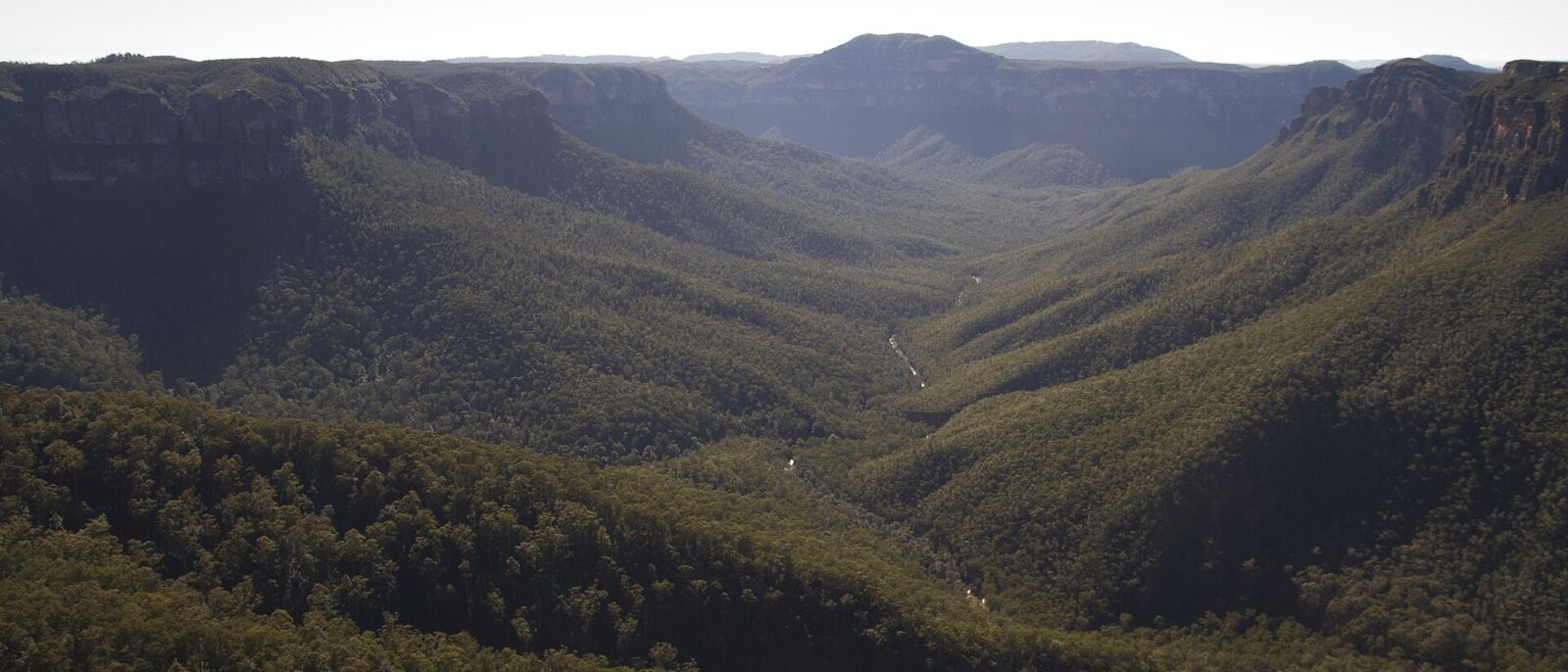
The first night you spend in the Blue Mountains, something odd happens around five o’clock. The day-trippers drain back down the highway, the car parks at Echo Point empty out, the temperature drops a good ten degrees below whatever Sydney is doing, and the valley turns a deep, smoky blue that you simply never see from a tour bus. Figuring out where to stay in the Blue Mountains is really a choice about which of those evenings you want: a lit-up guesthouse on Katoomba Street, a quiet cottage with a wood fire in Blackheath, or a room hanging off the edge of a cliff.
This guide walks through the towns worth basing yourself in, what each costs, the properties that stand out, and a few traps that catch first-time visitors. Prices were checked in September 2026 across the booking sites and hotels’ own pages. Mountain rates swing wildly between a Tuesday in March and a Saturday in July, so treat them as the right order of magnitude.
Where to stay in the Blue Mountains: the short answer
| Town | Best for | Typical double, per night | Train from Central | Walk to a major lookout? |
|---|---|---|---|---|
| Katoomba | First visits, no car, budget | About A$80 (hostel) to A$450+ | About 2 hours | Yes: Echo Point, 20 min |
| Leura | Couples, cafés, gardens | About A$180–550 | About 1 hr 55 min | Yes, but further |
| Blackheath | Walkers, food, quiet | About A$180–400 | About 2 hr 10 min | Yes: Govetts Leap, Evans Lookout |
| Wentworth Falls | Short walks, self-catering | About A$150–350 | About 1 hr 50 min | Yes, about 25 min |
| Medlow Bath | One big splurge | Hydro Majestic rates | Station, little else | Views from your room |
| Lower mountains | Short trips, easy drive | About A$120–300 | About 1 hr 10 min | No; you’ll be driving |
If you only read one line: first-timers without a car should stay in Katoomba, within walking distance of the station. Everyone else should seriously consider Blackheath.
Katoomba: the practical choice
Katoomba is the biggest town, the transport hub, and the only place where you can walk from the train to the Three Sisters, to Scenic World and to a dozen cafés without needing a car or a bus timetable. It is not the prettiest town up here. The main street has a slightly faded, lived-in art deco charm, with op shops, antique dealers and some very good coffee. But it’s easily the most useful base, and it has the widest range of prices. Our Katoomba guide covers the town itself.
Where in Katoomba
- Around Katoomba Street and the station is the choice for convenience: restaurants, the supermarket and the train all a few minutes away. Echo Point is about a 20-minute walk downhill, and the walk back up at the end of the day is noticeable.
- Near Echo Point, along Lilianfels Avenue and the streets behind the lookout, is quieter and closer to the views. It’s the right choice if you want to see the Three Sisters at dawn before the coaches arrive, and the wrong one if you’ll be carrying luggage from the station.
- Near Scenic World and Katoomba Falls, down Cliff Drive, is peaceful but a long uphill walk from anything else. Only book here if you have a car.
Stand-out stays in Katoomba
Ardour Lilianfels Blue Mountains, formerly Lilianfels Resort & Spa, is the mountains’ best-known luxury hotel. It sits on Lilianfels Avenue right beside Echo Point, in two acres of English-style gardens, with Darley’s Restaurant in the original 1889 house, the Èliva spa and a cocktail lounge. Rates on the booking platforms start at around A$330 midweek and climb steeply at weekends. It’s expensive, a bit formal, and in exactly the right spot.
Echoes Boutique Hotel, a few doors down, is smaller and more contemporary. It’s perched on the cliff edge about five minutes’ walk from the Three Sisters, with a restaurant and valley views. Expect roughly A$270–450 depending on the room and night. The view rooms are the point of staying here, so don’t save money by booking one without.
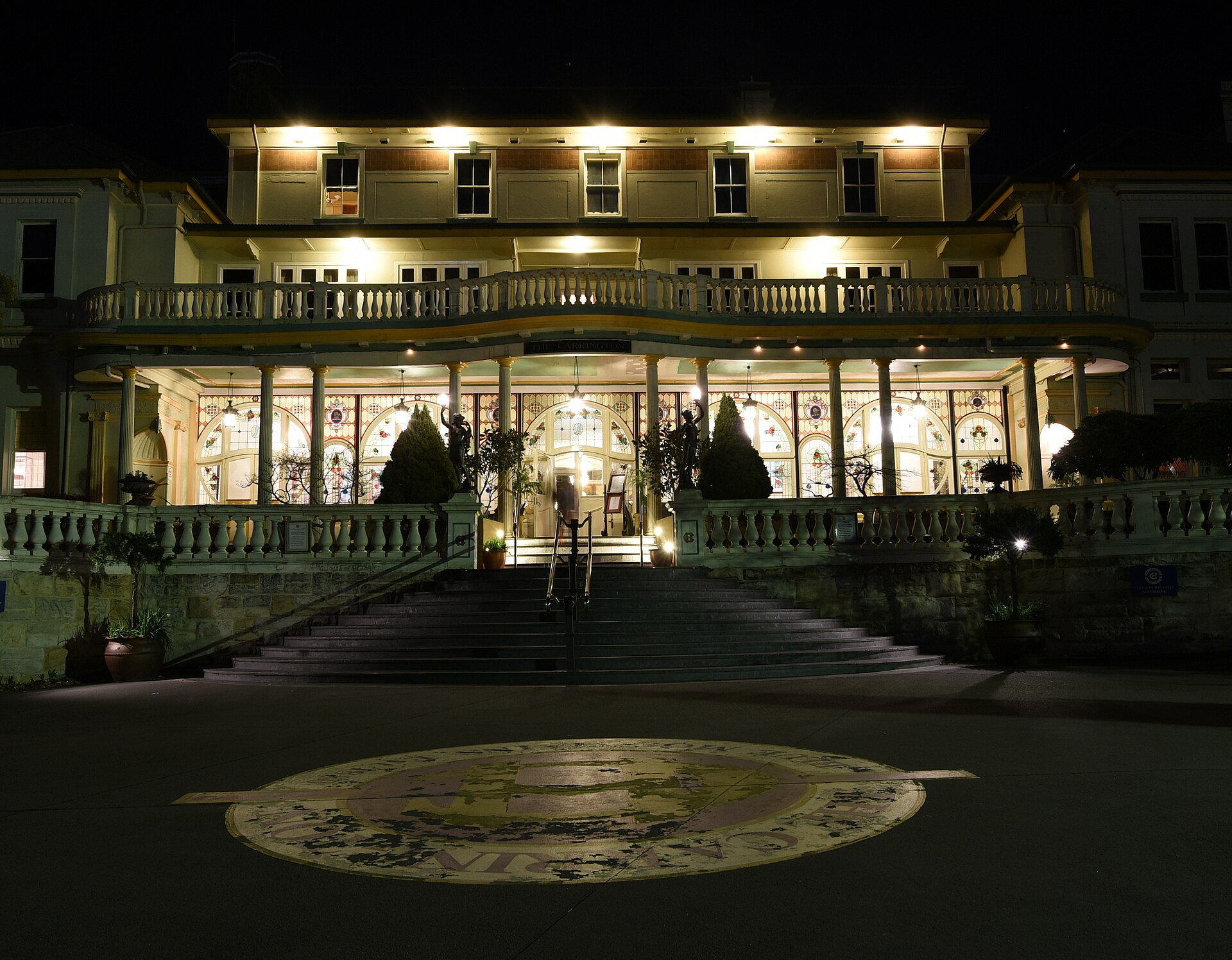
The Carrington Hotel, at the top of Katoomba Street, is a grand Victorian-era hotel with stained glass, a sweeping verandah and a pub. It’s the most atmospheric place in town to stay, and it’s a few minutes from the station. Old hotels come with old-hotel quirks: rooms vary a great deal, some are small, and heritage buildings are rarely quiet or quick to warm up. Read the room description carefully.
YHA Blue Mountains on Katoomba Street is the budget answer, minutes from the station, with dorms, private doubles and family rooms. Average prices on the booking sites sit around A$73–78 a night, with dorm beds cheaper than that. It has big common areas and a kitchen, and it’s popular with walkers, so book ahead for weekends.
Leura: the pretty one
Leura is one stop east of Katoomba, and a world away in feel. The Mall is lined with cherry trees, homewares shops, lolly shops and cafés, and in spring the private gardens around town open for the Leura Gardens Festival. It attracts an older, more affluent crowd and a lot of weekenders from Sydney. Our Leura guide covers the village in detail.
The catch is that Leura’s charm sits on the Mall, and the cliff-top lookouts (Sublime Point, Gordon Falls, the Leura Cascades) are a longer walk south. It’s a lovely base for couples who want to potter, eat well and drive to walks. It’s less convenient for anyone on foot who wants to be at Echo Point at sunrise, although the Prince Henry Cliff Walk links Leura to Katoomba along the escarpment.
Stand-out stays in Leura
Fairmont Resort Blue Mountains, MGallery Collection is the big resort, sitting on the escarpment next to Leura Golf Club, with a spa, pools and plenty of family facilities. Standard rooms show from about A$210 on quiet nights to over A$500 on peak weekends. It’s an older resort that has been refreshed in stages, and reviews still mention dated corners. Book it for the setting and the facilities, not for boutique polish.
Beyond that, Leura’s strength is its guesthouses, B&Bs and self-contained cottages, many of them in 1920s and 1930s houses on quiet leafy streets within walking distance of the Mall. For couples, a cottage with a fireplace is the classic Leura weekend.
Blackheath: the one locals recommend
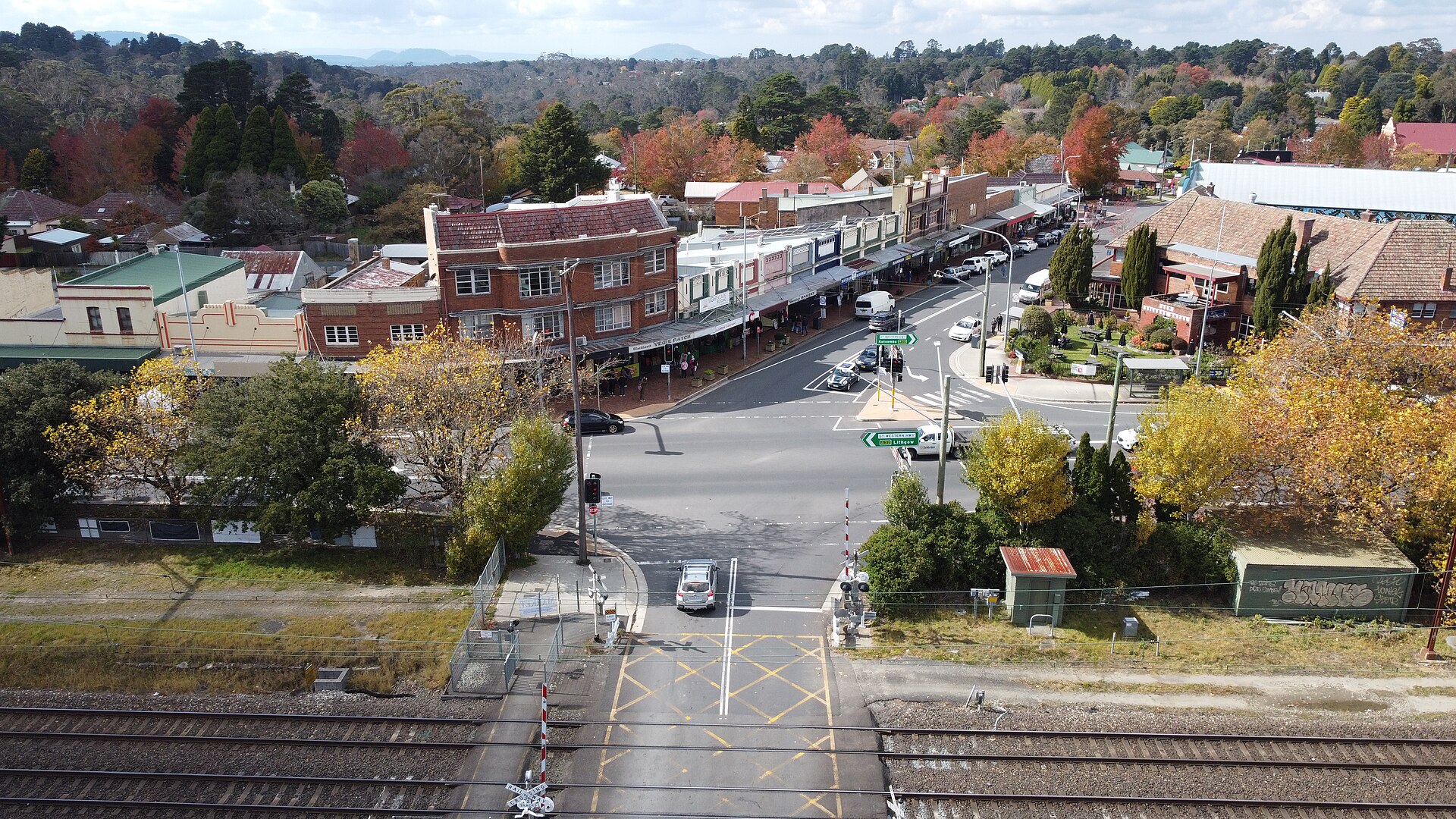
Blackheath is about 11 kilometres past Katoomba and a hundred-odd metres higher, making it the highest town on the main tourist stretch. It’s past the point where most day-trippers turn around. That single fact changes the whole feel of the place: quieter streets, fewer coaches, and a food scene that punches well above the size of the town.
For walkers, Blackheath is easily the best base in the mountains. Govetts Leap and Evans Lookout, the two great views over the Grose Valley, are both within reach of town on foot or a short drive, and so is the Grand Canyon track. Many of the famous Wentworth Falls cliff tracks have been closed, so a Blackheath base also sidesteps most of the closures. Our Blue Mountains walks guide has the current state of every track.
Stand-out stays in Blackheath
Kyah Hotel is the boutique pick, a renovated hotel in the middle of town with an outdoor hot tub, a sauna and gardens, from roughly A$180–210 a night on quieter dates. Rooms are on the compact side, and one or two reviews grumble about dining prices, but the location is hard to beat for the money.
The rest of Blackheath is cottages and cabins, many set in bush blocks on the edge of town, some a short walk from the Grose Valley lookouts. If you want the classic Blue Mountains stay, with a wood heater, gum trees outside the window and no neighbours, this is where to look.
Wentworth Falls: self-catering and short walks
Wentworth Falls is a small village two stops before Katoomba, with a lake, a shopping strip and its famous waterfall about two kilometres south. There are a few B&Bs but most of the accommodation is holiday houses. It suits families and groups who want a kitchen and a garden more than a hotel.
The honest drawback in 2026 is that several of Wentworth Falls’ best walks are closed. The National Pass west of the middle crossing, Wentworth Pass, the Slack Stairs and the lower Valley of the Waters have all been closed, so check the track status before you go. The lookouts and the Charles Darwin Walk are still open. Read our Wentworth Falls guide before booking a stay here specifically for the walking.
Medlow Bath: the Hydro Majestic
Medlow Bath is barely a village. It’s a station, a few houses, and the Hydro Majestic, the long white Edwardian hotel that stretches more than a kilometre along the cliff edge above the Megalong Valley. Retail magnate Mark Foy opened it in the early 1900s as a health retreat, and it has been restored into a hotel with restaurants, a famous high tea and some of the best valley views of any room in the mountains.
Rates move a lot, and the cheapest rooms don’t have the view. Pay for a valley-view room or don’t bother. It’s worth knowing that there is almost nothing else within walking distance, so you’ll be eating at the hotel or driving. If you like the building but not the price, book the high tea or a drink on the terrace and stay somewhere else.
The lower mountains: Glenbrook, Springwood and around
The lower mountains, from Glenbrook up to around Hazelbrook, are really outer-suburban towns in bushland. They’re closer to Sydney (about an hour and ten minutes by train to Glenbrook), cheaper, and warmer in winter. The Glenbrook entrance to the national park has some good short walks and swimming holes.
What they’re not is a base for the Three Sisters, Scenic World or the upper-mountains lookouts, which are a 40- to 50-minute drive away. Stay here if you’re visiting friends, want a cheap bed for a single night, or are driving on to somewhere else. Don’t stay here for a first visit.
Staying in the valleys: Megalong and Kanimbla
Below the cliffs west of Blackheath and Medlow Bath, the Megalong and Kanimbla Valleys have scattered farm stays, cabins and glamping sites. They’re spectacular, remote and very dark at night. Many have steep, winding access roads, some unsealed. They are not a good choice for a first visit without a car or for anyone nervous on mountain roads, and they sit a long way from restaurants. For a second trip, they’re some of the most memorable places to sleep in New South Wales.
Prices by season
| Period | What happens to rates | Why |
|---|---|---|
| June–August weekends | Highest of the year | Yulefest “Christmas in July”, log fires, the chance of snow |
| Easter, Christmas–January, school holidays | High, with minimum stays | Sydney families escaping the heat or the city |
| March–May, September–November weekends | High on Saturdays, fair midweek | Autumn colour and the spring gardens |
| Midweek outside holidays | Lowest, sometimes half weekend rates | Few visitors from Sydney |
The single best money-saving move is to shift a weekend stay to Sunday–Tuesday. A Saturday night in July at a sought-after cottage can cost twice what the same place charges on a Monday in April. Many properties insist on a two-night minimum at weekends, and some insist on three over long weekends.
Traps to avoid
“Blue Mountains” can mean almost anywhere
The Blue Mountains local government area runs from the edge of Sydney’s western suburbs to past Blackheath, and booking sites use the label loosely. A “Blue Mountains retreat” in Glenbrook is a 50-minute drive from the Three Sisters. Always check the actual suburb on a map.
Old buildings are cold buildings
Katoomba sits around 1,000 metres above sea level, and winter nights regularly drop close to or below freezing. Plenty of the charming heritage guesthouses have high ceilings, draughty windows and heating that’s fine rather than generous. If you’re coming in winter, look for reviews that mention the heating, and pack a proper jumper.
No car, no cottage
Bush cottages are a highlight, but many are a long walk from town along roads without footpaths, and evening buses are thin. Without a car, stay within walking distance of a station. Our guide to the train from Sydney lists which stations are closest to what.
Book dinner as well as the room
The mountains’ better restaurants, especially in Blackheath and Leura, are small and book out on Saturday nights, and many close a day or two a week. A room with nowhere to eat within walking distance is a surprisingly common way to end up with supermarket noodles.
A two-night stay that works without a car
Plenty of visitors want the overnight experience but don’t want to hire a car. Here’s a simple plan that uses two bases and the train, and avoids the long uphill walks that catch people out.
Night one: Katoomba
Take a mid-morning train from Central and drop your bags near Katoomba station. Walk down to Echo Point for the Three Sisters, then follow the Prince Henry Cliff Walk west towards Katoomba Falls and Scenic World. On a weekday, remember that Scenic World doesn’t open until 10:00. Bus back up the hill, eat on Katoomba Street, and walk down to Echo Point again after dark if the sky is clear. The floodlit Sisters with nobody else around is a different place entirely.
Night two: Blackheath
Catch the train two stops west to Blackheath in the morning and leave your bags at your accommodation. Walk to Govetts Leap for the Grose Valley, and if you’re fit and the track is open, do the Grand Canyon loop from Evans Lookout, which takes most of a day. Book dinner in town well ahead. Next morning, take a slow breakfast and an easy lookout before the train back to Sydney, which takes a little over two hours.
This split gives you the convenience of Katoomba for the big-name sights and the quiet of Blackheath for the walking, and it costs nothing extra in transport. Opal fares between the mountain stations are tiny.
Which base suits which trip
| Your trip | Stay in |
|---|---|
| First visit, by train, one or two nights | Katoomba, near the station |
| Romantic weekend with a car | Leura cottage, or a valley-view room at the Hydro Majestic |
| Serious walking | Blackheath |
| Family with young kids | Fairmont in Leura, or a holiday house in Wentworth Falls |
| Backpacker or solo on a budget | YHA Blue Mountains, Katoomba |
| Sunrise at the Three Sisters | Near Echo Point: Lilianfels, Echoes or a guesthouse on the nearby streets |
| Food as the main event | Blackheath or Leura, with dinner booked before you arrive |
If you only have a single day, you don’t need a bed at all. Our Blue Mountains day trip itinerary covers one well-planned day, and our comparison of Blue Mountains tours from Sydney is the fallback if you’d rather not plan anything. For how the whole region fits together, start with our complete Blue Mountains guide.

Frequently asked questions
Is Katoomba or Leura better to stay in?
Katoomba is more practical, with the station, the Three Sisters and Scenic World all walkable and a wider range of prices. Leura is prettier and more upmarket but more spread out. Without a car, choose Katoomba. With one, choose whichever feels more like your kind of holiday.
How many nights should I spend in the Blue Mountains?
Two nights gives you one full day of walking and lookouts plus a slow morning and an evening in town. Three lets you add Blackheath and the Grose Valley properly. One night is still much better than a day trip, because you get the late afternoon and early morning when the mountains are at their best.
What is the best luxury hotel in the Blue Mountains?
Ardour Lilianfels, beside Echo Point, is the traditional choice. The Hydro Majestic at Medlow Bath has the more dramatic views and history. Echoes is the smaller, more modern alternative on the Katoomba cliff edge.
Where can I stay cheaply in the Blue Mountains?
YHA Blue Mountains in Katoomba is the cheapest reliable option, with beds and private rooms averaging around A$73–78 a night in 2026. Midweek motel and cottage deals in Katoomba and the lower mountains are the next step up.
Do I need a car if I stay in the Blue Mountains?
Not if you stay in central Katoomba or near Leura or Blackheath stations. Trains, the 686 bus and walking tracks cover the main sights. For cottages, valley stays and the Hydro Majestic, a car makes life much easier.
When is accommodation most expensive?
Winter weekends from June to August, when Yulefest and log-fire season fill the mountains, plus school holidays and long weekends. Midweek stays outside holidays are much cheaper.
Is it worth staying overnight rather than doing a day trip?
Yes, if you can. A day trip gives you the middle of the day, when the light is flat and the lookouts are busiest. An overnight stay gives you sunset, sunrise, a proper dinner and a walk before the coaches arrive.
Related Sydney guides
- The Blue Mountains from Sydney — the complete visitor guide.
- Three Sisters and Echo Point — the view to be up early for.
- Scenic World Katoomba — rides, passes and opening hours.
- Jenolan Caves — closed for road repairs until early 2027, with the latest status.
- Blue Mountains tours from Sydney — if you’d rather not stay the night.
- Where to stay in Sydney — for the city end of the trip.
- Sydney in winter — the season when mountain stays are most in demand.
Photo Credits
Blackheath main street in autumn: 2023-05-13 Blackheath, New South Wales by Maksym Kozlenko, CC BY-SA 4.0, via Wikimedia Commons.
The Carrington Hotel at night: (1)Carrington Hotel Katoomba by Sardaka, CC BY-SA 4.0, via Wikimedia Commons.
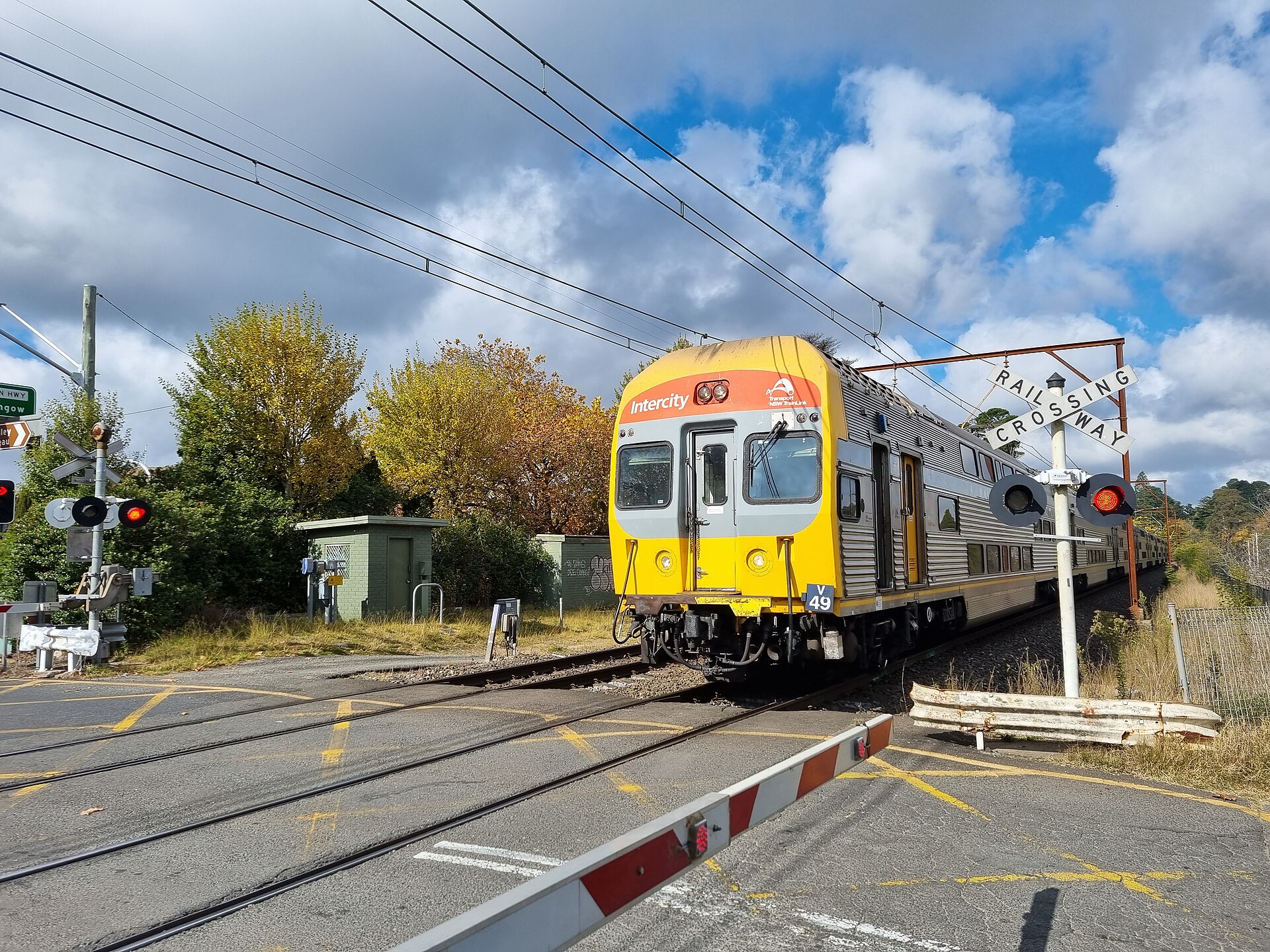
Blue Mountains Line train at Blackheath: 2023-05-13 Intercity train approaching Blackheath Station by Maksym Kozlenko, CC BY-SA 4.0, via Wikimedia Commons.
Misty winter view of the Three Sisters: photograph from the site library, via Pexels.