Is Sydney Safe for Tourists 2026: Complete Safety Guide
Is Sydney safe for tourists in 2026? Crime statistics, safest neighbourhoods, beach safety, sun safety and emergency contacts.
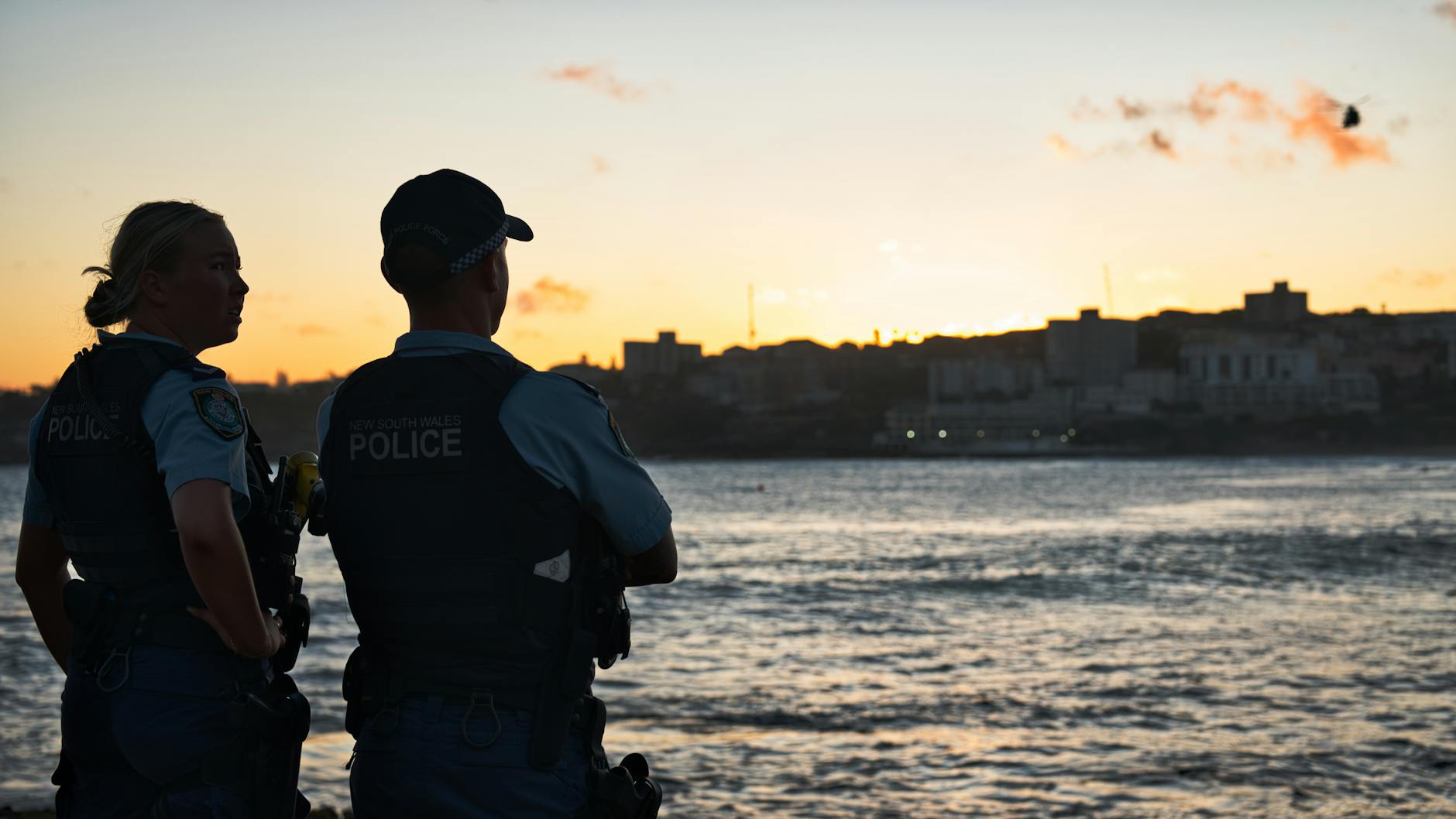
“Is sydney safe for tourists” is one of the most-asked questions by international travellers — and the answer is reassuringly straightforward. Sydney consistently ranks among the world’s safest large cities. The Global Peace Index, Numbeo Safety Index, and Economist Intelligence Unit’s Safe Cities Index all routinely place Sydney in the global top 10. Violent crime is statistically rare, public transport runs late into the night with little risk, and Australia’s overall homicide rate is roughly one-fifth of the United States’ figure. That said, normal urban awareness applies — pickpockets at peak tourist sites, beach safety, alcohol-related incidents in nightlife zones, and natural hazards like UV and bushfire all warrant attention. This 2026 guide answers “is sydney safe for tourists” comprehensively, with concrete safety advice, neighbourhood-by-neighbourhood ratings, beach safety, and the practical tips locals would tell you.
Is sydney safe for tourists in 2026: the short answer
Yes — Sydney is statistically one of the safest large cities you can visit. Specific 2025 data points:
- Numbeo Safety Index (2025): Sydney rated 60.8/100 — high safety, low crime rating.
- Global Peace Index 2025: Australia ranks 13th most peaceful country globally.
- Sydney homicide rate: approximately 1.0 per 100,000 (vs USA average 6.0, UK 1.2).
- Tourist incidents: overwhelmingly petty theft and alcohol-related; violent attacks on tourists extremely rare.
- Pickpocketing: below European city averages — present but not endemic.
That said, “is sydney safe for tourists” is the wrong question to ask without context. Like any large city, certain pockets at certain times warrant extra care, certain beach conditions demand respect, and certain natural hazards (UV, bushfire smoke) are unique to Australia. The rest of this guide addresses each.
Safest Sydney neighbourhoods for tourists
The Sydney neighbourhoods most tourists base in are very safe:
- Sydney CBD: safe day and night; high police presence; busy with locals and tourists 24/7.
- The Rocks: very safe; tourist-focused with consistent foot traffic.
- Circular Quay: safe; major transport hub with continuous activity.
- Darling Harbour: safe; commercial precinct with families and tourists.
- Bondi: very safe; high pedestrian flow; lifeguard presence.
- Manly: very safe; family beach town with active community.
- Newtown: safe with mid-evening vibrancy; standard awareness for nightlife corridor.
- Surry Hills: safe; gentrified inner-city neighbourhood.
- Paddington: safe; affluent residential and boutique shopping.
- North Sydney/Kirribilli: very safe; quiet residential.
Neighbourhoods requiring extra awareness
A small number of Sydney areas warrant standard urban awareness, especially at night:
- Kings Cross late at night: the previous notorious nightlife strip is much safer post-2014 lockout laws; standard urban awareness still applies.
- Wynyard at 2–4am: mostly empty CBD streets between bars closing and morning commuter rush; not dangerous but quieter.
- Redfern (parts): historically had higher crime; gentrifying rapidly; standard awareness applies south of Cleveland Street.
- The Cross at peak nightclub closing time: Saturday 3am alcohol-related incidents occur.
- The Domain at night: open parkland with limited lighting; avoid solo walking after dark.
- Western suburbs late at night (Mt Druitt, Cabramatta): standard urban awareness; rarely visited by tourists.
None of the above warrant avoidance during the day; standard urban awareness is sufficient.
Beach safety in Sydney
Sydney’s beaches are world-famous and a major reason tourists visit, but they kill tourists every year — typically from drownings. Specific Sydney beach safety rules:
The red and yellow flags
Always swim between the red and yellow flags. The flags mark the patrolled zone where lifeguards watch for trouble. Outside the flags, you are on your own. Bondi, Manly, Coogee, Cronulla, Tamarama and Bronte all have lifeguards 6am–7pm in summer; reduced patrolling in winter.
Rips and undertow
Rip currents — channels of fast water pulling out to sea — are the leading cause of beach drownings in Australia. Common at every Sydney beach. Visible signs: darker water, fewer breaking waves, foam moving seaward. If caught in a rip, FLOAT and raise your arm — do NOT swim against the current.
Sharks
Sydney shark sightings are very rare on patrolled beaches. Most major beaches have shark nets or aerial drone surveillance. Listen for the beach alarm and leave the water immediately if announced. Statistically, shark fatalities in Sydney are extremely rare; cyclists, road accidents and falls cause far more tourist deaths.
Bluebottles
Bluebottle stings are common after onshore winds. Painful but not life-threatening for most people. Rinse with seawater, then warm water immersion (45°C) for 20 minutes. Avoid vinegar — it makes Australian bluebottles worse.
Surf safety etiquette
If learning to surf, stay at the marked Beginners Bay (most major Sydney beaches have one). Drop-ins (taking off in front of someone already riding) are dangerous and result in collisions.
Sun and UV safety in Sydney
Sydney has some of the world’s highest UV levels — UV 11–14 (Extreme) common October through April. Sunburn possible in 10–15 minutes of unprotected exposure. Skin cancer is Australia’s most common cancer.
Practical rules:
- Wear SPF50+ sunscreen. SPF30 is insufficient for Australian conditions.
- Reapply every 2 hours and after swimming.
- Wear a wide-brimmed hat.
- Wear UV400 sunglasses.
- Seek shade 10am–3pm in summer.
- Pack a UV-rated rash vest for water activities.
- UV is high even on cloudy days. Cancer Council recommends sun protection whenever UV is 3+.
Wildlife safety in Sydney
Australia’s reputation for dangerous wildlife is exaggerated for Sydney tourists. Realistic risks:
- Spiders: Sydney funnel-web spider is genuinely venomous; bites are very rare and antivenom is widely available. Most spider bites in Sydney are harmless.
- Snakes: Several venomous snakes inhabit Sydney bushland. Snake encounters in built-up areas extremely rare. If hiking in Royal National Park or Blue Mountains, wear closed shoes and watch your step. Never approach a snake.
- Magpies: swooping during nesting season (September–November). Wear a hat and walk briskly through magpie territories.
- Possums: common urban wildlife; cute but can bite if handled. Look but do not touch.
- Mosquitoes: low risk for serious disease in Sydney; itchy but not dangerous.
Bushfire and natural hazards in Sydney
Bushfire season typically runs October–March. Sydney CBD itself rarely sees direct fire impact but heavy smoke can affect air quality across the metropolitan area (significant in 2019–20). Practical advice:
- Check the air quality index (AQI) during bushfire season via the AirRater app or NSW EPA.
- Avoid strenuous outdoor activity if AQI is hazardous.
- If hiking, check the NSW Rural Fire Service website for total fire bans.
- Sydney’s heavy storms can cause flash flooding; avoid driving through floodwater.
Public transport safety in Sydney
Sydney’s trains, buses and ferries are safe at all hours, including overnight NightRide services. Specific advice:
- CCTV in all train carriages.
- Help button on every train carriage.
- Train guards on most services after 6pm.
- Choose the carriage near the guard’s compartment on the rare occasion you feel uncomfortable.
- Manly ferry deck rails are safe; keep children attended.
- NightRide buses replace overnight trains; standard urban awareness applies at 3am stops.
Nightlife safety in Sydney
Sydney nightlife is safer than most international counterparts post-2014 lockout law reforms. Standard precautions:
- Watch your drink. Drink-spiking happens occasionally in any city.
- Travel home in groups from nightlife strips.
- Use rideshare rather than unmarked taxis.
- Stick to licensed venues. All Sydney nightclubs and bars are regulated; unlicensed venues are rare.
- Kings Cross. Much quieter post-lockout era; standard urban awareness applies.
- Newtown, Surry Hills, Glebe. Late-night safe; bars trade until 3–4am.
Personal property safety in Sydney
Pickpocketing and petty theft are present but below European averages:
- Crowded ferries: Manly ferry peak hour is a known pickpocket target.
- Pitt Street Mall: tourist-dense shopping precinct sees occasional bag-snatching.
- Beach valuables: never leave wallet, phone or passport in sight; use beach lockers at major beaches.
- Sydney Airport baggage claim: high-volume area; watch your luggage closely.
- Hostels and Airbnbs: use the safe; do not leave electronics visible.
- Cafes: “phone snatching” by cyclists has been reported in CBD; keep your phone away from open windows or table edges.
Is sydney safe for tourists at night?
Yes. Sydney’s CBD, major nightlife strips (Newtown, Surry Hills, Bondi, Manly) and harbour areas are well-lit and active until late. Public transport runs late. Use standard urban awareness in quieter side streets and rely on rideshare or NightRide for solo travel after midnight.
Is sydney safe for tourists travelling solo?
Yes — Sydney is one of the world’s most solo-traveller-friendly cities. Wide cafe culture, abundant hostels with organised activities, comprehensive public transport, walkable CBD, low crime against tourists. Solo female travellers in particular report Sydney as very safe; standard urban awareness applies.
Is sydney safe for tourists travelling with children?
Yes — Sydney is family-friendly. Beach lifeguards, family-oriented attractions, low crime, excellent paediatric healthcare. Specific tips: register children’s beach gear at lifeguard stations, use family-priority train carriages during peak commuter hours, supervise around water always.
Is sydney safe for tourists from minority backgrounds?
Sydney is one of the world’s most multicultural cities — almost half of residents were born overseas, and 30% speak a language other than English at home. Hate crimes are rare. LGBTQI+ travellers are particularly welcome; Sydney hosts the world-renowned Mardi Gras Parade. Australia is one of the more progressive countries on LGBTQI+ rights.
Common safety mistakes tourists make in Sydney
- Swimming outside the flags. The single most common cause of tourist drownings.
- Skipping sunscreen on cloudy days. UV penetrates clouds.
- Approaching wildlife. Never feed kangaroos, possums or seagulls.
- Carrying valuables to the beach. Use a beach locker.
- Leaving rental cars unattended with valuables. Car break-ins do happen.
- Drinking excessively in nightlife strips. Alcohol-related incidents dominate Sydney tourist injuries.
- Hiking without a map or water. Royal National Park and Blue Mountains have made rescues for unprepared walkers.
- Trusting GPS in remote areas. Cellular coverage drops in Royal National Park valleys.
Emergency contacts in Sydney
- Emergency (police, fire, ambulance): 000
- Non-emergency police: 131 444
- Crime Stoppers: 1800 333 000
- Poisons Information Centre: 13 11 26
- NSW Health (medical advice): 1800 022 222
- Lifeline (crisis support): 13 11 14
- Surf Life Saving NSW: 02 9471 8000
- Sydney Airport medical: via airport help desk
Is sydney safe for tourists: travel insurance and registration
Two pre-trip safety steps:
- Travel insurance: covers medical, evacuation and trip disruption. See our travel insurance Australia guide.
- Smart Traveller registration: if available in your home country, register your travel plans (UK: ROAM; USA: STEP; Canada: ROCA).
Frequently asked questions about is sydney safe for tourists
Is Sydney safe for tourists?
Yes — Sydney consistently ranks among the world’s safest large cities, with low violent crime, high police visibility and excellent public transport safety. Standard urban awareness applies.
Is Sydney safe at night for tourists?
Yes — CBD, major nightlife strips, harbour areas and beaches are well-lit and active. Public transport runs late. Use standard urban awareness in quieter side streets.
What is the most dangerous area in Sydney?
Sydney has no genuinely “dangerous” tourist areas. Standard urban awareness applies in Kings Cross late night and parts of Redfern; both are gentrifying rapidly. Tourists rarely encounter problems.
Is the Bondi to Coogee walk safe?
Yes — well-marked, well-lit during sunrise hours, populated during day. Avoid cliff edges and stick to marked paths. Walk in groups after sunset.
Is Sydney safe for solo female travellers?
Yes — Sydney is consistently rated among the world’s safer cities for solo female travellers. Public transport, hostels and CBD are very safe. Standard urban awareness applies.
Should I worry about sharks in Sydney?
Statistical risk is extremely low. Most beaches have shark nets or drone surveillance. Listen for beach alarms. Drowning from rip currents is a far greater risk than sharks.
Final word on is sydney safe for tourists
The answer to “is sydney safe for tourists” is a confident yes. Sydney ranks alongside Singapore, Tokyo and Copenhagen as one of the world’s safest large cities. Standard urban awareness, respect for beach safety rules, sun protection year-round, and a small dose of common sense will keep your visit incident-free. Pack your travel insurance for the rare contingency, and Sydney delivers one of the safest, most welcoming city experiences in the world.
Helpful resources for planning your Sydney trip
For the very latest information on opening hours, ticketing and transport, the following official resources are kept up to date:
- Smart Traveller Australia
- NSW Police
- Surf Life Saving NSW
- Numbeo Sydney safety
- Bureau of Meteorology UV
- NSW Rural Fire Service
Related Sydney guides
The other guides most people read alongside this one: