Jenolan Caves from Sydney: Tours, Tickets and Access
Jenolan Caves has been closed since April 2024 for road repairs, with a planned reopening in early 2027. Here is the current status, why it happened, what to plan for later, and what to do with the day instead.
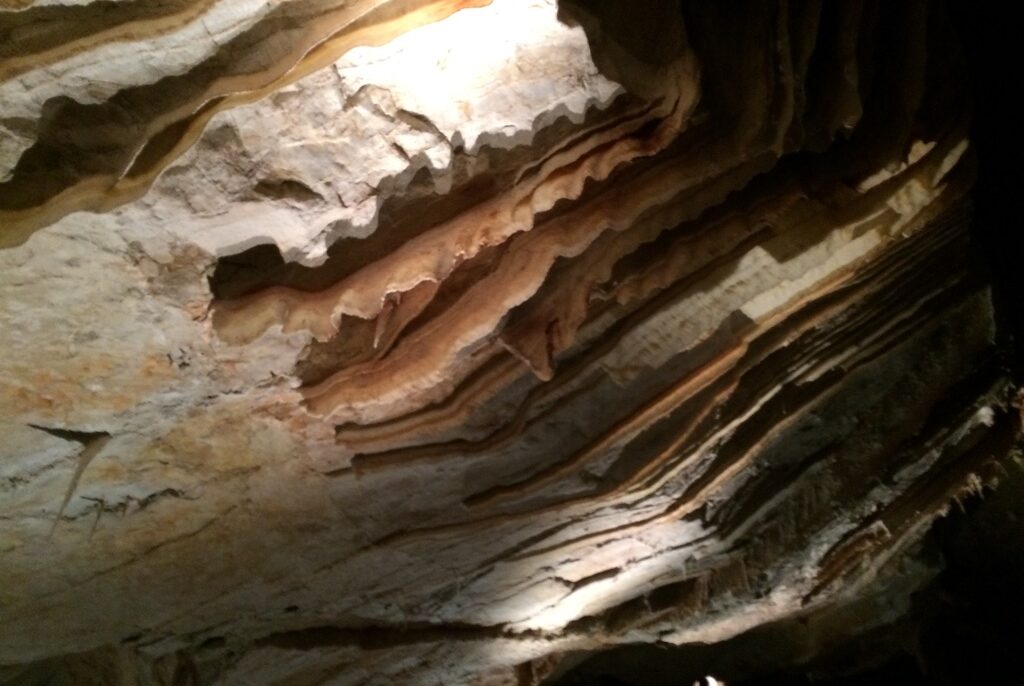
The short answer, and the one most pages about this will not give you: Jenolan Caves is closed. It has been closed since April 2024, it was still closed in September 2026, and the operator’s own notice puts the planned reopening in early 2027. No cave tours are running. If a Blue Mountains day tour lists Jenolan on its itinerary, ring the operator before you pay them anything.
That is the fact everything else on this page hangs off. What follows is why it is shut, what is actually happening on site, what will be there when it reopens, how you would get there from Sydney, and — more useful for anyone planning a trip in the next few months — what to do with the day instead. Checked with the operator on 9 September 2026; their information line is 1300 76 33 11 or 02 6359 3911.
The current status, in detail
| Question | September 2026 |
|---|---|
| Are the caves open? | No |
| Closed since | April 2024 |
| Reason | Major road repairs on Jenolan Caves Road |
| Planned reopening | Early 2027, per the operator’s July 2026 notice |
| Cave tours running | None |
| Six Foot Track | Closed between Caves House and Binda Bush Cabins |
| Information line | 1300 76 33 11 or 02 6359 3911 |
The specific problem is the Two Mile section of Jenolan Caves Road, which was severely damaged by successive weather events between 2021 and 2024 and closed in April 2024. Jenolan sits at the bottom of a steep, narrow valley reached by a road cut into unstable country, and once that road went, the site went with it. There is no alternative access.
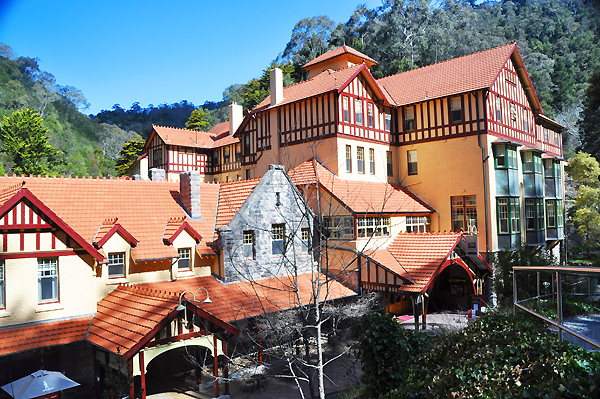
Alongside the road works, the operator is running a substantial precinct upgrade: Caves House is being refurbished, a new Blue Lake Boardwalk is going in, and there is broader infrastructure resilience work. That is why the reopening date is a year out rather than a month — this is not simply a matter of patching a road.
The Six Foot Track
Walkers should note this separately. The Six Foot Track, the 45-kilometre bridle route cut in the 1880s from Katoomba to Jenolan and normally walked over three days, is closed between Jenolan Caves House and Binda Bush Cabins after April’s extreme rainfall damage. Walkers who want to use the western end must arrange their own transport to Binda Bush Cabins, 3780 Jenolan Caves Road, as an alternative start or finish point. That is a serious logistical problem for a track whose whole point is walking to the caves. Our guide to Blue Mountains walks covers the alternatives.
What Jenolan is, and why people care
It is worth knowing what you are missing, and what to plan for once it reopens.
Jenolan is a limestone karst system in the Blue Mountains foothills, west of Katoomba, containing eleven show caves and a much larger network of undeveloped passages, underground rivers and chambers. The limestone is extremely old — among the oldest open cave systems known anywhere — and the formations are the reason people come: flowstone shawls, columns, straws and pools in chambers the size of cathedrals.
The show caves each have their own character and their own tour. Lucas Cave is the big one, with the Cathedral chamber used for concerts and weddings. Orient Cave is the most decorated. Chifley Cave was among the first caves anywhere in the world to be lit electrically. Imperial is the gentlest and the one recommended for anyone with limited mobility or small children. The Grand Arch — an enormous natural tunnel that the road once ran directly through — is the free, open-air part of the site and the first thing anyone sees on arrival.
Above ground there is the Blue Lake, a startlingly turquoise pool below Caves House that gets its colour from dissolved limestone, and a resident population of platypus and swamp wallabies. Caves House itself is a rambling Tudor-style guesthouse that has been taking visitors since the nineteenth century.
All of which is a long way of saying: it is genuinely worth visiting, and it is genuinely not available.
The show caves, one by one
Eleven caves have been developed for visitors, each toured separately, with the tours varying from about an hour to a good deal longer and from gentle to distinctly stair-heavy.
- Lucas Cave — the headline tour and the busiest. Its Cathedral chamber is fifty-odd metres high, has extraordinary acoustics and has hosted concerts and weddings for well over a century. The one to book if you are only doing one.
- Orient Cave — widely considered the most beautifully decorated in the system, with dense columns, shawls and flowstone. Discovered in 1904 and opened to visitors much later.
- Imperial Cave — the gentlest route, fewest steps, and the standard recommendation for anyone with limited mobility, small children or a nervous disposition. It also holds fossil deposits.
- Chifley Cave — historically significant as one of the first caves anywhere in the world to be lit by electric light, in the 1880s.
- River Cave — the long, strenuous one, following an underground river, with a great many steps and a reputation among cavers as the best of the tours.
- Temple of Baal, Jubilee, Ribbon, Pool of Cerberus and others — smaller or specialist tours, often with restricted schedules.
Beyond the show caves there are adventure caving options involving crawling, climbing and headlamps, which historically ran with guides and required booking well in advance.
The Grand Arch, the Blue Lake and above ground
Not everything at Jenolan is underground, and the outdoor parts are free. The Grand Arch is an enormous natural limestone tunnel, tens of metres high, that the access road once ran directly through — an odd and memorable piece of infrastructure, and the first thing every visitor sees.
Below Caves House, the Blue Lake is a small dammed pool that takes an intense turquoise colour from fine dissolved limestone suspended in the water. Platypus live in it and are genuinely, if unreliably, visible at dawn and dusk — one of the more accessible places in New South Wales to see one in the wild. Swamp wallabies graze the valley floor at the same hours, and the bird life includes flame robins in winter. The new Blue Lake Boardwalk being built as part of the current works is aimed squarely at this.
A very short history
The caves were known to Gundungurra people long before Europeans arrived; the colonial account has them coming to notice in the 1830s and 1840s, with the local story attaching the discovery to the pursuit of a cattle thief named McKeown who was using the valley as a hideout. The system was reserved for protection in 1866, which makes it one of the earliest protected natural sites in Australia — earlier than most of the national parks around it. Caves House grew from a modest accommodation house into the rambling Tudor-style building that stands there now, and Jenolan has been receiving visitors more or less continuously for over 150 years. The current closure is the longest interruption in that run.
Getting there — for when it reopens
Jenolan has never been easy to reach and never been rail-accessible, which is worth knowing because people assume otherwise.
- By car, roughly three hours from Sydney or about an hour and a quarter from Katoomba, on winding mountain road. The final descent into the valley is narrow, steep and has historically operated under one-way timing restrictions. Expect the access arrangements to be different when the road reopens; check before you drive.
- By coach tour, which is how most visitors have historically arrived — day tours from Sydney or Katoomba, typically combining the caves with a Blue Mountains lookout stop. Expect these to resume when the site does.
- By train, not possible. The nearest station is Katoomba, and Jenolan is a further sixty-odd kilometres of mountain road from there.
- On foot, via the Six Foot Track from Katoomba over three days — currently interrupted, as above.
Realistically, a Jenolan trip has always been a full day at minimum and works far better as an overnight, staying at Caves House and doing two or three cave tours across a morning and afternoon. It is not a comfortable add-on to a Blue Mountains day trip, whatever the tour brochures imply.
What to do with the day instead
This is the practical part. If you had a day earmarked for Jenolan, here is what to spend it on.
The Grose Valley at Blackheath
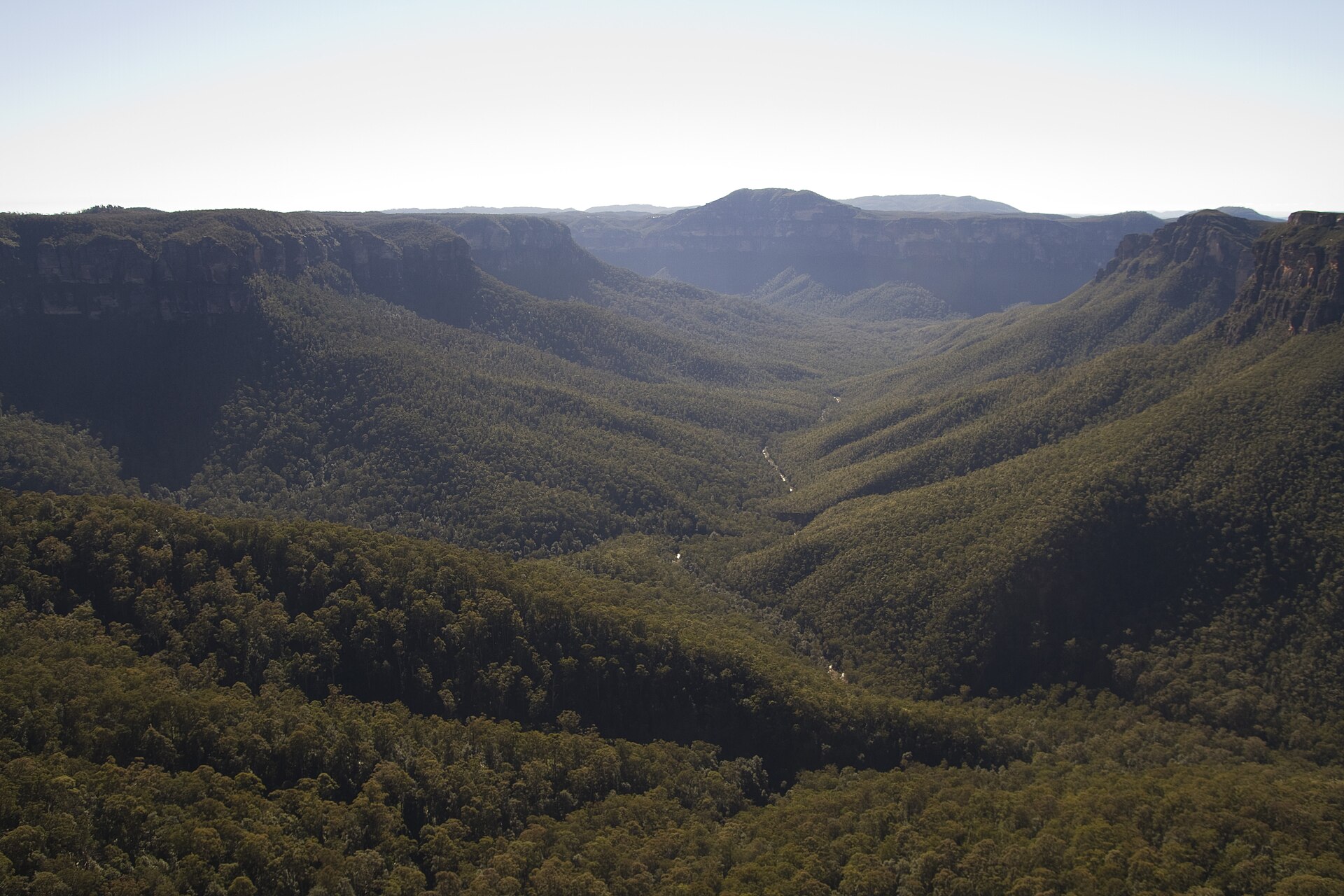
The best substitute, and better than a great many people’s original plan. Govetts Leap and Evans Lookout at Blackheath look north into a 180-degree amphitheatre of cliffs with a 180-metre waterfall down the near wall, and between them the Grand Canyon track — a 6.3-kilometre loop of three to four hours through a fern-hung slot canyon — was open with no alert as of September 2026. Blackheath has its own railway station and the strongest restaurants in the mountains. Our walks guide has the detail.
A proper Katoomba day rather than a rushed one
If your original plan crammed Jenolan into a Blue Mountains day, dropping it frees up hours. Echo Point early, the Prince Henry Cliff Walk, the valley floor via the Giant Stairway or Scenic World, and a real lunch instead of a coach schedule. See our day trip itinerary and the Katoomba guide.
A different day trip entirely
The Hunter Valley is about two and a half hours north for wine, and the Royal National Park an hour south for coastal cliffs and the Coast Track. Neither is a limestone cave, and neither pretends to be. Our day trips from Sydney guide compares them.
Is there a cave substitute near Sydney?
Honestly, no — not a close one. Jenolan is the significant show cave system within reach of Sydney and there is no equivalent an hour away. Wombeyan Caves, south-west of the Southern Highlands, is the nearest comparable karst site, but it is a long drive on partly unsealed road and it is a different scale of experience. If seeing a cave is non-negotiable, check Wombeyan’s own current status directly before making the trip; if it is not, spend the day on the escarpment.
Planning a visit for 2027 or later
Assuming the reopening holds, here is what to think about.
- Book cave tours in advance. Jenolan has historically run timed, guided tours with limited capacity, and a reopening will draw two and a half years of pent-up demand. Expect the first months to be busy.
- Pick your caves rather than defaulting. Lucas for scale and the Cathedral chamber, Orient for decoration, Imperial for accessibility and children, Chifley for the history. Two tours in a day is comfortable; three is a lot of stairs.
- Stay overnight if you can. Caves House is being refurbished as part of the current works, and the valley in the evening — with the day trippers gone and the platypus out on the Blue Lake — is the good bit.
- Dress for a cave. Underground temperatures are cool and stable year-round regardless of the weather outside, and the tours involve a lot of steps.
- Expect changed access. The road is being substantially rebuilt. Whatever you remember about one-way timing or parking may not apply.
- Verify before you travel. Ring 1300 76 33 11 rather than trusting a booking site or a blog post — including this one, which will age.

If you already booked something
A few practical steps, in order, for anyone who has money committed.
- Contact the tour operator directly, not the booking platform you used. Ask them, in plain terms, whether their itinerary still includes Jenolan and what they are substituting.
- Ask what replaces it. A reputable operator will have swapped in a Blue Mountains lookout, a wildlife park or additional time at Scenic World. That may well be a better day; it is also a materially different product from the one advertised.
- Check the accommodation. Anything booked at Caves House itself cannot be honoured while the site is shut.
- Verify with the source before accepting anyone’s reassurance: 1300 76 33 11 or 02 6359 3911.
None of this is unusual behaviour from operators acting in bad faith. Most of it is stale listings and syndicated itineraries that nobody has revisited since 2024. The effect on your day is the same either way.
Why this page says what other pages do not
A brief word on why the internet is still telling you Jenolan is open. Tour listings are slow to update, aggregator sites republish old itineraries, and travel articles written before 2024 sit at the top of search results indefinitely. The closure has now run long enough that a great deal of published content simply predates it and nobody has gone back.
The practical defence is the same as for the walking tracks in this region, where closures run for years rather than weekends: check the operator’s own site or ring them, and treat any third-party listing as a suggestion rather than a fact. That applies to the National Pass at Wentworth Falls, to Lincoln’s Rock, and to this. Our Blue Mountains regional guide keeps a running list of what is currently shut.
Frequently asked questions
Are Jenolan Caves open?
No. The site has been closed since April 2024 for major repairs to Jenolan Caves Road, with a planned reopening in early 2027 according to the operator’s notice updated in July 2026. No cave tours are running.
Why are Jenolan Caves closed?
The Two Mile section of Jenolan Caves Road was severely damaged by successive weather events between 2021 and 2024 and closed in April 2024. There is no alternative access to the valley. Alongside the road works, the operator is refurbishing Caves House, building a new Blue Lake Boardwalk and carrying out wider infrastructure resilience work.
When will Jenolan Caves reopen?
Early 2027 is the planned date as of the July 2026 notice. Dates on projects like this move. Ring 1300 76 33 11 or check the operator’s site before making plans.
Can I still do a Blue Mountains tour that includes Jenolan Caves?
No, and if one is being sold to you, contact the operator. Some listings have not been updated since 2024.
How far is Jenolan Caves from Sydney?
Roughly three hours by car, or about an hour and a quarter from Katoomba on winding mountain road. It has never been reachable by train.
How much did Jenolan Caves tickets cost?
Tours were priced individually by cave, with combination tickets available. Since nothing is currently on sale, any figure quoted now would be a guess. Check the operator’s site when booking reopens.
Which Jenolan cave is the best?
Lucas Cave for scale and the Cathedral chamber; Orient Cave for the most elaborate formations; Imperial Cave for the gentlest route and the best option with children or limited mobility; Chifley Cave for the history, being among the first caves anywhere lit by electricity.
Is the Six Foot Track open?
Not in full. It is closed between Jenolan Caves House and Binda Bush Cabins after April’s rainfall damage. Walkers must arrange their own transport to Binda Bush Cabins, 3780 Jenolan Caves Road, as an alternative trailhead.
What should I do instead?
Blackheath and the Grose Valley — Govetts Leap, Evans Lookout and the Grand Canyon track — is the best substitute and reachable by train. Alternatively, spend the freed-up hours on a properly unhurried Katoomba day rather than a rushed one.
Is there another cave near Sydney?
Not a close equivalent. Wombeyan Caves is the nearest comparable karst site, but it is a long drive on partly unsealed road and a smaller experience. Verify its current status directly before travelling.
Related Sydney guides
- The Blue Mountains from Sydney — the full regional guide, including what else is currently closed.
- The best Blue Mountains walks, ranked by effort — the Grand Canyon track and the rest.
- Wentworth Falls — the other place in the region with serious closures.
- Katoomba visitor guide — the base town, and where the Six Foot Track starts.
- Blue Mountains day trip itinerary — one day without Jenolan in it.
- Scenic World Katoomba — prices, hours and the free alternative.
- Day trips from Sydney — everything else within a few hours of the city.
Photo Credits
Jenolan cave interior: Jenolan Caves December 2014 – 10 by Chris.sherlock2, CC BY-SA 4.0, via Wikimedia Commons.
Caves House: Caves-House-Accommodation-at-Jenolan-Caves by Melbouge, CC BY-SA 3.0, via Wikimedia Commons.
Grose Valley, fern gully and Three Sisters photographs from the site library, sourced via Wikimedia Commons and Pexels.