Sydney Buses 2026: Best Tourist Routes, Fares & Network Guide
Sydney buses 2026 guide: best tourist routes including 333 to Bondi, B-Line to Manly, Opal fares, etiquette and after-hours options.
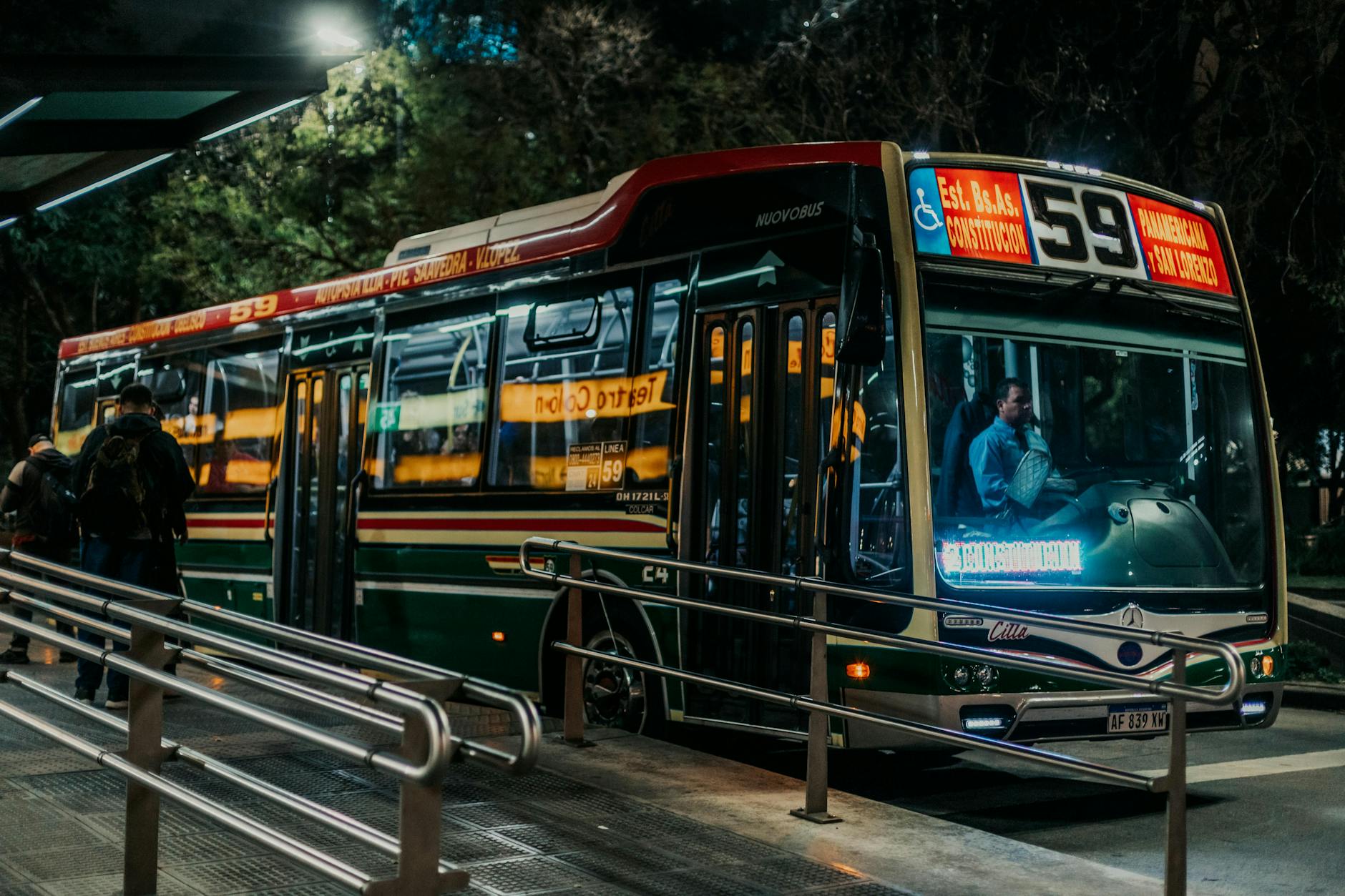
Sydney buses are the workhorse of the city’s public transport network — over 5,500 services daily carrying more than 600,000 passengers across the metropolitan area. While the train and ferry networks get more tourist attention, Sydney buses connect almost everywhere worth visiting, from beachside Bondi to the leafy Northern Beaches and the Eastern Suburbs that trains simply do not reach. This 2026 guide explains how to use Sydney buses with an Opal card or contactless payment, breaks down the essential tourist routes, and shares the local tips that turn a confusing system into a remarkably efficient way to see the city.
Sydney bus network at a glance
Sydney’s bus system is operated by multiple contractors under the Transport for NSW umbrella — Transit Systems runs the inner west, Busways covers the north-west, Keolis Downer operates the Northern Beaches, and several other operators handle different regions. From a passenger perspective the experience is identical: same Opal card, same fare structure, same timetable system at transportnsw.info. You do not need to know which operator runs which route.
Buses are colour-coded only loosely — most are blue and white, but you will see green-and-yellow B-Line double-deckers on the Northern Beaches, branded school buses, and occasional special-event services. All standard route buses display the route number prominently on the front, side and rear destination signs, plus the final destination written underneath.
The network covers roughly 600 routes. The numbering system gives you clues: numbers in the 100s and 200s mostly run east of the city to Bondi, Coogee and the Eastern Suburbs; 300s and 400s cover the inner west and south; 500s and 600s head north over the Harbour Bridge; 700s through 900s run further out to the Western Suburbs and beyond.
How to ride Sydney buses — payment and tap on/off
Sydney buses use a tap-on, tap-off Opal card system. You can use either a physical Opal card (loaded with credit at any 7-Eleven, train station or ferry wharf) or a contactless payment — credit card, debit card, or phone/watch with Apple Pay/Google Pay enabled. Both work identically; pick whichever is easier.
The tap process: as you board, hold your card or phone against the Opal reader near the driver until you hear the beep and see the green light. As you get off, tap again on the reader near the exit door. If you forget to tap off, you will be charged the default maximum fare for that journey — not catastrophic but annoying.
Cash is not accepted on most Sydney buses. A small number of remote outer-suburban routes still take cash with the driver, but for any tourist trip you should plan on Opal or contactless.
2026 bus fares
Sydney bus fares are distance-based and capped at very reasonable levels. As of 2026, an adult Opal bus fare is approximately AU$3.20 for trips under 3km, AU$4.00 for 3–8km, and AU$5.05 for longer trips. Children, students with a NSW ID, and seniors receive substantial discounts.
The crucial fare cap: daily travel is capped at AU$18.70 for adults across all transport modes combined (bus, train, ferry, light rail). The weekly cap is AU$50, kicking in after eight separate journeys. Sunday all-day travel costs a flat AU$2.80 — a deliberate weekend tourism incentive that makes Sundays the cheapest day to ride buses around the city.
Best Sydney bus routes for tourists
Of the 600 routes, around a dozen are genuinely useful for visitors. Memorise the route numbers below and you can navigate most of Sydney’s attractions without ever consulting a map.
Route 333 — CBD to Bondi Beach (express)
The 333 is the express limited-stops bus from the CBD (Circular Quay, Wynyard, Town Hall, Museum) to Bondi Junction and Bondi Beach. Runs every 5–10 minutes during daytime, every 10–15 minutes evenings. Trip time: 25–30 minutes from Circular Quay to Bondi Beach. This is the single most useful tourist bus in Sydney.
Variants: Route 380 covers the same corridor but stops at every stop (slower, every 8–15 minutes). Route 381 runs Bondi Junction–Bondi Beach as a shuttle. Route M40 is a peak-hour service.
Route 891 — Bondi to Coogee (Eastern Beaches)
Route 891 connects Bondi Beach to Bronte, Clovelly and Coogee — perfect for those doing the famous Bondi to Coogee coastal walk who want to bus one way and walk the other. Runs every 15 minutes.
B-Line — CBD to Northern Beaches
The B-Line is Sydney’s rapid bus route — bright yellow double-decker buses connecting Wynyard in the CBD to Mona Vale on the Northern Beaches, with stops at Neutral Bay, Spit Junction, Mosman, Manly and Dee Why. Runs every 5–10 minutes during the day. Trip time: 50 minutes Wynyard to Mona Vale, 35 minutes to Manly. The B-Line is your best option to reach Manly Beach if the ferry queue is overwhelming.
Route 389 — Bondi Junction to The Rocks
One of Sydney’s most scenic routes, the 389 winds through Paddington, Darlinghurst and the CBD on its way to Circular Quay. Great for a slow-paced tour of the inner east.
Route 200 — Chatswood to Bondi Junction
A useful cross-city route connecting the Lower North Shore (Chatswood, North Sydney, Cremorne Junction) to the Eastern Suburbs (Bondi Junction).
Route 555 — Free CBD Shuttle (was discontinued)
Important note: Sydney’s previously free CBD shuttle bus (route 555) was discontinued in 2015. Many older guidebooks still mention it — disregard them. The Light Rail along George Street has effectively replaced it, costing AU$2.40–3.50 for a single CBD trip.
How to find your bus stop and check timetables
The official Transport for NSW website at transportnsw.info has a comprehensive trip planner. Enter your origin and destination and it returns options including bus routes, walking distances, and real-time arrival predictions. The same data feeds Google Maps, which is what most locals actually use for bus navigation.
Real-time bus arrivals appear on most stops via small electronic displays — particularly accurate within 5 minutes of arrival. Apps like TripView (paid, beloved by locals), Transport for NSW (free, official), and Google Maps all show real-time predictions.
Bus stops in Sydney are marked with blue and yellow signs showing the route numbers serving that stop. Some stops are “request stops” — you must wave at the approaching bus to make it stop. In central Sydney all stops are timing-based and stop automatically.
Driving in Sydney vs taking the bus
For most tourist trips, the bus beats driving. Sydney’s CBD has expensive parking (AU$15+/hour), heavy congestion (especially 7–9am and 4–6:30pm weekdays), and tolls on major motorways. By contrast, buses run frequently, fares are capped daily, and you do not need to think about parking. The exceptions where driving wins: day trips to the Blue Mountains, the Hunter Valley wineries, or remote beaches not on the bus network.
Manly ferry vs Northern Beaches bus
If your destination is Manly, the ferry from Circular Quay is the iconic Sydney harbour experience (30 minutes, AU$8.05 weekday). But if you are continuing further north — Curl Curl, Dee Why, Narrabeen, Mona Vale — the B-Line bus is faster and more direct. Many tourists combine the two: ferry to Manly, B-Line bus back.
Bus etiquette and local conventions
Sydney buses follow British-style queueing etiquette: line up at the stop in order of arrival, board through the front door, exit through the rear or middle doors. Locals always say “thanks” to the driver as they exit — a small custom that visitors are rarely aware of but that drivers genuinely appreciate.
Priority seats near the front are reserved for elderly passengers, pregnant women, and people with disabilities. There is no expectation to give up your seat in the rest of the bus unless someone clearly needs it.
Eating and drinking are technically not allowed on buses but rarely enforced for water or quick snacks. Loud music without headphones is enforced; expect a polite but firm request to lower the volume.
Night buses and after-hours services
Sydney runs NightRide services that fill in for the train network on weekends and overnight on weekdays. Routes are numbered N (e.g. N10, N20). They run hourly through the night from Town Hall and Central. Useful if you are out late or partying.
The B-Line runs until around midnight on weekdays and 1am on Fridays and Saturdays. Most regular bus routes finish around 11pm.
Common mistakes tourists make with Sydney buses
Sydney buses come with a few quirks first-time visitors regularly stumble on. Knowing them in advance saves time and money:
- Forgetting to tap off. You will be charged the maximum fare. Always tap your card/phone as you exit, even if the next person is rushing behind you.
- Assuming buses follow tram-style stops. Most Sydney buses are request stops outside the CBD. If you do not press the red “Stop” button or wait at a stop in plain view, the bus will keep going.
- Trying to board with cash. Most routes are cashless. Have your Opal card or contactless payment ready.
- Standing in the aisle near the rear doors during peak hour. The driver may struggle to see the rear screen and miss your exit; move toward the front before your stop.
- Confusing route variants. Routes 380 and 333 both go to Bondi, but the 380 takes 50 minutes vs the 333’s 30 minutes. Check the bus front sign carefully.
Accessibility on Sydney buses
The vast majority of Sydney buses are low-floor wheelchair accessible. Each bus has a flip-down ramp at the front door that the driver can deploy. Priority space for wheelchairs is located behind the driver. Audio announcements at major stops are standard. Guide dogs and assistance animals travel free.
Sydney buses for day trips
Several outer Sydney destinations are reachable purely by bus from the CBD: the Royal National Park southern beaches via Route 987 from Cronulla, the secluded Palm Beach (filming location of Home and Away) via the B-Line and Route 199, and Manly to Spit Bridge coastal walk via the B-Line. For Blue Mountains, Hunter Valley or longer day trips, trains and tours work better.
Frequently asked questions about Sydney buses
How much does a Sydney bus cost?
An adult Opal bus fare ranges from AU$3.20 (under 3km) to AU$5.05 (longer trips) as of 2026. Daily travel is capped at AU$18.70 across all modes; Sundays are a flat AU$2.80.
Can I pay cash on Sydney buses?
No — almost all Sydney buses are cashless. Use an Opal card, contactless credit/debit card, or phone with Apple Pay/Google Pay.
How do I get from the CBD to Bondi Beach by bus?
Route 333 is the express service from Circular Quay to Bondi Beach (25–30 minutes). Runs every 5–10 minutes during the day from Carrington Street near Wynyard.
Are Sydney buses 24 hours?
Most regular routes run roughly 5am to 11pm or midnight. NightRide buses (N10, N20 etc) provide overnight coverage from Central Station and Town Hall on weekends.
What is the B-Line bus?
The B-Line is Sydney’s express double-decker bus service from Wynyard in the CBD to Mona Vale on the Northern Beaches, stopping at major hubs including Mosman, Manly and Dee Why. Runs every 5–10 minutes.
Do I need to book a Sydney bus ticket?
No — Sydney buses operate on a tap-on/tap-off system. Just board with your Opal card or contactless payment ready.
Final word on Sydney buses
Sydney buses are one of the city’s underrated tourist resources. The 333 to Bondi, the B-Line to Manly and Northern Beaches, and the 891 along the Eastern Beaches will cover the majority of your sightseeing needs. Combined with the train and ferry network — all under the same Opal fare cap — you can navigate the whole of Sydney without ever needing a car or rideshare. Download Google Maps, top up your Opal or grab a contactless card, and the city opens up.
Helpful resources for planning your Sydney trip
For the very latest information on opening hours, ticketing and transport, the following official resources are kept up to date:
Sydney buses route summary for first-time visitors
For most tourists, three sydney buses cover 90 percent of trips: the 333 to Bondi, the B-Line to the Northern Beaches and Manly, and the 891 along the Eastern Beaches. All sydney buses use the same Opal/contactless payment system — tap on as you board, tap off as you exit, daily fare capped at AU$18.70 across all transport modes.
Real-time tracking for sydney buses works through Google Maps, the Transport for NSW app, or TripView. The B-Line yellow double-decker is one of the busiest sydney buses for visitors heading to Manly when the ferry queue is overwhelming. Sunday rides on all sydney buses are capped at AU$2.80 for the whole day — a deliberate tourism incentive worth planning around.
Why sydney buses are the underrated tourist option
While trains and ferries dominate guidebooks, sydney buses go places those modes simply cannot — clifftop coastal suburbs, the leafy Northern Beaches, and the residential pockets behind the eastern beaches. For tourists exploring beyond the postcard CBD, sydney buses fill the gaps in the network and are usually quicker than rideshare during peak hours when sydney buses use dedicated transit lanes.
One final point of value: the price. Sydney buses ride on the same daily cap (AU$18.70) and weekly cap (AU$50) as every other transport mode, so a day of sightseeing on sydney buses costs no more than a single CBD-to-Bondi taxi. Combine sydney buses with the train and ferry network under that same cap, and the whole metropolitan area opens up for less than the cost of a single airport rideshare.
Related Sydney guides
Other guides that make getting around easier: