Planning a trip to Sydney starts with one crucial question: when should you go? The best time to visit Sydney depends on what you want to experience — from sun-soaked beach days and world-famous fireworks to budget-friendly winter escapes and stunning spring wildflowers. Sydney enjoys a temperate climate with warm summers, mild winters, and over 230 sunny days per year, making it a genuine year-round destination. This comprehensive seasonal guide breaks down the weather, events, crowds, costs, and highlights for every month so you can choose the perfect time for your Sydney adventure. For more information, see our Sydney Nightlife & Entertainment. For more information, see our Sydney Culture, History & Heritage.
Sydney’s Climate at a Glance
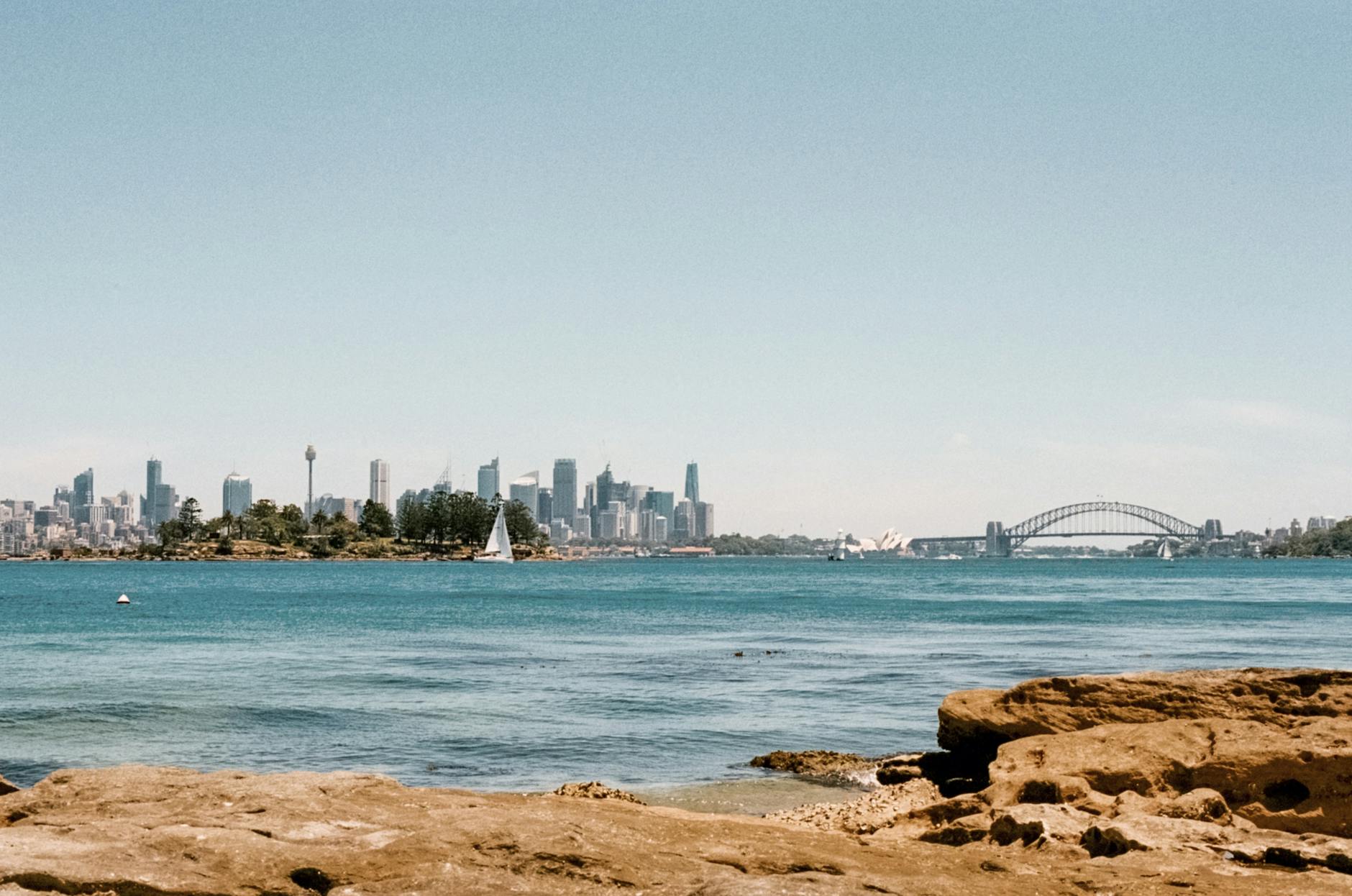
Sydney sits on Australia’s southeastern coast at roughly 34 degrees south latitude, giving it a humid subtropical climate with distinct but relatively mild seasons. Unlike tropical northern Australia, Sydney experiences genuine seasonal changes, though even the coldest winter days are milder than most Northern Hemisphere cities. Average summer highs reach 26–28°C (79–82°F), while winter days sit comfortably around 17°C (63°F). The city receives roughly 1,200mm of rainfall per year, spread fairly evenly across all months with a slight peak in autumn. Importantly for visitors, Sydney averages more than seven hours of sunshine per day even in winter, so grey days are the exception rather than the rule.
Understanding the reversed seasons is essential for international visitors. Sydney’s summer runs from December through February, autumn from March through May, winter from June through August, and spring from September through November. This means Christmas falls in the middle of summer, and the traditional European summer holiday period (July–August) coincides with Sydney’s coolest months. Knowing this helps enormously when deciding the best time to visit Sydney for your particular priorities.
Summer in Sydney (December–February)
Summer Weather
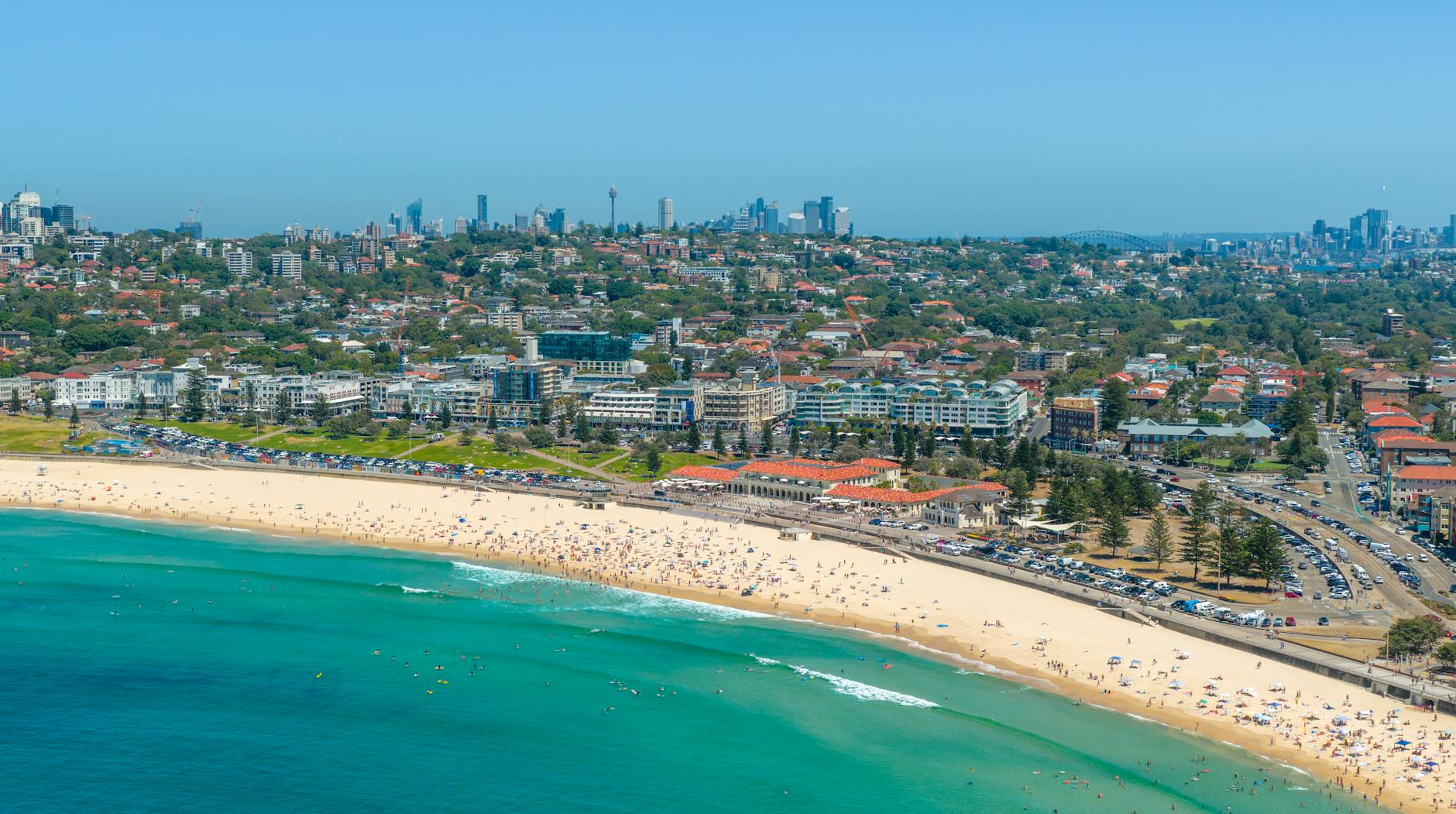
Summer is Sydney’s hottest and most humid season. Average daily temperatures range from 19°C to 26°C (66°F to 79°F), but heatwaves can push the mercury well above 35°C (95°F) and occasionally past 40°C (104°F). Humidity sits around 60–65%, making hot days feel stickier than the temperature alone suggests. Afternoon thunderstorms are common in January and February, often breaking the heat with dramatic lightning and heavy downpours that pass quickly. Ocean water temperatures reach 22–24°C (72–75°F), making it the prime season for swimming at Sydney’s famous beaches.
Summer Crowds and Costs
Summer is peak tourist season in Sydney, and December through January is the most crowded and expensive period of the year. Australian school holidays run from mid-December to late January, flooding beaches and attractions with domestic families. International visitors add to the numbers, drawn by the festive season, New Year’s Eve, and the promise of warm weather. Hotel prices can double or triple compared to winter, particularly during the Christmas-to-New-Year window when many properties impose minimum stays of three to five nights. Flights to Sydney from most international hubs are also at their priciest. If summer is the best time to visit Sydney for your plans, book accommodation and major attractions well in advance — ideally three to six months ahead.
What to Do in Summer
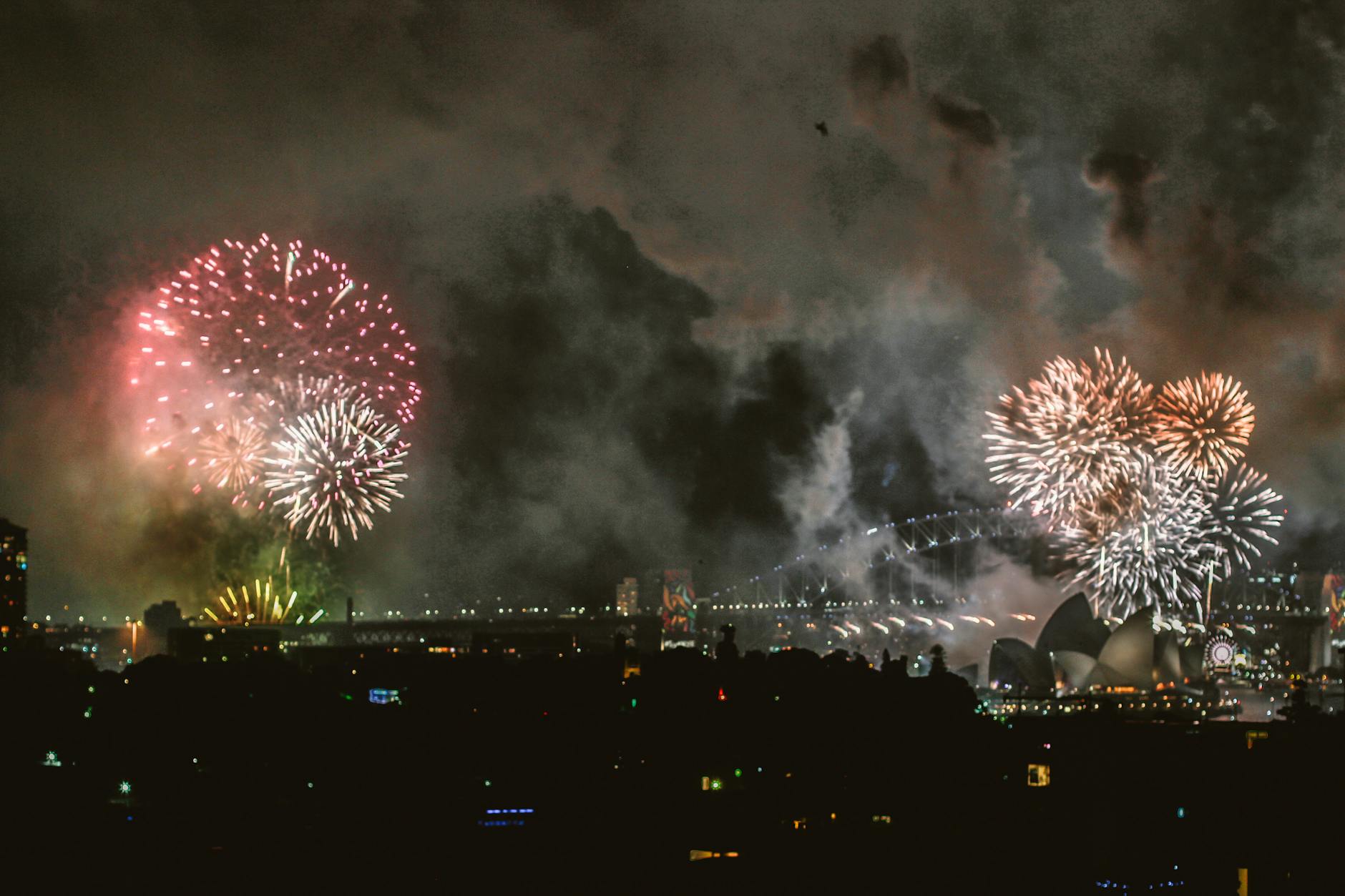
Summer is the season for Sydney’s beaches. Bondi, Manly, Coogee, and Bronte are buzzing with energy, and the Bondi to Coogee coastal walk is at its most vibrant. Check out our complete guide to things to do in Sydney for a full list of summer activities. The Sydney Festival runs throughout January, transforming the city into a stage for theatre, music, dance, and visual arts. Open-air cinemas pop up in parks and rooftop venues across the city. Whale-watching season wraps up in November, but harbour cruises, kayaking, and stand-up paddleboarding are in full swing. And of course, New Year’s Eve on Sydney Harbour delivers one of the most spectacular fireworks displays on earth, watched by over a million people lining the waterfront.
Autumn in Sydney (March–May)
Autumn Weather
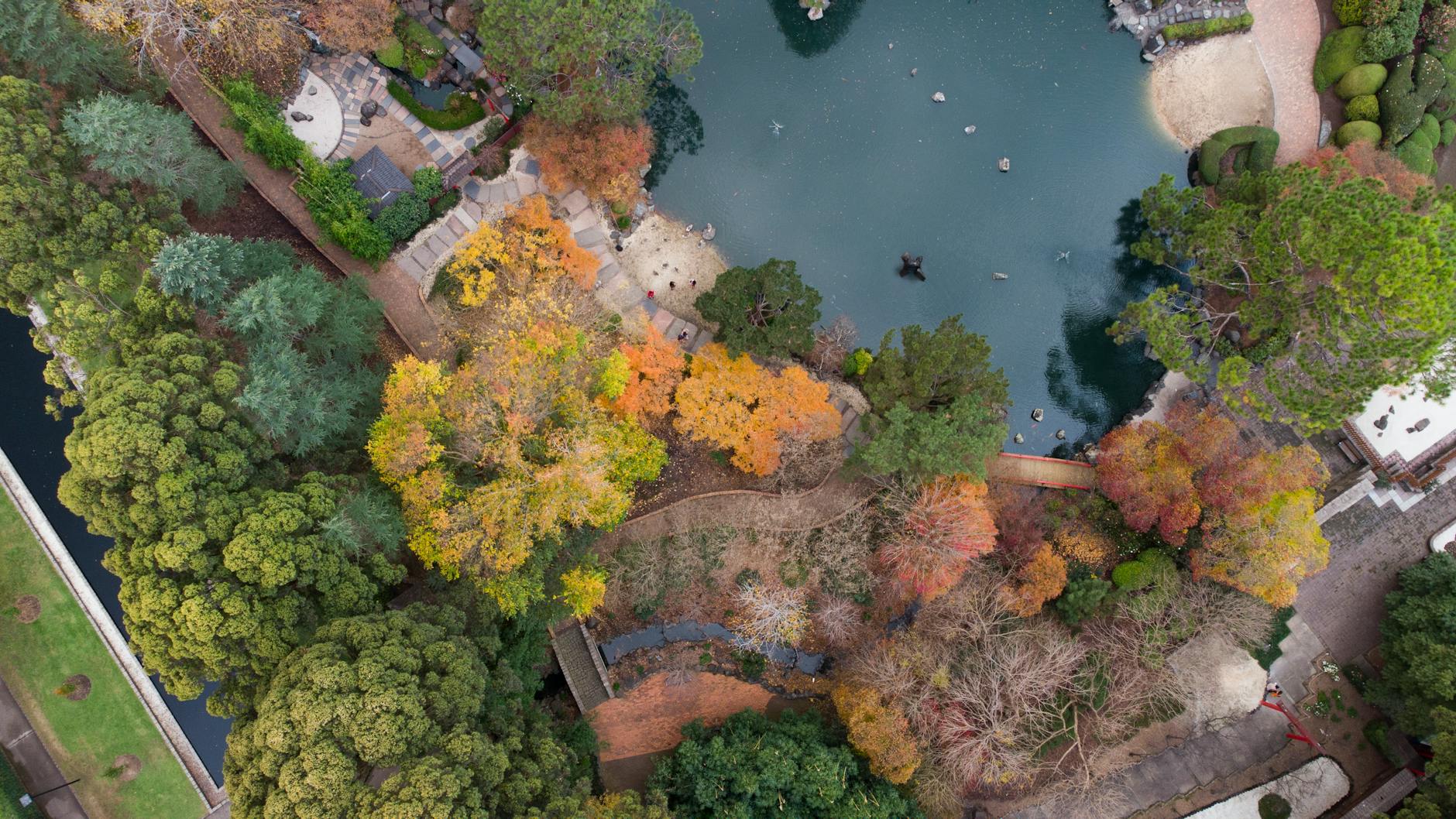
Many seasoned travellers consider autumn the best time to visit Sydney. The oppressive humidity of summer fades, temperatures settle into a beautifully comfortable range of 15–25°C (59–77°F), and the city is bathed in warm golden light. March still feels like an extension of summer, with ocean temperatures around 23°C and plenty of beach-worthy days. By May, the mornings are crisp and a light jacket is needed, but daytime temperatures remain pleasant. Rainfall peaks slightly in March (averaging around 130mm) before tapering off through April and May.
Autumn Crowds and Costs
Autumn is the beginning of the shoulder season, which means crowds thin significantly after the January–February rush. Hotel prices drop to moderate levels, and you can often find last-minute deals on quality accommodation. Flights become more affordable too, especially from April onward. The only exception is the Easter period, which sees a short spike in domestic travel. Overall, autumn offers arguably the best combination of pleasant weather, manageable crowds, and reasonable prices — making it the best time to visit Sydney for value-conscious travellers.
What to Do in Autumn
The Royal Easter Show at Sydney Olympic Park is a massive annual event in late March or April, celebrating Australian agriculture with rides, animal displays, food competitions, and fireworks. The Sydney Mardi Gras parade and festival typically falls in late February or early March, drawing hundreds of thousands of spectators. The cooler temperatures make autumn ideal for day trips from Sydney — the Blue Mountains are particularly stunning when the turning leaves add splashes of gold and red to the eucalyptus-dominated landscape. The Hunter Valley grape harvest happens in March, making it a wonderful time for wine-lovers to visit.
Winter in Sydney (June–August)
Winter Weather
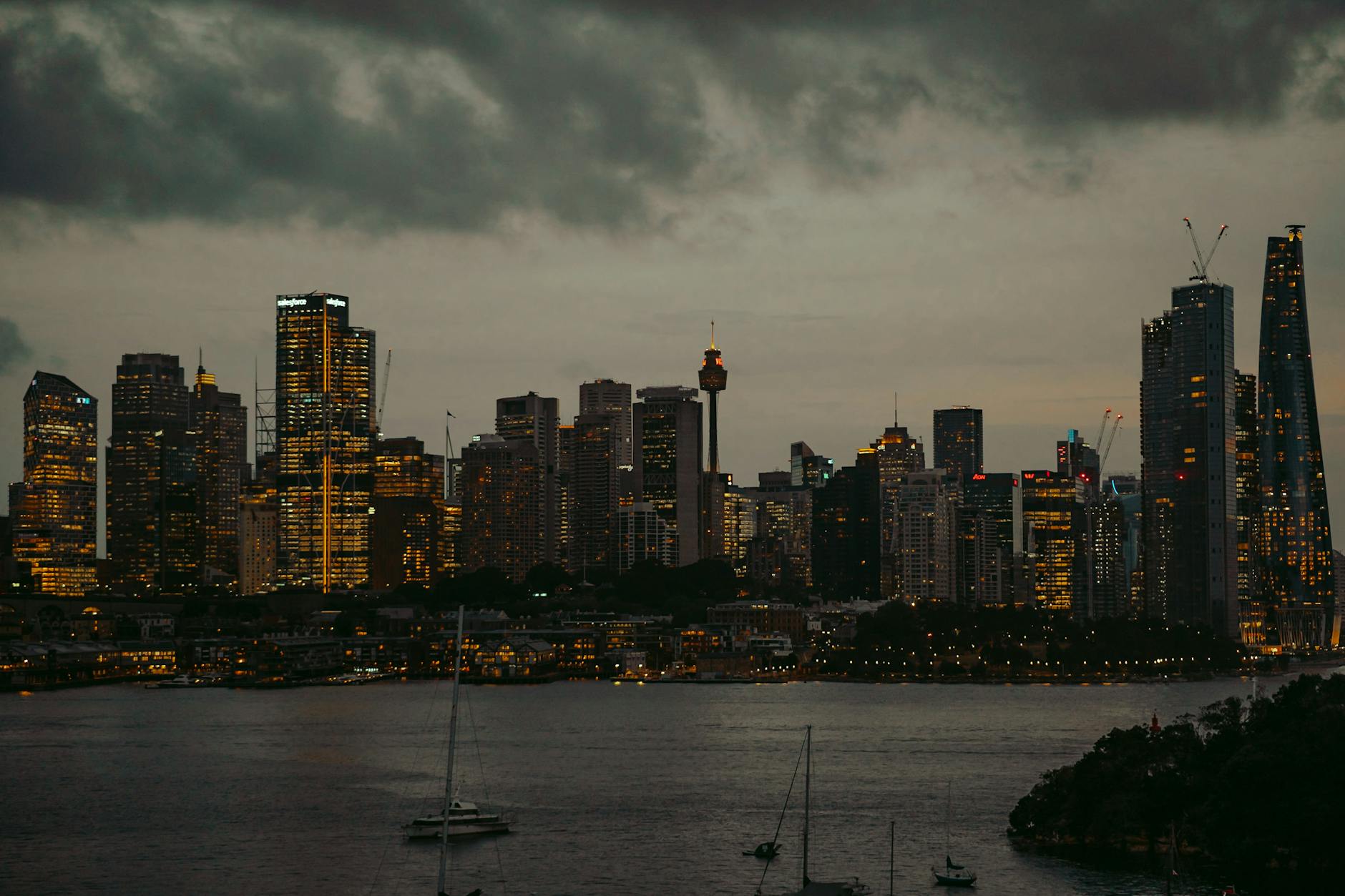
Winter in Sydney is mild by global standards but cool enough to require warm layers. Average daily temperatures range from 9°C to 17°C (48°F to 63°F). Frost is extremely rare in the city centre, and snow is virtually unheard of at sea level. Days are shorter, with sunset around 5pm in June, but the city still averages around five to six hours of sunshine daily. June tends to be the wettest winter month, averaging around 130mm of rainfall, while July and August are typically drier. The ocean cools to around 17–18°C, making swimming bracing for all but the hardiest souls.
Winter Crowds and Costs
Winter is Sydney’s low season, and this is the best time to visit Sydney if budget is your primary concern. Hotel rates drop to their lowest, with discounts of 30–50% compared to peak summer prices. International flight deals are common, and popular attractions have significantly shorter queues. Australian school holidays fall in late June to mid-July, causing a modest domestic uptick, but nothing approaching summer levels. You will have restaurants, museums, and walking trails largely to yourself, which makes for a far more relaxed experience.
What to Do in Winter
Vivid Sydney is the city’s blockbuster winter event, running for several weeks in May and June. This festival of light, music, and ideas transforms the Sydney Opera House, Harbour Bridge, and surrounding areas into a dazzling canvas of projections, installations, and illuminated sculptures. It is genuinely one of the most spectacular events in Sydney and attracts millions of visitors. Winter is also prime whale-watching season, with humpback whales migrating north along the coast from May through August — you can spot them from headlands like South Head or take a dedicated cruise from Circular Quay. The cooler temperatures make winter ideal for exploring Sydney’s world-class museums, galleries, and restaurant scene.
Spring in Sydney (September–November)
Spring Weather
Spring rivals autumn as the best time to visit Sydney for weather. September starts cool but rapidly warms, and by November the city is firmly in beach mode with temperatures of 20–25°C (68–77°F). September is historically Sydney’s driest month, averaging just 68mm of rainfall, and November is often the sunniest, with nearly eight hours of sunshine per day. Humidity is low compared to summer, making the warmth feel pleasant rather than oppressive. Ocean temperatures climb from around 18°C in September to 21°C by November — warm enough for swimming in most people’s books.
Spring Crowds and Costs
Spring is a shoulder season with growing but still manageable visitor numbers. Prices are moderate — well below the summer peak but slightly above winter lows. October school holidays bring a brief domestic travel bump, but it is far less intense than the summer holidays. November, in particular, offers an exceptional sweet spot: summer-like weather with pre-summer pricing and crowd levels. For many travellers, late October to mid-November represents the absolute best time to visit Sydney when all factors are considered.
What to Do in Spring
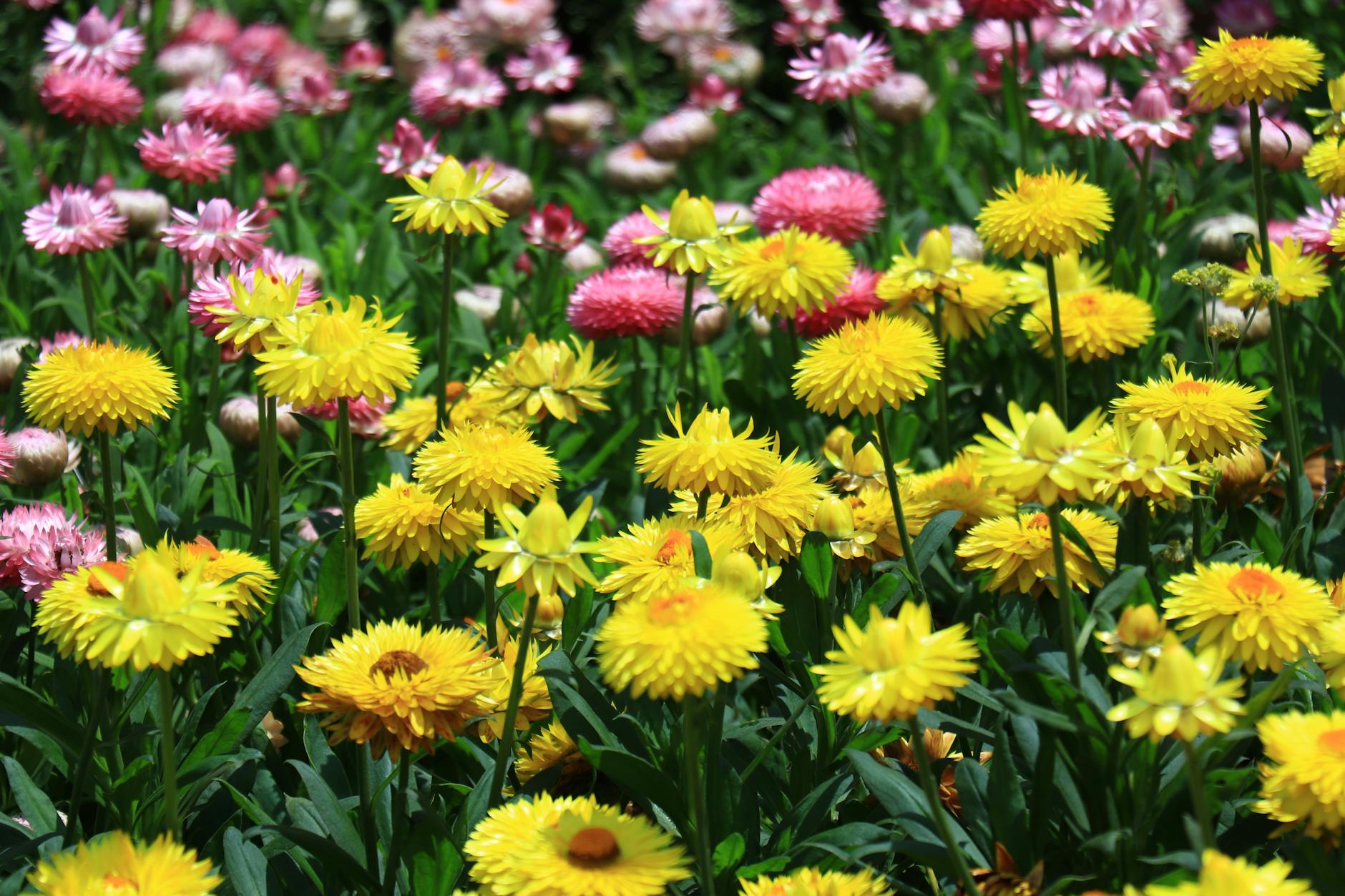
Sculptures by the Sea transforms the Bondi to Tamarama coastal walk into a stunning open-air gallery each October or November, with large-scale artworks perched along the cliffs. The return of warm weather makes spring perfect for coastal walks, harbour sailing, and alfresco dining. Jacaranda trees burst into spectacular purple bloom across the city from late October, creating some of Sydney’s most photogenic streetscapes — particularly in Kirribilli, Paddington, and around the University of Sydney. Spring is also the start of the southbound whale migration (September–November), offering another chance to see humpback whales from shore or on cruises.
Month-by-Month Guide to Visiting Sydney
January
January is the hottest month (average high 27°C) and the heart of peak season. Beaches are packed, prices are highest, and the Sydney Festival provides world-class entertainment. Australia Day on January 26 brings harbour events, flyovers, and community celebrations. Expect occasional heatwaves and afternoon thunderstorms.
February
February remains hot and humid but crowds begin to ease as school returns. It is one of the wetter months, with occasional heavy downpours. The Sydney Gay and Lesbian Mardi Gras celebrations begin, culminating in the famous parade. Hotel prices start to soften from their January highs.
March
March marks the transition to autumn, with temperatures cooling to a comfortable 22–25°C. Ocean water is still warm (23°C), making it ideal for swimming. The Royal Easter Show often falls in late March. The Hunter Valley grape harvest is underway, and the Mardi Gras parade typically occurs in early March.
April
April brings comfortably mild weather (average high 23°C) and noticeably fewer tourists. Easter holiday timing varies but often falls in April, causing a short domestic travel bump. Autumn colours appear in the Blue Mountains and parks. Hotel prices are moderate to low. It is an excellent month for outdoor activities and sightseeing without the summer heat.
May
May is the gateway to winter, with temperatures dropping to 17–20°C and mornings growing cool. Vivid Sydney, the spectacular festival of light, typically launches in late May. Whale migration begins along the coast. Tourist numbers are low and accommodation prices are very affordable. Pack a jacket for evenings.
June
June is the coolest and often the wettest month (average 130mm rain, highs around 17°C). Vivid Sydney is in full swing, making evenings magical despite the cool temperatures. It is low season with excellent deals on flights and hotels. Whale watching is becoming more reliable as the northern migration builds.
July
July is the coldest month (average high 17°C, lows around 8°C), but it is still mild enough for outdoor exploration. School holidays from late June to mid-July bring a slight domestic surge. The city’s indoor cultural scene — museums, galleries, theatres, and restaurants — thrives. Budget travellers will find the best deals of the year.
August
August is still cool (highs around 18°C) but drier than June and July. The City2Surf fun run is a beloved August tradition — one of the world’s largest running events. Whale watching peaks as humpbacks reach the northern extent of their migration. Spring is just around the corner, and the first signs of warming appear by month’s end.
September
September heralds spring with rapidly warming temperatures (highs 20–22°C) and Sydney’s lowest average rainfall (68mm). Wildflowers bloom in the Royal National Park and along coastal headlands. The southbound whale migration begins. Crowds are light and prices remain shoulder-season affordable. Many consider September one of the best months to visit.
October
October is warm and sunny (average high 23°C) with school holidays in the first two weeks. Sculptures by the Sea opens along the Bondi coast. Jacaranda trees begin their purple bloom. The Manly Jazz Festival and other spring events add vibrancy. Ocean temperatures start to become comfortable for swimming.
November
November is arguably the single best month to visit Sydney. Temperatures reach 24–25°C with nearly eight hours of daily sunshine, but peak-season pricing has not yet kicked in. Beaches are warm enough for swimming (water temperature 21°C), jacarandas are at their peak, and the city buzzes with pre-summer energy without the Christmas crowds.
December
December is warm (average high 26°C) and marks the start of peak season. School holidays begin mid-month, and Christmas and New Year celebrations drive prices to their annual high. The Boxing Day Sydney to Hobart yacht race starts from the harbour on December 26. New Year’s Eve on Sydney Harbour is a once-in-a-lifetime experience — but plan and book months in advance.
Sydney’s Major Annual Events by Season
Events can be a deciding factor when choosing the best time to visit Sydney. The city’s calendar is packed with world-class festivals and celebrations that draw visitors from around the globe. In summer, the Sydney Festival fills January with hundreds of performances across theatre, dance, music, and visual arts, many of them free. The Sydney International Art Series brings blockbuster exhibitions to the Art Gallery of New South Wales and the Museum of Contemporary Art throughout the warmer months.
Autumn kicks off with the Sydney Gay and Lesbian Mardi Gras — one of the world’s largest LGBTQI+ celebrations, with the iconic parade typically held in late February or early March. The Royal Easter Show at Sydney Olympic Park runs for two weeks around Easter, offering agricultural exhibitions, carnival rides, food competitions, showbag pavilions, and nightly fireworks. It is one of Sydney’s most beloved family events and an authentic slice of Australian culture.
Winter is dominated by Vivid Sydney, a festival of light, music, and ideas that has grown into the Southern Hemisphere’s largest event of its kind. For three weeks in May and June, massive light projections transform the Opera House sails, the Harbour Bridge pylons, and buildings across the CBD into a mesmerising light show. Tens of thousands of people stroll the illuminated walks each night. The festival also features a rich program of live music at venues across the city and thought-provoking talks from global innovators.
Spring brings Sculptures by the Sea, an extraordinary free outdoor sculpture exhibition along the Bondi to Tamarama coastal walk, running for several weeks in October and November. Over 100 artworks from Australian and international artists are displayed against the backdrop of crashing surf and sandstone cliffs. The Manly Jazz Festival, Corroboree Sydney (a celebration of First Nations culture), and the Head of the River rowing races also feature prominently in the spring calendar. December closes the year with the Boxing Day Sydney to Hobart yacht race start and, of course, the legendary New Year’s Eve fireworks over the Harbour.
Understanding Sydney’s Microclimates
Sydney’s weather can vary noticeably depending on where you are in the metropolitan area. The eastern beaches (Bondi, Coogee, Maroubra) benefit from cooling sea breezes that arrive most summer afternoons, often dropping temperatures by 5–8°C within minutes — locals call this the “southerly buster.” The western suburbs (Parramatta, Penrith) can be 5–10°C hotter than the coast on summer days, regularly hitting 40°C during heatwaves while the beaches sit at a more manageable 30°C.
The Blue Mountains, just 90 minutes west, sit at around 1,000 metres elevation and are consistently 5–10°C cooler than Sydney’s coast. If you are visiting in winter, pack accordingly — the Blue Mountains can experience morning frosts even when the CBD is mild. The northern beaches corridor from Manly to Palm Beach has its own microclimate, tending to be slightly cooler and breezier than the harbour area. Understanding these microclimates helps you plan the best time to visit Sydney’s different precincts and pack appropriately for each day’s itinerary.
Best Time to Visit Sydney for Specific Activities
Best Time for Beaches and Swimming
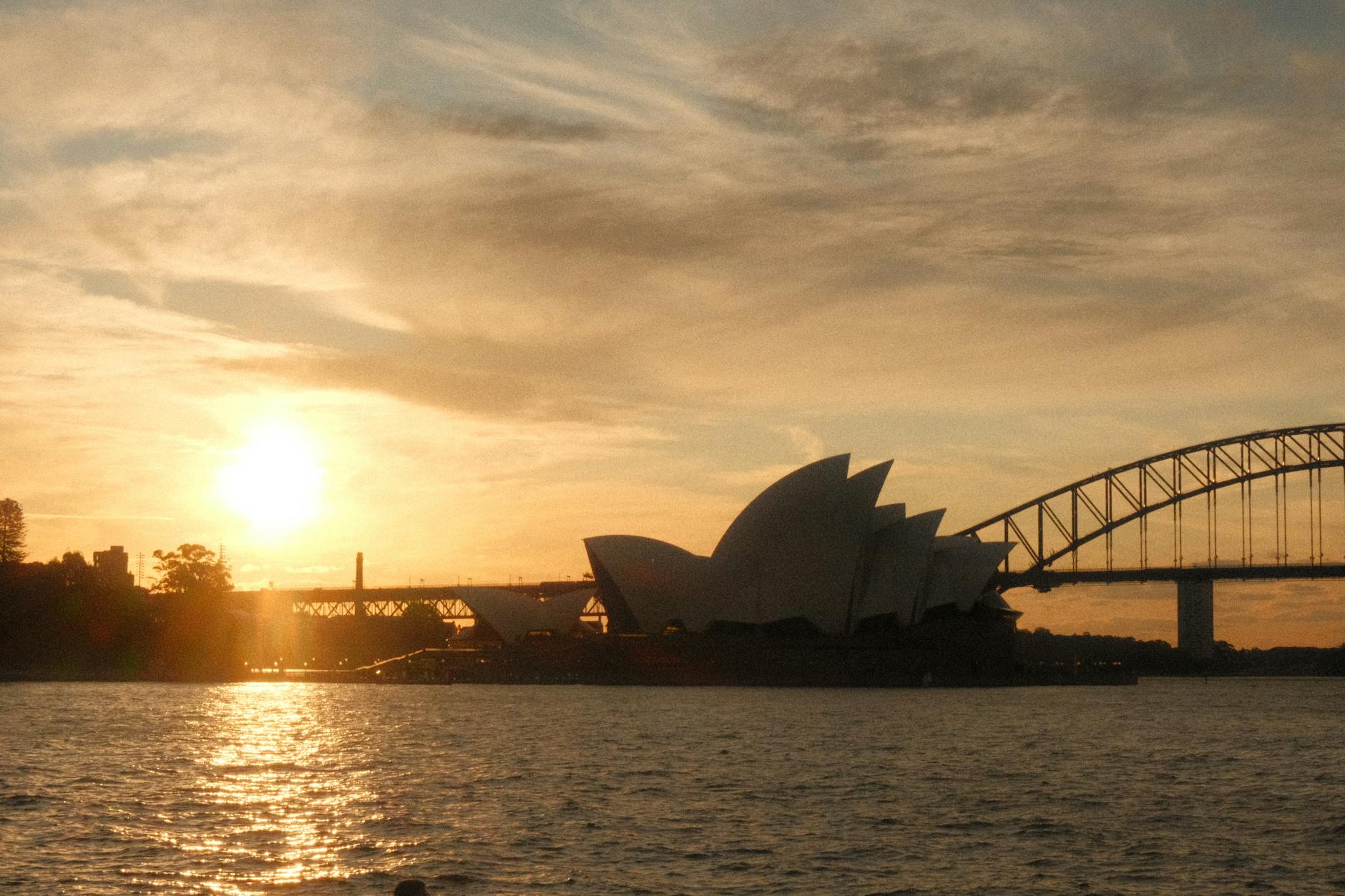
The best time to visit Sydney for beach activities is November through March, when ocean temperatures range from 21–24°C and air temperatures make spending all day on the sand comfortable. December and January are the warmest but also the most crowded. November and March offer warm water with significantly fewer people.
Best Time for Budget Travel
June through August is the cheapest period, with accommodation discounts of 30–50% off peak rates and regular flight sales. May and September extend the value window with slightly better weather at still-reduced prices. Check our accommodation guide for tips on finding the best deals year-round.
Best Time for Sightseeing and Walking
Autumn (March–May) and spring (September–November) offer the most comfortable temperatures for exploring on foot. The Bondi to Coogee walk, harbour foreshore trails, and Blue Mountains hikes are all more enjoyable when the mercury is between 18–24°C and humidity is low.
Best Time for Whale Watching
Humpback whales migrate north past Sydney from May to August and return south from September to November. The peak months for sightings are June–July (northbound) and September–October (southbound). You can spot them from coastal headlands or take dedicated whale-watching cruises from Circular Quay or Manly.
Best Time for Events and Festivals
Sydney has major events throughout the year: New Year’s Eve (December 31), Sydney Festival (January), Mardi Gras (February–March), Royal Easter Show (March–April), Vivid Sydney (May–June), and Sculptures by the Sea (October–November). If a specific event is the reason for your trip, it naturally dictates the best time to visit Sydney for you.
What to Pack for Sydney by Season
For summer visits, pack light, breathable clothing, swimwear, a wide-brimmed hat, high-SPF sunscreen (SPF 50+ is the Australian standard), and sunglasses. A light rain jacket is wise for afternoon thunderstorms. For autumn and spring, layers are key — mornings can be cool but midday warmth often calls for short sleeves. A medium-weight jacket and closed-toe walking shoes are essential. Winter requires a warm jacket, long pants, and a scarf for cooler evenings, though you will rarely need anything as heavy as a Northern Hemisphere winter coat. For getting around Sydney comfortably in any season, comfortable walking shoes are your most important item.
Water Temperature by Season
For beach lovers, ocean water temperature is often the most important factor when choosing the best time to visit Sydney. The Tasman Sea warms gradually through spring and summer, reaching its peak of around 23–24°C (73–75°F) in late February and early March. By this point the water has been heating throughout summer and retains warmth even as air temperatures begin to cool. Water temperatures remain swimmable (above 20°C) from November through April, giving beach enthusiasts a full six-month window. From May through October, water temperatures drop to 17–19°C — still tolerable for a quick dip but not comfortable for extended swimming without a wetsuit. Dedicated surfers swim year-round, and many ocean pools are popular even in winter, but casual beachgoers will want to time their visit for the warmer months.
Peak Season vs. Shoulder Season vs. Low Season Comparison
Understanding Sydney’s three travel seasons helps you weigh the trade-offs. Peak season (December–February) delivers the best beach weather, the most vibrant atmosphere, and the biggest events calendar, but at premium prices and with heavy crowds at every popular attraction. Average nightly hotel rates for a mid-range room in the CBD or eastern suburbs run $250–$400 AUD, and popular restaurants require reservations days or weeks in advance.
Shoulder season (March–May and September–November) offers the best overall balance. Weather is still very pleasant, most attractions are less crowded, and prices drop 20–40% below peak levels. You can often walk into top restaurants without a booking, find same-day availability at popular hotels, and enjoy a more authentic, less tourist-dominated experience of the city. For most visitors, the shoulder months represent the best time to visit Sydney.
Low season (June–August) is the clear winner for budget travel. Hotel rates plummet to $120–$200 AUD for comparable rooms, and package deals with flights and accommodation abound. You will need warmer clothing and will miss out on beach days, but Sydney’s cultural, culinary, and scenic attractions are just as rewarding. Vivid Sydney alone is worth timing a winter trip around. The trade-off is shorter days and cooler temperatures, but for travellers who prioritise affordability and a laid-back pace, winter is unbeatable.
Frequently Asked Questions
What is the best month to visit Sydney?
November is widely regarded as the single best month to visit Sydney. It offers warm summer-like weather (24–25°C), long sunny days, warm ocean water, blooming jacaranda trees, and relatively low tourist numbers with pre-peak pricing. October and March are close runners-up, offering similar advantages.
Is Sydney worth visiting in winter?
Yes, absolutely. Sydney’s winter is mild by world standards (average highs of 17°C), and the low season brings significant savings on accommodation and flights. Vivid Sydney in May–June is a world-class event, whale watching is at its peak, and the city’s indoor cultural offerings — museums, galleries, theatres, and restaurants — are just as rewarding in winter. You simply trade beach time for a different but equally enjoyable Sydney experience.
When is the rainy season in Sydney?
Sydney does not have a distinct rainy season like tropical destinations. Rainfall is spread fairly evenly throughout the year, with slightly higher averages in March (130mm) and June (130mm) and the driest month being September (68mm). Rain typically comes in short bursts rather than all-day downpours, so it rarely ruins an entire day of sightseeing.
When is the cheapest time to fly to Sydney?
The cheapest international flights to Sydney are typically found from late May through August (Sydney’s winter) and in the shoulder months of April, September, and early October. Avoid booking during the Christmas-to-New-Year period and January, when airfares peak. Booking three to six months in advance and being flexible with dates can yield savings of 20–40% compared to peak-season fares.
How many days do you need in Sydney?
A minimum of four to five days allows you to cover Sydney’s major highlights, including the Opera House, Harbour Bridge, Bondi Beach, and the Rocks. Seven to ten days lets you add day trips, explore multiple beach suburbs, enjoy the food scene, and experience the city at a more relaxed pace. If you plan to include day trips from Sydney to the Blue Mountains or Hunter Valley, allow at least a week. Read our complete Sydney travel planning guide for help building your ideal itinerary.
Does it snow in Sydney?
No, snow is virtually unheard of in Sydney. The city sits at sea level with a subtropical climate, so even the coldest winter nights rarely drop below 5°C in the CBD. The nearest snow falls in the Snowy Mountains, about five to six hours’ drive south. The Blue Mountains, about 90 minutes west, occasionally experience light frost and very rare sleet on the coldest mornings, but actual snowfall in the Sydney metropolitan area has not been recorded in modern history.
Is Sydney safe to visit year-round?
Sydney is one of the safest major cities in the world and is safe to visit in every season. The main weather-related concerns are UV radiation (very high in summer — always wear SPF 50+ sunscreen), occasional heatwaves (stay hydrated and seek shade), and rare but intense rainstorms that can cause localised flooding. Bushfire risk exists in surrounding national parks during hot, dry summer conditions but rarely affects the urban area directly. Rip currents at ocean beaches are a year-round hazard — always swim between the red and yellow flags at patrolled beaches.
What is Sydney like at Christmas?
Christmas in Sydney is a unique experience — think barbecues on the beach, outdoor carols by candlelight, and Christmas lunch in 30°C sunshine. The city is festively decorated from late November, with spectacular light displays at Martin Place and throughout the CBD. Christmas Day itself is relatively quiet as most businesses close, but the days around it buzz with holiday energy. Many visitors combine a Sydney Christmas with New Year’s Eve celebrations on the harbour, making it an unforgettable — if expensive — holiday experience. Booking accommodation for this period six months or more in advance is strongly recommended.