Whether this is your first visit or a long-awaited return, having the right Sydney travel guide makes the difference between a good trip and an unforgettable one. Sydney is Australia’s largest city and one of the most exciting destinations in the Southern Hemisphere, offering world-famous landmarks, stunning beaches, exceptional food, and a relaxed outdoor lifestyle that is hard to match anywhere on earth. This comprehensive planning guide covers everything you need to know — from visas and flights to budgets, itineraries, neighbourhoods, safety, and insider tips — so you can arrive confident and make the most of every day. For more information, see our Sydney Nightlife & Entertainment. For more information, see our Sydney Culture, History & Heritage.
Before You Go: Essential Pre-Trip Planning
Visa Requirements for Australia
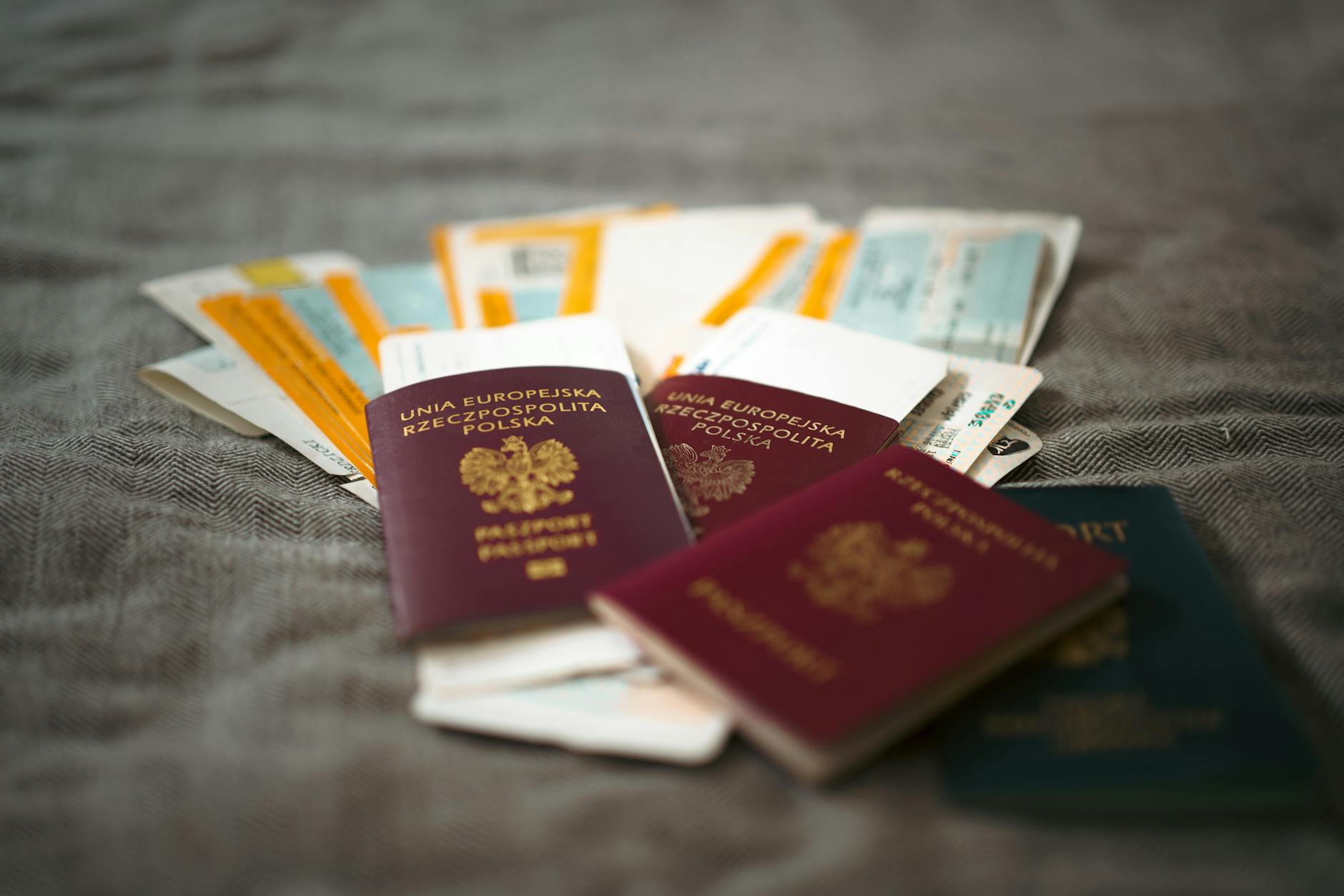
Most international visitors need a visa to enter Australia. Citizens of the United States, Canada, and most European and Asian countries can apply for an Electronic Travel Authority (ETA, subclass 601) or eVisitor (subclass 651) online — the process takes minutes and approval is often instant. These visas allow stays of up to three months. For longer visits, the Visitor visa (subclass 600) permits stays of up to 12 months. New Zealand citizens receive an automatic visa on arrival. Always check the Australian Department of Home Affairs website for the most current requirements, as rules change periodically. Apply for your visa at least two to four weeks before departure to allow processing time.
Booking Flights to Sydney
Sydney Kingsford Smith Airport (SYD) is Australia’s busiest international gateway, served by dozens of airlines including Qantas, Virgin Australia, Singapore Airlines, Emirates, Cathay Pacific, and United. Direct flights connect Sydney to major hubs in Asia, the Middle East, North America, and the Pacific. From London, flight times are approximately 22–24 hours with one stop; from Los Angeles, around 15 hours direct; from Singapore, about 8 hours. To find the best fares, book three to six months in advance, use fare comparison tools, be flexible with dates, and consider flying midweek. The cheapest flights to Sydney are typically found between May and August (Sydney’s winter). For the best arrival experience, try to book a flight that arrives in the morning — you will clear customs faster and have a full day to settle in.
Travel Insurance
Travel insurance is strongly recommended for any trip to Australia. Medical care in Australia is excellent but expensive for visitors who are not covered by a reciprocal healthcare agreement. A basic travel insurance policy covering medical emergencies, trip cancellation, and lost luggage typically costs $50–$150 AUD for a two-week trip. Australia has reciprocal healthcare agreements with the UK, Ireland, New Zealand, and several other countries, which provide limited access to Medicare — but even with these agreements, a comprehensive travel insurance policy is wise. Always read the fine print regarding adventure activities like surfing, diving, and hiking, as some policies exclude these.
Getting to and from Sydney Airport
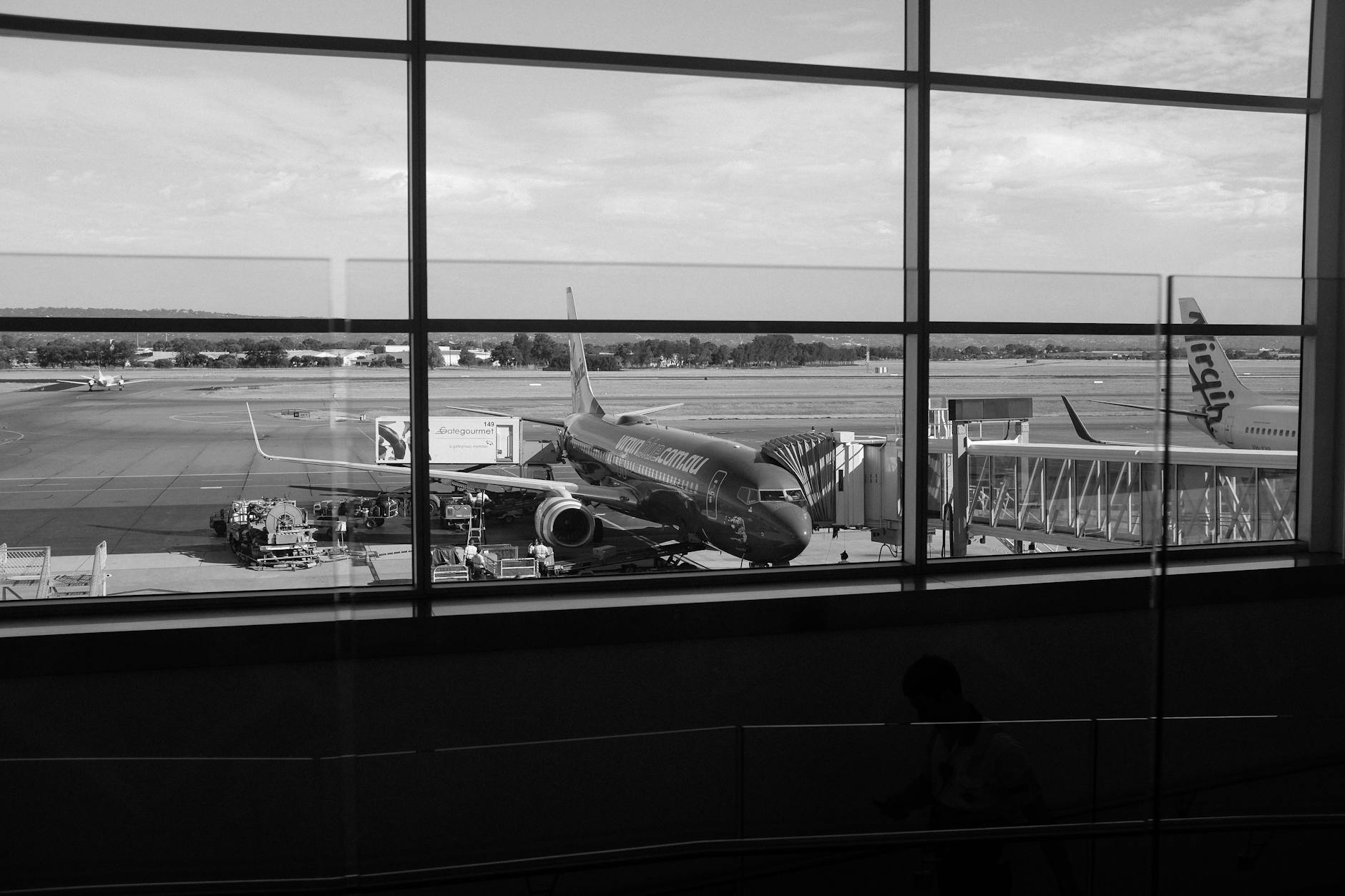
Sydney Airport is located just 8 kilometres south of the CBD, making it one of the most conveniently located major airports in the world. The Airport Link train connects both the international and domestic terminals to Central Station and the city centre in approximately 13 minutes. A one-way fare is around $19 AUD (Opal card), which includes a station access fee. Taxis from the airport to the CBD cost approximately $45–$65 AUD depending on traffic and your exact destination. Rideshare services like Uber and Didi operate from designated pickup zones at both terminals and are typically 20–30% cheaper than taxis. For detailed information on all transport options, see our complete guide to getting around Sydney.
Where to Stay in Sydney

Sydney’s accommodation landscape caters to every budget, from backpacker hostels to luxury waterfront hotels. The best area for first-time visitors is the CBD and surrounding inner-city neighbourhoods, which provide easy walking access to the Opera House, Harbour Bridge, Circular Quay, Darling Harbour, and major transport hubs. The Rocks is Sydney’s most atmospheric neighbourhood, with cobblestoned lanes and heritage buildings, while Surry Hills and Darlinghurst offer a hip, café-filled alternative. For beach lovers, Bondi, Manly, and Coogee each have their own distinct character and excellent accommodation options. For a full breakdown of neighbourhoods, prices, and recommendations, visit our guide to where to stay in Sydney.
Accommodation Budget Guide
Budget travellers can find hostel dorm beds from $35–$70 AUD per night, with private rooms in hostels or budget hotels starting around $120–$180 AUD. Mid-range hotels and Airbnb apartments typically cost $200–$350 AUD per night. Luxury hotels and waterfront properties range from $400 to over $1,000 AUD per night. Prices fluctuate significantly by season — winter (June–August) offers the best deals, while the December–January peak can see prices double or triple. Booking at least two to three months ahead is recommended for mid-range and budget options during peak season. To understand seasonal pricing better, check our best time to visit Sydney guide.
Sydney Budget and Daily Costs
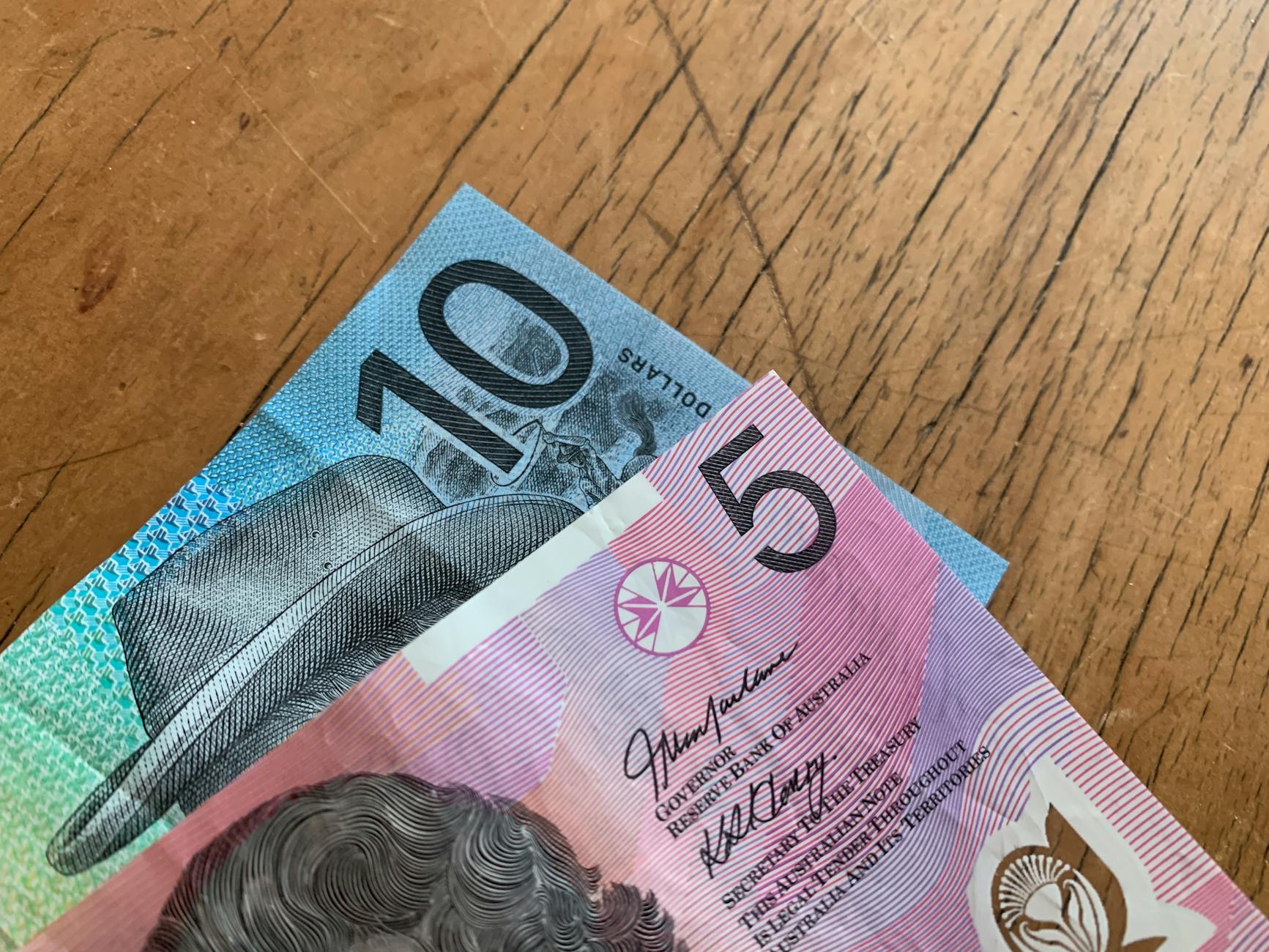
Sydney is not a cheap city, but with smart planning you can experience everything without overspending. Here is a realistic breakdown of daily costs for different travel styles. Budget travellers spending $80–$120 AUD per day can stay in hostels, eat at markets and food courts, use public transport, and enjoy the many free attractions. Mid-range travellers should budget $200–$350 AUD per day for a comfortable hotel, sit-down restaurant meals, public transport with some taxis, and paid attractions and tours. Luxury travellers can expect to spend $500+ AUD per day for premium hotels, fine dining, private tours, and premium experiences.
Money and Payment
The Australian dollar (AUD) is the local currency. Credit and debit cards are accepted almost everywhere in Sydney — in fact, many cafés and small businesses are now cashless. Contactless payment (tap-and-go) using Visa, Mastercard, and American Express is ubiquitous. Apple Pay and Google Pay are widely accepted. ATMs are plentiful throughout the city, and most international debit cards work without issues. Tipping is not expected in Australia but is appreciated for exceptional service — 10% at restaurants is considered generous. GST (Goods and Services Tax) of 10% is included in all displayed prices, so the price you see is the price you pay. International visitors spending over $300 AUD at a single store can claim a GST refund at the airport through the Tourist Refund Scheme (TRS).
Choosing the Right Neighbourhood
Where you base yourself in Sydney significantly impacts your experience. The CBD (Central Business District) and Circular Quay area put you within walking distance of the Opera House, Harbour Bridge, The Rocks, and the Royal Botanic Garden. Hotels here tend to be pricier but offer unbeatable convenience. For a more local feel, consider the inner-city neighbourhoods: Surry Hills is Sydney’s foodie heartland with some of the city’s best cafés and restaurants; Darlinghurst and Potts Point offer a blend of heritage terraces, wine bars, and leafy streets; Newtown is the bohemian quarter with street art, live music, and diverse eateries. Pyrmont and Ultimo sit near Darling Harbour and are well connected by light rail.
For beach-based stays, Bondi is the obvious choice — vibrant, social, and well connected to the city by bus. Manly offers a more village-like atmosphere with a spectacular ferry commute to the city. Coogee is quieter and more family-friendly. The Northern Beaches (Dee Why, Curl Curl, Narrabeen) are less touristy but require more travel time to reach the CBD. Each neighbourhood has its own personality, and choosing the right one sets the tone for your entire trip.
Must-See Sydney Attractions
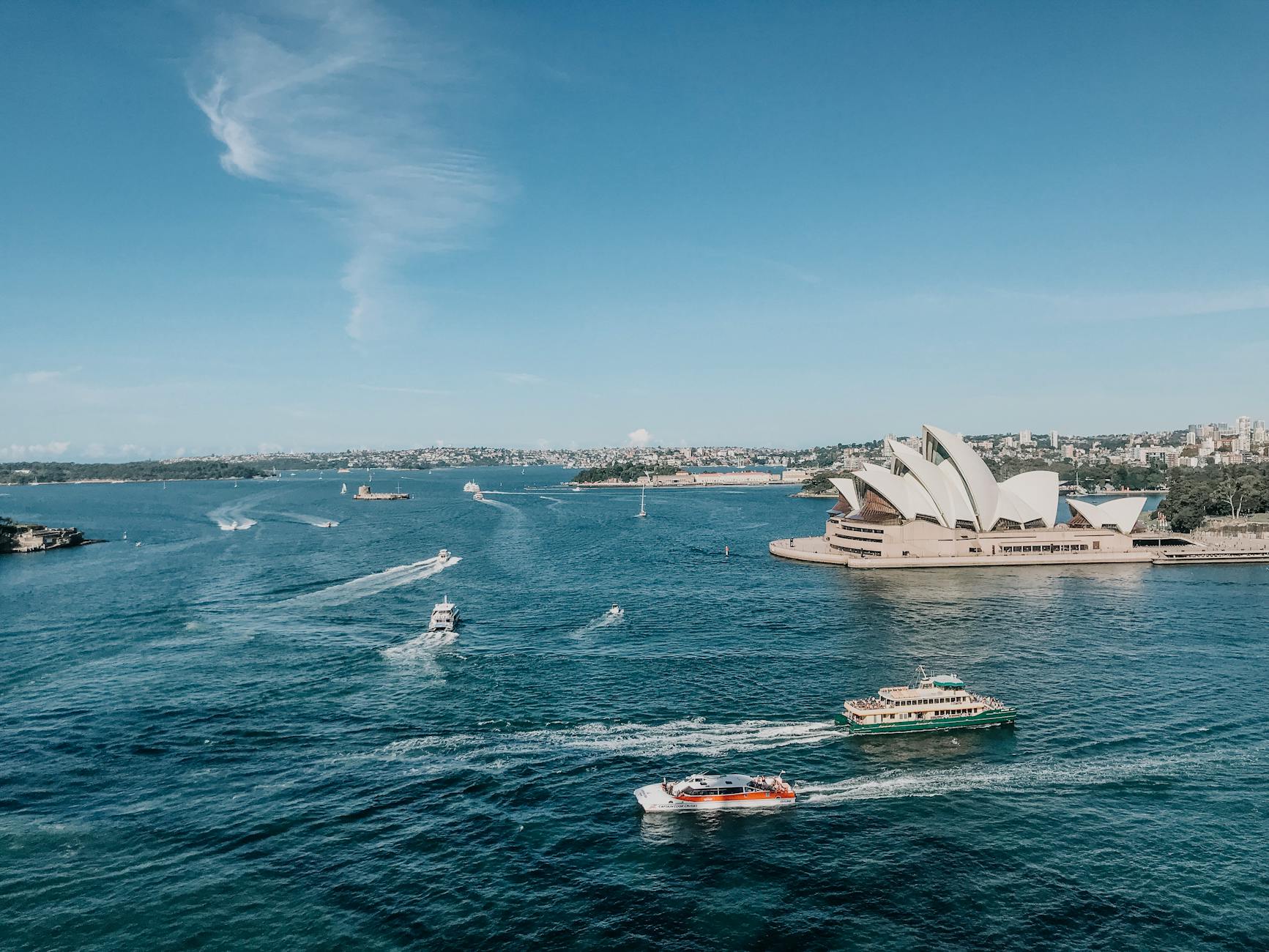
No Sydney travel guide would be complete without highlighting the city’s iconic attractions. The Sydney Opera House is a UNESCO World Heritage masterpiece and the city’s most recognisable landmark — take a guided tour of the interior to appreciate Jørn Utzon’s visionary design, or simply admire it from the harbour foreshore. The Sydney Harbour Bridge offers the famous BridgeClimb experience, where you ascend to the summit 134 metres above the water for panoramic views in every direction. For a free alternative, walk across the bridge on the pedestrian path and climb the pylon lookout ($19 AUD) for similar views.
Circular Quay is the beating heart of Sydney’s harbour precinct, where ferries depart for Manly, Taronga Zoo, and Watsons Bay. The Rocks, just steps away, is Sydney’s oldest neighbourhood, full of historic pubs, weekend markets, and cobblestone laneways. Darling Harbour is a waterfront entertainment precinct with the SEA LIFE Sydney Aquarium, WILD LIFE Sydney Zoo, the Australian National Maritime Museum, and plenty of restaurants and bars. The Royal Botanic Garden offers free entry and stunning harbour views, and is one of the most peaceful spots in the city centre. For our complete list of activities, see things to do in Sydney.
Sydney’s Best Beaches
Beaches are central to Sydney’s identity, and no trip is complete without spending time on at least one. Bondi Beach is the most famous — a wide golden crescent of surf and sand backed by cafés and a vibrant social scene. The Bondi to Coogee coastal walk connects several beautiful beaches along dramatic sandstone cliffs. Manly Beach, a 30-minute ferry ride from Circular Quay, offers a more laid-back vibe with excellent surfing, a charming pedestrian corso, and the Manly to Spit Bridge walk through Sydney Harbour National Park. Coogee, Bronte, Tamarama, and Cronulla each have their own character and are all worth exploring. For the full guide, visit our Sydney beaches page. Always swim between the red and yellow flags at patrolled beaches — rip currents are a real hazard even for strong swimmers.
Getting Around Sydney
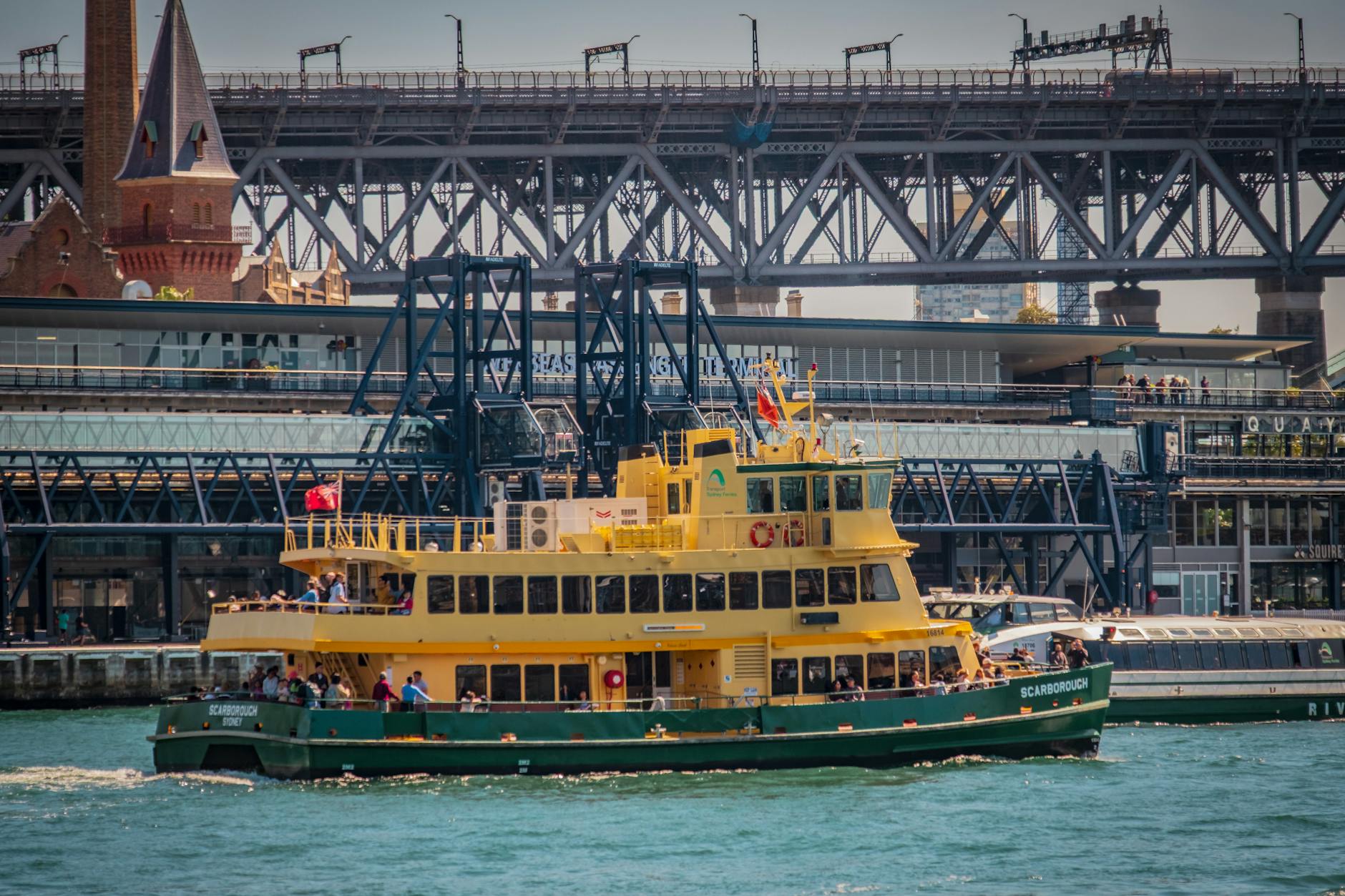
Sydney has an extensive public transport network covering trains, buses, ferries, and light rail, all integrated under the Opal card system. The Opal card is a reusable smartcard that you tap on and off at readers — fares are calculated automatically based on distance. The daily fare cap is $17.80 on weekdays and just $9.65 on weekends, making weekend travel incredibly affordable. You can also use a contactless credit or debit card directly at Opal readers. Trains are the fastest way to travel between major areas, and the ferry network is both a practical transport option and one of the most scenic harbour experiences you can have. For complete transport information, read our getting around Sydney guide.
Suggested Sydney Itineraries
3-Day Sydney Itinerary
Three days gives you enough time to hit the major highlights. On Day 1, explore the harbour precinct: start at Circular Quay, walk through The Rocks, visit the Sydney Opera House, cross the Harbour Bridge on foot, and end with dinner at a waterfront restaurant. Day 2 is for beaches — take the ferry to Manly Beach in the morning, walk the Manly to Shelly Beach path, then head to Bondi in the afternoon and walk the Bondi to Coogee coastal trail. Day 3 focuses on culture and food: explore the Royal Botanic Garden, visit the Art Gallery of New South Wales (free entry), wander through Surry Hills for lunch, and spend the afternoon at Darling Harbour.
5-Day Sydney Itinerary
With five days, you can add two incredible experiences. Day 4 is perfect for a day trip from Sydney — the Blue Mountains offer World Heritage wilderness just 90 minutes away, with the Three Sisters, Scenic World, and beautiful bushwalks. Day 5 lets you explore Sydney’s inner-city neighbourhoods: browse the markets at Paddington or Glebe, enjoy brunch in Surry Hills, visit Newtown for its street art and vintage shops, and end with sunset drinks at one of the city’s rooftop bars.
7-Day Sydney Itinerary
A full week allows you to experience Sydney like a local. Add a second day trip — the Hunter Valley wine region or the Royal National Park coast track are both outstanding choices. Use your remaining day to revisit favourite spots, explore less-touristed areas like Barangaroo, Balmain, or Watsons Bay, or simply relax on a beach with a good book. Seven days also gives you time to enjoy Sydney’s excellent food and restaurant scene more thoroughly, trying everything from harbourside fine dining to Chinatown dumplings to Marrickville Vietnamese.
Sydney Harbour Bridge and Opera House Tips
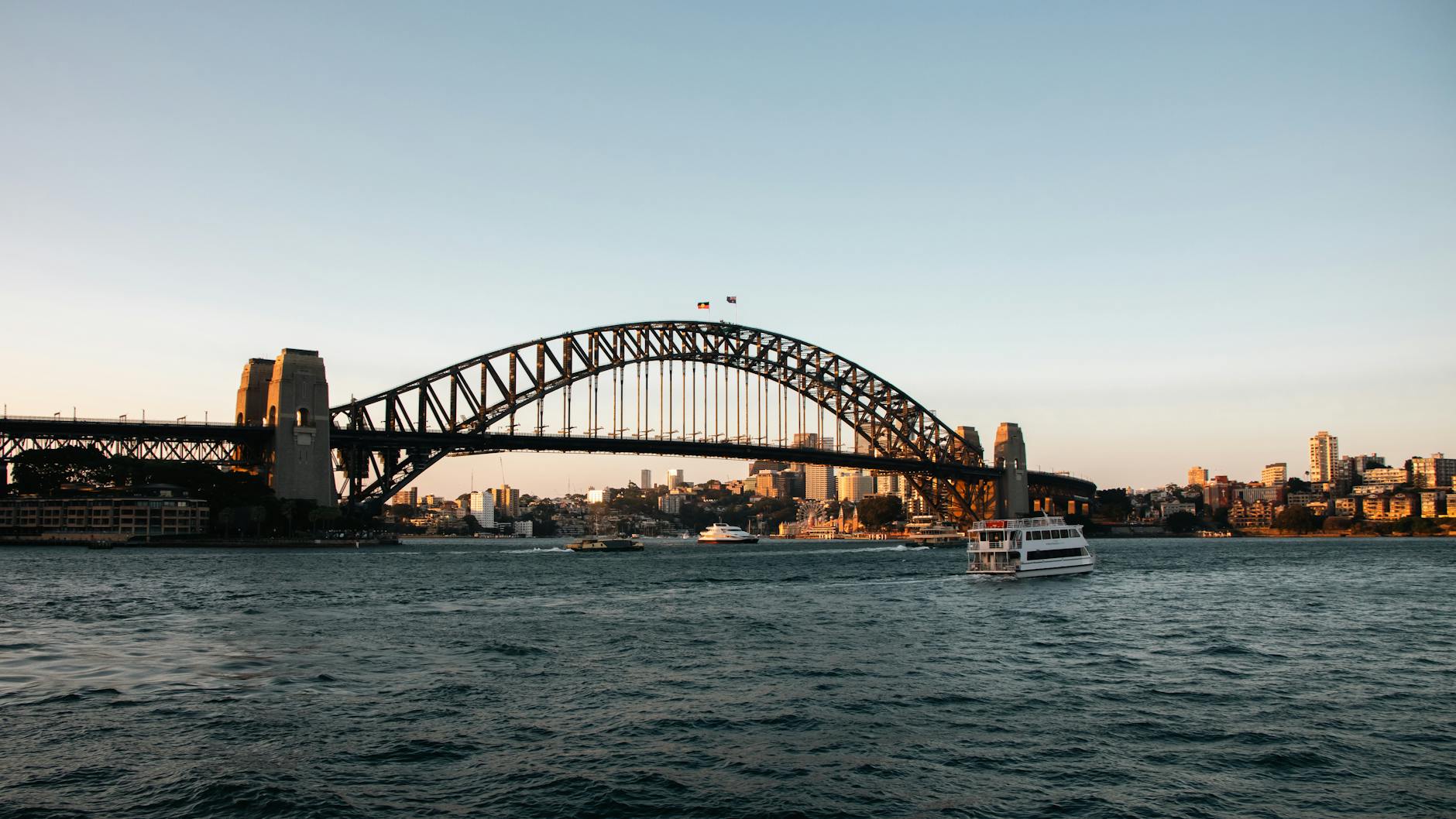
The BridgeClimb is one of Sydney’s most popular premium experiences. Climbs run at dawn, day, twilight, and night, each offering a different perspective. Prices start around $190 AUD for a standard day climb. The twilight climb is particularly popular for its combination of daylight and sunset views. If BridgeClimb is outside your budget, the pedestrian walkway across the bridge is completely free and offers excellent views. The Pylon Lookout, accessed from the pedestrian path, costs just $19 AUD and provides a similar panoramic view from inside one of the bridge’s sandstone pylons, plus a small museum about the bridge’s construction.
For the Opera House, a one-hour guided tour ($43 AUD) takes you inside the concert halls and explains the building’s remarkable history. Backstage tours ($185 AUD) offer a deeper behind-the-scenes experience including breakfast in the Green Room. Attending a performance is the ultimate way to experience the Opera House — check the calendar before your trip and book early for popular shows. The Opera Bar, located on the lower concourse beneath the sails, is one of Sydney’s most magical spots for a drink with a view.
Food and Dining in Sydney
Sydney’s food scene ranks among the best in the world, driven by multicultural influences, exceptional local produce, and a thriving café culture. Breakfast and brunch are practically a religion — expect expertly made flat whites, smashed avocado, and açaí bowls at cafés across the city. For lunch, Sydney’s food courts and markets offer incredible value: the food courts at Westfield Sydney and World Square have high-quality Asian cuisine from $12–$18 AUD. Fish and chips at Doyles on Watsons Bay or the Sydney Fish Market are quintessential Sydney experiences. For dinner, Chinatown in Haymarket is a treasure trove of dumplings, noodles, and yum cha, while Enmore and Marrickville serve outstanding Thai and Vietnamese. For our complete dining guide, visit best restaurants in Sydney.
Day Trips and Excursions
Sydney’s location makes it an exceptional base for exploring the wider New South Wales region. The Blue Mountains, a UNESCO World Heritage wilderness just 90 minutes west, is the most popular day trip and should be on every visitor’s list. The Hunter Valley wine region (two hours north) offers world-class Semillon and Shiraz tastings amid beautiful pastoral scenery. The Royal National Park, one of the oldest national parks in the world, is under an hour south and provides coastal walks, hidden beaches, and freshwater swimming holes. For more distant adventures, Port Stephens (2.5 hours north) offers dolphin watching and enormous sand dunes, while Jervis Bay (three hours south) boasts some of the whitest sand beaches on the planet. Read our comprehensive day trips from Sydney guide for detailed information on all these destinations and more.
Shopping in Sydney
Sydney offers shopping to suit every taste and budget. The Queen Victoria Building (QVB) in the CBD is a heritage Romanesque building housing designer boutiques and specialty stores — worth visiting for the architecture alone. Pitt Street Mall is the main shopping strip, anchored by Westfield Sydney and the Strand Arcade, one of Sydney’s most beautiful Victorian-era shopping galleries. Paddington Markets (Saturday) and Glebe Markets (Saturday) are beloved for handmade goods, vintage clothing, and local design. The Rocks Markets (weekends) offer arts, crafts, and gourmet food in a heritage setting with harbour views.
For outlet shopping, Birkenhead Point and DFO (Direct Factory Outlets) in Homebush offer discounted brand-name goods. Sydney’s Chinatown in Haymarket is the place for affordable electronics, Asian groceries, and gift shopping. For uniquely Australian souvenirs, look for Aboriginal art, opal jewellery, Australian-made skincare products, and locally roasted coffee beans. The Tourist Refund Scheme at the airport allows international visitors to claim back GST on purchases over $300 from a single retailer.
Events and Festivals Calendar
Sydney hosts world-class events throughout the year. New Year’s Eve (December 31) is the city’s biggest night, with fireworks over the Harbour Bridge watched by millions. The Sydney Festival (January) brings weeks of performing arts. Sydney Mardi Gras (February–March) is one of the world’s largest LGBTQI+ celebrations. The Royal Easter Show (March–April) is a beloved Australian tradition at Sydney Olympic Park. Vivid Sydney (May–June) transforms the city into a canvas of light projections and installations. Sculptures by the Sea (October–November) lines the Bondi coastal walk with world-class outdoor sculpture. For a complete events calendar, visit our Sydney events and festivals guide.
Practical Tips and Local Customs
Australians are famously relaxed and friendly. Greeting people with a casual “G’day” or “How’s it going?” is common, and you will find locals are generally happy to help with directions or recommendations. Some local customs worth knowing: tipping is not obligatory (unlike the US) but a 10% tip at restaurants for good service is appreciated; queuing is taken seriously; and Australians tend to use first names even in professional settings.
Sydney operates on Australian Eastern Standard Time (AEST, UTC+10), with daylight saving time (AEDT, UTC+11) running from the first Sunday in October to the first Sunday in April. Shops in the CBD generally open from 9:30am to 6pm Monday to Saturday, with late-night shopping on Thursdays until 9pm. Sunday trading hours are typically 10am to 5pm. Restaurants usually serve lunch from 12pm to 3pm and dinner from 6pm to 10pm, though café culture means brunch spots open as early as 7am. Smoking is banned in all indoor public spaces, at public transport stops, in outdoor dining areas, and within 10 metres of children’s playgrounds.
Safety Tips for Sydney Visitors
Sydney is one of the safest major cities in the world, and violent crime against tourists is extremely rare. Common-sense precautions apply: keep valuables secure in crowded areas, don’t leave bags unattended at beaches, and be aware of your surroundings at night. The emergency number in Australia is 000 (triple zero) for police, fire, and ambulance.
The biggest safety concerns for visitors are natural rather than criminal. Sun protection is critical — Australia has some of the highest UV levels in the world, and sunburn can occur in as little as 15 minutes on a summer day. Always wear SPF 50+ sunscreen, a hat, and sunglasses. Ocean safety is equally important: always swim at patrolled beaches between the red and yellow flags, and never underestimate rip currents. If caught in a rip, stay calm, float, and raise your arm to signal for help — do not try to swim directly against it. Dehydration is a risk on hot days, so carry water when walking or sightseeing.
Health and Medical Information
Australia has an excellent healthcare system. In a medical emergency, call 000 (triple zero) for an ambulance. Hospital emergency departments will treat anyone regardless of insurance status, but non-residents without reciprocal healthcare coverage will be billed for treatment. For non-emergencies, walk-in medical centres (similar to urgent care clinics) are found throughout Sydney and typically charge $80–$120 AUD for a consultation. Pharmacies (chemists) are plentiful and can provide over-the-counter medications and basic medical advice without an appointment.
No vaccinations are required for entry to Australia from most countries, though a yellow fever certificate is needed if arriving from a yellow fever zone. Tap water in Sydney is safe to drink everywhere and is of high quality — there is no need to buy bottled water. Australia’s sun is exceptionally strong due to the thin ozone layer, so sun protection is genuinely important rather than optional. If you take prescription medications, bring enough for your entire trip plus a few extra days, and carry a letter from your doctor explaining what the medications are, as Australian customs can be strict about undeclared medicines.
Travelling with Special Needs
Sydney has made significant investments in accessibility. Most major attractions, hotels, restaurants, and shopping centres are wheelchair accessible. All trains and light rail vehicles are accessible, and most buses are low-floor with wheelchair ramps. Ferries have accessibility provisions though older wharves can present challenges. Companion Card holders from some Australian states and territories receive free or discounted entry to attractions. The Sydney Opera House, Taronga Zoo, and most museums offer accessibility services including wheelchair loans, Auslan (Australian Sign Language) interpreted tours, and audio descriptions. Accessible beaches with beach wheelchair hire include Bondi, Manly, and Shelly Beach.
Packing Essentials for Sydney
What you pack for Sydney depends on the season, but some items are universally essential. Sunscreen (SPF 50+) is non-negotiable year-round — Australian sun is fierce even on overcast days. A wide-brimmed hat and quality sunglasses with UV protection are equally important. Comfortable walking shoes are essential, as Sydney rewards exploration on foot. For summer, pack light, breathable clothing, swimwear, and a light rain jacket for afternoon thunderstorms. For winter, bring layers, a warm jacket, and closed-toe shoes — but you will not need heavy winter gear. A reusable water bottle is practical, as free drinking fountains are common. A universal power adapter (Australia uses Type I, three-pronged plugs) is necessary for most international visitors. If you plan to swim at the beach, bring or buy a rash guard (rashie) for sun protection — they are standard beachwear in Australia.
Connectivity: SIM Cards, WiFi and Staying Connected
Staying connected in Sydney is easy. Free WiFi is available across much of the CBD, at shopping centres, libraries, and many cafés. For reliable data access, pick up a prepaid SIM card at the airport or any convenience store — Telstra, Optus, and Vodafone all offer tourist SIM packs starting from $30 AUD for 30–40GB of data over 28 days. Telstra has the best coverage if you plan to travel to regional areas. eSIM options are increasingly available for compatible phones. Most international phone plans also offer Australia add-ons. Power outlets in Australia use Type I plugs (three-pronged), so bring an adapter if coming from overseas.
Manly Ferry: Sydney’s Best Cheap Thrill
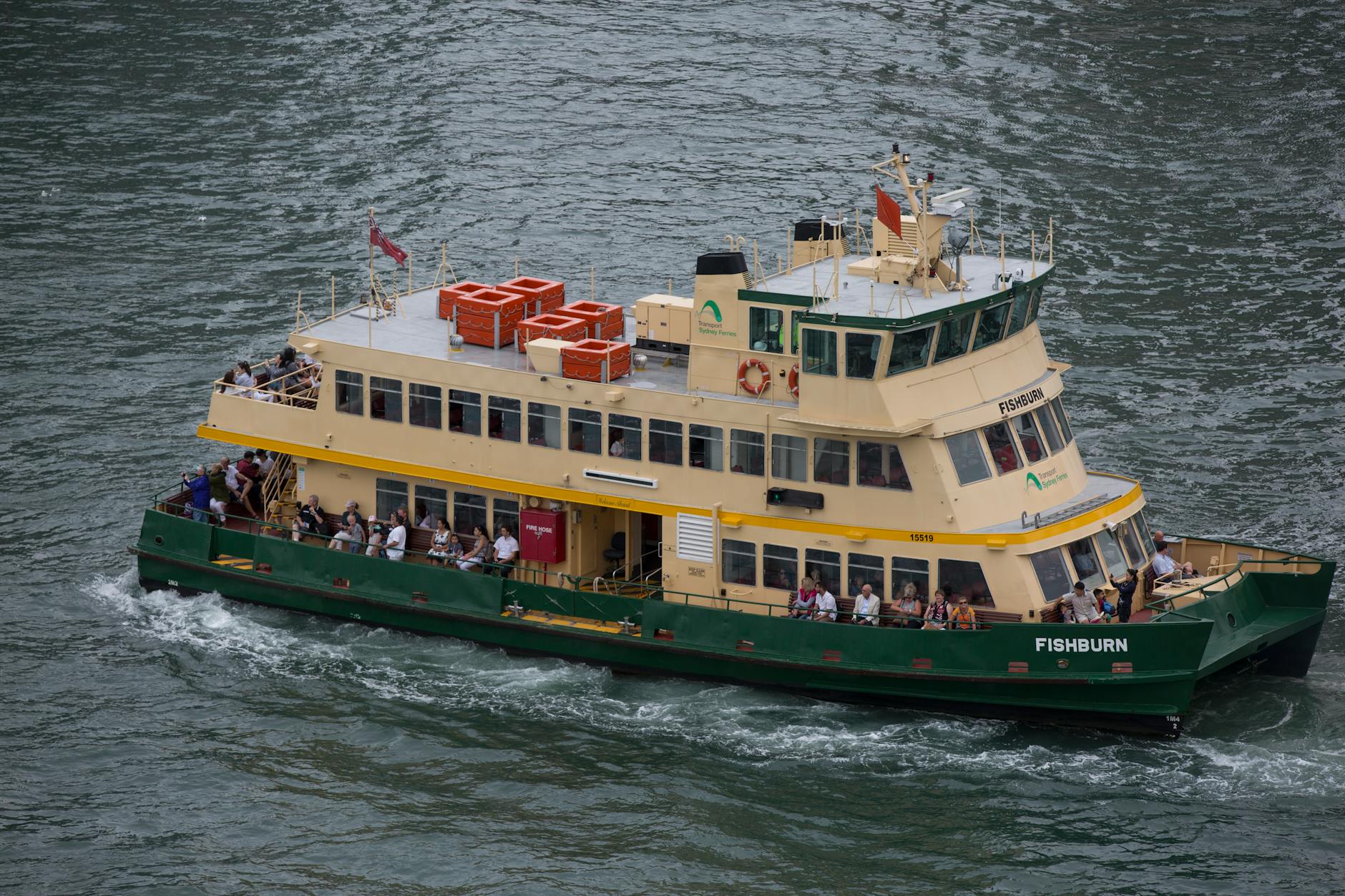
If there is one piece of advice in this Sydney travel guide that you follow, let it be this: take the ferry to Manly. The 30-minute journey from Circular Quay crosses the full breadth of Sydney Harbour, passing the Opera House, Fort Denison, and the Harbour Bridge before rounding the heads into the open ocean. It costs just a few dollars on an Opal card and is widely considered one of the world’s great public transport journeys. Sit on the right side of the ferry for the best views heading to Manly, and on the left for the return trip. Once at Manly, walk the Corso to the beach, explore the Manly Sea Life Sanctuary, or hike the Manly to Spit Bridge walk for stunning harbour views.
Common Mistakes to Avoid in Sydney
Every good Sydney travel guide should warn you about the most common mistakes visitors make. First, do not underestimate distances — Sydney is a sprawling city, and areas that look close on a map can take 30–60 minutes to reach by public transport. Plan your days geographically to minimise travel time. Second, do not skip sun protection even on cloudy days — UV rays penetrate cloud cover in Australia, and sunburn is the number-one preventable health issue for visitors. Third, do not assume every beach is safe for swimming — always swim at patrolled beaches between the flags, and ask lifeguards about conditions before entering the water.
Other common mistakes include not getting an Opal card (or using contactless) on arrival, which means paying more for individual tickets; trying to fit too much into one day rather than enjoying Sydney’s outdoor lifestyle at a leisurely pace; and not booking popular experiences in advance — the BridgeClimb, popular restaurants, and events like Vivid Sydney harbour cruises sell out weeks ahead. Finally, do not skip the ferry to Manly — it is genuinely one of the best experiences in Sydney and costs almost nothing with an Opal card. This Sydney travel guide is designed to help you avoid all of these pitfalls.
Useful Apps and Resources
Download these apps before you arrive to make navigating Sydney seamless. The Opal Travel app shows real-time transport information, trip planning, and fare calculations. Google Maps works excellently in Sydney for navigation by car, foot, and public transport. TripView is a favourite among Sydney locals for checking train, bus, ferry, and light rail timetables in real time. The BOM Weather app (Bureau of Meteorology) provides the most accurate Australian weather forecasts. Uber and Didi are the main rideshare apps. For dining, Beanhunter helps you find the best coffee shops, while Google Maps reviews are generally reliable for restaurant recommendations. If you are visiting national parks, the NSW National Parks app provides trail maps, alerts, and facility information. Having these tools on your phone transforms your Sydney travel guide into a real-time companion throughout your trip.
Sustainability and Responsible Tourism
Sydney has embraced sustainability, and visitors can easily travel responsibly. Bring a reusable water bottle — single-use plastic bottles are increasingly discouraged, and free water refill stations are found at most parks, beaches, and public spaces. Use public transport rather than taxis or rideshares where possible — Sydney’s trains, ferries, and buses run on an increasingly renewable energy mix. Respect marine and coastal environments by not touching coral, taking rubbish with you from beaches, and staying on marked tracks in national parks. Support local businesses and Indigenous-owned tourism experiences. Choose reef-safe sunscreen to protect marine ecosystems when swimming.
Frequently Asked Questions
How many days do you need in Sydney?
A minimum of four to five days allows you to see the major highlights — the Opera House, Harbour Bridge, Bondi Beach, The Rocks, and a harbour ferry ride. Seven days lets you add day trips and explore neighbourhoods at a more relaxed pace. Ten days or more allows for a thorough exploration including multiple day trips, the food scene, and hidden gems beyond the tourist trail.
Is Sydney expensive to visit?
Sydney is a premium destination, comparable in cost to London, New York, or Tokyo. However, many of its best experiences — beaches, coastal walks, harbour views, the Royal Botanic Garden, art galleries — are completely free. Budget-conscious travellers who stay in hostels, eat at markets, and use public transport can enjoy Sydney comfortably on $80–$120 AUD per day. The key to an affordable trip is visiting during shoulder season (March–May or September–November), using the Opal card’s weekend fare caps, and taking advantage of free attractions.
Do I need a car in Sydney?
No. Sydney’s public transport network is excellent and covers virtually everywhere a tourist would want to go. Trains, buses, ferries, and light rail can take you from the airport to the Blue Mountains, from Circular Quay to Manly, and from the CBD to Bondi. A car is only necessary if you plan extensive day trips to destinations like the Hunter Valley or Jervis Bay, where public transport is limited. Parking in central Sydney is expensive ($40–$80 AUD per day), and traffic congestion can be frustrating.
What language is spoken in Sydney?
English is the primary language spoken in Sydney. As one of the most multicultural cities in the world, you will also hear Mandarin, Cantonese, Arabic, Vietnamese, Greek, Italian, Korean, and dozens of other languages. All signage, menus, and official communications are in English. Australian English uses British spelling and has its own slang, but is easily understood by any English speaker.
Is Sydney safe for solo travellers?
Sydney is an excellent destination for solo travellers. The city is safe, easy to navigate, and full of social opportunities — from hostel common areas to group tours, beach volleyball, and walking groups. Solo dining is completely normal and embraced at Sydney’s cafés and restaurants. Public transport runs frequently and is well-lit and monitored. The main areas of concern are the same as any major city: be aware of your surroundings at night, secure your belongings in crowds, and always swim at patrolled beaches.
What is the best area to stay in Sydney for tourists?
For first-time visitors, the CBD, Circular Quay, or The Rocks provide the most convenient base with walking access to major attractions. Surry Hills and Darlinghurst offer a more local, hip vibe. Bondi and Manly are ideal if beach access is your priority. Each area has a different character, so the best choice depends on your travel style. Our Sydney travel guide recommends the CBD or Circular Quay for shorter stays and the beach suburbs for stays of a week or longer.
What should I not miss in Sydney?
The five experiences every visitor should prioritise are: walking across the Harbour Bridge at sunset, taking the ferry to Manly Beach, watching the sunrise at Bondi, exploring The Rocks on a Saturday (for the markets), and having dinner overlooking the harbour. Beyond these, the Bondi to Coogee walk, a show at the Opera House, and at least one day trip from Sydney to the Blue Mountains should be on every visitor’s list. For families, our Sydney with kids guide has tailored recommendations.
Can I drink the tap water in Sydney?
Yes, Sydney’s tap water is safe, clean, and tastes excellent. It comes from a protected catchment in the Blue Mountains and is rigorously tested. There is no need to buy bottled water — simply refill a reusable bottle from any tap, water fountain, or bathroom sink. Free water refill stations are located throughout parks, beaches, and public spaces across the city.
What electrical plugs does Australia use?
Australia uses Type I electrical outlets with three angled flat pins. The standard voltage is 230V at 50Hz. Most modern electronics (phones, laptops, cameras) have universal chargers that work with any voltage, but you will need a plug adapter. These are widely available at airports, convenience stores, and electronics shops. If you are travelling from the US, UK, or Europe, pick up an adapter before you arrive or buy one at the airport on arrival.
Is Uber available in Sydney?
Yes, Uber operates extensively throughout Sydney and is often cheaper than traditional taxis. Didi is another popular rideshare option. Both services pick up from designated zones at the airport (follow the signs to the rideshare pickup area). Rideshare is particularly useful for late-night travel, reaching destinations not well served by public transport, or travelling with luggage. During peak times and special events, surge pricing can make rideshares more expensive than taxis, so compare prices in both apps before booking. This comprehensive Sydney travel guide recommends having both Uber and a taxi app installed for maximum flexibility.