Understanding how to navigate Sydney’s transport network is one of the most important things you can do to make the most of your visit. This sydney transport guide covers every option available, from the efficient train and metro system and the world-famous harbour ferries to the extensive bus network, the modern light rail, taxis, rideshares, cycling, and walking. Sydney is a large, sprawling city, but its public transport system is well integrated, reliable, and surprisingly affordable once you know how it works. Whether you are heading from the airport to your hotel, catching a ferry to Manly Beach, or planning a day trip to the Blue Mountains, this guide will show you exactly how to get there. For comprehensive planning details, see our Sydney travel guide. For more information, see our Sydney Nightlife & Entertainment. For more information, see our Sydney Culture, History & Heritage.
We have designed this sydney transport guide to be practical and comprehensive, covering the payment system, fares, the best apps to use, money-saving tips, and detailed information on each transport mode. We also cover how to get from Sydney Airport to the city, the best transport options for reaching popular tourist destinations, and the common mistakes that visitors make so you can avoid them. Bookmark this page and refer back to it throughout your trip.
The Opal Card: Sydney’s Integrated Payment System
The Opal card is the key to unlocking Sydney’s entire public transport network. This contactless smartcard works across all trains, metro, buses, ferries, and light rail services throughout Greater Sydney. However, here is the good news for visitors: you do not actually need to buy a physical Opal card. Since 2023, all Sydney public transport accepts contactless payment via Visa, Mastercard, and American Express credit and debit cards, as well as Apple Pay, Google Pay, and Samsung Pay. Simply tap your card or phone at the reader when you board and again when you alight, and the fare is automatically calculated and charged.
If you do prefer a physical Opal card, they are available for purchase at airport train stations, convenience stores, newsagents, and supermarkets across the city. The card itself costs nothing, but you need to load a minimum of ten dollars in credit. Physical Opal cards can be topped up at the same retail locations, at train station machines, or online through the Transport for NSW website. The main advantage of a physical Opal card over contactless payment is that you can register it online, which protects your balance if the card is lost, and it gives you access to real-time trip history and balance tracking.
Opal Card Fares and Caps
One of the best features of the Opal system for visitors is the daily and weekly fare caps. No matter how many trips you take in a single day, your total fare is capped at nineteen dollars and thirty cents Monday through Thursday, and just nine dollars and sixty-five cents on Fridays, Saturdays, and Sundays. The weekly cap is fifty dollars. This means that on a Friday or weekend, you could take the ferry to Manly, the train to Bondi Junction, a bus to Coogee, the light rail to the Fish Market, and still pay no more than nine dollars and sixty-five cents for the entire day. These caps make Sydney’s public transport remarkably good value for tourists who plan to explore extensively.
Individual fares vary by distance and transport mode. Train fares range from roughly three dollars and seventy cents for short distances up to around seven dollars and thirty cents for longer journeys. Bus fares follow a similar distance-based structure. Ferry fares range from about six dollars to eight dollars and fifty cents. Light rail fares are between three dollars and seventy cents and five dollars and sixty cents. Children aged four to fifteen travel at half the adult fare, and children under four ride free. An important tip: always remember to tap off when you exit, as failing to do so will result in being charged the maximum fare for that journey.
Trains and Metro: The Backbone of Sydney Transport
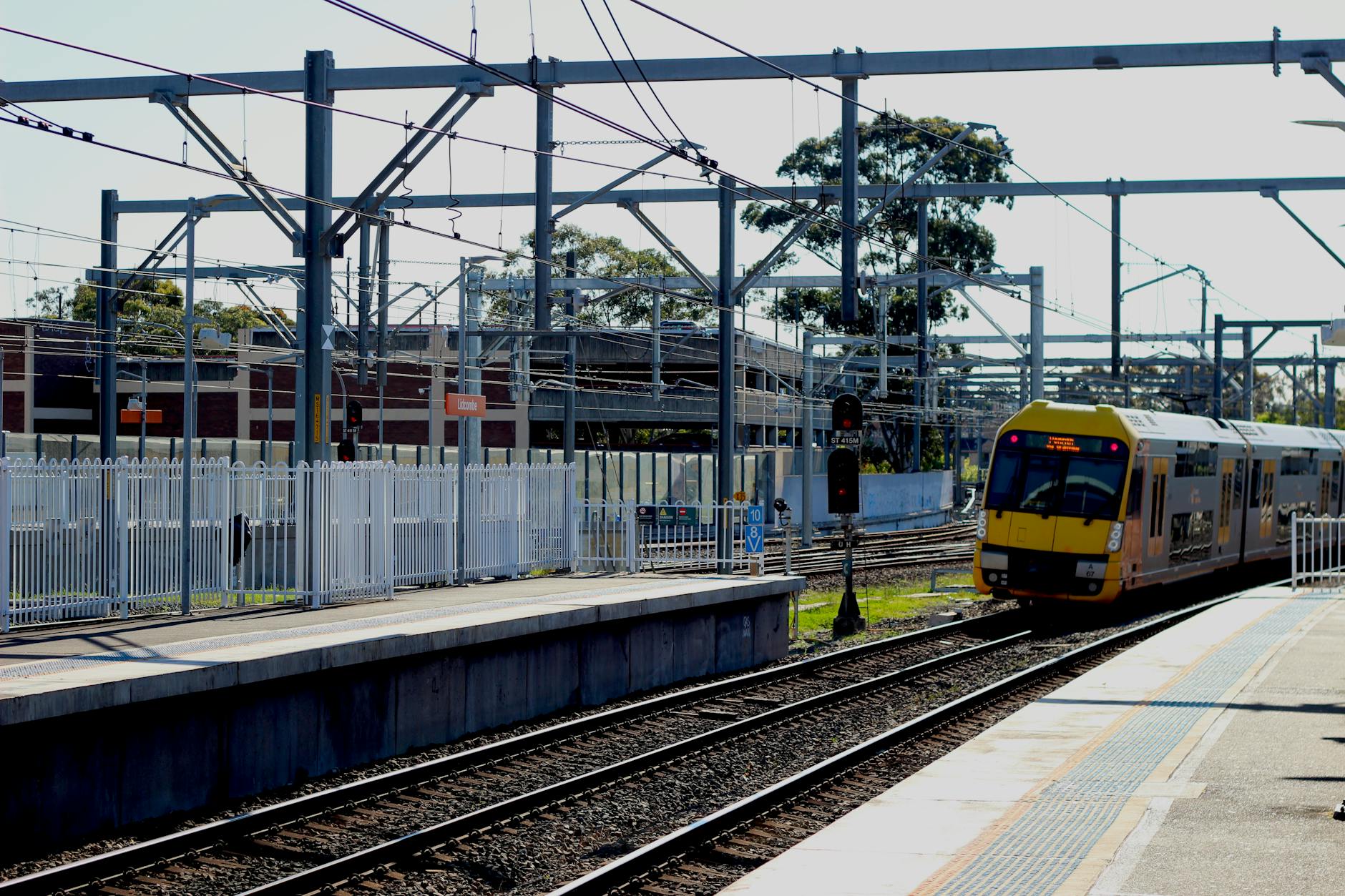
Sydney’s train network is the backbone of the city’s public transport system and the fastest way to travel longer distances. The network is operated by Sydney Trains and extends from the city centre out to the suburbs, the Blue Mountains, the South Coast, and the Central Coast. For visitors, the most useful lines radiate out from the City Circle, a loop of stations in the CBD that includes Central, Town Hall, Wynyard, Circular Quay, St James, and Museum. From these stations, you can connect to trains heading in every direction.
The Sydney Metro is Australia’s first fully automated driverless metro railway and represents a significant expansion of the network. The Metro City and Southwest line now connects Chatswood in the north through new underground stations at Crows Nest, Victoria Cross in North Sydney, Barangaroo, Martin Place, Gadigal near Central, and Waterloo, continuing south to Sydenham and along the converted Bankstown line. The metro trains run every four minutes during peak hours and are fully accessible with platform screen doors. For visitors, the new Barangaroo station is particularly useful for accessing the waterfront dining and entertainment precinct, while the Gadigal station provides an additional access point near Central and Surry Hills.
Trains operate from approximately 4am to midnight on weekdays, with some variation on weekends and public holidays. On Friday and Saturday nights, NightRide bus services replace trains on most lines after midnight, running through until the first morning trains resume. The key stations for tourists include Circular Quay for the harbour, Opera House, and ferries; Town Hall for shopping and the CBD; Central for connections to all lines and airport trains; Bondi Junction for bus connections to Bondi Beach; and Chatswood for metro connections. Train frequency is excellent during peak hours, with services every three to five minutes on the busiest lines, dropping to every ten to fifteen minutes off-peak and on weekends.
Sydney Ferries: The Best Way to See the Harbour
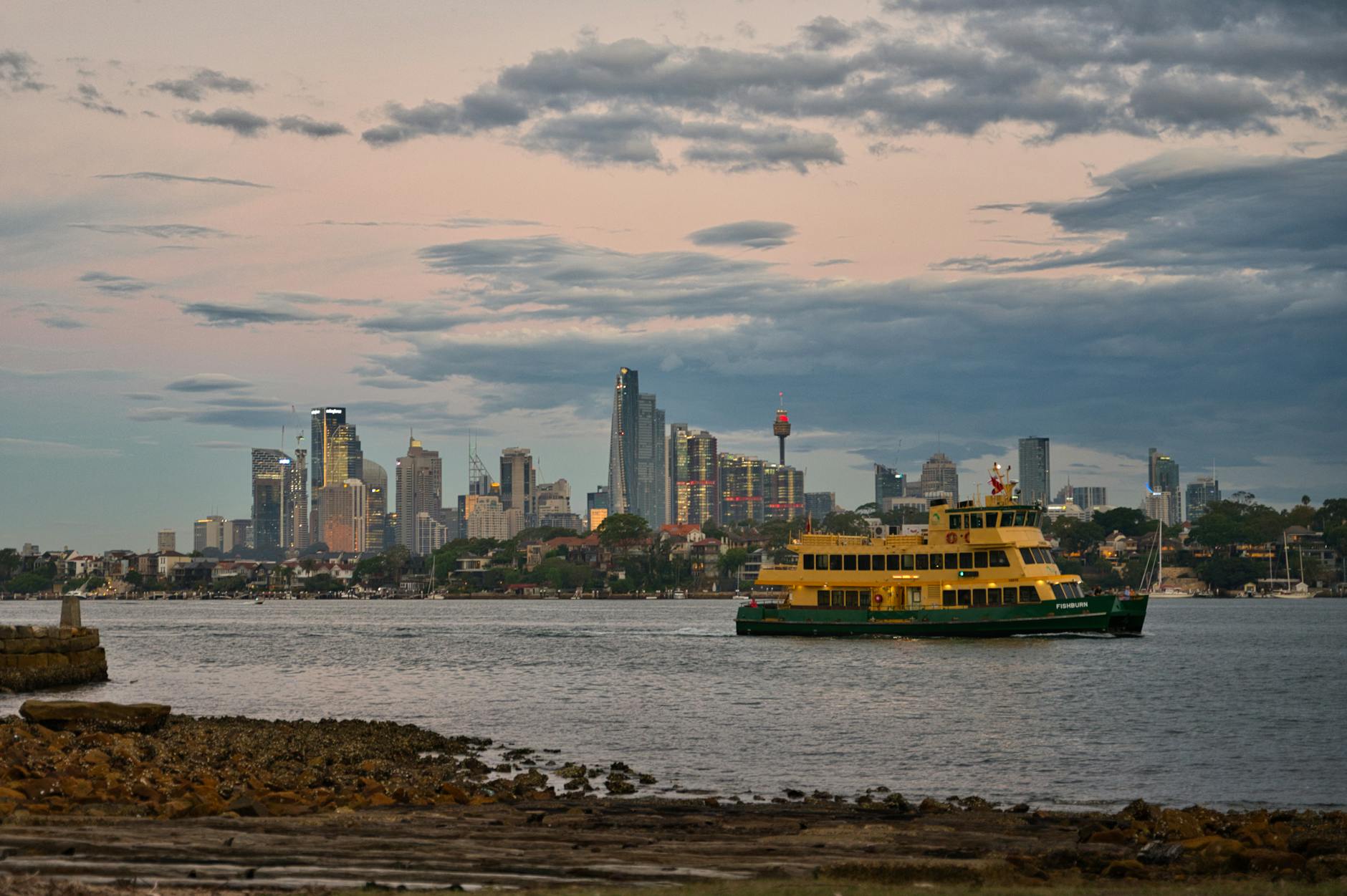
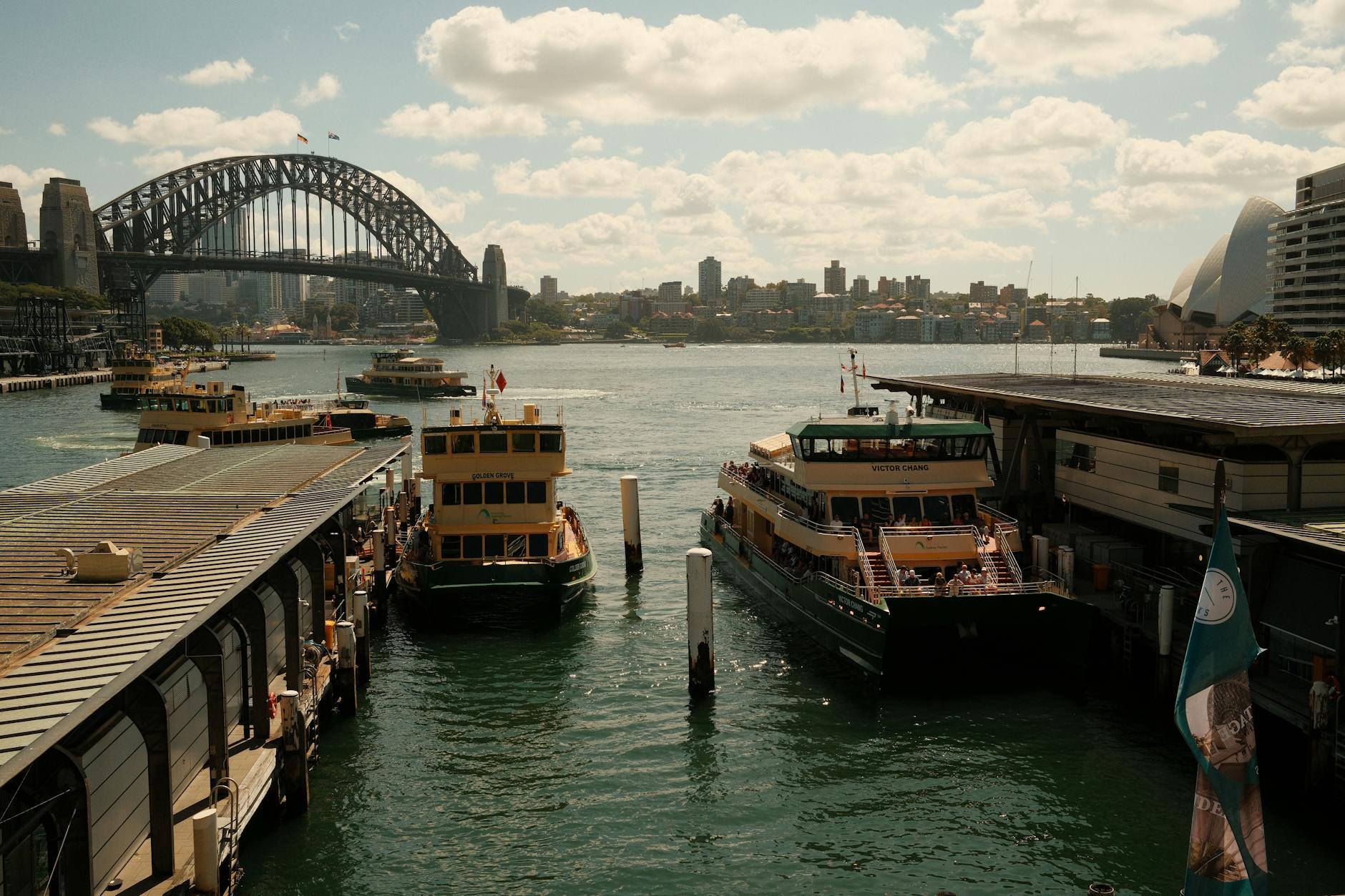
If there is one piece of advice in this sydney transport guide that you absolutely must follow, it is this: ride a Sydney ferry. The ferry network is not just a transport service; it is one of the greatest sightseeing experiences in the world, and it is included in your Opal fare. Gliding across the sparkling harbour with the Opera House on one side and the Harbour Bridge towering above you, with the city skyline stretching behind, is a memory that stays with every visitor. The ferries operate from Circular Quay, the main terminal, which is located right between the Opera House and The Rocks.
The most popular ferry route for visitors is the F1 to Manly, a thirty-minute journey that takes you from Circular Quay through the harbour heads and across to Manly Beach, one of Sydney’s most beautiful coastal suburbs. The Manly Ferry runs approximately every twenty to thirty minutes throughout the day and is one of the great bargain experiences in Sydney. Other excellent ferry routes include the F2 to Taronga Zoo, which drops you right at the zoo entrance with panoramic harbour views along the way; the F4 to Watsons Bay, a charming harbourside village with excellent fish and chips and sunset views; the F3 to Parramatta via Olympic Park, a longer river journey through Sydney’s western suburbs; and the F8 and F9 services to Cockatoo Island, a fascinating former shipyard and convict site in the middle of the harbour.
Ferries generally operate from 6am to midnight, with the Manly service running later on weekends. During peak tourist season and on sunny weekends, the most popular services can fill up, so arriving a few minutes early is wise, especially for the Manly ferry. All ferries are wheelchair accessible and allow bicycles at the captain’s discretion outside peak hours. For the best views and photos, try to get a seat on the outside upper deck. The F1 Manly ferry ride at sunset, heading back towards the city, is one of the most spectacular transport experiences you will ever have.
Buses: Reaching Every Corner of Sydney
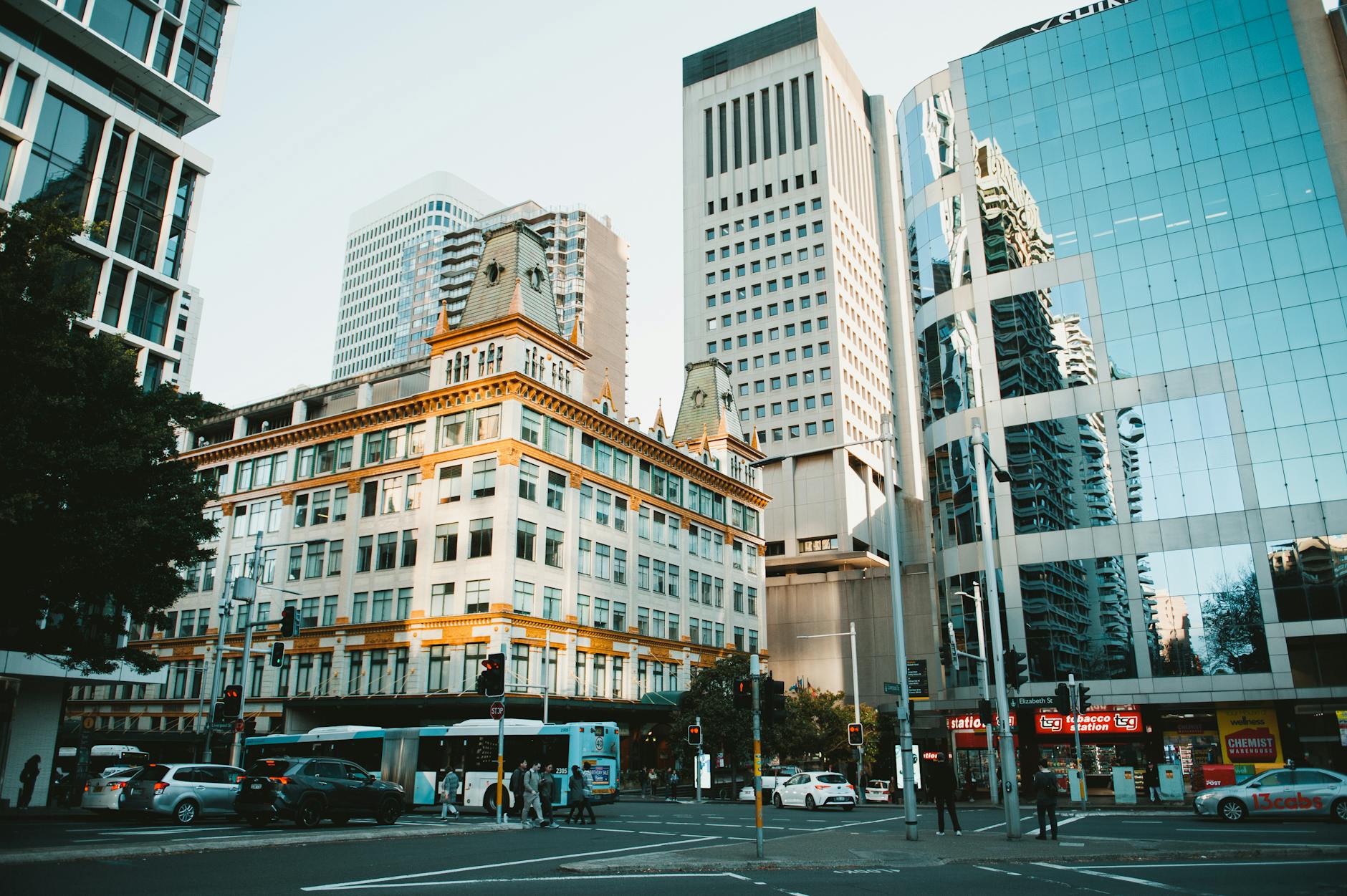
Sydney’s bus network is the most extensive part of the public transport system, reaching suburbs and destinations that trains and ferries do not cover. For tourists, buses are essential for reaching some of the most popular destinations, including Bondi Beach (routes 333 and 380 from Bondi Junction or the CBD), Coogee Beach (routes 370 and 373), and the Northern Beaches from Manly to Palm Beach (routes B1, 168, 169, and others). The bus system can feel complex at first, but the Trip Planner app simplifies everything by showing you exactly which bus to catch, where to board, and when it will arrive.
Most buses in the inner city and eastern suburbs run frequently, with services every five to fifteen minutes on major routes during the day. Outer suburban routes are less frequent. All buses accept Opal cards and contactless payment. You tap on when boarding at the front of the bus and tap off using readers near the rear doors when you exit. A few practical tips for visitors: buses do not give change, so contactless payment or an Opal card is essential. Bus stops are marked with yellow signs showing the route numbers. At night, NightRide buses replace trains on many routes and run through until early morning, ensuring you can always get home safely after a late night out.
Light Rail: Sydney’s Modern Tramway
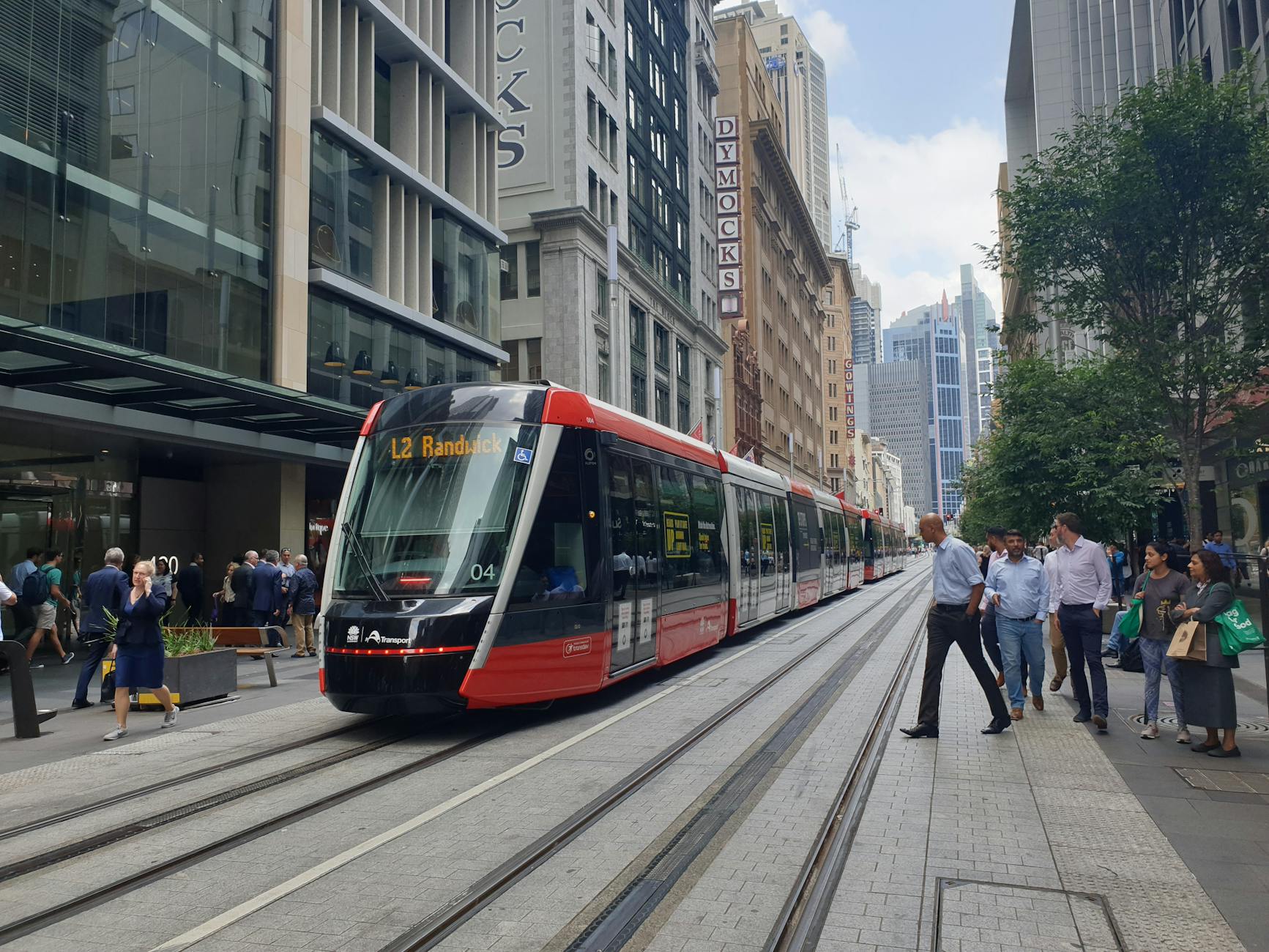
Sydney’s light rail system consists of two networks that are particularly useful for visitors. The L2 and L3 lines run from Circular Quay through the CBD along George Street, past Central Station, and out to the eastern suburbs, with the L2 continuing to Randwick and the L3 to Kingsford. These lines are excellent for reaching Surry Hills, Moore Park for major sporting events and entertainment venues, and the University of NSW area. The light rail runs along the surface of the street, offering a pleasant way to travel through the city at a slower pace than the train.
The L1 Inner West line runs from Central Station through Pyrmont, including a stop near the new Sydney Fish Market, and continues to Dulwich Hill in the inner west. This line is useful for reaching Darling Harbour, The Star casino and entertainment complex, and the diverse dining and shopping precincts of the inner west suburbs. Light rail services generally run every eight to fifteen minutes throughout the day, and fares are calculated on the Opal system just like trains and buses. The light rail is fully accessible and a comfortable way to get around the inner city without descending underground to the train platforms.
Getting from Sydney Airport to the City
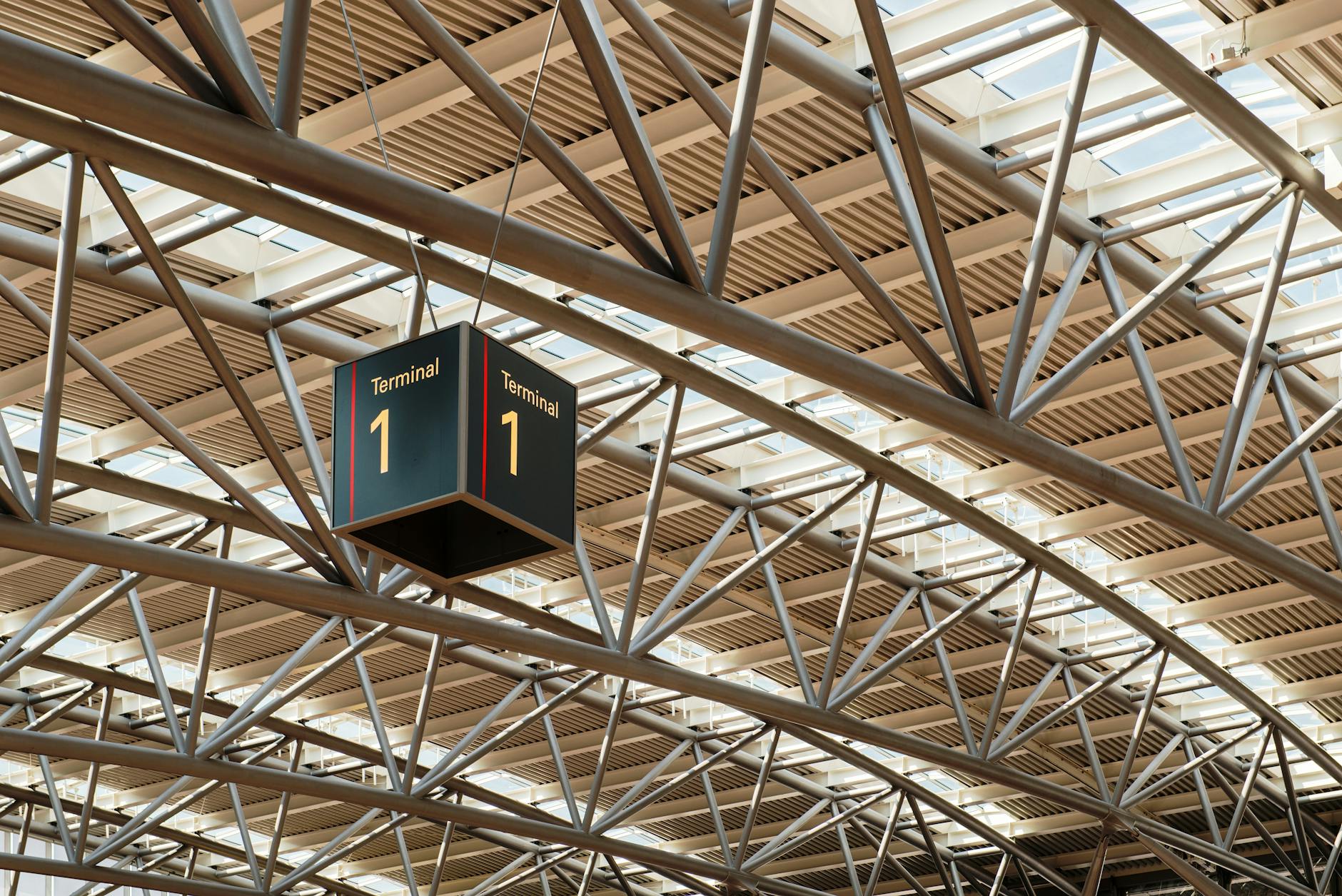
Sydney Kingsford Smith Airport is located just eight kilometres south of the CBD, making the transfer into the city relatively quick regardless of which transport option you choose. The fastest option is the Airport Link train, which takes approximately thirteen minutes from the International Terminal or Domestic Terminal to Central Station, with onward connections to all city stations. Trains run every ten minutes during the day. The standard Opal fare for this journey is approximately seven dollars, but a Station Access Fee of around seventeen dollars and ninety cents is added at the airport stations, bringing the total adult fare to roughly twenty to twenty-five dollars one way. Despite this surcharge, the train remains the most efficient option for solo travellers or couples heading to the city centre.
Taxis are readily available from ranks outside all terminals and cost approximately forty-five to fifty-five dollars to the CBD, depending on traffic and time of day. This can be a cost-effective option for two or more travellers splitting the fare, particularly if you have heavy luggage. Rideshare services including Uber, DiDi, and Ola operate at designated pickup points at each terminal, with fares typically ranging from thirty-five to fifty-five dollars under normal conditions. For budget-conscious travellers, public buses including routes 350, 420, and 400 serve the airport and cost just the standard Opal fare of four to six dollars, though travel times are significantly longer and buses may not run directly to your accommodation.
If you are planning to rent a car, all major rental companies including Avis, Hertz, Europcar, Budget, Thrifty, and Enterprise have desks at both the International and Domestic terminals. However, for visitors planning to spend most of their time in central Sydney, a rental car is generally unnecessary and can be more trouble than it is worth due to expensive parking, heavy traffic, and the efficiency of public transport. We recommend using public transport for city exploration and only renting a car if you plan extended day trips outside Sydney.
Taxis and Rideshare Services

Taxis are widely available throughout Sydney and can be hailed on the street, picked up from taxi ranks at major hotels, shopping centres, and transport hubs, or booked through apps like 13cabs and Ingogo. Sydney taxis are metered, with a flag fall of approximately three dollars and seventy cents and a per-kilometre rate of around two dollars and twenty cents. A typical journey within the CBD costs between fifteen and twenty-five dollars. Late-night surcharges apply between 10pm and 6am, and booking fees are added when you order a taxi by phone or app. All taxis accept card payment, and a receipt is always available.
Rideshare services have become extremely popular in Sydney. Uber is the most widely used, but DiDi and Ola also have significant presence. Rideshares are often cheaper than taxis for equivalent journeys, though prices fluctuate with demand through surge pricing during busy periods such as Friday and Saturday nights, major events, and rainy weather. The main advantage of rideshares for visitors is the convenience of the app-based booking, upfront fare estimates, and cashless payment. For late-night travel after public transport stops running, taxis and rideshares are your best options, with both readily available in entertainment precincts like Darlinghurst, Newtown, and the CBD until the early hours.
Cycling and Walking in Sydney
Walking is one of the best ways to experience Sydney’s most popular areas. The CBD is compact and highly walkable, and many of the major attractions around the harbour, including the Opera House, Royal Botanic Garden, The Rocks, and Circular Quay, are all within easy walking distance of each other. The famous Bondi to Coogee Coastal Walk is one of the world’s great urban walks, stretching six kilometres along dramatic clifftops and passing through six beaches. The Manly to Spit walk is another spectacular option, traversing bushland and harbour views over ten kilometres.
Cycling in Sydney has improved considerably in recent years, with expanding dedicated bike lanes and shared paths. The most popular cycling routes for visitors include the path around Sydney Harbour from the Harbour Bridge to Mrs Macquaries Point, the cycle path through Centennial Park, and the Bay Run around Iron Cove in the inner west. Helmet use is compulsory by law for all cyclists in Australia, regardless of age. Several bike hire companies operate in Sydney, and e-bike and e-scooter share services are available in many areas. The city is hilly in places, so e-bikes can make cycling a much more comfortable experience for casual riders.
Essential Transport Apps and Tools
Having the right apps on your phone will make navigating Sydney’s transport network infinitely easier. The official Transport for NSW Trip Planner is available as both a website and an app, and it provides real-time journey planning across all modes of public transport. Enter your starting point and destination, and it will show you the fastest routes, including walking directions to and from stops. The app also shows real-time arrival information for trains, buses, ferries, and light rail, so you know exactly when your next service is arriving.
Citymapper is highly recommended for visitors, as many locals consider it cleaner and more intuitive than the official app, with a particularly good interface for comparing different route options. Google Maps also works well for Sydney public transport journey planning and has the advantage of familiarity for most international visitors. For taxis and rideshares, download Uber, DiDi, or the 13cabs app before you arrive. For the Opal card, the official Opal Travel app lets you check your balance, view trip history, and top up your card on the go.
Money-Saving Transport Tips
This sydney transport guide would not be complete without some insider tips for saving money on transport. The single most valuable tip is to plan your biggest exploration days for Fridays, Saturdays, or Sundays, when the daily fare cap drops to just nine dollars and sixty-five cents. You could take the ferry to Manly, the train to Bondi Junction, a bus to the beach, the light rail to the Fish Market, and another train back to your hotel, all for under ten dollars total. This is extraordinary value compared to what you would spend on taxis or rideshares.
Other money-saving strategies include avoiding the Airport Link train if you are travelling in a group of three or more, as a taxi or rideshare split between passengers may work out cheaper per person. Use the free shuttle buses that operate in some areas, such as the 555 bus that runs through the CBD. Consider staying in accommodation near a major train station to minimise your daily transport needs. Walk between nearby attractions rather than taking transport for short distances. And remember that the Opal system rewards consistent use: after eight paid trips in a week, you receive half-price travel for the rest of the week, though the daily and weekly caps usually kick in before this becomes relevant for most visitors.
Getting to Popular Tourist Destinations
To help you plan your daily itineraries, here is a quick reference for reaching Sydney’s most popular tourist destinations by public transport. For the Opera House and Circular Quay, take any City Circle train to Circular Quay station, or the L2 or L3 light rail to the Circular Quay stop. For Bondi Beach, train to Bondi Junction then bus 333 or 380, with a total journey of about thirty to forty minutes from the CBD. For Manly Beach, take the F1 ferry from Circular Quay, approximately thirty minutes, which is by far the most enjoyable option. For Taronga Zoo, catch the F2 ferry from Circular Quay, which takes twelve minutes and drops you at the zoo wharf.
For the new Sydney Fish Market, take the L1 light rail to the Fish Market stop. For the Blue Mountains, catch a train from Central Station on the Blue Mountains line, approximately two hours to Katoomba. For the Royal Botanic Garden, walk from Circular Quay along the harbourfront path, about ten minutes. For Darling Harbour, walk from Town Hall station, about ten minutes, or take the light rail. For the Chinatown dining precinct, walk from Central or Town Hall station, about five minutes. For Newtown, take a train from Central to Newtown station, just two stops. For Watsons Bay, the F4 ferry from Circular Quay is the best option. Each of these journeys is covered by the Opal card daily cap, making extensive sightseeing remarkably affordable.
Common Transport Mistakes to Avoid
Even experienced travellers can get tripped up by a few quirks of Sydney’s transport system. The most common mistake is forgetting to tap off when exiting a train, bus, ferry, or light rail. If you do not tap off, you will be charged the maximum fare for that journey, which can be significantly more than what the trip actually cost. Always tap off with the same card or device you tapped on with. Another frequent error is using different payment methods on different legs of a journey, as the system cannot link trips made with different cards, meaning you will not benefit from transfer discounts or fare caps.
Other mistakes to avoid include catching a taxi during peak hour when a train would be faster and cheaper, not checking the last service time and getting stranded after midnight, and driving into the city and paying exorbitant parking fees when public transport would have been simpler. Also, do not assume that Bondi Beach has a train station. It does not. You need to train to Bondi Junction and then catch a bus. Finally, be aware that some express trains and buses skip certain stops, so always check the destination display or ask the driver if you are unsure whether the service stops where you need to go.
Frequently Asked Questions About Sydney Transport
Do I need an Opal card to use public transport in Sydney?
No. While the Opal card is the dedicated payment system, all Sydney public transport now accepts contactless payment via Visa, Mastercard, and American Express credit and debit cards, as well as Apple Pay, Google Pay, and Samsung Pay. Simply tap your card or phone at the reader when you board and again when you exit. The fares and caps are the same whether you use an Opal card or contactless payment.
How much does it cost to get from Sydney Airport to the city by train?
The Airport Link train takes approximately thirteen minutes from the airport to Central Station. The fare includes a Station Access Fee of around seventeen dollars and ninety cents on top of the standard Opal fare, bringing the total adult fare to approximately twenty to twenty-five dollars one way. Despite the surcharge, it remains the fastest and most reliable option for getting to the city centre.
What is the cheapest way to get around Sydney?
The cheapest way to explore Sydney extensively is to travel on Fridays, Saturdays, or Sundays when the Opal daily cap is just nine dollars and sixty-five cents. For that price you can take unlimited trips on trains, buses, ferries, and light rail throughout the day. Walking between nearby attractions and using the free 555 CBD shuttle bus also help keep costs down.
Is Sydney safe for walking at night?
Sydney is generally a very safe city for walking, including at night. The CBD, Darling Harbour, Circular Quay, and the entertainment precincts of Darlinghurst, Surry Hills, and Newtown are well-lit and active until late. As with any major city, exercise normal precautions in quieter areas and be aware of your surroundings. If you feel uncomfortable, taxis and rideshares are readily available throughout the night.
How do I get to Bondi Beach by public transport?
There is no train station at Bondi Beach. Take a train to Bondi Junction station, then catch bus 333 or 380 to Bondi Beach. The bus takes about ten minutes and runs frequently. Alternatively, bus 380 runs direct from the CBD to Bondi Beach but takes around forty minutes. The journey is covered by the Opal card, and transfers between train and bus within sixty minutes count towards your daily cap.
Can I use my international driving licence in Sydney?
Yes. Visitors can drive in New South Wales using a valid overseas driving licence for up to three months, provided the licence is in English or accompanied by an International Driving Permit. Australians drive on the left side of the road. However, for most visitors spending time primarily in central Sydney, public transport is more convenient and cost-effective than driving, due to expensive parking and heavy traffic congestion during peak hours.