Sydney beaches are the lifeblood of this spectacular harbour city. With over 100 beaches stretching from the sheltered coves of Sydney Harbour to the thundering surf of the open Pacific Ocean, Sydney offers a beach experience for every mood, skill level, and interest. Whether you want to ride world-class waves at Manly, float in the calm turquoise waters of a hidden harbour cove, walk one of the planet’s most stunning coastal trails, or simply spread a towel on golden sand and soak up the Australian sun, Sydney’s beaches deliver on every count. This is your comprehensive guide to the best Sydney beaches, from the famous icons that draw millions of visitors each year to the secret spots that even many locals have never discovered. For comprehensive planning details, see our Sydney travel guide. Check our Sydney events and festivals guide to see what’s on during your visit. For more information, see our Sydney Nightlife & Entertainment. For more information, see our Sydney Culture, History & Heritage.
We have organised this guide by region, covering the Eastern Beaches, Northern Beaches, harbour beaches, and southern beaches, so you can easily plan beach days based on where you are staying. For each beach we cover what makes it special, who it is best suited for, facilities, parking, transport access, and insider tips that you will not find in most guidebooks. We also cover Sydney’s extraordinary ocean pools, the best coastal walks, and essential beach safety information that every visitor needs to know before entering the water.
Eastern Beaches: Sydney’s Iconic Coastline
The Eastern Beaches stretch along the coastline from South Head near the harbour entrance down to Maroubra in the south. This is where you will find Sydney’s most famous beaches, including Bondi, the beach that has become synonymous with Australian beach culture around the world. The Eastern Beaches are connected by the spectacular Bondi to Coogee Coastal Walk, one of Sydney’s must-do experiences, which passes through six beaches and offers jaw-dropping ocean views at every turn. All the Eastern Beaches are accessible by bus from the CBD, with the most frequent services running to Bondi Beach via Bondi Junction station.
Bondi Beach
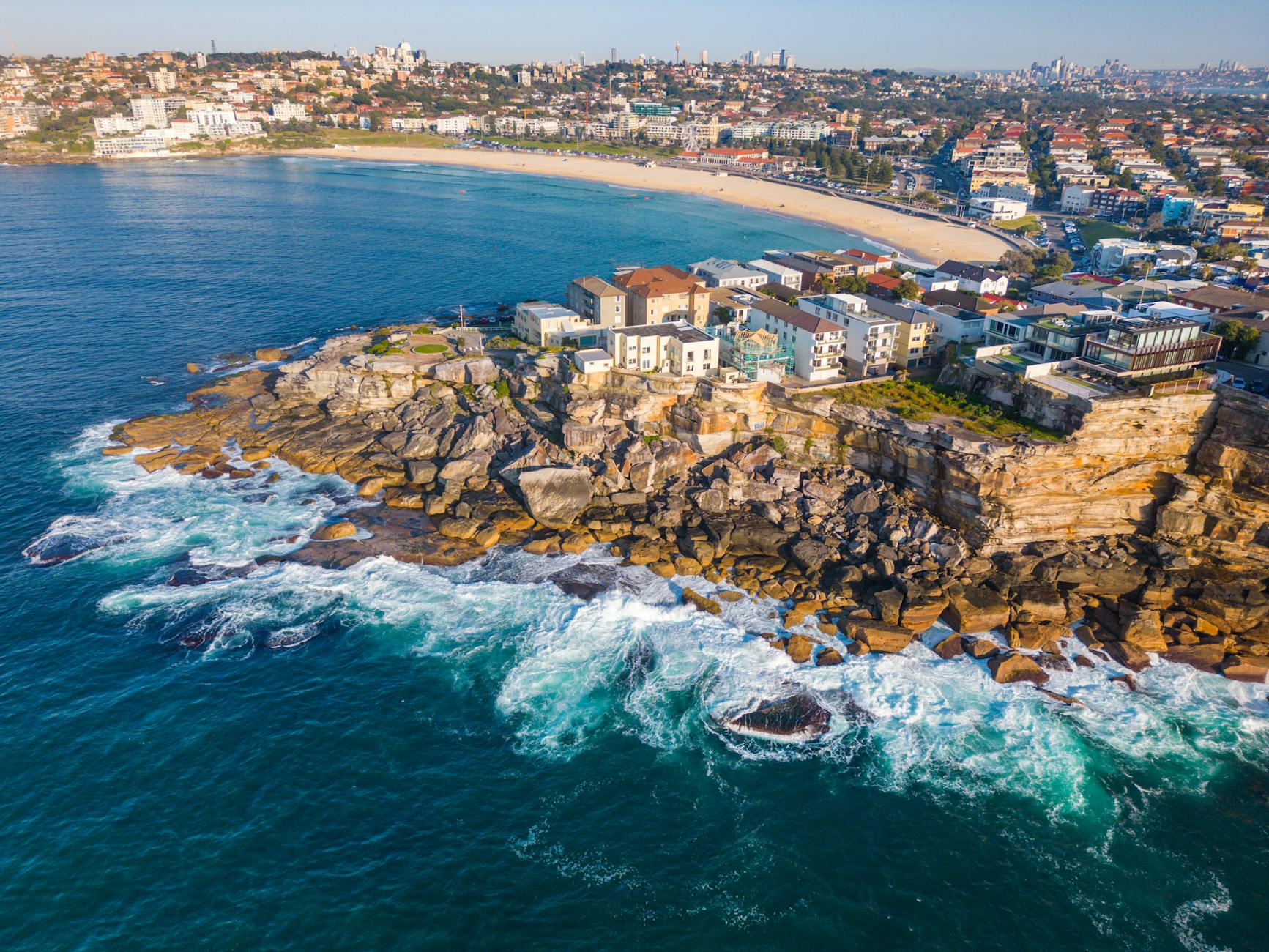
Bondi Beach is, without question, the most famous of all Sydney beaches. This one-kilometre crescent of golden sand, framed by sandstone headlands and backed by a lively promenade of cafes, restaurants, and surf shops, is a pilgrimage site for beach lovers from around the globe. The surf here is consistent and powerful, making Bondi a favourite among surfers of all levels, from beginners taking lessons in the whitewater to experienced riders tackling the peaks at the south end. The beach is patrolled by lifeguards year-round, and swimming between the red and yellow flags is both safe and enjoyable for competent swimmers.
Beyond the sand, Bondi has become a lifestyle destination in its own right. The Bondi to Bronte coastal path offers a short but spectacular clifftop walk with views that will stop you in your tracks. The Bondi Icebergs Club, perched on the southern headland, houses one of the world’s most photographed ocean swimming pools, where lap swimmers share the water with crashing waves rolling over the pool wall. Campbell Parade, the main beachfront road, is lined with everything from trendy brunch cafes and gelato shops to surf hire outlets and boutique clothing stores. The Sunday Bondi Markets at Bondi Beach Public School are a great place to browse local art, fashion, and handmade goods.
Getting to Bondi is straightforward. Catch a train to Bondi Junction and then a bus, with the total journey from the CBD taking about thirty to forty minutes. Parking at Bondi is notoriously difficult, especially on weekends and during summer, so public transport is strongly recommended. If you do drive, the paid parking areas on Queen Elizabeth Drive and Campbell Parade are your best options, though they fill quickly. The best time to visit Bondi for a more relaxed experience is early morning on weekdays, when the crowds thin out and the light is magical for photography.
Tamarama Beach
Nestled between Bondi and Bronte on the coastal walk, Tamarama is a compact pocket beach with a devoted local following. Known affectionately as Glamarama for its fashion-conscious sunbathers, Tamarama packs a surprising punch for its small size. The beach is narrow and flanked by rocky headlands, creating a dramatic amphitheatre setting. The surf here is significantly more powerful than at Bondi, with strong rip currents and dumping waves that make it unsuitable for inexperienced swimmers. Lifeguards patrol Tamarama during summer, but even experienced ocean swimmers should exercise caution. The grassy park behind the beach is a popular spot for picnics and sunset watching, and the beach hosts the annual Sculpture by the Sea exhibition trail each October and November.
Bronte Beach
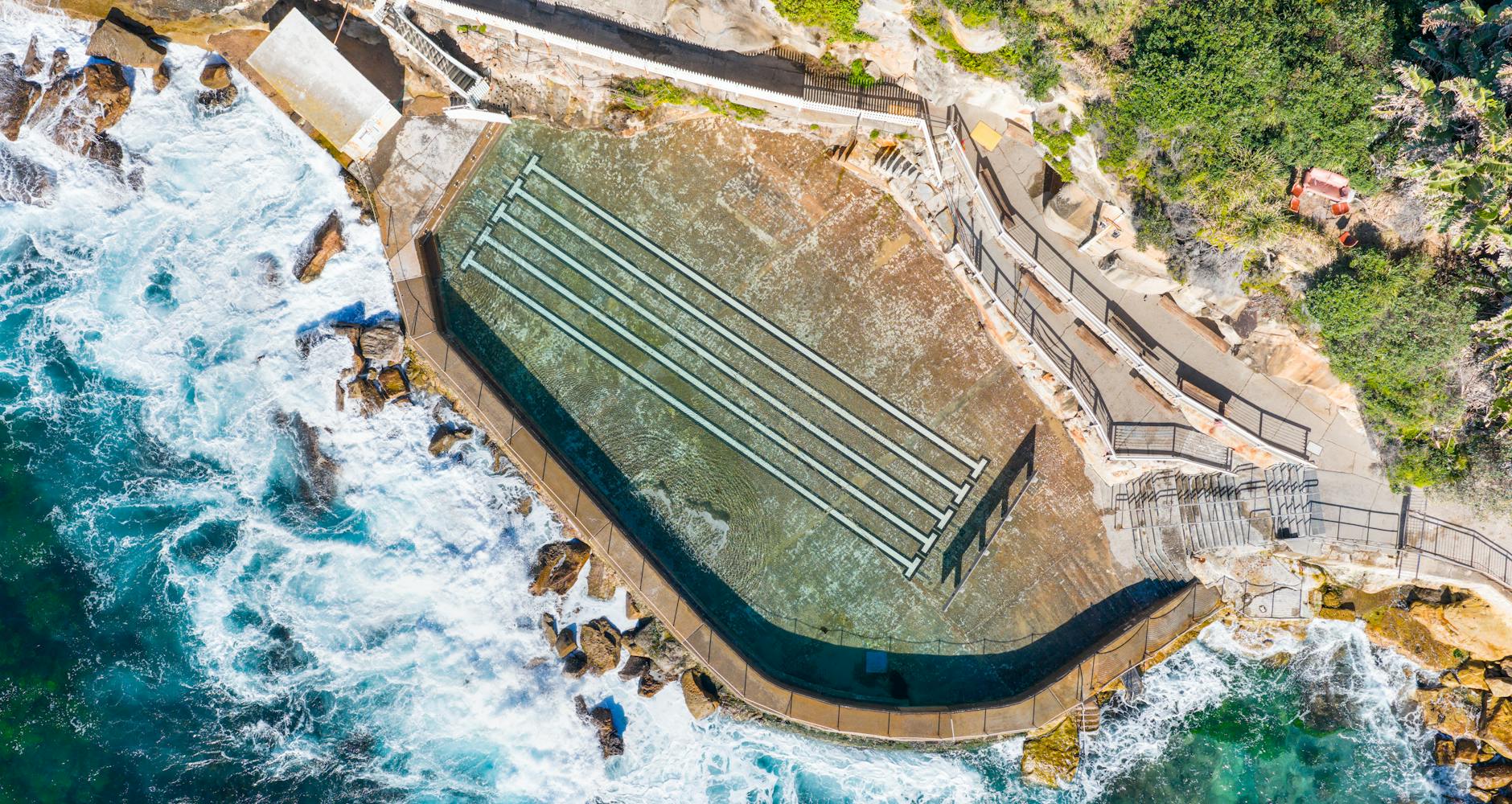
Bronte is one of Sydney’s most beloved family beaches and a personal favourite among locals who find Bondi too crowded. The beach itself is smaller than Bondi but beautifully framed by Norfolk Island pines and a large grassy park with free electric barbecues, picnic tables, a children’s playground, and a small community cafe. The surf at Bronte is moderate and the beach is patrolled during summer, making it a good option for families with older children who want to swim in the ocean. The real star of Bronte, however, is the magnificent Bronte Baths, a large ocean rock pool carved into the sandstone on the southern headland. This thirty-metre pool is free to use, open year-round, and offers one of the most dramatic swimming experiences in Sydney, with waves occasionally crashing over the pool wall to top up the water.
The Bronte to Bondi section of the coastal walk passes through here, making it easy to combine a swim at Bronte with a walk in either direction. Bus services from the CBD and Bondi Junction run frequently to Bronte, and there is limited street parking along Bronte Road and the surrounding residential streets. Bronte is also the starting point for the walk south to Clovelly and Coogee, passing through the charming Waverley Cemetery, one of the most scenic resting places in the world with its clifftop ocean views.
Clovelly Beach
Clovelly is unlike any other beach in Sydney. Rather than a traditional sandy bay, it is a long, narrow inlet flanked by concrete platforms and promenades on both sides, creating a sheltered channel of calm, crystal-clear water. This unique formation makes Clovelly one of the safest swimming spots on the Eastern Beaches and an outstanding location for snorkelling. The water is home to a surprising variety of marine life, including blue groper, octopus, and colourful reef fish, and the clear conditions mean visibility is often excellent. Children can snorkel safely in the shallows, while more confident swimmers can explore the deeper sections near the inlet entrance.
The concrete terraces are popular for sunbathing, and a small kiosk at the top of the inlet serves coffee and snacks. Clovelly has its own bus stop and is a pleasant walk from either Bronte or Coogee along the coastal track. Parking is extremely limited, so arrive early or take public transport.
Coogee Beach
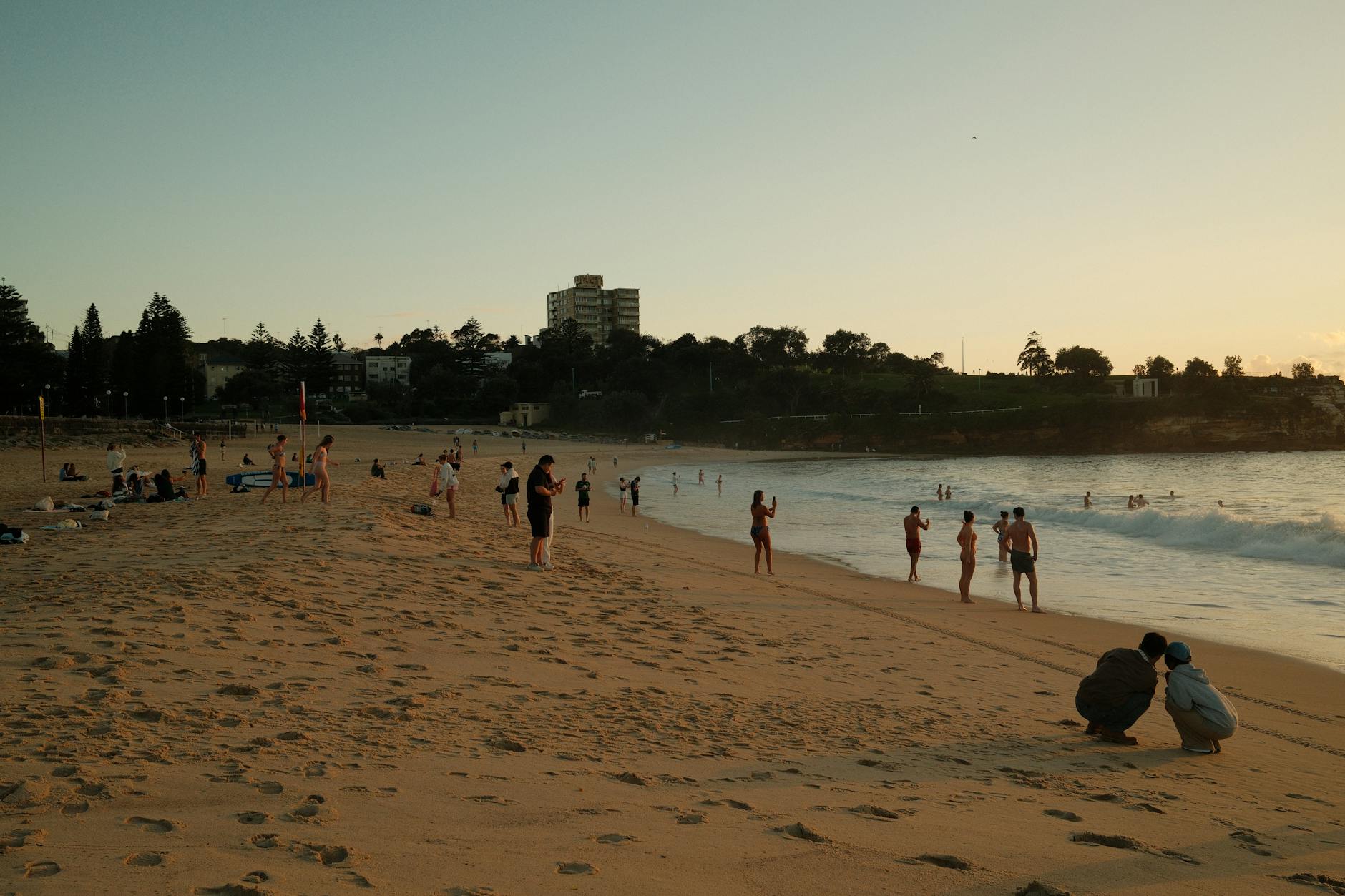
Coogee Beach is a wide, generous stretch of sand that sits at the southern end of the Bondi to Coogee walk and has a distinctly more relaxed, family-friendly atmosphere than its famous northern neighbour. The waves at Coogee are generally smaller and gentler than at Bondi, making it an excellent choice for families with young children and less confident swimmers. The beach is patrolled by lifeguards during summer and on weekends, and the flat, grassy foreshore behind the beach has barbecue facilities, a children’s playground, and plenty of space for picnics.
Coogee is also home to three of Sydney’s best ocean pools. Wylie’s Baths, on the southern headland, is a heritage-listed tidal pool with sweeping ocean views and a charmingly retro atmosphere that has barely changed in over a century. McIver’s Ladies Baths, Australia’s last remaining women-only ocean pool, sits just south of the main beach. And the Ross Jones Memorial Pool at the southern end of the beach provides a safe, shallow paddling area that is perfect for toddlers. The beachfront strip along Coogee Bay Road offers a good selection of pubs, cafes, and fish and chip shops, and the Coogee Pavilion rooftop is one of Sydney’s most popular sunset spots. Regular bus services connect Coogee to the CBD, Bondi Junction, and surrounding suburbs.
Maroubra Beach
Maroubra is the southernmost of the Eastern Beaches and the one that serious surfers rate most highly. It receives more swell than Bondi due to its exposed position, producing powerful, hollow waves that draw a dedicated local surfing community. The beach was designated as a National Surfing Reserve in 2006, recognising its significance to Australian surf culture. For non-surfers, Maroubra is equally rewarding. The beach is wide and uncrowded compared to Bondi, the Mahon Pool on the northern headland is a spectacular natural rock pool carved by the ocean, and the surrounding parklands offer excellent walking paths. Maroubra has a more authentic, neighbourhood feel than the more tourist-oriented beaches further north, with local fish and chip shops, a surf club with affordable meals, and a community that takes genuine pride in its beach.
Northern Beaches: Surf, Sand, and Coastal Villages
Sydney’s Northern Beaches stretch for over thirty kilometres from Manly in the south to Palm Beach in the north, forming one of the longest and most beautiful stretches of coastal scenery in urban Australia. The Northern Beaches have a distinctly different character from the Eastern Beaches, feeling more like a series of connected surf villages than extensions of the city. Each beach has its own personality, from the bustling energy of Manly to the exclusive calm of Palm Beach, and the entire strip is linked by the magnificent coastal road that winds through headlands and bays with views that will leave you breathless.
Manly Beach
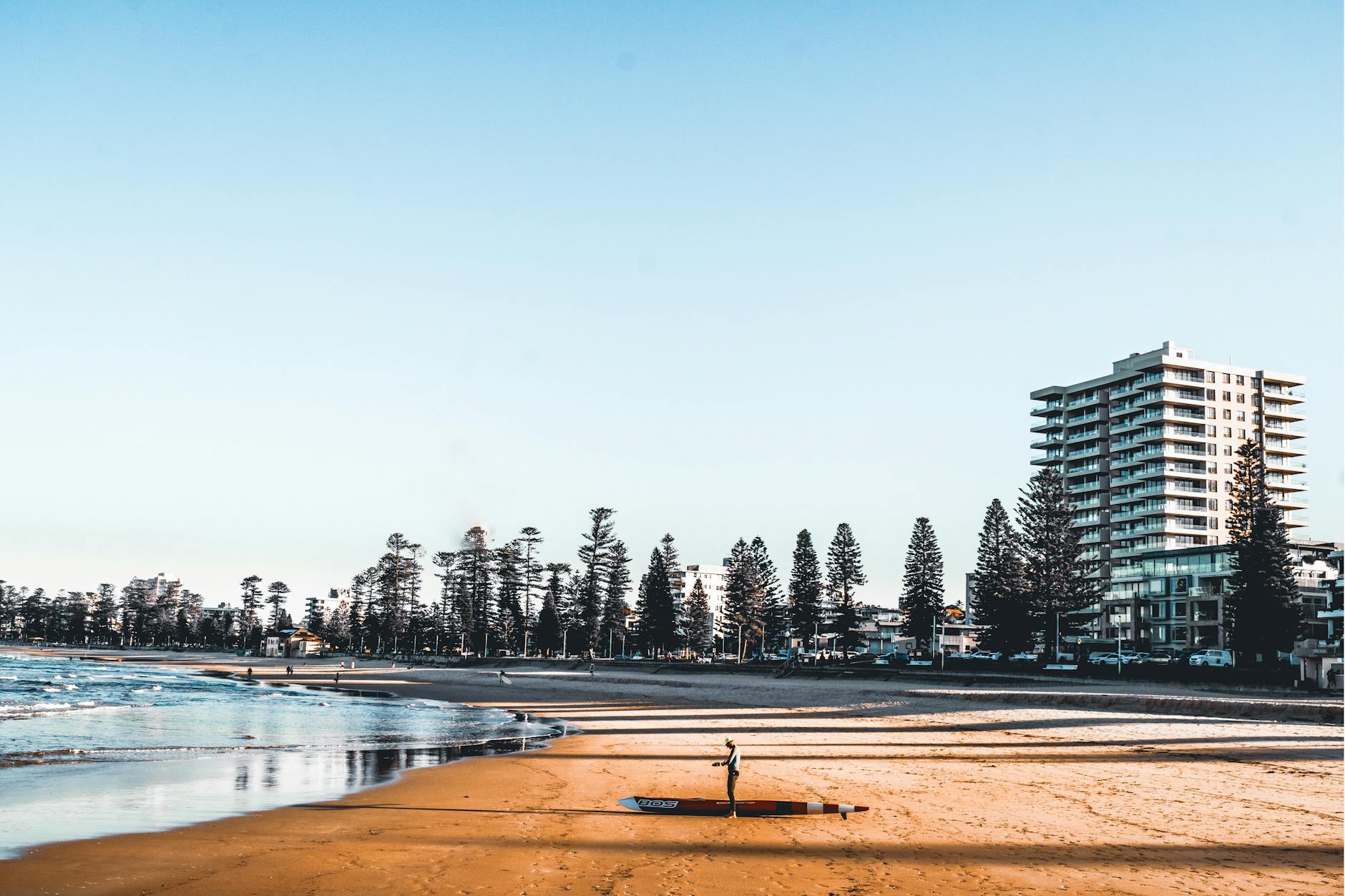
Manly Beach is the gateway to the Northern Beaches and one of the most popular Sydney beaches for both locals and visitors. The journey to Manly is part of the experience. The Manly Ferry from Circular Quay crosses Sydney Harbour in about thirty minutes, passing the Opera House, sailing under the Harbour Bridge, and crossing the open harbour to arrive at Manly Wharf. From the wharf, a pedestrianised corso lined with shops, restaurants, and ice cream parlours leads you directly to the beach.
The main beach at Manly is a wide, long stretch of sand that faces the open ocean, producing consistent surf that caters to beginners and experienced surfers alike. Surf schools operate along the beach throughout the year, and board and wetsuit hire is available from multiple shops along the corso. The beach is patrolled by lifeguards year-round. South of the main beach, Shelly Beach is a sheltered cove that is one of the best snorkelling spots in Sydney, with clear water, abundant marine life, and a grassy picnic area beneath towering Norfolk pines. The walk from Manly to Shelly Beach takes about fifteen minutes along a scenic boardwalk that passes the fairy bower sea pool and offers views back toward the harbour heads.
For more serious walkers, the Manly to Spit Bridge walk is a ten-kilometre coastal and bushland trail that passes through Sydney Harbour National Park, with harbour views, Aboriginal rock engravings, and secluded beaches along the route. Manly itself is a self-contained village with excellent restaurants, craft breweries, a weekend farmers’ market, and a thriving arts scene. It is one of the best bases for visitors who want to combine beach time with a genuine neighbourhood experience.
Freshwater Beach
Freshwater Beach holds a special place in Australian surfing history. It was here in 1915 that Hawaiian legend Duke Kahanamoku gave a surfing demonstration that is credited with igniting Australia’s passion for the sport. Today, a bronze statue of the Duke stands on the headland overlooking the beach, and Freshwater remains a beloved surfing beach with consistent waves and a strong local community. The beach is framed by headlands that create a natural amphitheatre, and the Freshwater ocean pool at the northern end is a fifty-metre swimming pool that offers protected ocean swimming with views straight out to the Pacific. The beach has good facilities including toilets, showers, a surf club with a cafe, and a small grassy park behind the sand. Freshwater is a ten-minute walk from Manly along the coastal path, or accessible by bus from the city.
Curl Curl, Dee Why, and North Narrabeen
Moving north from Freshwater, you enter the heart of the Northern Beaches surf strip. Curl Curl is a local favourite with powerful surf, a dramatic rock shelf at its southern end, and significantly fewer crowds than Manly or Bondi. The Curl Curl to Dee Why headland walk offers spectacular clifftop views and is a great short coastal walk if you want something less touristy than the Bondi to Coogee trail. Dee Why Beach is a large, open beach with excellent surf and a huge ocean pool at the northern end that is particularly popular with families. The Dee Why rock pool has a separate children’s area with shallow, calm water and is free to use year-round. North Narrabeen, further up the coast, is one of Australia’s premier surfing locations and a breeding ground for professional surfers. The Narrabeen lagoon behind the beach offers calm water kayaking, stand-up paddleboarding, and a gentle swimming spot for families.
Avalon Beach and Palm Beach
At the northern end of Sydney’s beach strip, Avalon and Palm Beach offer a more exclusive, quieter beach experience. Avalon Beach is a favourite among Sydney’s creative community, with a relaxed village atmosphere, excellent cafes along the main street, and a beautiful beach that rarely feels crowded. The Avalon rock pool, perched on the northern headland, is one of the most picturesque in Sydney. Palm Beach, at the very tip of the Northern Beaches peninsula, is famous as the filming location for the television series Home and Away, and its long golden beach is flanked by Pittwater on the west side and the Pacific Ocean on the east. The walk to the Barrenjoey Lighthouse at the northern tip of Palm Beach rewards with panoramic views over Broken Bay, the Central Coast, and the Hawkesbury River. Both beaches are about an hour from the CBD by car or bus, making them better suited to day trips than casual afternoon visits.
Harbour Beaches: Calm Waters and Stunning Views
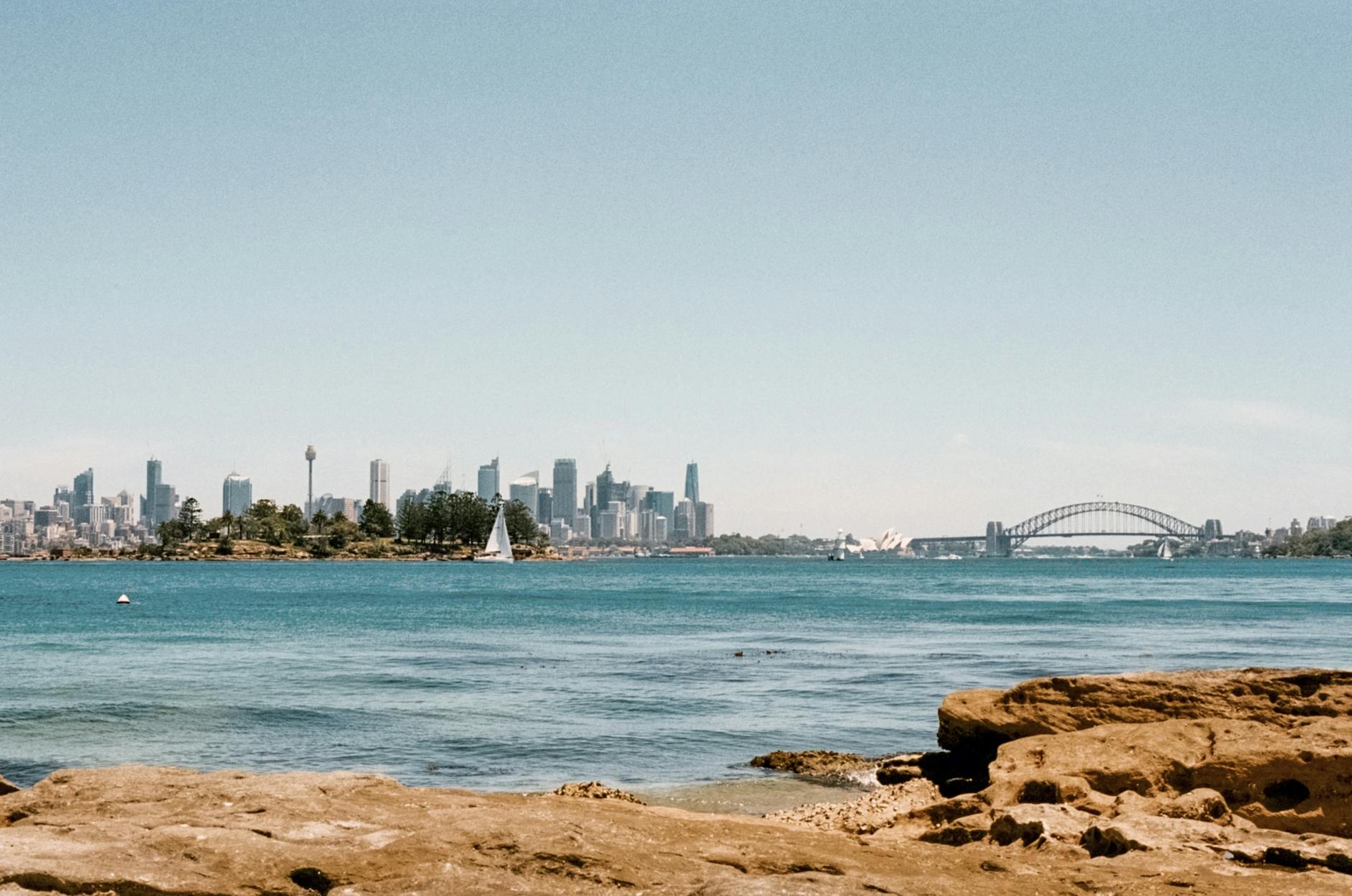
Sydney Harbour is home to dozens of small beaches and swimming spots that offer an entirely different experience from the open ocean beaches. These harbour beaches have calm, sheltered water, making them ideal for families with young children, nervous swimmers, and anyone who prefers a gentle swim over battling surf. Many of the harbour beaches are tucked into bushland coves accessible only by walking tracks, giving them a secluded, almost secret feeling that contrasts sharply with the busy surf beaches. The trade-off is that most harbour beaches are unpatrolled, so you need to be sensible and swim within your ability.
Balmoral Beach
Balmoral Beach is one of the most beautiful harbour beaches in Sydney and a popular choice for families. The beach sits on the northern shore of Sydney Harbour, sheltered from ocean swell by Middle Head and Bradleys Head, creating calm, clear water that is ideal for swimming, kayaking, and stand-up paddleboarding. A shark net encloses part of the swimming area for added safety, and the Rocky Point island at the centre of the bay can be waded to at low tide. Behind the beach, the Balmoral Esplanade is lined with cafes, restaurants, and the historic Bathers Pavilion, which houses an upscale restaurant and a more casual kiosk. The grassy foreshore has barbecue facilities and picnic areas, and a boardwalk connects the main beach to Edwards Beach around the headland. Balmoral is accessible by bus from the city or by ferry to Taronga Zoo followed by a short bus ride.
Camp Cove and Watsons Bay
Camp Cove is a small, exquisite harbour beach tucked just inside South Head, near the entrance to Sydney Harbour. The water is calm, clear, and shallow, making it one of the safest beaches in Sydney for small children. The views from Camp Cove are remarkable, looking across the harbour to the North Head cliffs and the open ocean beyond. Behind the beach, the historic Watsons Bay village offers the famous Doyles restaurant, which has been serving seafood on the waterfront since 1885, along with several other excellent waterfront dining options. The South Head Heritage Trail starts from Camp Cove and leads to the Hornby Lighthouse at the very tip of South Head, passing through coastal bushland and offering dramatic views of the harbour entrance and the Tasman Sea. Watsons Bay is easily reached by ferry from Circular Quay, making a combined ferry trip and beach visit one of Sydney’s most enjoyable half-day excursions.
Shark Beach at Nielsen Park
Despite its intimidating name, Shark Beach at Nielsen Park is one of Sydney’s most genteel swimming spots. The beach sits within Sydney Harbour National Park at Vaucluse, surrounded by manicured parklands and heritage-listed gardens. A permanent shark net ensures safe swimming, and the calm, clear water is perfect for families. The park behind the beach includes the historic Greycliffe House, extensive picnic areas beneath towering fig trees, and walking trails through native bushland. The Nielsen Park kiosk serves excellent coffee and light meals with harbour views. This is one of Sydney’s most popular spots for a lazy weekend picnic, so arrive early on weekends to secure a good spot. Access is by bus from the city or by car, with limited parking available within the park.
Milk Beach and Hermitage Foreshore
Milk Beach is one of Sydney’s best-kept secrets and one of the few harbour beaches that offers a view of both the Opera House and the Harbour Bridge from the water. This tiny crescent of sand is accessed via the Hermitage Foreshore Track, a gentle walking trail through bushland and past grand harbourside mansions in the Vaucluse area. The beach is small and can get crowded on weekends, but on weekdays it feels like your own private cove. The water is calm and clear, ideal for a refreshing dip after the walk, and the sunset views from here are among the best in Sydney. Milk Beach is unpatrolled, so exercise normal water safety precautions.
Southern Beaches: Cronulla and Beyond
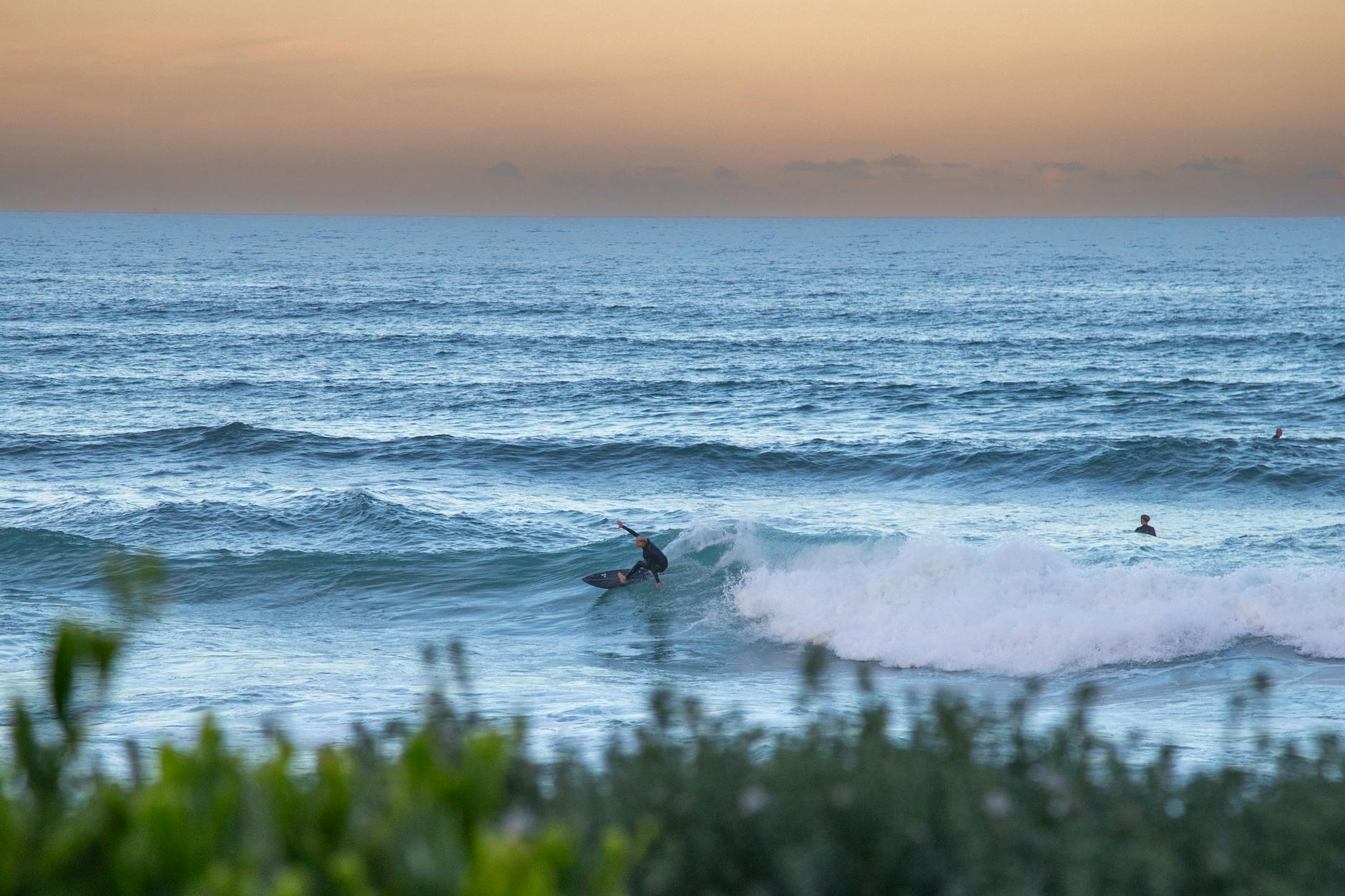
Cronulla, in Sydney’s south, is the only beach in Sydney that has its own dedicated train station, making it one of the most accessible beaches for visitors relying on public transport. The train from Central Station takes about fifty minutes and drops you just a short walk from the beach. Cronulla Beach itself is a long, wide stretch of sand with consistent surf, excellent lifeguard patrols, and a lively beachfront strip of cafes, restaurants, and shops along the Cronulla Mall. In 2026, Tourism Australia’s official Beach Ambassador named Bate Bay, the stretch of coastline from Cronulla to Kurnell, as the best beach in Australia, recognising its combination of excellent surf, diverse swimming options, and natural beauty.
South of the main Cronulla beach, a string of smaller beaches extends toward Kurnell and the entrance to Botany Bay. The Esplanade walk connects these beaches and passes through the Cronulla sand dunes, a surprisingly wild and beautiful pocket of coastal landscape within the urban sprawl. The Royal National Park, accessible by ferry from Cronulla, is home to several spectacular beaches including Wattamolla, a lagoon beach surrounded by bushland cliffs, and Garie Beach, a remote surf beach reached by a winding road through the park. These beaches offer a genuine wilderness experience that feels worlds away from the city, despite being less than an hour from the CBD.
Sydney’s Ocean Pools: A Unique Swimming Experience
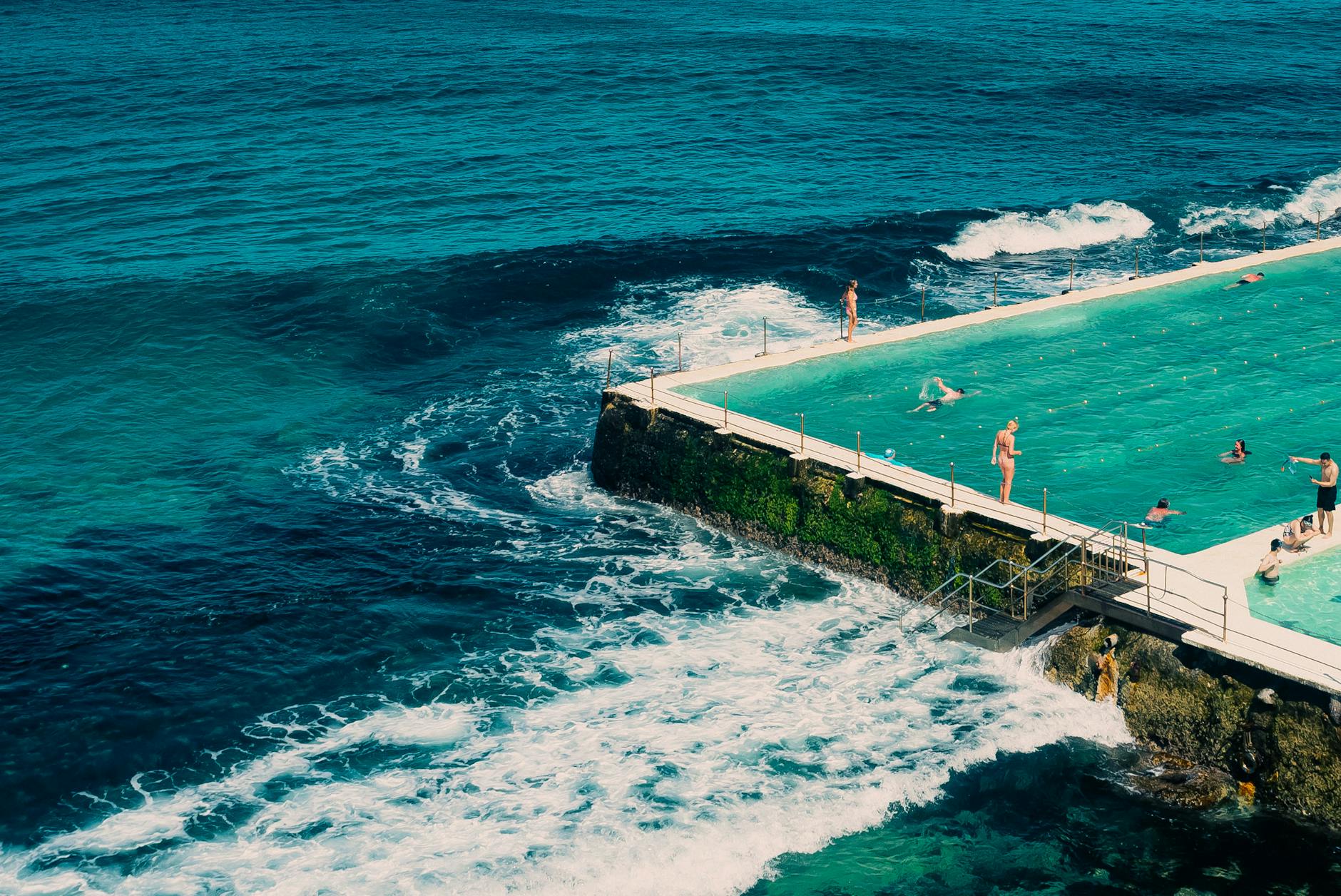
One of the most distinctive features of Sydney beaches is the extraordinary collection of ocean pools that line the coastline. With over forty ocean pools and harbour baths between Palm Beach in the north and Cronulla in the south, Sydney has the highest concentration of ocean pools of any city in the world. These pools range from natural rock formations sculpted by the sea over millennia to purpose-built concrete swimming enclosures that have served generations of Sydneysiders. Almost all ocean pools are free to use and open year-round, making them one of Sydney’s greatest and most accessible public amenities.
The most famous is the Bondi Icebergs pool, an Art Deco saltwater pool perched on the rocks at the southern end of Bondi Beach. Swimming laps at Icebergs as waves crash over the pool wall and the sun rises over the Pacific is one of Sydney’s most iconic experiences. Other standout ocean pools include the Bronte Baths, Wylie’s Baths at Coogee with its heritage timber deck and sweeping ocean views, the Mahon Pool at Maroubra carved naturally from the rock shelf, the Fairy Bower pool at Manly, and the chain of rock pools at Dee Why, Curl Curl, and Freshwater. For a more tranquil experience, the harbour baths at Murray Rose Pool near the Botanic Gardens, Dawn Fraser Pool at Balmain, and MacCallum Pool at Cremorne Point offer calm-water swimming with harbour views.
Best Coastal Walks Connecting Sydney Beaches
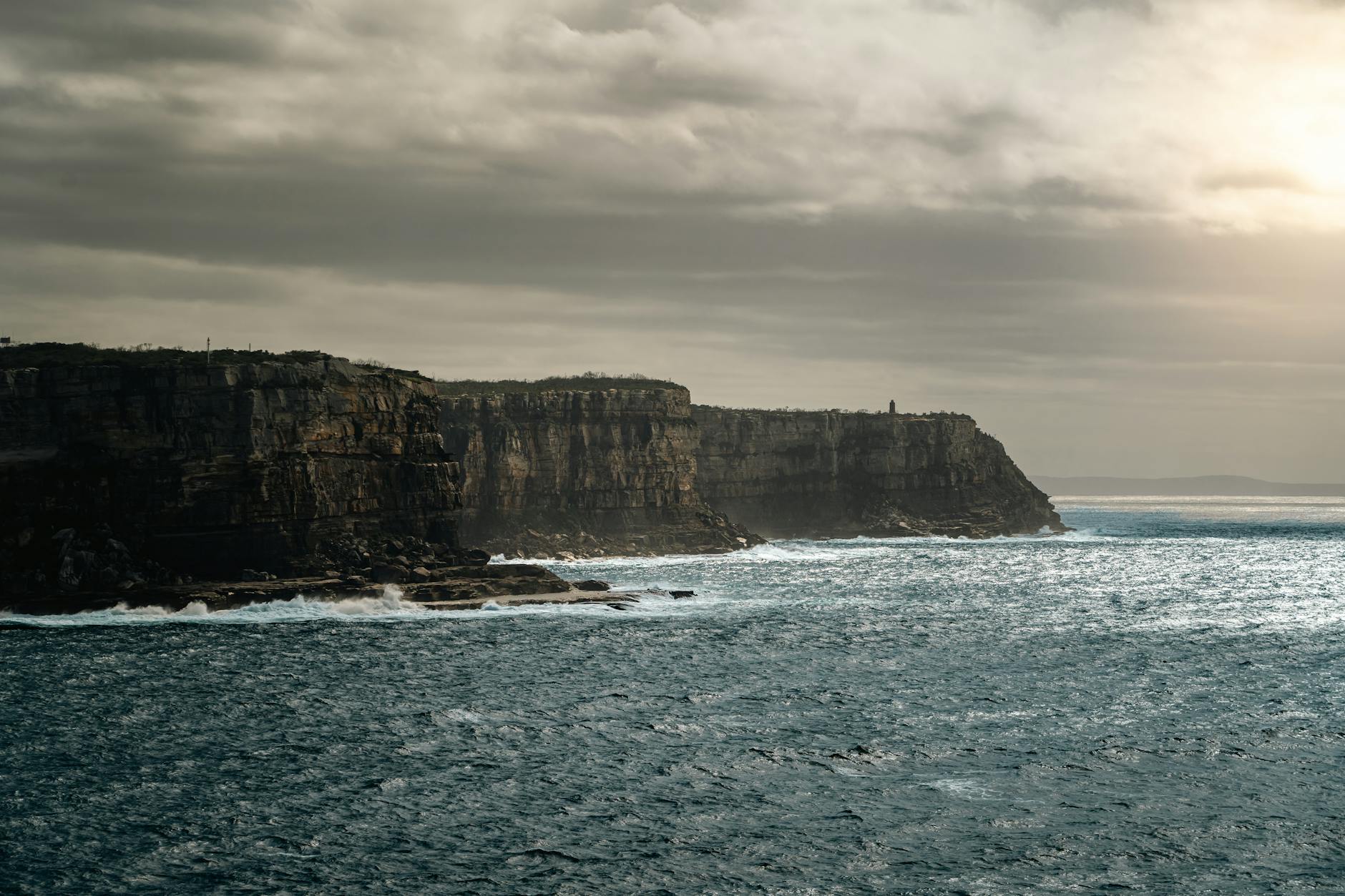
Bondi to Coogee Coastal Walk
The Bondi to Coogee walk is Sydney’s most popular coastal trail and an absolute must for any visitor to the city. The six-kilometre path traces the clifftops from Bondi Beach south through Tamarama, Bronte, Clovelly, and on to Coogee, passing through sandstone headlands, Aboriginal rock carvings, and the strikingly beautiful Waverley Cemetery. The walk takes two to three hours at a relaxed pace with stops for swimming and photography, and can be walked in either direction. Most sections are paved and accessible, though some rocky sections around the headlands require reasonable fitness. There are cafes, toilets, and water fountains at regular intervals along the route. For the best experience, start at Bondi early in the morning, stop for a swim at Bronte or Clovelly, and finish with lunch at one of Coogee’s waterfront restaurants.
Manly to Spit Bridge Walk
The Manly to Spit Bridge walk is a ten-kilometre trail that many locals consider even more beautiful than the Bondi to Coogee path, despite being less well-known among tourists. The route passes through Sydney Harbour National Park, weaving between bushland, harbour coves, Aboriginal rock engravings, and secluded beaches that are inaccessible by road. Highlights include Forty Baskets Beach, Reef Beach, and the stunning views from Dobroyd Head. The walk takes three to four hours and can be started from either end, though starting at the Spit Bridge and finishing at Manly allows you to reward yourself with a swim and a meal in the Manly village before catching the ferry back to the city.
Bondi to Manly Walk
For the ultimate Sydney coastal walking experience, the Bondi to Manly Walk covers eighty kilometres of harbour-side and coastal trails between two of Australia’s most famous beaches. Completed in stages over several days, or tackled as individual sections, this epic trail passes through more than thirty beaches, numerous national parks, and offers an unrivalled perspective on Sydney’s relationship with its harbour and coastline. Key sections include the South Head Heritage Trail from Watsons Bay to the Hornby Lighthouse, the harbourside walk through Cremorne Point and Mosman, and the North Head trail with its dramatic clifftop views over the harbour entrance.
Beach Safety: Essential Information for Visitors
Swimming at Sydney beaches is one of the great pleasures of visiting the city, but the ocean here demands respect. Rip currents are the most significant danger at Sydney’s surf beaches and cause the majority of rescues and drownings. A rip current is a strong channel of water flowing away from the shore, and even strong swimmers can be caught by them. The most important safety rule at any Sydney beach is to always swim between the red and yellow flags, which mark the area patrolled by lifeguards and lifesavers. These flags are positioned to avoid the strongest rip currents, and the volunteer lifesavers and professional lifeguards who patrol the flagged area are trained to spot and respond to swimmers in difficulty.
If you are caught in a rip current, the advice from Surf Life Saving Australia is to stay calm, do not try to swim against the current, and either float with the rip until it weakens and then swim parallel to the beach to escape it, or raise your arm to signal for help. Never swim alone, never swim under the influence of alcohol, and never swim at unpatrolled beaches unless you are a very experienced ocean swimmer who understands local conditions.
Most of Sydney’s popular surf beaches are patrolled by lifeguards during the summer months from late September through April, typically from 7am to 7pm during peak season. Outside these hours and during winter, patrols are reduced or absent, so check local signage and conditions before entering the water. Harbour beaches are generally safer due to their calm water, but most are unpatrolled, so you are swimming at your own risk. Ocean pools provide the safest ocean swimming experience, as they offer the feel of the open sea with the security of a contained pool. Always check conditions before entering any ocean pool, as large swells can make some pools dangerous.
Best Sydney Beaches by Activity
To help you choose the right beach for your interests, here is a quick guide to the best Sydney beaches for specific activities. For surfing, the top picks are Manly, Narrabeen, Maroubra, Freshwater, and Bondi. For family swimming, head to Coogee, Balmoral, Shelly Beach, Clovelly, or Camp Cove. Snorkelling enthusiasts should visit Shelly Beach at Manly, Clovelly, Gordons Bay, or Camp Cove. For ocean pool swimming, the highlights are Bondi Icebergs, Bronte Baths, Wylie’s Baths at Coogee, Mahon Pool at Maroubra, and the Dee Why pool. If you want to avoid crowds, seek out Milk Beach, Resolute Beach in Ku-ring-gai Chase National Park, Collins Flat Beach near Manly, or Store Beach in North Head. And for sheer scenic beauty, it is hard to beat Palm Beach, Wattamolla in the Royal National Park, or the view from the clifftops above Tamarama.
Getting to Sydney Beaches
Sydney’s public transport network provides good access to most popular beaches, though some of the more remote Northern Beaches require a car or longer bus journey. For the Eastern Beaches, catch a train to Bondi Junction and then a bus to Bondi, Bronte, Clovelly, or Coogee. Maroubra is accessible by bus from Central Station. For the Northern Beaches, the Manly Ferry from Circular Quay is the most scenic and enjoyable option, taking about thirty minutes. Buses from the city serve beaches further north including Freshwater, Dee Why, Narrabeen, and Avalon, though journey times increase the further north you travel. Cronulla, in the south, has its own dedicated train line from Central Station, making it one of the easiest beaches to reach by public transport. If you want to explore the full length of the Northern Beaches in a single day, a car is the most practical option, as bus connections between the individual beaches can be slow. For day trips to beaches in the Royal National Park, a car is essential.
If you are planning your accommodation around beach access, check our detailed where to stay in Sydney guide, which covers the best neighbourhoods for beach lovers. And for ideas beyond the beach, explore our complete guide to things to do in Sydney.
Frequently Asked Questions About Sydney Beaches
Which is the best beach in Sydney for tourists?
Bondi Beach is the most popular and iconic beach for tourists, offering excellent facilities, great surf, vibrant cafes, and the starting point for the famous Bondi to Coogee coastal walk. However, Manly Beach is equally rewarding and offers a more relaxed atmosphere, with the bonus of the scenic harbour ferry ride from Circular Quay. Both are must-visit Sydney beaches for any first-time visitor.
Are Sydney beaches safe for swimming?
Sydney beaches are safe for swimming provided you follow basic safety rules. Always swim between the red and yellow flags at patrolled beaches, never swim alone or under the influence of alcohol, and be aware of rip currents. Harbour beaches and ocean pools offer calmer, safer swimming for families and less experienced swimmers. Most popular surf beaches are patrolled by lifeguards from September through April.
What is the best time of year to visit Sydney beaches?
The main beach season runs from November through March, when water temperatures reach 21 to 24 degrees Celsius and daylight hours are longest. However, many Sydneysiders swim year-round, and the autumn months of March through May offer warm water, smaller crowds, and beautiful weather. Winter water temperatures drop to about 17 degrees Celsius, which is still comfortable for a quick swim. Ocean pools can be enjoyed year-round regardless of weather.
Are there sharks at Sydney beaches?
While sharks do inhabit the waters around Sydney, attacks are extremely rare and the risk is very low. Many harbour beaches have permanent shark nets, and the NSW government operates a shark detection program including aerial patrols, smart drumlines, and the SharkSmart app, which provides real-time alerts. Ocean pools provide completely shark-free swimming. The risk of a shark encounter should not deter you from swimming at patrolled beaches.
Can you surf at Sydney beaches as a beginner?
Sydney is an excellent place to learn to surf. Manly Beach and Bondi Beach both have multiple surf schools offering beginner lessons, typically lasting two hours and including board and wetsuit hire. The whitewater at both beaches provides gentle, forgiving waves that are perfect for learning. Freshwater Beach and Maroubra also have surf schools. Most schools operate year-round, though summer is the most popular and comfortable time for beginner lessons.
Do I need to pay to use Sydney beaches?
All Sydney beaches are free to access and use. Most ocean pools are also free, though a small number of heritage pools like Wylie’s Baths at Coogee and the Bondi Icebergs pool charge a modest entry fee of about AUD 5 to 8. Parking near popular beaches is often paid, especially at Bondi, Manly, and Coogee, so public transport is recommended where possible.