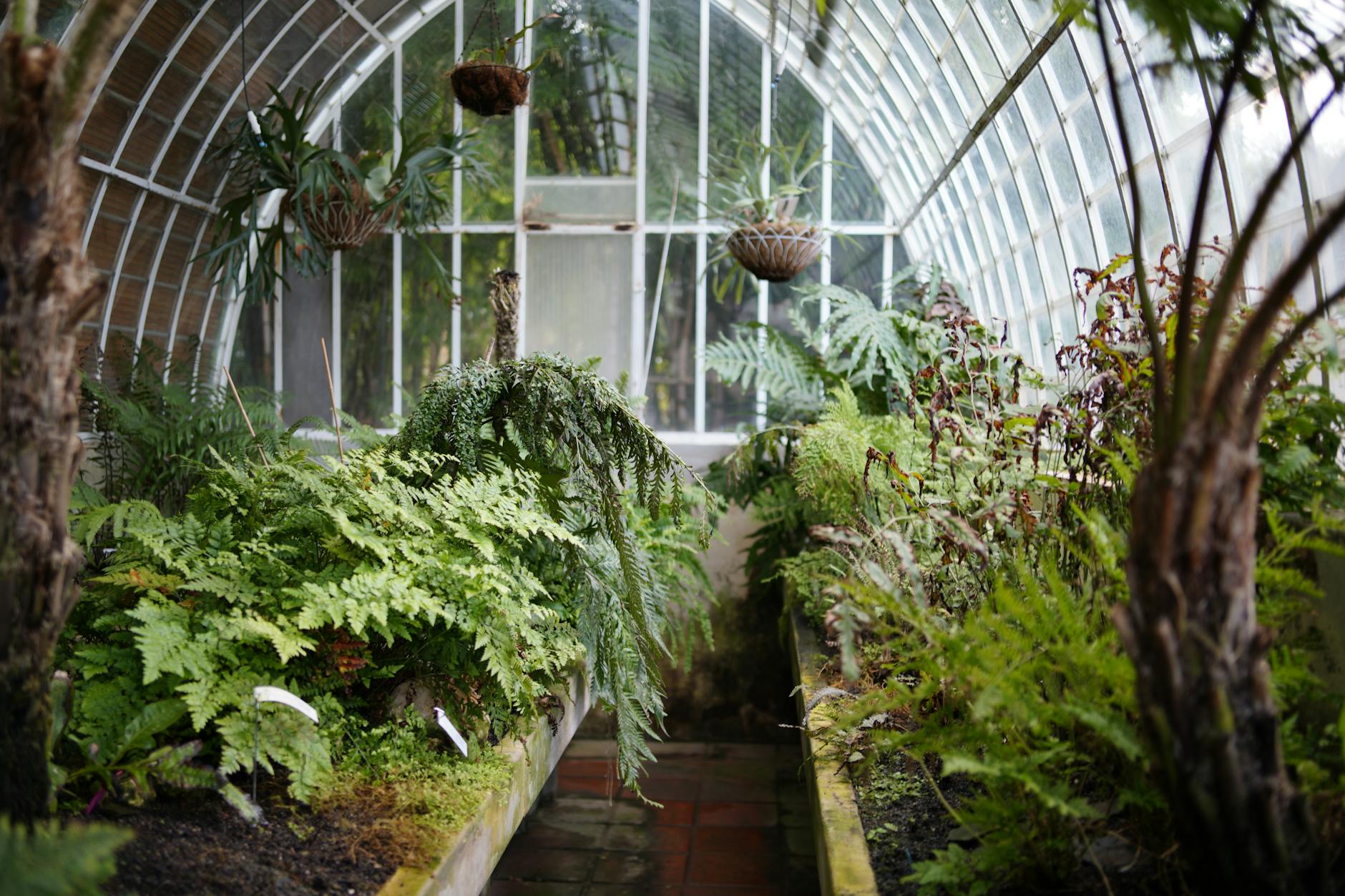
Stretching along the southern shore of Sydney Harbour between the Opera House and the Domain, the Royal Botanic Garden Sydney is a 30-hectare oasis of manicured lawns, ancient trees, and themed plant collections that has been welcoming visitors since 1816 — making it the oldest scientific institution in Australia. Entry is free, the views of the harbour are extraordinary, and you can easily spend a morning or afternoon wandering the winding paths, discovering exotic plant collections, and enjoying some of the best vantage points in the city. Whether you are looking for a quiet escape from the CBD, a scenic walk to Mrs Macquaries Chair, or a guided Aboriginal heritage tour, the Royal Botanic Garden Sydney is one of the most rewarding free experiences the city has to offer.
What to See at the Royal Botanic Garden Sydney
The Royal Botanic Garden Sydney is divided into themed sections that showcase plants from across Australia and around the world. Here are the highlights you should not miss.
The Palace Rose Garden
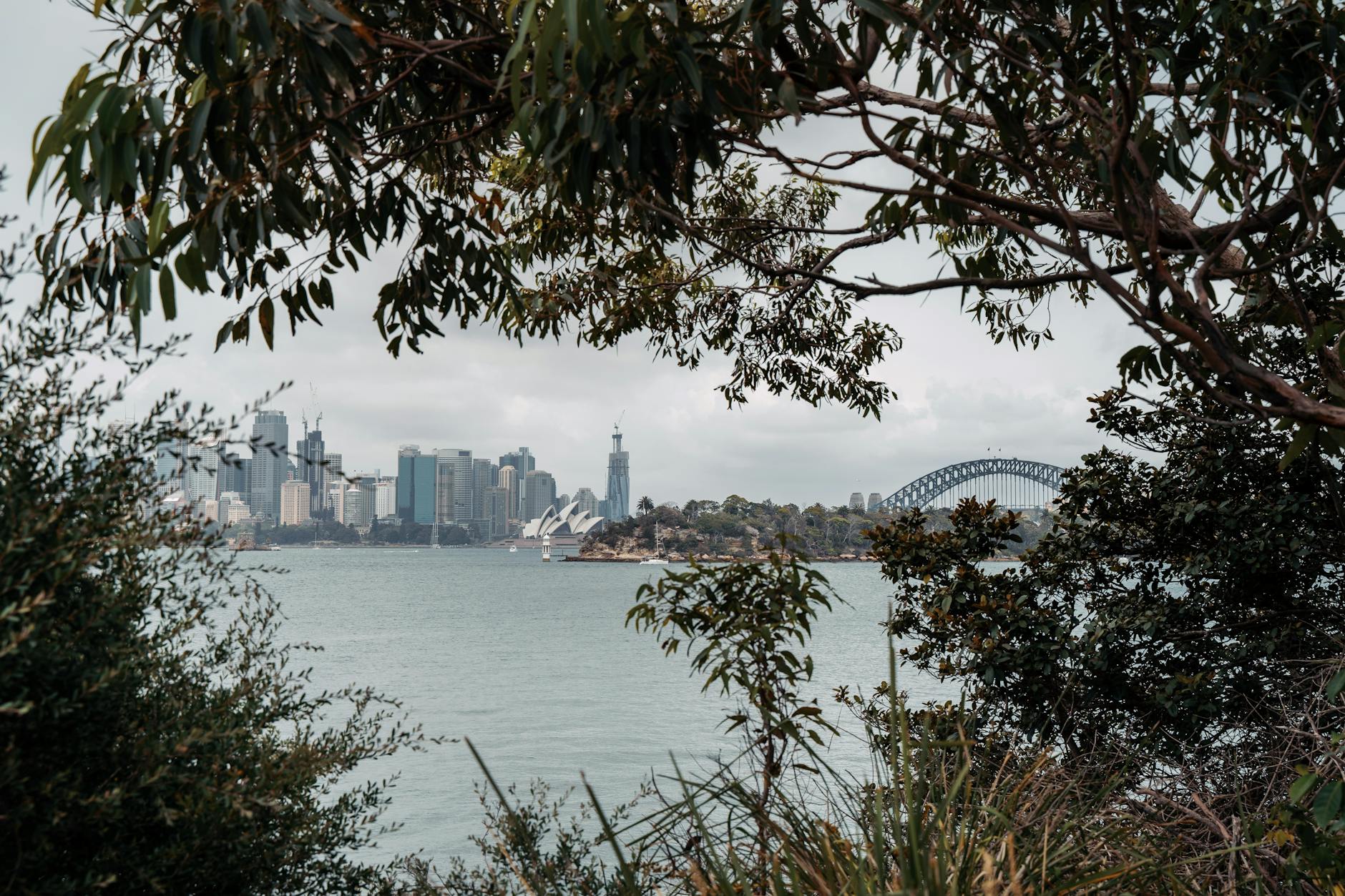
One of the garden’s most beloved features, the Palace Rose Garden houses thousands of roses in a formal layout that bursts with colour and fragrance from September through May. The garden occupies the site of the original Government House garden and is one of Sydney’s most popular wedding photography locations. Visit in spring (September to November) for the most spectacular display of blooms.
The Fernery
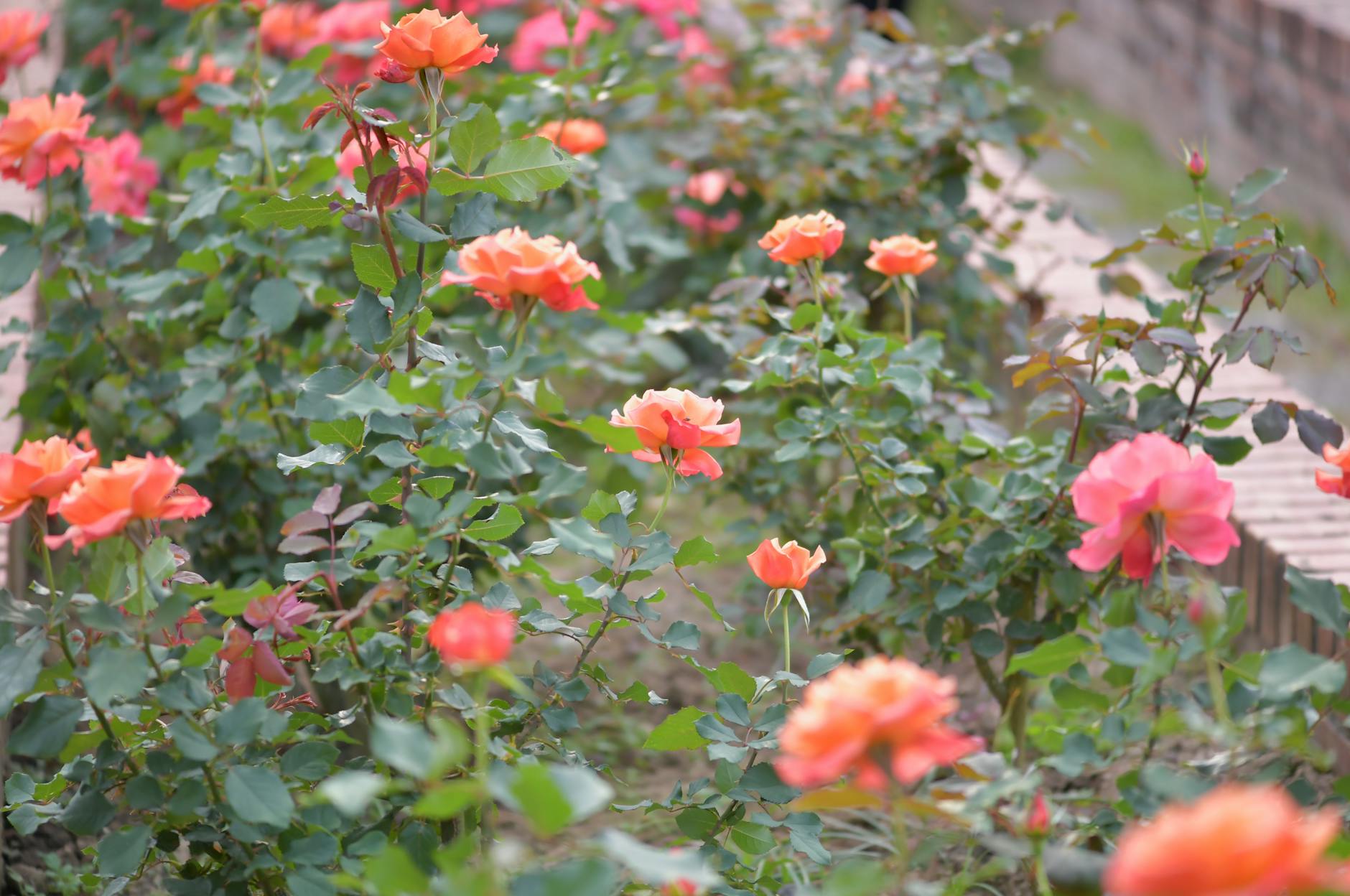
Step into the Fernery and you enter a cool, humid sanctuary filled with ancient ferns, mosses, and shade-loving plants. The collection includes tree ferns from the Blue Mountains, staghorn ferns, and delicate maidenhair ferns — some species dating back hundreds of millions of years. The Fernery is particularly welcome on hot summer days as a shaded retreat from the sun.
The Palm Grove
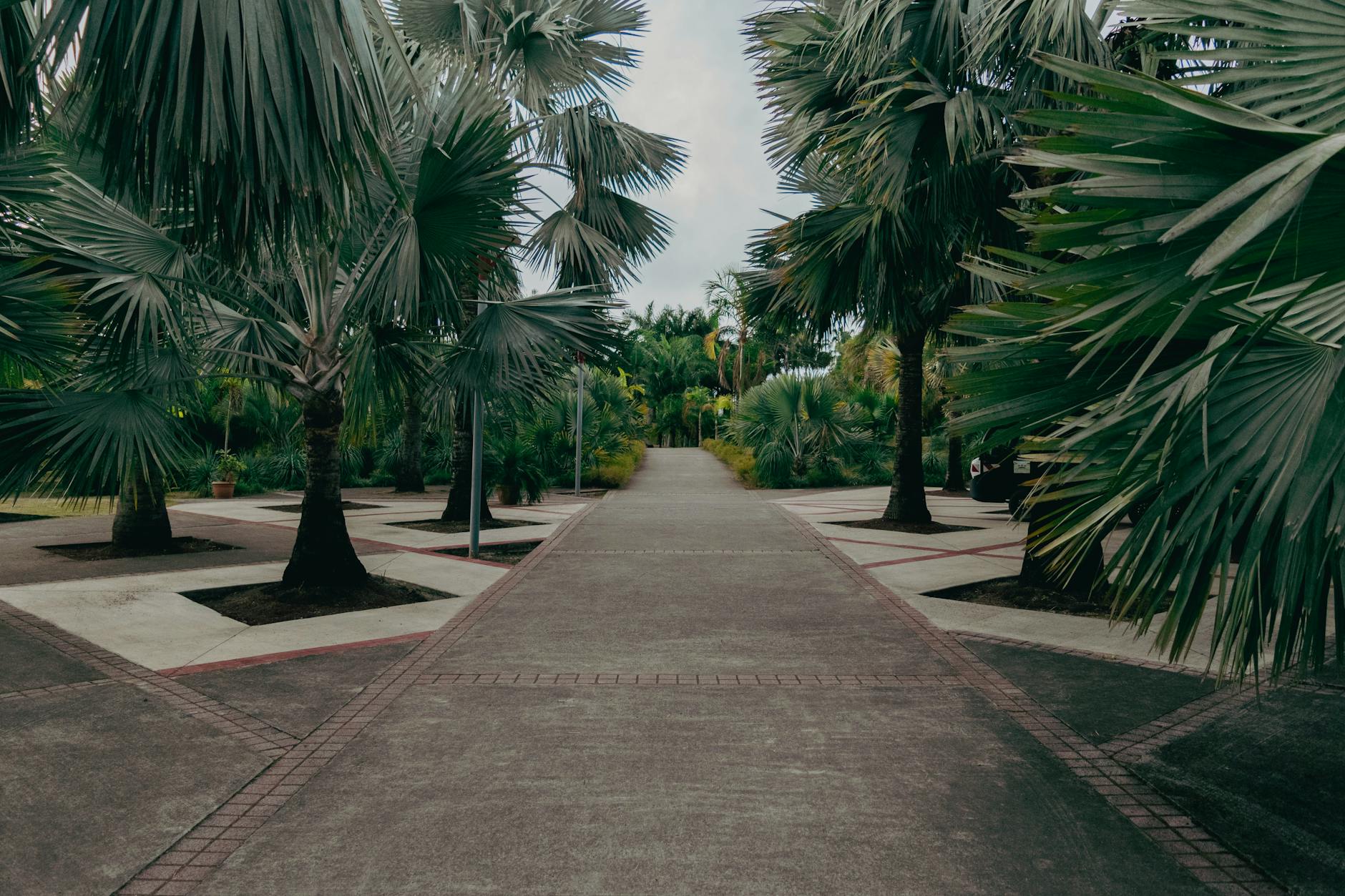
The Palm Grove is home to one of the finest collections of palms in the Southern Hemisphere, including the garden’s tallest tree — a towering Queensland kauri pine. Walking through the grove feels tropical, with dramatic fan palms, date palms, and coconut palms creating a canopy overhead. The grove is also a favourite roosting spot for the garden’s resident grey-headed flying foxes (fruit bats), which hang in their thousands from the trees during the day.
The Calyx
The Calyx is a unique exhibition space that hosts spectacular, ever-changing horticultural displays throughout the year. Past exhibitions have featured living green walls, native wildflower installations, and immersive floral experiences tied to seasonal themes. The Calyx is free to enter with general garden admission and is well worth a visit regardless of what exhibition is currently showing.
The Spring Walk
An avenue of ornamental peach trees and wisterias that has enchanted visitors for more than 150 years, the Spring Walk is at its most beautiful from late August through October when the trees erupt in pink and white blossoms. Even outside of spring, the mature trees provide welcome shade and the pathway leads through some of the garden’s oldest plantings.
Australian Rainforest Garden
This section recreates the lush environments of Australia’s eastern rainforests, featuring Gondwana-era species that have survived largely unchanged for millions of years. Walking through feels like stepping into a primeval forest, with massive tree ferns, strangler figs, and an understorey of native orchids and epiphytes. It connects beautifully with Sydney’s broader cultural and natural heritage.
Mrs Macquaries Chair and the Harbour Walk
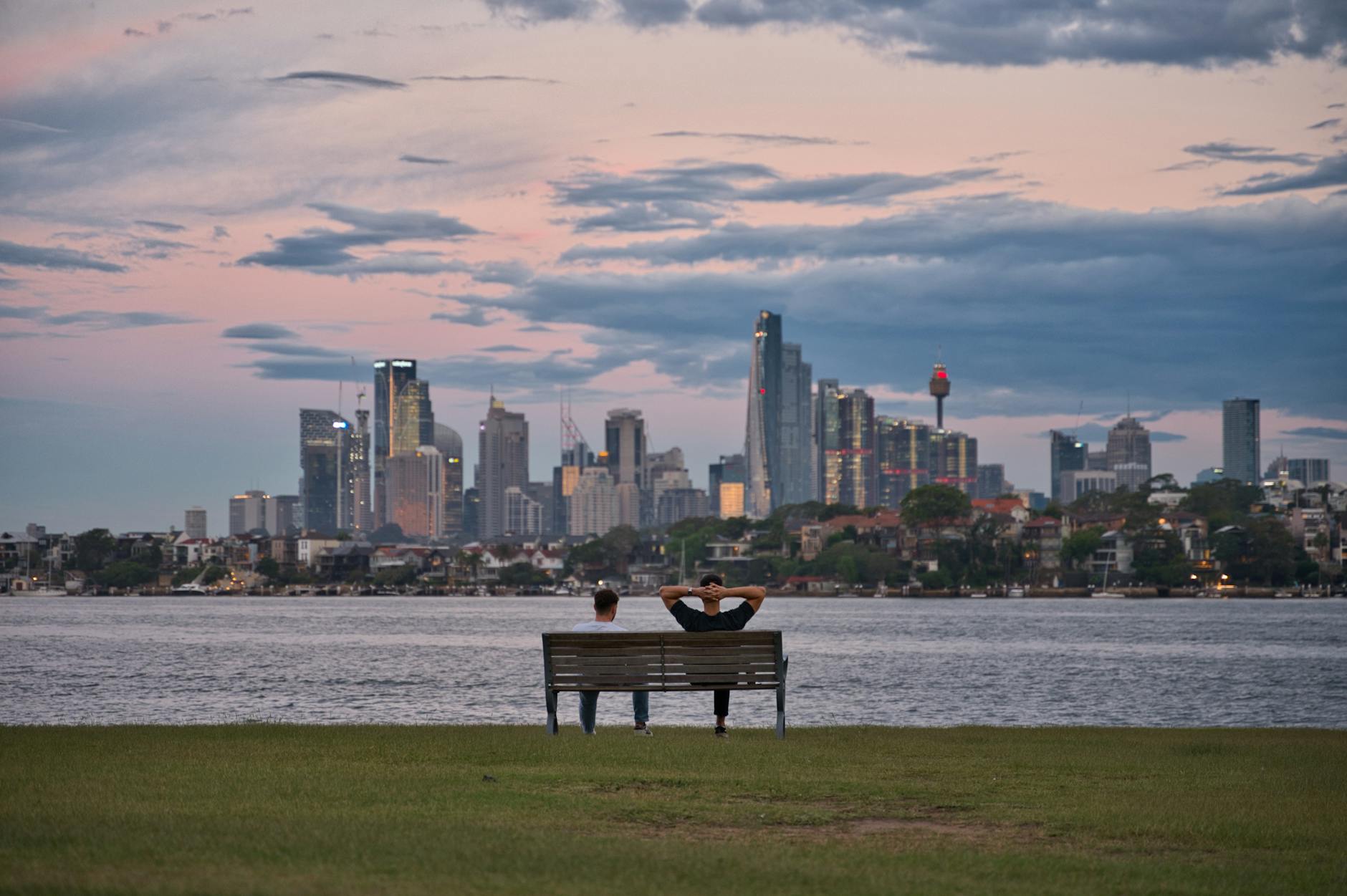
One of the most popular walks in Sydney starts at the Royal Botanic Garden and follows the harbour foreshore to Mrs Macquaries Point. The walk takes about 20 minutes each way and offers continuously changing views of the Opera House, the Harbour Bridge, and Farm Cove. Mrs Macquaries Chair — a sandstone bench carved into the rock in 1810 for Governor Macquarie’s wife Elizabeth — sits at the tip of the point and offers one of the most iconic photographic viewpoints in Sydney. From here, you can capture both the Opera House and the Harbour Bridge in a single frame, particularly stunning at sunset when the sky lights up behind the landmarks. The path is flat, paved, and accessible, making it suitable for wheelchairs and prams.
Wildlife in the Garden
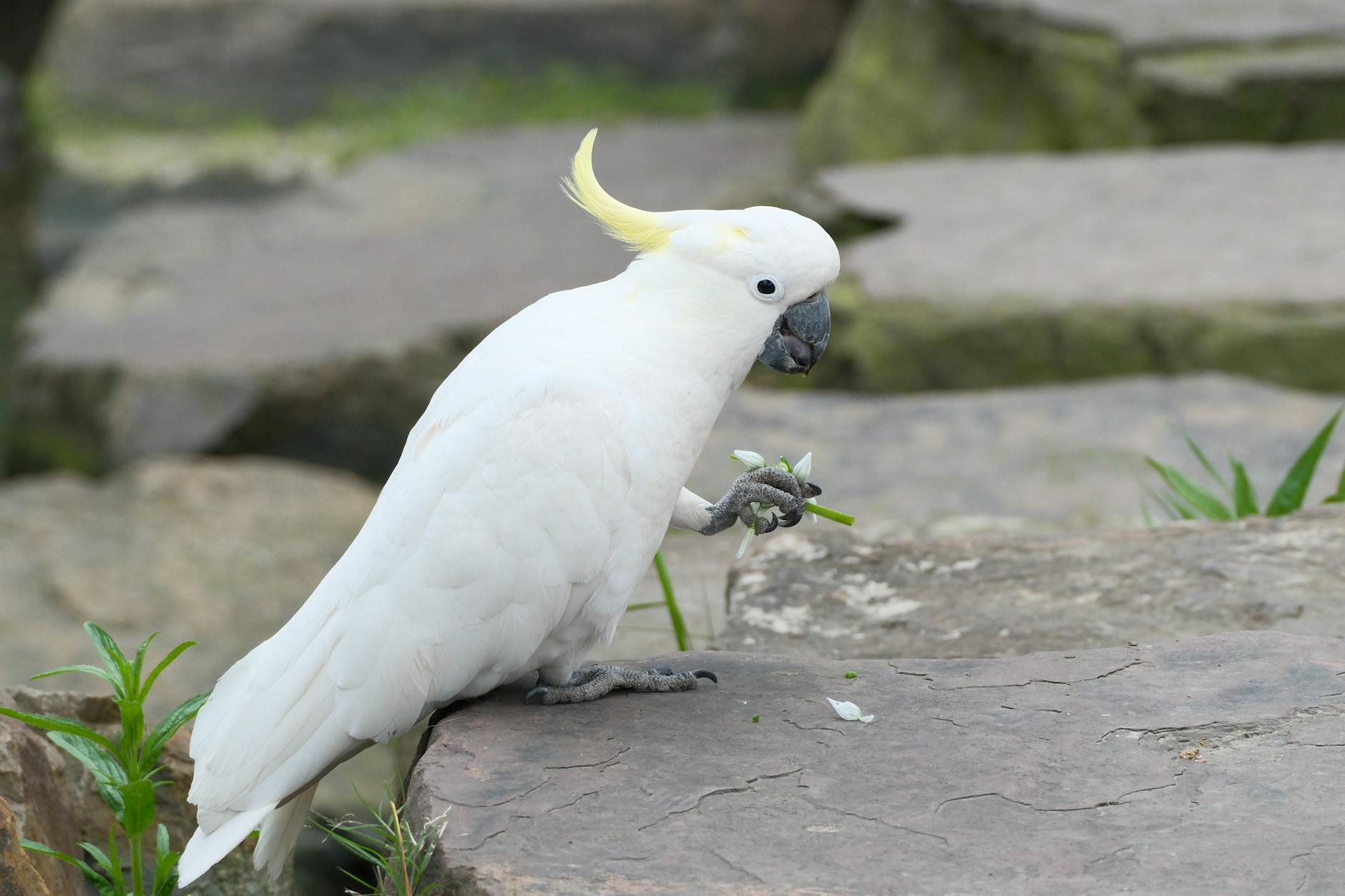
The Royal Botanic Garden Sydney is home to a surprising amount of wildlife for a city-centre location. Sulphur-crested cockatoos, rainbow lorikeets, and kookaburras are regular visitors, and you will often see Australian water dragons basking on sunny rocks near the ponds. The colony of grey-headed flying foxes (a protected species) roosting in the Palm Grove is one of the most visible urban wildlife populations in Australia — they can be seen hanging from branches during the day and flying out across the harbour at dusk to feed. Eels can be spotted in the ornamental ponds, and during spring the gardens are alive with nesting birds.
Tours and Guided Walks
While exploring independently is easy with the garden’s free maps, guided tours offer deeper insight into the garden’s history, plants, and Aboriginal heritage. The Aboriginal Heritage Tour is one of the standout experiences — led by a First Nations guide, this one-hour walk shares traditional knowledge about native plants, their medicinal and culinary uses, and the Gadigal people’s connection to this land long before the colony was established. General guided walks cover the garden’s horticultural highlights, history, and architecture. Tours can be booked through the garden’s website and typically cost around $40 per adult. Free self-guided walk maps are available at the visitor centre.
Dining at the Royal Botanic Garden
The garden is home to several dining options that take full advantage of the setting. The Botanic House offers fine dining with harbour views and a menu focused on native Australian ingredients — it is a popular spot for special occasions and is one of the more unique dining experiences in Sydney. The Gardens Shop and Cafe serves excellent coffee, pastries, and light lunches in a relaxed setting near the main entrance. For a broader view of Sydney’s dining scene, see our Sydney food guide. Picnicking on the lawns is one of the great pleasures of visiting — grab supplies from the CBD and find a spot overlooking Farm Cove for an unbeatable harbour lunch.
Practical Tips for Visiting
Opening hours: The Royal Botanic Garden Sydney is open every day of the year from 7am until sunset. Closing time varies seasonally — approximately 5pm in winter and 8pm in summer. Entry is always free.
How long to spend: Allow two to three hours for a thorough visit including the walk to Mrs Macquaries Chair. A quick stroll through the main highlights can be done in an hour. Add time for a guided tour, lunch, or simply relaxing on the harbour lawns.
Best time to visit: Morning is ideal for photography (soft light on the harbour) and wildlife watching. Spring (September to November) brings the best floral displays, particularly in the Rose Garden and Spring Walk. To plan around Sydney’s weather, see our best time to visit Sydney guide.
What to bring: Comfortable walking shoes (the garden covers 30 hectares), water, sunscreen, and a hat in summer. A picnic blanket and lunch if you want to enjoy the lawns. Binoculars are useful for birdwatching.
Getting there: The garden’s main entrance is on Art Gallery Road, a five-minute walk from Circular Quay or Martin Place station. You can also enter through the side gates near the Opera House or from the Domain on the southern side. For detailed transport options, see our Sydney transport guide.
Accessibility: The garden has over 15 kilometres of paved, wheelchair-friendly paths. Wheelchairs are available for hire at the visitor centre on a first-come basis. Most areas are accessible, though some paths near the harbour foreshore may have steep sections.
Combining the Garden with Nearby Attractions
The Royal Botanic Garden Sydney sits between several major attractions, making it easy to combine into a full day. The Sydney Opera House is a five-minute walk from the garden’s northern entrance — combine a morning in the gardens with an afternoon Opera House tour. The Art Gallery of New South Wales borders the garden on its southern side and offers free entry to its permanent collection. The Domain — a large public parkland — extends south from the garden and is the site of major events including the annual Carols in the Domain and open-air cinema. For visitors with kids, the garden’s open lawns, wildlife, and the walk to Mrs Macquaries Chair make for a perfect family outing.

Frequently Asked Questions
Is the Royal Botanic Garden Sydney free?
Yes. Entry to the Royal Botanic Garden Sydney is completely free, every day of the year. Some guided tours and special exhibitions may have a fee.
How do I get to Mrs Macquaries Chair?
Walk through the garden following the harbour foreshore path east. The walk from the main gate takes about 20 minutes. The path is flat and paved. You can also approach from the Art Gallery Road entrance via the Domain.
What is the best time of year to visit?
Spring (September to November) for the Rose Garden and Spring Walk blooms. Summer evenings are lovely for the extended hours. The garden is beautiful year-round, and winter offers fewer crowds and crisp harbour views.
Can I have a picnic in the gardens?
Yes. Picnicking on the lawns is encouraged and is one of the most popular activities. Bring a blanket and supplies — the harbour-facing lawns near Farm Cove are the most scenic spots.
The Royal Botanic Garden Sydney is one of those rare places where natural beauty, colonial history, and harbour scenery come together in a single free experience. From the ancient ferns to the flying foxes, from the Rose Garden to Mrs Macquaries Chair, it rewards wandering and invites you to slow down in the middle of a fast-moving city. For more ideas on exploring Sydney’s best free attractions and outdoor experiences, browse our comprehensive Sydney travel guide.