Sydney is a city where ancient Indigenous traditions, colonial heritage, and a thriving contemporary arts scene converge to create one of the most culturally rich destinations in the Southern Hemisphere. The story of Sydney history and culture stretches back more than 65,000 years — long before the sandstone buildings of The Rocks were carved by convict hands, long before the sails of the Opera House rose above Bennelong Point. For visitors who want to go beyond the beach towel and the harbour selfie, Sydney rewards curiosity with layers of fascinating stories, world-class museums, sacred Indigenous sites, and a multicultural arts scene that ranks among the best on the planet. This guide explores every dimension of Sydney history and culture, from the Gadigal people’s enduring connection to Country through to the city’s position as a 21st-century cultural powerhouse.
Why Sydney Is One of the World’s Great Cultural Cities
Sydney is home to more cultural experiences than any other Australian city — an impressive 535 cultural attractions, 80 museums, 66 cultural tours, and 54 dedicated cultural venues according to recent studies. The UNESCO World Heritage-listed Sydney Opera House alone hosts more than 2,500 performances each year and draws around 1.5 million patrons through its doors. Add to that the newly expanded Art Gallery of New South Wales (with the landmark Sydney Modern Project), the Australian Museum (the nation’s oldest, founded in 1827), the Museum of Contemporary Art, and a vibrant network of independent galleries, theatres, and live performance spaces, and you begin to understand why understanding Sydney history and culture is essential for any visitor who wants to experience the city at its fullest. Whether your interests lie in Aboriginal rock art, colonial architecture, modern sculpture, live theatre, or multicultural street food, Sydney delivers.
Ancient Roots: Aboriginal History and Indigenous Culture
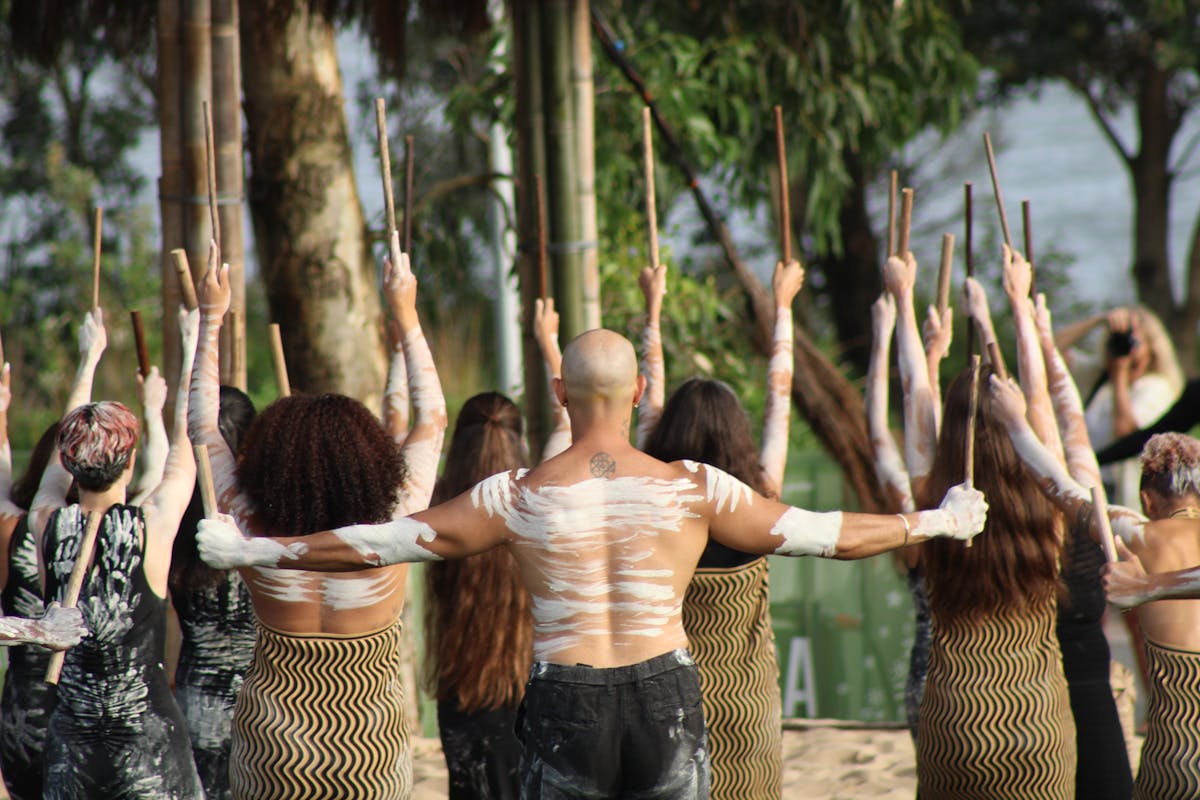
The story of Sydney begins tens of thousands of years before European arrival. The Gadigal people of the Eora Nation are the Traditional Custodians of the land now known as central Sydney, and their connection to this harbour landscape is among the oldest continuous living cultures on Earth. Archaeological evidence, including shell middens, rock engravings, and ochre hand stencils found across the Sydney region, confirms continuous Aboriginal occupation for at least 65,000 years. To truly appreciate Sydney history and culture, visitors should start with this profound Indigenous heritage.
Sacred Sites and Rock Art
Sydney’s national parks and harbour foreshore contain some of the most significant Aboriginal rock art sites in southeastern Australia. Ku-ring-gai Chase National Park, on the northern edge of metropolitan Sydney, is home to hundreds of Aboriginal rock engravings — mysterious pecked petroglyphs depicting marine creatures, human figures, and ancestral beings that date back more than a thousand years. The Basin Track and Mackerel Track wind past many of these ancient carvings, offering a profound connection to the past. Closer to the city, the Bondi to Coogee Coastal Walk passes rock platforms where ancient carvings can still be seen, and the Royal National Park to the south preserves further engraving sites within its sandstone landscape.
Aboriginal Cultural Tours and Experiences
Several outstanding Aboriginal-led tours allow visitors to experience Indigenous Sydney firsthand. The Rocks Aboriginal Dreaming Tour, led by Dreamtime Southern X, guides participants through the historic Rocks precinct while sharing Gadigal stories, traditions, and the spiritual connection between Aboriginal peoples and Sydney Harbour’s land and waterways. BridgeClimb’s Burrawa Indigenous Climb Experience pairs the thrill of climbing the Sydney Harbour Bridge with Aboriginal storytelling, offering a three-hour tour guided by an Aboriginal storyteller who presents the harbour’s history through the eyes of the Gadigal people. At Barangaroo Reserve, Aboriginal educators lead tours through the six-hectare headland park, explaining the native history of Warrane (Sydney Harbour) and the 75,000 native trees and shrubs planted there. The Royal Botanic Garden’s Aboriginal Bush Tucker Tour teaches visitors how Australia’s native plants have been used for food, medicine, and ceremony for millennia, guided by a First Nations horticultural expert through the Cadi Jam Ora garden. And at Bondi, Elder and artist Walangari Karntawarra leads walking tours that weave Dreamtime stories into the landscape of one of the world’s most famous beaches.
Museums and Galleries Celebrating Indigenous Heritage
The Australian Museum in Darlinghurst houses one of the world’s finest collections of Aboriginal and Torres Strait Islander artefacts — more than 40,000 objects including weapons, body ornaments, tools, and artworks spanning the full breadth of Indigenous Australian culture. Personalised guided tours of the First Australians galleries bring these collections to life. The Eora First People exhibition at the Australian National Maritime Museum explores Indigenous maritime culture and history. The Art Gallery of New South Wales holds extensive collections of Aboriginal and Torres Strait Islander art in both its historic building and the new Sydney Modern wing. And throughout the city, smaller galleries — including the Aboriginal Art Gallery at Circular Quay and the Blak Markets featuring Aboriginal craft, bush tucker, and performances — offer authentic engagement with living Indigenous culture.
Colonial Sydney: From First Fleet to Federation
On 26 January 1788, the First Fleet of eleven ships carrying convicts, marines, and officials arrived at Sydney Cove, establishing the first permanent European settlement in Australia. This event transformed the harbour — and the lives of its Indigenous inhabitants — irrevocably, launching a colonial chapter that would shape the physical fabric and cultural identity of the city we see today. Understanding this colonial layer is central to appreciating Sydney history and culture in its full complexity.
The Rocks: Birthplace of Modern Sydney
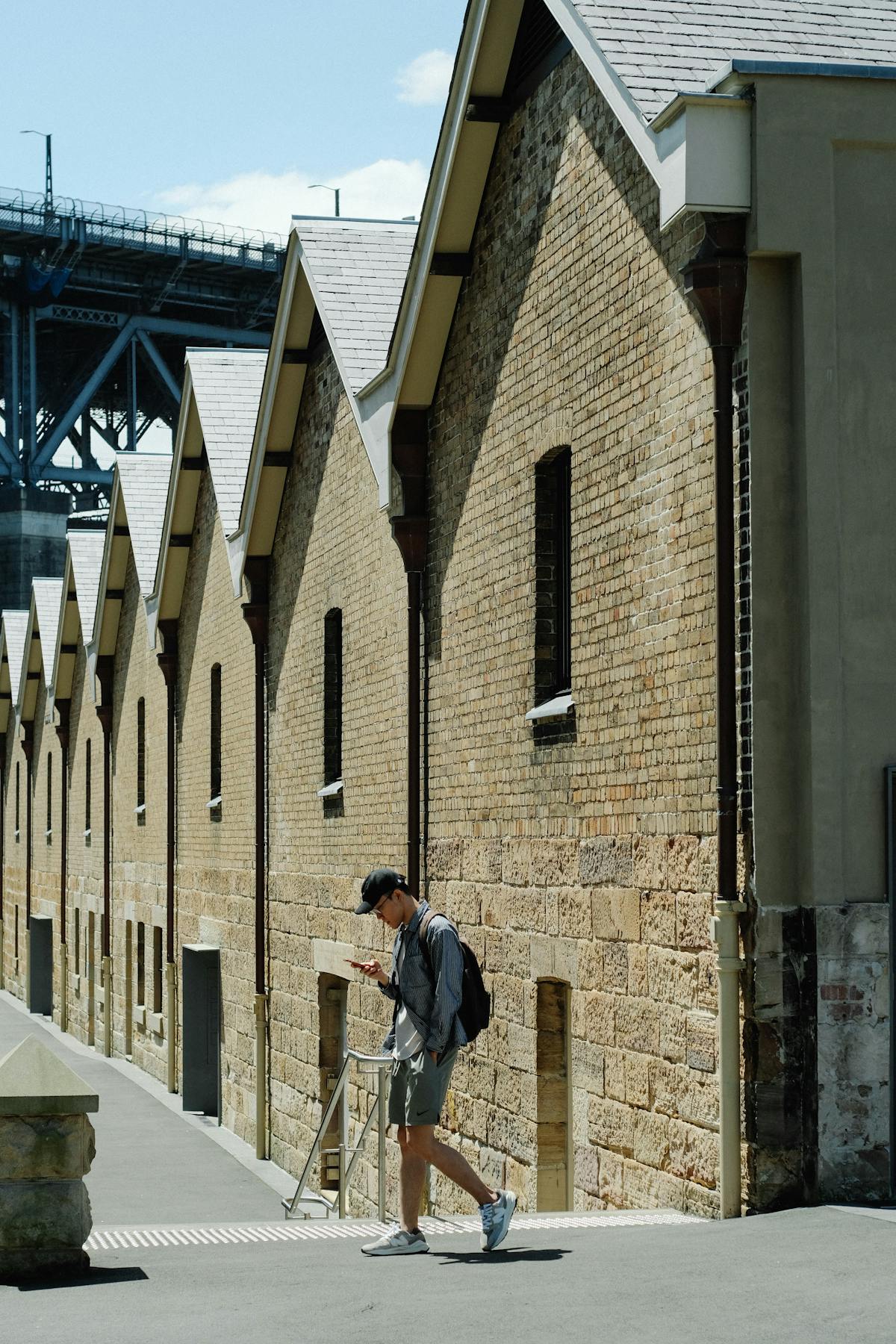
The Rocks, nestled at the foot of the Sydney Harbour Bridge, is the oldest European neighbourhood in Australia and the most atmospheric place to experience colonial Sydney. Its cobblestone laneways, convict-cut sandstone buildings, Georgian and Victorian terraces, and atmospheric pubs tell a story that spans more than two centuries. Walking through The Rocks today, you encounter heritage warehouses that once stored rum and wool, narrow alleyways where the bubonic plague struck in 1900, and buildings that survived demolition only because of passionate community protest in the 1970s. Guided walking tours — including the famous Rocks Walking Tour (established 1978, the oldest in Australia) and Journey Walks’ Convict Colony tour — bring these stories vividly to life, taking you through hidden courtyards, enormous cellars, and convict-era ruins.
Convict Heritage Sites
Sydney’s convict past is inscribed across the landscape in ways both grand and subtle. Hyde Park Barracks, designed by convict architect Francis Greenway and completed in 1819, is a UNESCO World Heritage-listed site that once housed hundreds of convicts and now operates as a museum interpreting the convict experience through immersive exhibitions. Old Government House in Parramatta, situated within beautiful Parramatta Park, is another UNESCO World Heritage-listed Australian Convict Site — the oldest surviving public building in Australia, constructed between 1799 and 1816. Cockatoo Island in Sydney Harbour carries a World Heritage listing for its layered history as a convict prison, imperial dockyard, and industrial shipyard — visitors can catch a ferry from Circular Quay and spend hours exploring its tunnels, workshops, and convict grain silos. Fort Denison, the tiny fortified island in the middle of the harbour, was once known as “Pinchgut” because it served as a place of punishment for convicts in the colony’s earliest days.
Historic Architecture and Heritage Buildings
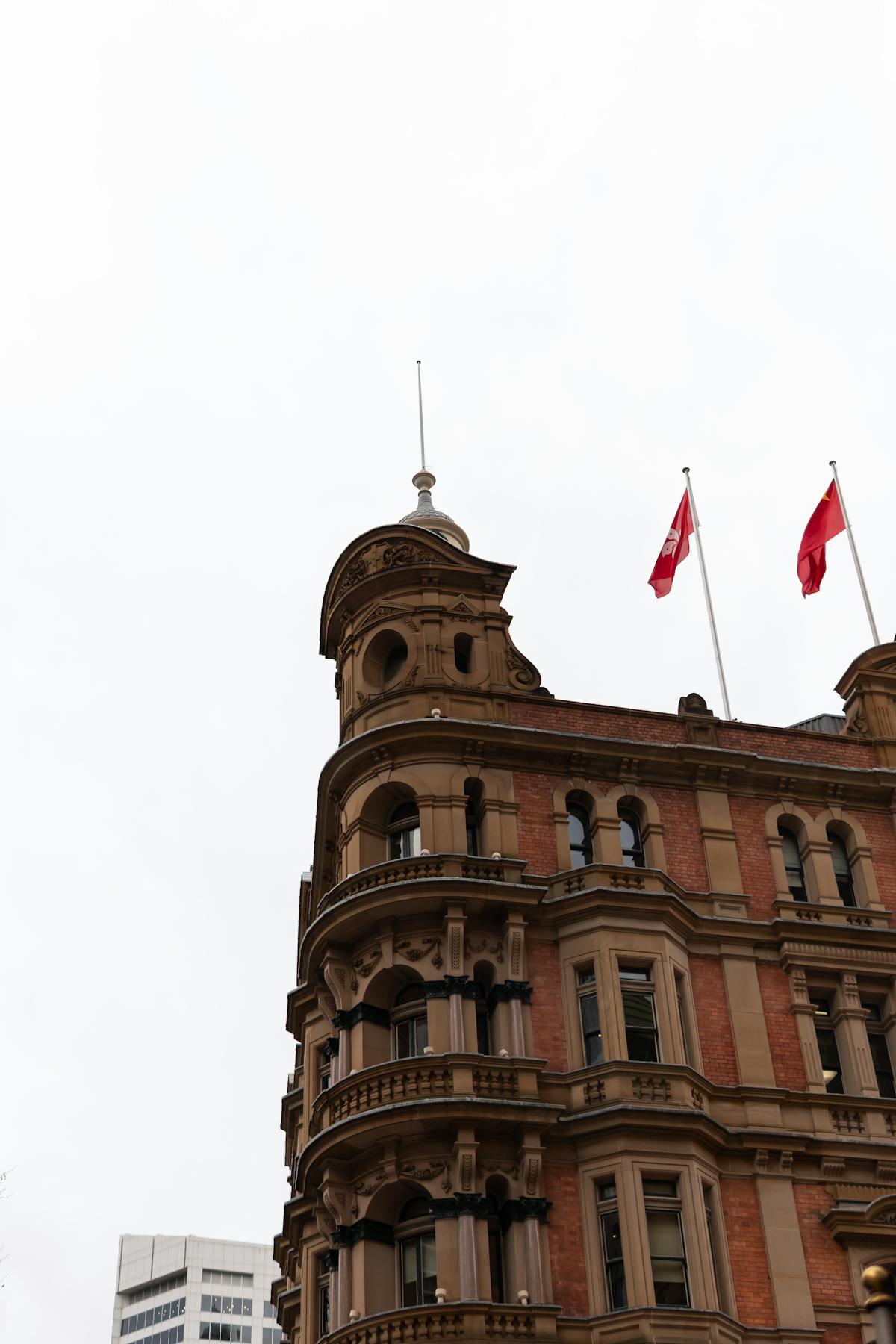
Sydney’s streetscape is a living museum of architectural styles spanning more than 200 years. The Queen Victoria Building (QVB) on George Street, completed in 1898, is one of the finest examples of Romanesque Revival architecture in the world — its stained-glass windows, ornate tiling, and central dome are as impressive as anything in European capitals. St Mary’s Cathedral, begun in 1868 and completed with its spires in 2000, is a masterpiece of English Gothic Revival sandstone architecture. The Customs House at Circular Quay, established in 1845, is a stunning Victorian Georgian building that now houses a museum, library, and performance space. Macquarie Street — sometimes called Australia’s grandest street — is lined with heritage buildings including the State Library of NSW (1826), NSW Parliament House (1816), the Mint (1816), and the Sydney Hospital (1894). The University of Sydney, founded in 1850, features Gothic Revival quadrangles that would look at home in Oxford or Cambridge.
The Sydney Opera House: A Cultural Icon
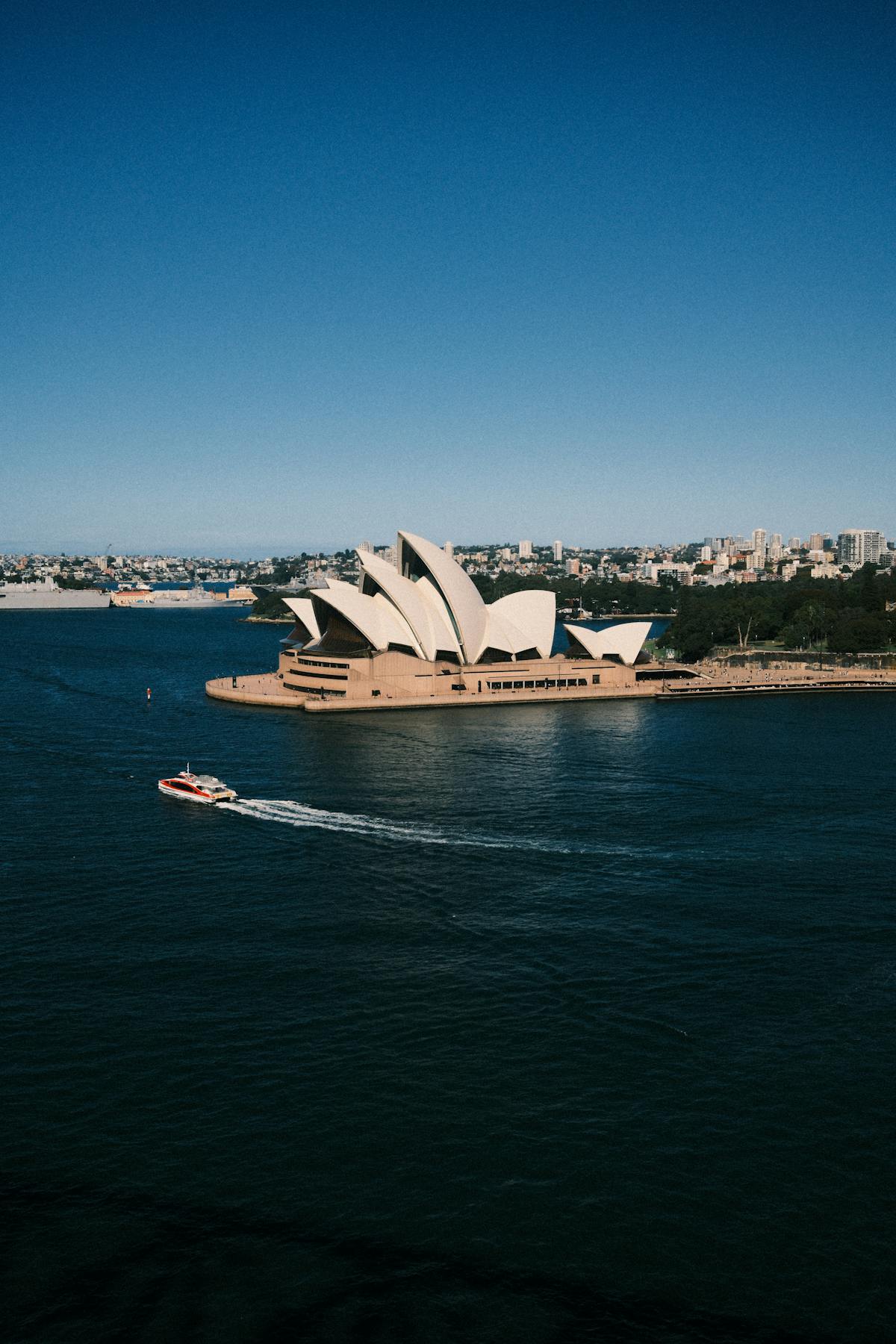
No exploration of Sydney history and culture is complete without understanding the story of the Sydney Opera House — a building that transcends architecture to become a symbol of an entire nation. Designed by Danish architect Jørn Utzon, who won an international competition in 1957 from 233 entries, the building was formally opened by Queen Elizabeth II on 20 October 1973 after 16 years of construction that pushed engineering knowledge to its limits. The distinctive sail-shaped roof shells, each composed of sections of a sphere with a radius of 75.2 metres, are covered in over one million Swedish-made ceramic tiles that shimmer white and cream in the Australian light. In 2007, the Opera House was inscribed as a UNESCO World Heritage Site — one of the youngest buildings ever to receive the honour — recognised for its unparalleled design, exceptional engineering achievements, and its position as one of the great iconic buildings of the 20th century.
Today, the Sydney Opera House is one of the busiest performing arts centres in the world, staging up to 2,500 performances annually across its multiple venues: the Concert Hall, Joan Sutherland Theatre, Drama Theatre, Playhouse, and Studio. Guided tours run daily, including backstage tours and the popular “Badu Gili” lighting projection on the eastern sails that celebrates First Nations stories and art each evening. The forecourt regularly hosts free outdoor concerts, and the building’s restaurants and bars — with their harbour views — have become cultural destinations in their own right. If you are planning things to do in Sydney, the Opera House should sit at the very top of your list.
Sydney’s World-Class Museums
Sydney’s museum scene rivals that of cities many times its age, with institutions covering art, science, maritime history, natural history, and contemporary culture. Here are the must-visit museums for anyone interested in Sydney history and culture.
Art Gallery of New South Wales and Sydney Modern
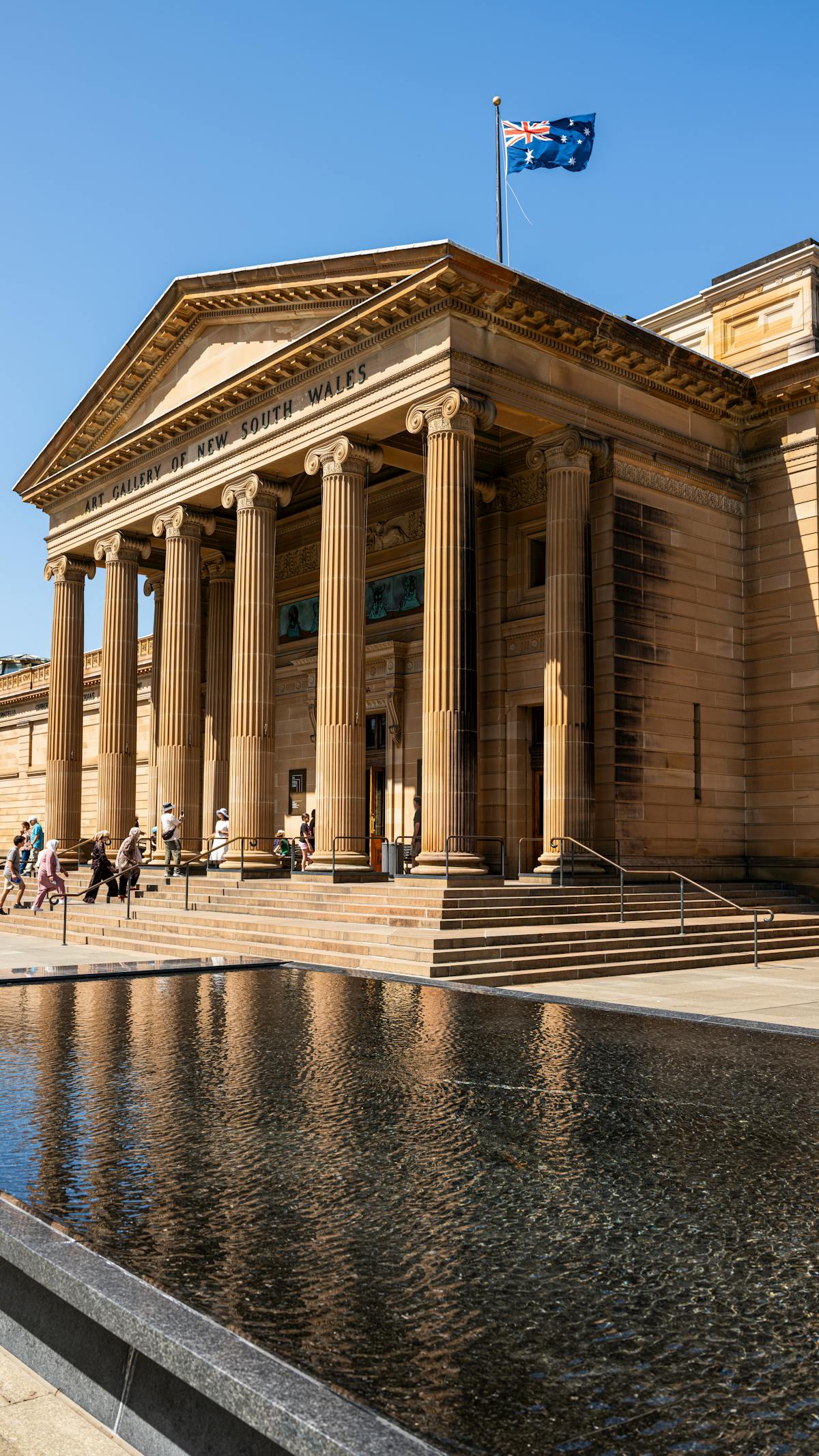
The Art Gallery of New South Wales (AGNSW), established in 1871 and located in The Domain parklands overlooking Woolloomooloo Bay, is Sydney’s premier fine arts destination. Its collection spans Australian, European, Asian, and Indigenous art from antiquity to the present day. The transformative Sydney Modern Project, opened in 2022, added a stunning new building designed by Pritzker Prize-winning architects SANAA that nearly doubled the gallery’s exhibition space. The expanded campus includes a decommissioned World War II naval fuel bunker — the Tank — which now hosts large-scale contemporary art installations. Entry to the permanent collection is free, making this one of the best-value cultural experiences in the city.
Australian Museum
Founded in 1827, the heritage-listed Australian Museum in Darlinghurst is the oldest museum in Australia and one of the oldest natural history museums in the world. Its collections span natural science, Indigenous Australian culture, and Pacific cultures, with standout exhibitions including the First Australians galleries (featuring over 40,000 Indigenous artefacts), the Dinosaurs gallery, and the extensive mineral and gemstone collection. The museum underwent a major renovation and expansion completed in 2020, adding new galleries and a stunning crystal hall entrance. For families exploring Sydney with kids, the Australian Museum’s interactive Discovery Centres and holiday programs are unmissable.
Museum of Contemporary Art Australia (MCA)
Housed in an Art Deco building at Circular Quay West with views directly across to the Opera House, the Museum of Contemporary Art Australia (MCA) is the country’s leading institution for contemporary art. Its permanent collection comprises more than 4,000 works by Australian and international artists, and its rotating exhibitions consistently feature some of the most exciting contemporary art in the Asia-Pacific region. Entry is free to most exhibitions. The rooftop terrace cafe offers one of the best vantage points in Sydney for photographing the Opera House and harbour.
Australian National Maritime Museum
Located on Darling Harbour’s waterfront, the Australian National Maritime Museum is the country’s centre for maritime collections, exhibitions, research, and archaeology. Highlights include a fleet of historic vessels moored at the wharves — including the HMAS Vampire destroyer, the HMAS Onslow submarine (which you can explore inside), and a replica of Captain Cook’s HMB Endeavour. The museum’s exhibitions cover everything from Australia’s relationship with the sea to Indigenous maritime culture, migration stories, and naval history. The Eora First People gallery is particularly recommended for understanding Aboriginal connection to Sydney’s waterways.
Other Notable Museums
The Powerhouse Museum (Museum of Applied Arts and Sciences) in Ultimo houses Australia’s premier collection of science, technology, design, and decorative arts — from steam engines and space suits to fashion and furniture. The Sydney Jewish Museum in Darlinghurst tells the story of the Holocaust and the Australian Jewish experience through immersive galleries and personal testimonies. The Justice and Police Museum in the historic Water Police Court building at Circular Quay showcases Sydney’s criminal past through crime scene photographs, weapons, and forensic evidence. The Museum of Sydney, built on the site of the first Government House, explores the city’s layered history from pre-1788 to the present. And Susannah Place Museum in The Rocks is a terrace of four tiny houses, continuously occupied from 1844 to 1990, offering an intimate window into working-class Sydney life across 150 years.
The Sydney Harbour Bridge: Engineering and Heritage
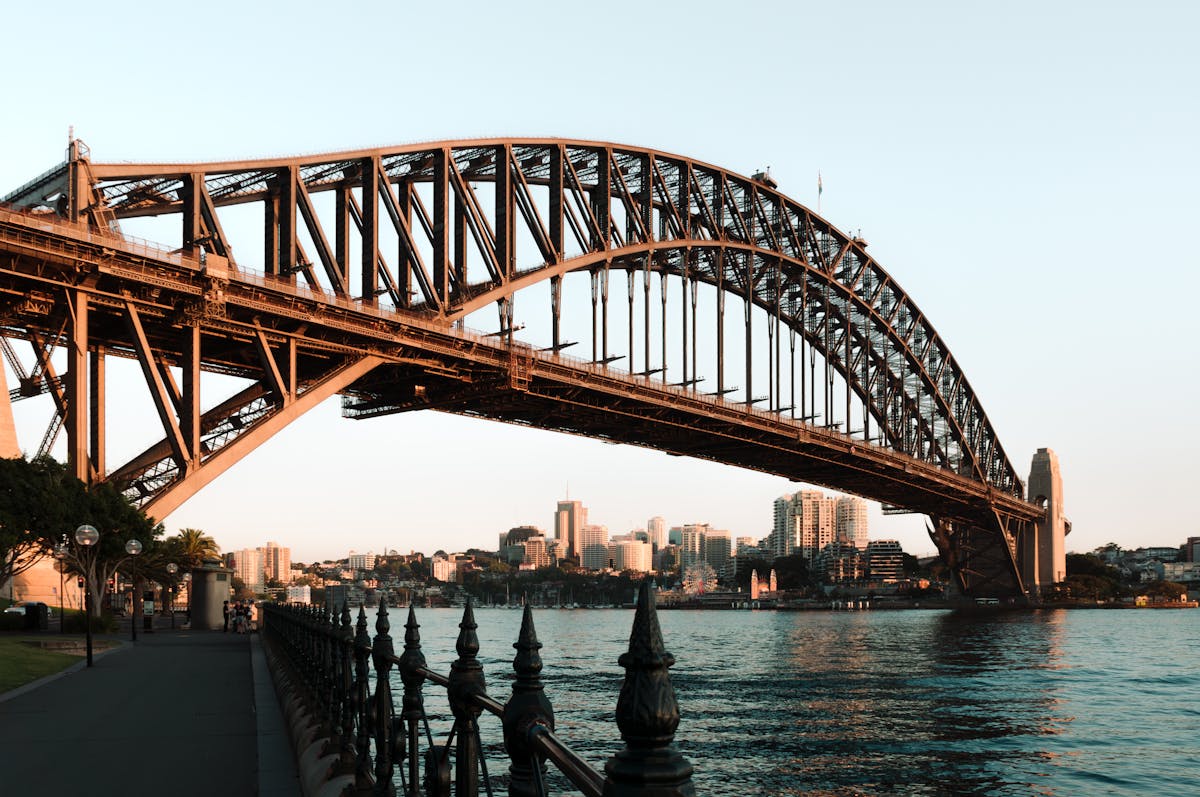
If the Opera House represents Sydney’s artistic ambition, the Harbour Bridge embodies its engineering spirit. Opened on 19 March 1932 after eight years of construction, the bridge was the largest steel arch bridge in the world at the time and remains one of the most recognisable bridges on Earth. Nicknamed “The Coathanger” by locals for its distinctive arch shape, the bridge spans 503 metres across the harbour, rises 134 metres above the water, and carries eight lanes of traffic, two railway lines, a pedestrian walkway, and a cycleway. The Pylon Lookout Museum, housed in the bridge’s southeastern pylon, tells the story of the bridge’s construction through photographs, artefacts, and a panoramic viewing platform at the top. For the ultimate experience, BridgeClimb takes visitors on a guided ascent to the summit of the arch — including the Burrawa Indigenous Climb mentioned earlier. Walking or cycling across the bridge is free and offers spectacular harbour views that are particularly memorable at sunrise or sunset.
Cultural Neighbourhoods and Heritage Precincts
Beyond its major institutions, Sydney’s cultural richness is woven into the fabric of its neighbourhoods. Each precinct has its own personality, history, and artistic identity, making neighbourhood exploration one of the most rewarding ways to experience Sydney history and culture.
Circular Quay and The Domain
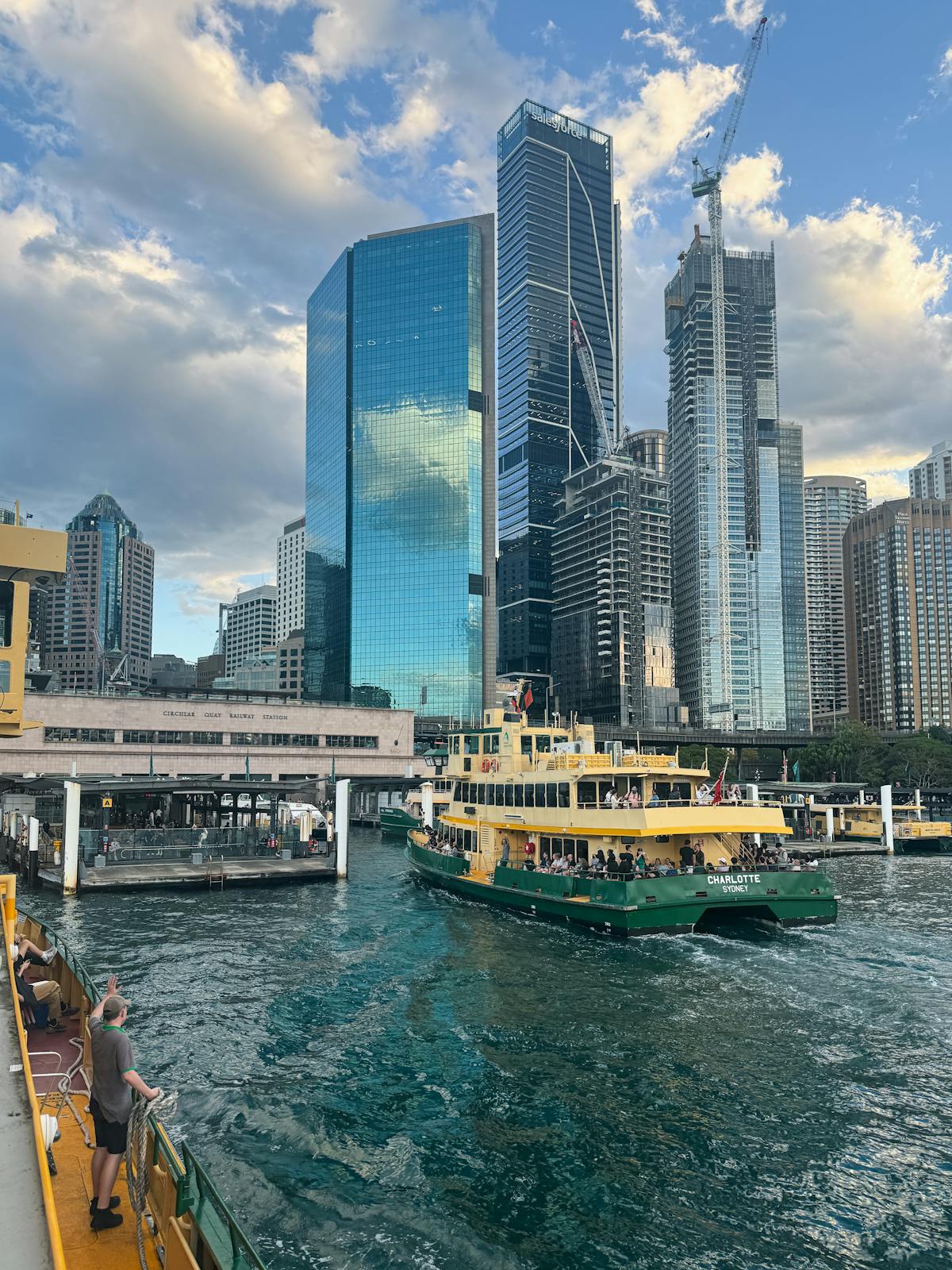
Circular Quay is the cultural heart of Sydney — the place where the Opera House, the MCA, the Royal Botanic Garden, Customs House, and the ferry wharves converge. The Domain, a vast public parkland adjacent to the Art Gallery of NSW, has been a gathering place for public debate since the 1870s and hosts free outdoor events including the annual open-air cinema season and Carols in the Domain. The Royal Botanic Garden, established in 1816, is both a scientific institution and a beautiful green sanctuary with Aboriginal heritage trails and harbour foreshore walks.
Surry Hills and Darlinghurst
These inner-city neighbourhoods are the creative engine room of contemporary Sydney. Surry Hills, once a working-class district of terrace houses and factories, has reinvented itself as a hub for independent galleries, design studios, and artisan coffee roasters while preserving its Victorian streetscape. Crown Street and its surrounding laneways are packed with small galleries, vintage boutiques, and street art. Darlinghurst is home to the Australian Museum, the Sydney Jewish Museum, and a vibrant LGBTQIA+ cultural scene centred on Oxford Street. If you enjoy Sydney nightlife, you will find that many of the city’s most culturally interesting bars and venues are concentrated in these neighbourhoods.
Newtown and the Inner West
Newtown’s King Street is Sydney’s most bohemian thoroughfare — a kilometre-long strip of bookshops, vintage stores, Thai restaurants, live music venues, and street art murals that reflects the suburb’s progressive, multicultural character. The Enmore Theatre and surrounding venues form the heart of Sydney’s independent music and comedy scene. Marrickville, adjacent to Newtown, has become a hub for artist studios, craft breweries, and Vietnamese and Greek culinary traditions. Further west, Parramatta — Australia’s second-oldest European settlement — is experiencing a cultural renaissance with the new Powerhouse Parramatta museum (the largest cultural infrastructure project in Australia), Riverside Theatres, and Experiment Farm Cottage (the oldest surviving European dwelling in Australia, built in 1793).
Chinatown and Haymarket
Sydney’s Chinatown, centred on Dixon Street in Haymarket, is the largest in Australia and reflects the deep Chinese-Australian history that stretches back to the gold rushes of the 1850s. Beyond the ceremonial gates and the lantern-strung pedestrian mall, you will find some of the best yum cha in the Southern Hemisphere, traditional Chinese medicine practitioners, and the Golden Water Mouth art installation commemorating Chinese contributions to Sydney. The Chinese Garden of Friendship, a tranquil walled garden designed in collaboration with Sydney’s sister city Guangzhou, is a hidden gem just steps from Darling Harbour. During Lunar New Year and the Mid-Autumn Festival, Chinatown comes alive with dragon dances, night markets, and cultural performances.
Paddington and Woollahra
Paddington’s famous terrace houses — with their intricate iron lacework balconies — represent one of the finest collections of Victorian residential architecture in Australia. Oxford Street, Paddington, is lined with independent fashion designers and art galleries, and the Paddington Markets (held every Saturday) have been a fixture since 1973. Woollahra’s Queen Street gallery strip is one of the most prestigious in the country, specialising in Aboriginal and contemporary Australian art. The nearby Centennial Parklands, established in 1888 to commemorate Australia’s centenary, offer 189 hectares of grand avenues, formal gardens, and wide-open grasslands.
Performing Arts and Live Culture
Sydney’s performing arts scene is one of the most vibrant in the Asia-Pacific, anchored by world-class resident companies and fuelled by a constantly evolving independent sector. Opera Australia, the Sydney Symphony Orchestra, the Australian Chamber Orchestra, Bangarra Dance Theatre (Australia’s leading Indigenous performing arts company), Sydney Dance Company, and Bell Shakespeare are all based in Sydney, performing regularly at the Opera House and other major venues.
Beyond the Opera House, the Capitol Theatre in Haymarket hosts major musicals and touring shows in a lavishly restored 1928 atmospheric theatre. The Belvoir St Theatre in Surry Hills and the Sydney Theatre Company’s home at Walsh Bay are the city’s premier venues for contemporary Australian drama. The Carriageworks arts centre in Eveleigh — a repurposed 19th-century railway workshop — hosts experimental performance, visual art exhibitions, and the popular Carriageworks Farmers Market. For an overview of Sydney events and festivals, including major performing arts events like the Sydney Festival, Vivid Sydney, and the Sydney Biennale, check our dedicated guide.
Multicultural Sydney: A City of Many Cultures
Sydney is one of the most multicultural cities on Earth, with more than 250 languages spoken across the metropolitan area and residents born in over 200 countries. This diversity is woven into every aspect of city life — from the food scene to the arts calendar to neighbourhood character. Cabramatta in the southwest is the heart of Vietnamese-Australian culture, with some of the best pho and banh mi outside Hanoi. Auburn is known for its Turkish and Afghan communities, with bakeries and kebab shops lining Queen Street. Lakemba’s Haldon Street comes alive during Ramadan with the Ramadan Night Market — one of Sydney’s most vibrant cultural events. Leichhardt, traditionally Sydney’s “Little Italy”, maintains its Italian-Australian identity through espresso bars, delis, and the annual Norton Street Italian Festa.
This multicultural fabric enriches every visitor experience. The best restaurants in Sydney reflect this diversity, offering everything from refined Japanese omakase in the CBD to Sichuan hot pot in Burwood to Lebanese feasts in Bankstown. Cultural festivals — including Greek Orthodox Easter in Marrickville, Diwali celebrations in Parramatta, NAIDOC Week events across the city, and the Lunar New Year festivities in Chinatown — provide visitors with authentic encounters with Sydney’s extraordinary cultural mosaic.
Darling Harbour: Where Culture Meets the Waterfront
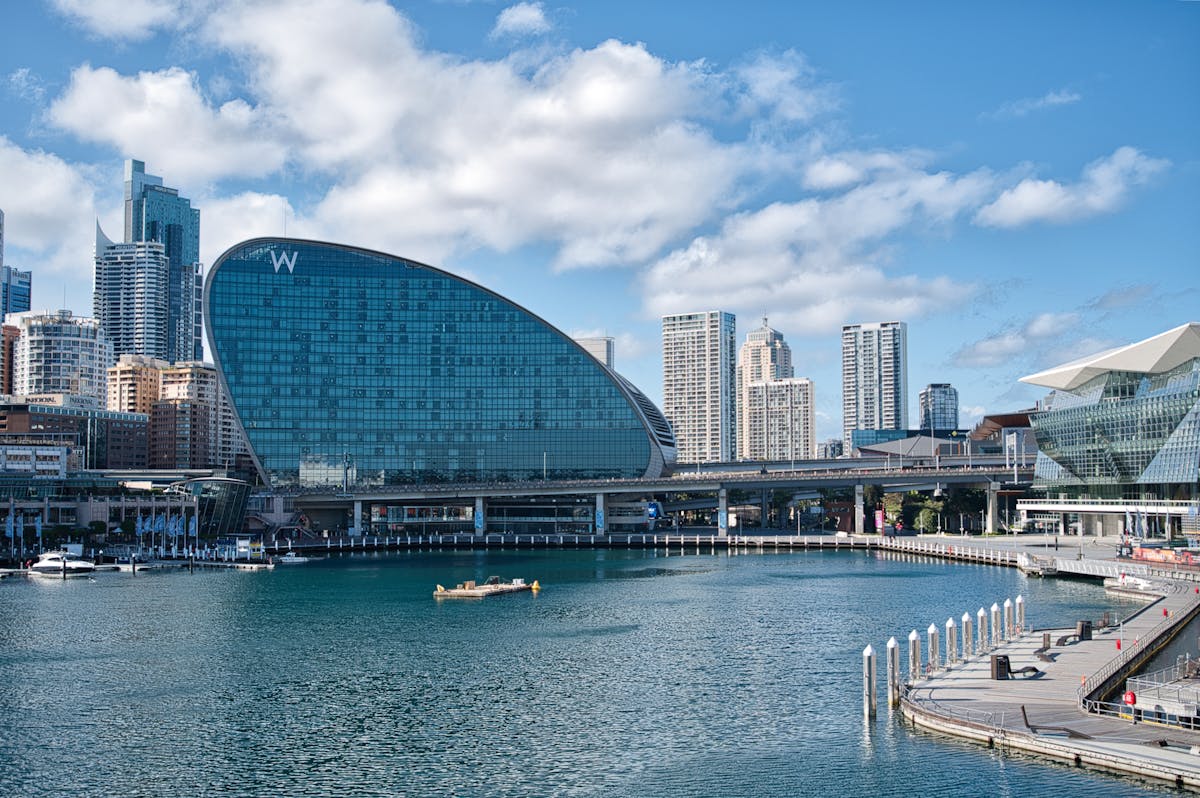
Darling Harbour has transformed from a derelict industrial port into one of Sydney’s premier cultural and entertainment precincts. Today it is home to the Australian National Maritime Museum, SEA LIFE Sydney Aquarium, WILD LIFE Sydney Zoo, Madame Tussauds, the Chinese Garden of Friendship, and the ICC Sydney convention and entertainment complex. The harbourside promenades are dotted with public art installations, and free fireworks displays light up the waterfront on Saturday nights throughout the year. For visitors exploring getting around Sydney, Darling Harbour is easily accessible by light rail, ferry, and on foot from the CBD — making it a natural stop on any cultural itinerary.
Street Art, Public Art, and Creative Spaces
Sydney’s public art landscape extends well beyond traditional galleries. The Sculpture by the Sea exhibition, held annually along the Bondi to Tamarama coastal walk, is the world’s largest free-to-the-public outdoor sculpture exhibition, attracting more than 450,000 visitors over three weeks. The Newtown and Marrickville neighbourhoods are open-air galleries of street art — large-scale murals cover entire building facades, with new works constantly appearing. The Barangaroo headland park features significant public artworks and landscape design that references Indigenous heritage. Art and About Sydney, the City of Sydney’s annual public art program, installs temporary exhibitions in parks, laneways, and unexpected urban spaces throughout the year. And at night, the annual Vivid Sydney festival transforms the city into a canvas of light art, projections, and interactive installations — the largest festival of its kind in the Southern Hemisphere.
Literary Sydney and Heritage Libraries
Sydney has a rich literary heritage. The State Library of NSW, established in 1826, is one of the oldest libraries in Australia and houses extraordinary collections including the original journals of Captain James Cook, the Endeavour journal of Joseph Banks, and a trove of colonial-era maps, paintings, and manuscripts. Its Mitchell Library reading room, with its soaring dome, is one of the most beautiful interiors in Sydney. The annual Sydney Writers’ Festival, held at Walsh Bay each May, is one of the world’s premier literary events, attracting leading international and Australian authors. The Brett Whiteley Studio in Surry Hills — preserved as a museum since the artist’s death in 1992 — offers a different kind of creative heritage, opening a window into the life and work of one of Australia’s most celebrated painters.
Planning Your Cultural Itinerary
Sydney’s cultural attractions are concentrated enough that you can pack several into a single day, yet spread across enough distinct precincts that you could spend a week without running out of discoveries. Here is a suggested approach for visitors wanting to immerse themselves in Sydney history and culture.
Three-Day Cultural Itinerary
Day 1 — Harbour Heritage: Start at Circular Quay with a morning visit to the Sydney Opera House (guided tour or performance). Walk through the Royal Botanic Garden along the foreshore to Mrs Macquaries Chair for harbour views. Afternoon at the Art Gallery of NSW and Sydney Modern, including the Tank gallery. Evening harbour walk past the MCA and into The Rocks for dinner in a heritage pub.
Day 2 — Colonial and Indigenous History: Morning guided walking tour of The Rocks (convict heritage tour). Visit Hyde Park Barracks for the convict history exhibition. Lunch in Surry Hills. Afternoon at the Australian Museum (First Australians galleries). Walk through Darlinghurst to the Sydney Jewish Museum. Evening at Belvoir St Theatre or the Capitol Theatre for a show.
Day 3 — Neighbourhoods and Contemporary Culture: Morning ferry to Cockatoo Island (World Heritage convict and maritime site). Afternoon exploring Newtown’s King Street — bookshops, street art, galleries, and Carriageworks. Alternatively, catch a ferry to Barangaroo for an Aboriginal cultural tour, then cross to Darling Harbour for the Maritime Museum. Evening at the Opera House for a performance, or explore Sydney nightlife in Surry Hills.
Free Cultural Experiences
Sydney offers an impressive number of free cultural experiences. Entry to the permanent collections of the Art Gallery of NSW, the MCA, the Australian National Maritime Museum (general admission), and the White Rabbit Gallery (contemporary Chinese art in Chippendale) is free. Walking across the Sydney Harbour Bridge, exploring the Royal Botanic Garden, viewing Aboriginal rock engravings in Ku-ring-gai Chase National Park, browsing the Paddington Markets, and attending the Badu Gili light projection at the Opera House each evening all cost nothing. The City of Sydney offers free guided walking tours, and many churches, heritage buildings, and public gardens can be explored at no charge.
Best Time for Culture
While Sydney’s cultural institutions operate year-round, certain seasons are particularly rewarding for culture-focused visitors. January brings the Sydney Festival (a three-week arts festival spanning theatre, music, dance, and visual art). Autumn (March–May) offers the Sydney Biennale, the Sydney Writers’ Festival, and comfortable weather for walking tours. May–June brings Vivid Sydney, the spectacular festival of light, music, and ideas. Winter (June–August) is the season for the Sydney Film Festival, NAIDOC Week celebrations, and the Good Food Month. For a full calendar, see our Sydney events and festivals guide, and check the best time to visit Sydney for weather and crowd considerations.
Practical Tips for Cultural Visitors
Museum passes: The iVenture Card and Sydney Attractions Pass bundle entry to multiple museums and cultural attractions at a discount. Check current offerings before your visit.
Getting there: Most major cultural institutions are clustered around Circular Quay, Darling Harbour, and the CBD, all easily accessible by train, bus, ferry, and light rail. An Opal card is essential for seamless travel across all public transport modes. For a comprehensive overview, read our Sydney transport guide.
Booking ahead: Popular experiences like the Sydney Opera House guided tour, BridgeClimb, and Aboriginal cultural tours should be booked at least a few days in advance, especially during peak season (December–February) and school holidays.
Accessibility: Most major museums and cultural venues are wheelchair accessible, with hearing loops and audio description available at larger institutions. The Sydney Opera House offers Auslan-interpreted performances and tactile tours for vision-impaired visitors.
Accommodation: For the most culture-rich stay, base yourself around Circular Quay, The Rocks, or Surry Hills — all within walking distance of major museums, galleries, and heritage precincts. See our where to stay in Sydney guide for detailed recommendations.
Day trips: Several excellent cultural day trips from Sydney complement the city experience, including the Blue Mountains (Aboriginal heritage sites and Scenic World), the Hawkesbury River (convict history and ferry villages), and Parramatta (Old Government House, Experiment Farm Cottage).
Frequently Asked Questions About Sydney History and Culture
What are the most important cultural attractions in Sydney?
The Sydney Opera House (UNESCO World Heritage Site), the Art Gallery of New South Wales (including Sydney Modern), the Australian Museum, the Museum of Contemporary Art, the Australian National Maritime Museum, and the historic Rocks precinct are the essential cultural attractions. Aboriginal cultural tours and the Sydney Harbour Bridge BridgeClimb also rank among the top cultural experiences.
How old is Sydney’s Indigenous history?
Aboriginal people have lived in the Sydney region for at least 65,000 years, making it one of the oldest continuously inhabited places on Earth. The Gadigal people of the Eora Nation are the Traditional Custodians of central Sydney. Archaeological evidence including shell middens, rock engravings, and ochre hand stencils confirms this deep time connection.
Are there free museums and galleries in Sydney?
Yes. The permanent collections of the Art Gallery of NSW, the Museum of Contemporary Art, the Australian National Maritime Museum (general admission), and the White Rabbit Gallery are all free. Many churches, heritage buildings, and the Royal Botanic Garden are also free to enter. The Badu Gili light projection at the Opera House is free every evening.
Can I experience Aboriginal culture in Sydney?
Absolutely. Sydney offers Aboriginal-led walking tours in The Rocks and at Barangaroo, the Burrawa Indigenous BridgeClimb, bush tucker tours at the Royal Botanic Garden, Aboriginal galleries at the AGNSW and Australian Museum, Bondi Aboriginal Walking Tours, and cultural events including NAIDOC Week and the Blak Markets.
What is the best area to stay for cultural sightseeing?
Circular Quay and The Rocks offer the most convenient access to the Opera House, MCA, Royal Botanic Garden, and heritage precincts. Surry Hills is ideal for independent galleries, dining, and nightlife. Darling Harbour suits families wanting museum access. For comprehensive accommodation advice, see our where to stay in Sydney guide.
How do I plan a trip to Sydney focused on history and culture?
Start with our Sydney travel guide for overall trip planning. Allow at least three full days for a meaningful cultural itinerary. Book Opera House tours and BridgeClimb in advance. Download the Culture Station app for up-to-date listings of exhibitions and performances. Consider visiting during the Sydney Festival (January), Vivid Sydney (May–June), or the Biennale of Sydney (March) for the richest cultural calendar.
Sydney’s history and culture offer visitors something rare — the chance to walk through 65,000 years of human history in a single harbour city, from ancient rock engravings to a UNESCO-listed architectural masterpiece, from convict-carved sandstone to world-class contemporary art. Whether you spend an afternoon or a fortnight, the cultural layers of this city will leave a lasting impression. For more ideas on making the most of your visit, explore our complete guide to things to do in Sydney, and check the Sydney beaches guide for when you’re ready to balance culture with coastline.