Looking for the best things to do in Sydney? Sydney is one of the most spectacular cities on Earth, and there is no shortage of activities here. From the iconic sails of the Opera House reflecting off the harbour to the golden sands of Bondi Beach, from the cobblestone laneways of The Rocks to the wild bushland of the Blue Mountains just beyond the city limits, Sydney delivers experiences that stay with you long after you leave. Whether you are visiting for the first time or returning for another taste of this magnificent harbour city, this guide covers every essential experience, hidden gem, and practical tip you need to make the most of your time in Sydney. With over 50 things to do in Sydney covered below, you will never run out of inspiration. Need help choosing a base? See our guide on where to stay in Sydney. For comprehensive planning details, see our Sydney travel guide. For more information, see our Sydney Culture, History & Heritage.
This is your comprehensive, locally-informed guide to all the best things to do in Sydney, Australia. We have organised this guide by category so you can quickly find exactly what interests you, whether that is world-class cultural institutions, heart-pounding outdoor adventures, family-friendly attractions, or simply the best spots to watch the sun set over the harbour with a glass of Australian wine in hand.
Iconic Landmarks and Must-See Attractions
Sydney’s skyline is instantly recognisable thanks to a handful of landmarks that have become symbols not just of the city, but of Australia itself. These are the attractions that belong on every visitor’s itinerary, regardless of how long you are staying.
Sydney Opera House
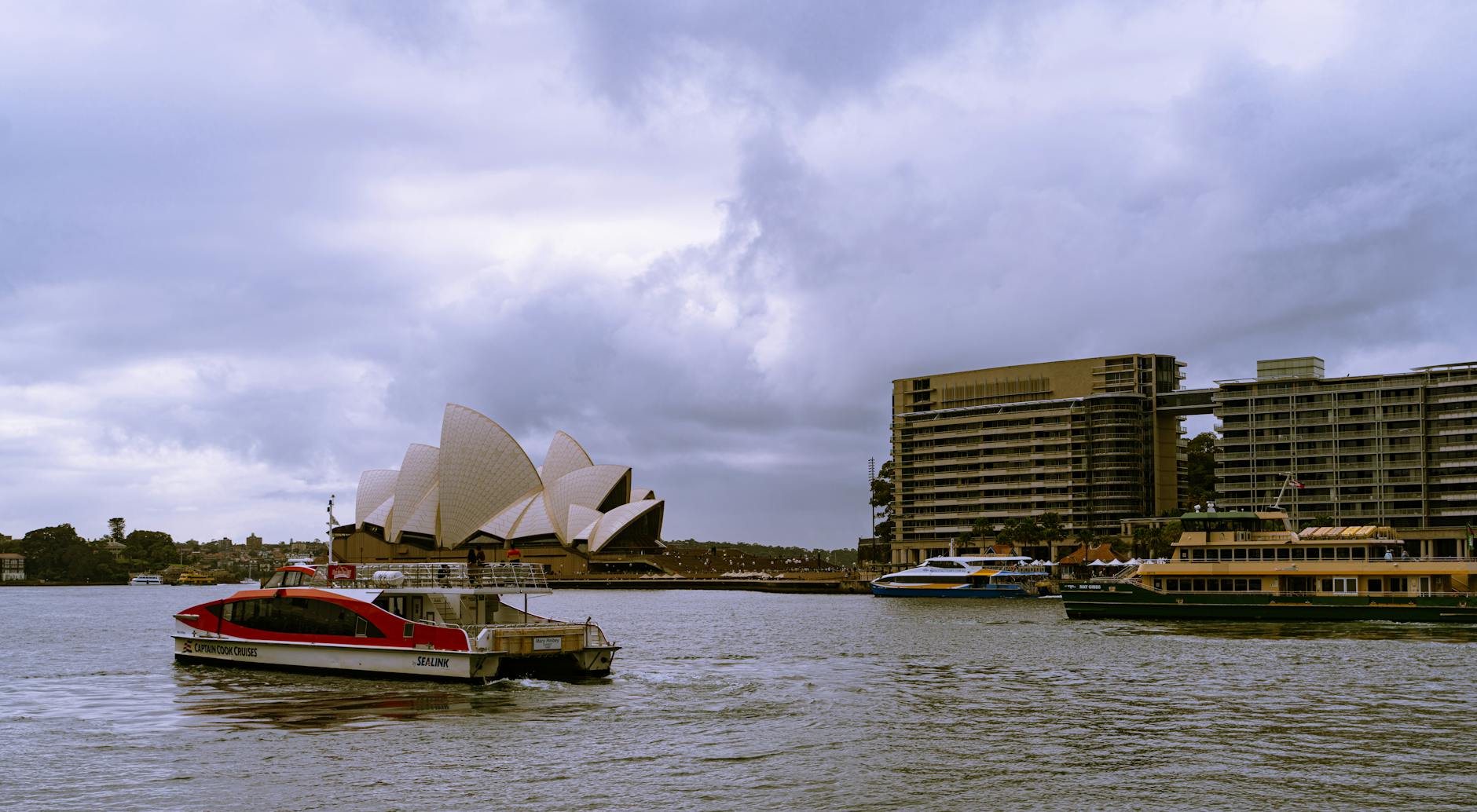
The Sydney Opera House is far more than a pretty facade. This UNESCO World Heritage Site, designed by Danish architect Jorn Utzon and completed in 1973, hosts more than 1,500 performances each year across its multiple venues. Whether you are interested in opera, ballet, contemporary music, theatre, or comedy, there is almost certainly something on during your visit.
For visitors, there are several ways to experience the Opera House. The most popular is the one-hour guided tour, which takes you through the building’s interiors, explains its remarkable engineering, and shares stories from its colourful construction history. For a more immersive experience, book a backstage tour that grants access to areas the public normally never sees, including rehearsal spaces and the green room. If you prefer to simply soak in the atmosphere, grab a drink at the Opera Bar, situated right on the harbour with the Opera House as your backdrop and the Harbour Bridge framing the view across the water.
The Opera House forecourt often hosts free outdoor events, particularly during the Sydney Festival in January and Vivid Sydney in winter. Check the official schedule before your visit to see what performances or events might coincide with your trip. The building is also stunning when illuminated at night, making an evening stroll along the harbour foreshore one of the simplest yet most memorable things you can do in Sydney.
Sydney Harbour Bridge
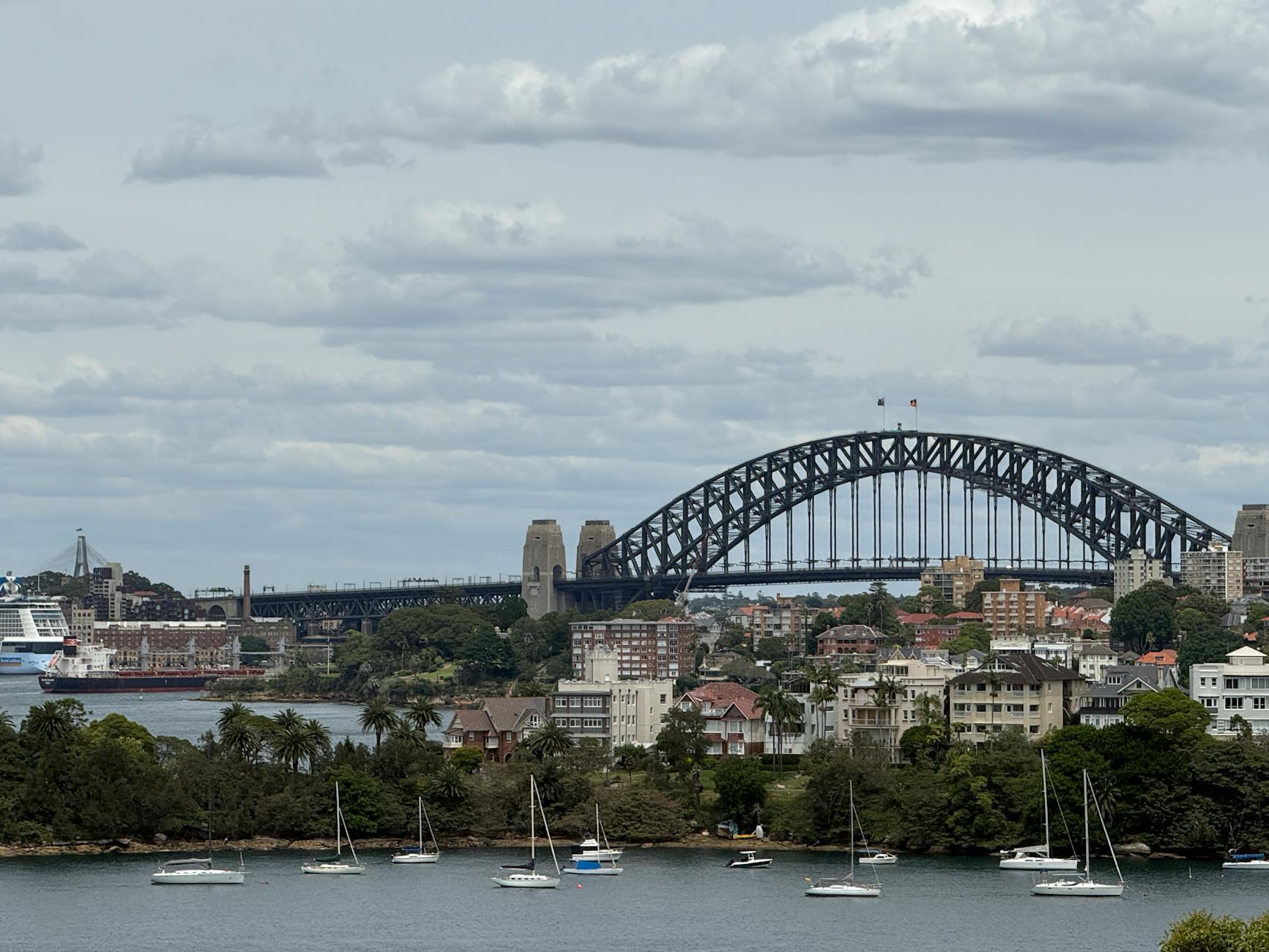
Opened in 1932, the Sydney Harbour Bridge is an engineering marvel that spans 1,149 metres across the harbour, connecting the CBD to the North Shore. Locals affectionately call it “The Coathanger” due to its distinctive arch shape, and it remains one of the largest steel arch bridges in the world.
There are several ways to experience the bridge. The most thrilling is the BridgeClimb, a guided ascent to the summit 134 metres above the harbour. The climb takes approximately 3.5 hours and rewards you with 360-degree panoramic views of the entire Sydney basin, from the Blue Mountains in the west to the Pacific Ocean in the east. Twilight climbs are particularly popular, as you ascend in the golden light of dusk and descend as the city lights begin to twinkle below. If you prefer something less adventurous, the Pylon Lookout on the southeastern pylon offers harbour views from a more accessible 87-metre vantage point for a fraction of the cost. You can also simply walk or cycle across the bridge for free using the pedestrian pathway on the eastern side.
For a unique cultural experience, consider the Burrawa Indigenous Climb led by Aboriginal storytellers who share the history of Sydney from the perspective of the Gadigal people of the Eora Nation, whose connection to this land stretches back tens of thousands of years.
Circular Quay and the Harbour Foreshore
Circular Quay is the beating heart of Sydney’s harbour and the natural starting point for most visitors. This bustling transport hub and waterfront promenade sits between the Opera House and the Harbour Bridge, making it the city’s most concentrated area of activity. Ferries depart regularly for Manly, Taronga Zoo, Watsons Bay, and Darling Harbour, while buskers, street performers, and food vendors keep the energy high throughout the day.
From Circular Quay, you can walk east along the harbour foreshore to the Opera House and onwards to the Royal Botanic Garden, or head west into The Rocks for a taste of Sydney’s oldest colonial neighbourhood. The Museum of Contemporary Art Australia sits right on the quay and offers free admission to its permanent collection of Australian and international contemporary art, making it an easy addition to any harbour walk.
Sydney’s World-Famous Beaches and Coastal Walks
Sydney is blessed with more than 100 beaches stretching from the sheltered harbour coves in the north to the wild ocean surf of the south. Beach culture is woven into the fabric of daily life here, and spending time on the sand is as essential to the Sydney experience as visiting the Opera House.
Bondi Beach
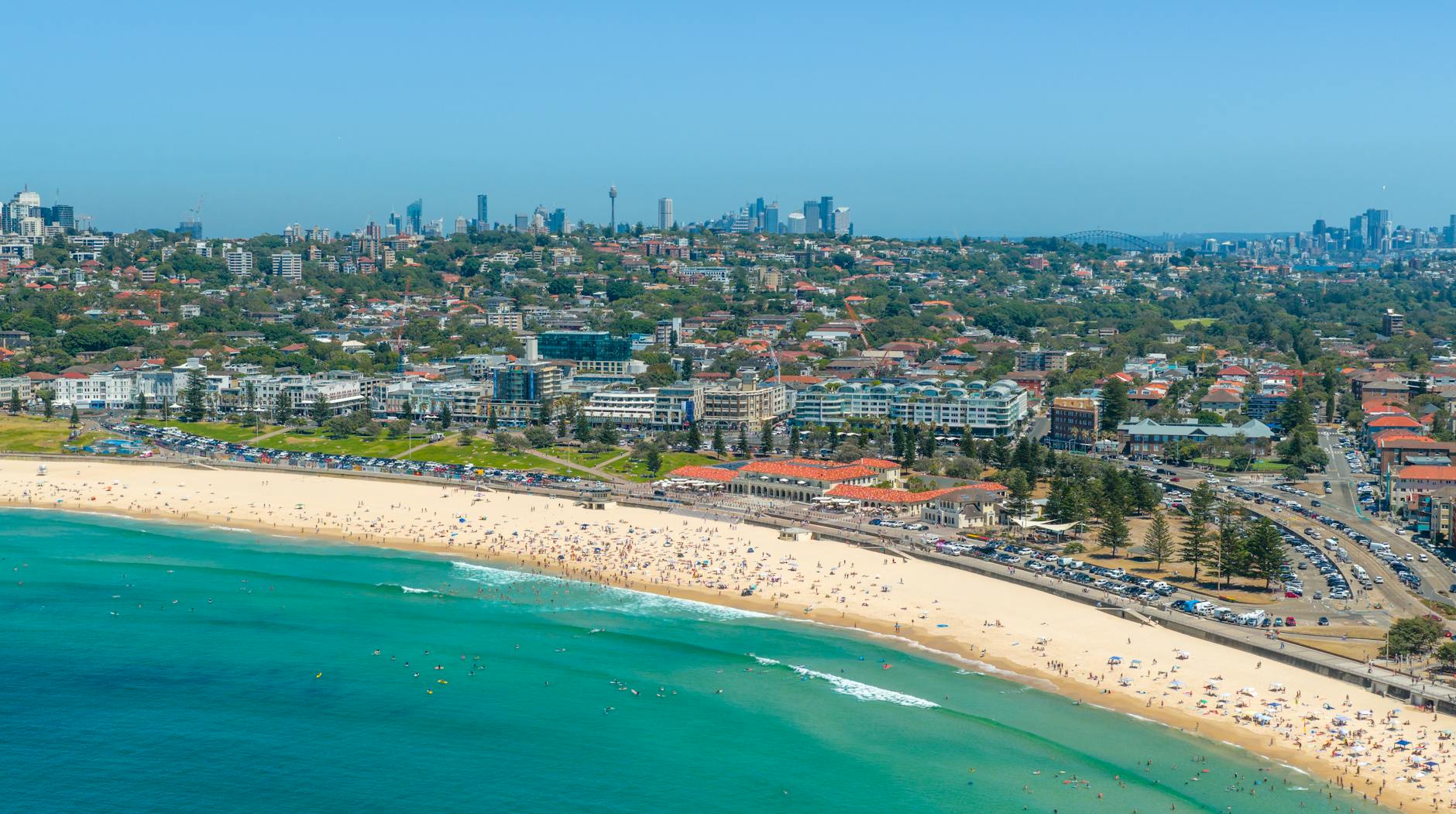
Bondi is Australia’s most iconic beach and a must-visit for any Sydney trip. This crescent of golden sand backed by a vibrant village atmosphere draws everyone from serious surfers to sunbathing families. The beach is patrolled by lifeguards year-round, making it a safe spot for swimming, and the Bondi Icebergs ocean pool at the southern end is one of the most photographed swimming spots in the world.
Beyond the beach itself, Bondi village is packed with excellent cafes, restaurants, and boutique shops. The Saturday morning Bondi Farmers Market at Bondi Beach Public School is a local institution, offering fresh produce, artisan bread, and prepared foods from some of Sydney’s best vendors. For surfing, Bondi is a designated National Surfing Reserve, and several surf schools operate on the beach offering lessons for all skill levels.
Manly Beach
Getting to Manly is half the fun. The 30-minute ferry ride from Circular Quay takes you past the Opera House, under the Harbour Bridge, and through the harbour heads, delivering you to one of Sydney’s most beloved beach suburbs. Manly offers a more laid-back alternative to Bondi, with a family-friendly surf beach on the ocean side and calm harbour beaches on the other.
The Corso, a pedestrian boulevard connecting the ferry wharf to the beach, is lined with shops, restaurants, and gelato stands. From Manly, you can explore the Manly to Spit Bridge walk, a stunning 10-kilometre coastal trail that winds through bushland, past secluded coves, and along dramatic cliff tops. Shelly Beach, a short walk south of the main beach, is one of the best snorkelling spots in Sydney, with a protected marine reserve teeming with blue groper, cuttlefish, and other marine life.
Bondi to Coogee Coastal Walk
The Bondi to Coogee Coastal Walk is one of Sydney’s most popular walking trails and arguably the best free activity in the city. This six-kilometre cliff-top path connects five beaches: Bondi, Tamarama, Bronte, Clovelly, and Coogee. Allow two to three hours at a leisurely pace, with plenty of stops for swimming, photography, and coffee along the way.
Highlights along the route include the Tamarama Beach lookout with its dramatic cliff views, the natural rock pool at Bronte, the calm snorkelling waters of Clovelly, and the heritage-listed Wylie’s Baths at Coogee. The walk is graded as easy to moderate and is suitable for most fitness levels, though there are some steep staircases. During October and November, the trail becomes an outdoor gallery during the annual Sculpture by the Sea exhibition, when large-scale artworks are installed along the clifftops between Bondi and Tamarama.
Hidden Beach Gems
Beyond Bondi and Manly, Sydney has dozens of lesser-known beaches worth seeking out. Nielsen Park in Vaucluse offers a calm, shark-netted harbour beach with a heritage kiosk serving excellent fish and chips, best visited on a weekday when the crowds thin out. Milk Beach, tucked away in Hermitage Bay, offers a tiny stretch of sand with postcard-perfect views of the harbour and city skyline. Camp Cove in Watsons Bay is a sheltered pocket beach popular with families, and Balmoral Beach on the North Shore combines gentle waters with a charming village atmosphere complete with cafes and fish restaurants.
Wildlife and Nature Experiences
Taronga Zoo
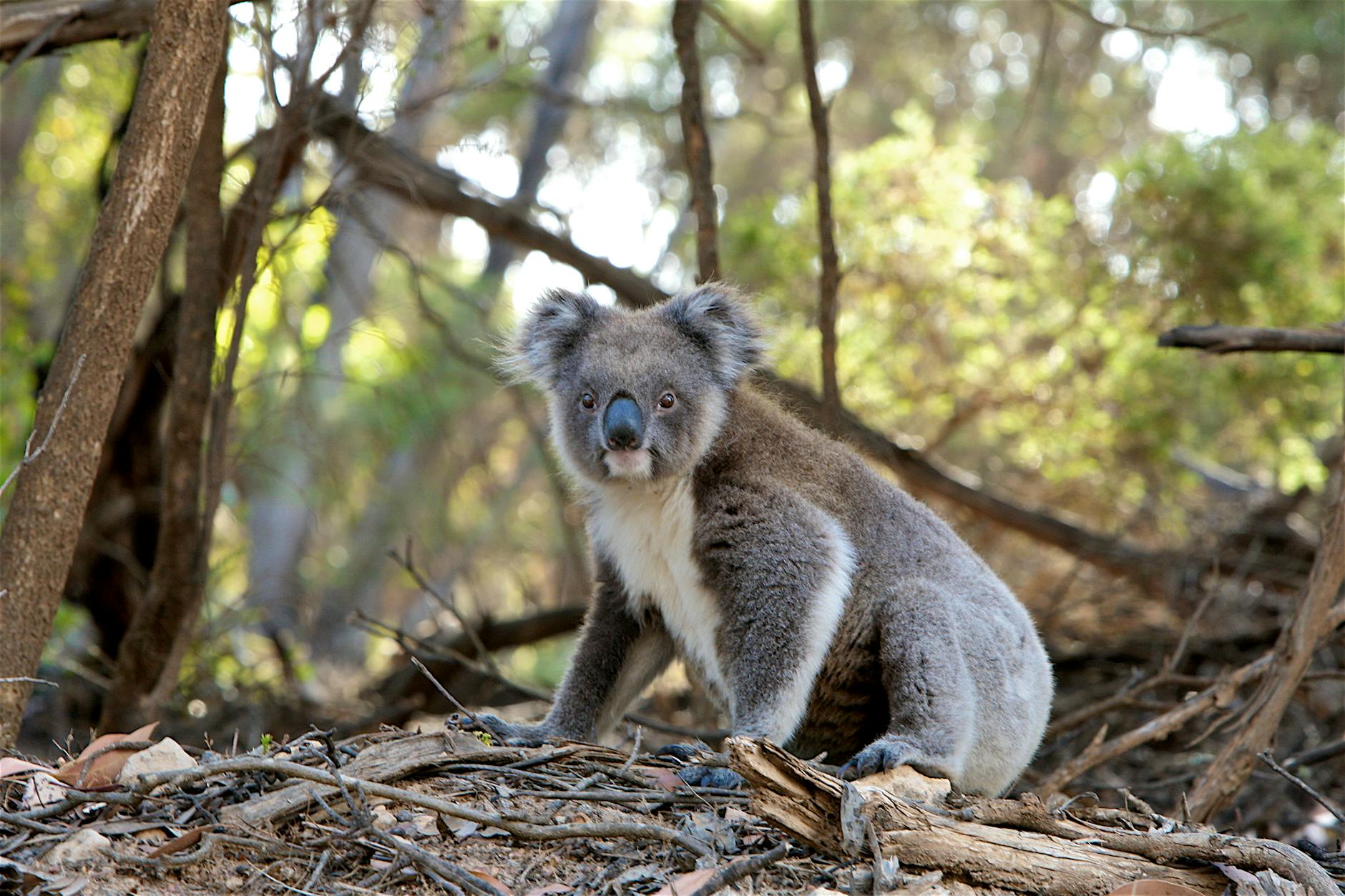
Taronga Zoo occupies a spectacular harbourside location on the North Shore, meaning you get world-class wildlife encounters with one of the planet’s greatest city skylines as your backdrop. The zoo is home to over 4,000 animals from around the world, including Australian favourites like koalas, kangaroos, platypus, and wombats, as well as exotic species like Asian elephants, Sumatran tigers, and snow leopards.
Getting there is part of the experience. Catch the ferry from Circular Quay to Taronga Zoo Wharf, then take the Sky Safari cable car to the top of the zoo and work your way downhill through the exhibits. Key experiences include the daily seal show, the free-flight bird show with harbour views, and the chance to have a koala encounter where you can get up close for a photo with one of Australia’s most beloved animals. For something truly special, Taronga offers the Roar and Snore overnight camping experience, where you sleep in luxury tents on the zoo grounds and enjoy exclusive after-hours animal encounters.
SEA LIFE Sydney Aquarium and WILD LIFE Sydney Zoo
Located side by side at Darling Harbour, these two attractions make for an easy half-day outing, especially for families. SEA LIFE Sydney Aquarium houses over 13,000 marine animals across 14 themed zones, with highlights including the Great Barrier Reef display, the shark walk tunnel, and the dugong exhibit featuring the rare and gentle sea cows. WILD LIFE Sydney Zoo focuses specifically on Australian animals, with walk-through habitats for kangaroos, butterflies, and koalas. Combination tickets for both attractions offer good value if you plan to visit both.
Whale Watching
From May to November each year, around 40,000 humpback whales migrate along Sydney’s coastline on their annual journey between Antarctica and the warm waters of the Pacific. This creates one of the most accessible whale watching experiences in the world, with cruises departing daily from Circular Quay, Darling Harbour, and Manly during the season. Peak months are June and July for northbound whales, and October and November for mothers with calves heading south.
If you prefer to keep your feet on dry land, some of Sydney’s coastal headlands offer excellent whale-spotting opportunities. Cape Solander in Kamay Botany Bay National Park has a dedicated viewing platform with information boards, while the cliffs along the Bondi to Coogee walk and South Head near Watsons Bay are also reliable vantage points during the migration season.
Historic Neighbourhoods and Cultural Precincts
The Rocks
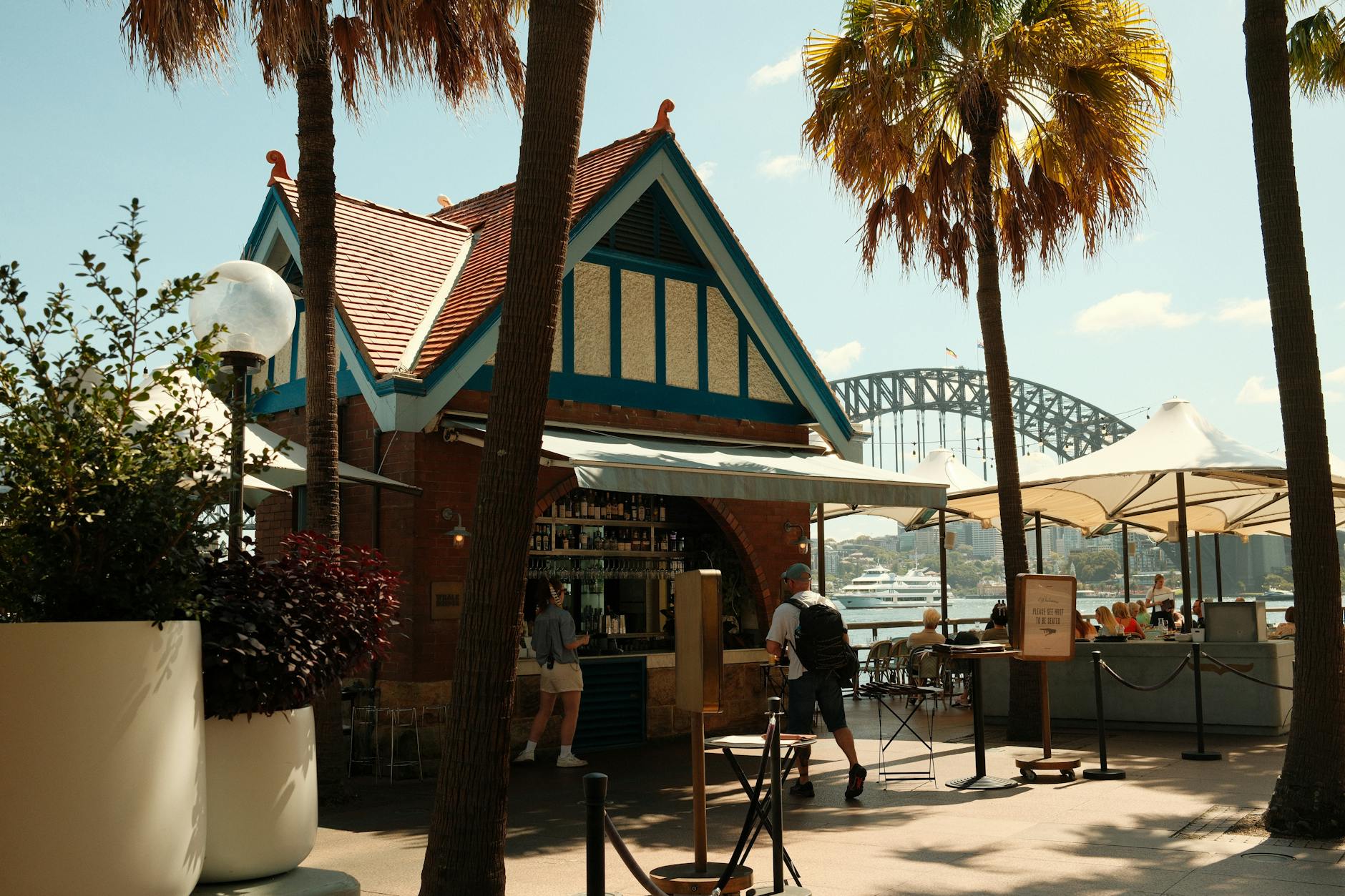
The Rocks is where Sydney began. This atmospheric neighbourhood at the foot of the Harbour Bridge was the site of the first European settlement in 1788, and its cobblestone laneways, sandstone buildings, and heritage pubs still carry the weight of that history. Walking through The Rocks today is a journey through layers of Sydney’s past, from its convict origins to its days as a rough-and-tumble waterfront district to its current incarnation as a polished cultural precinct.
Start at the Rocks Discovery Museum, a free museum housed in a restored 1850s sandstone warehouse that traces the area’s history from its Aboriginal inhabitants through to the present day. Wander through Suez Canal and the narrow laneways that wind between historic buildings, poke your head into heritage pubs like the Fortune of War (Sydney’s oldest pub, established in 1828) and The Lord Nelson Brewery Hotel, which brews its own ales on site. On weekends, The Rocks Markets take over the streets with stalls selling handmade jewellery, art, photography, and gourmet food from local producers.
Darling Harbour
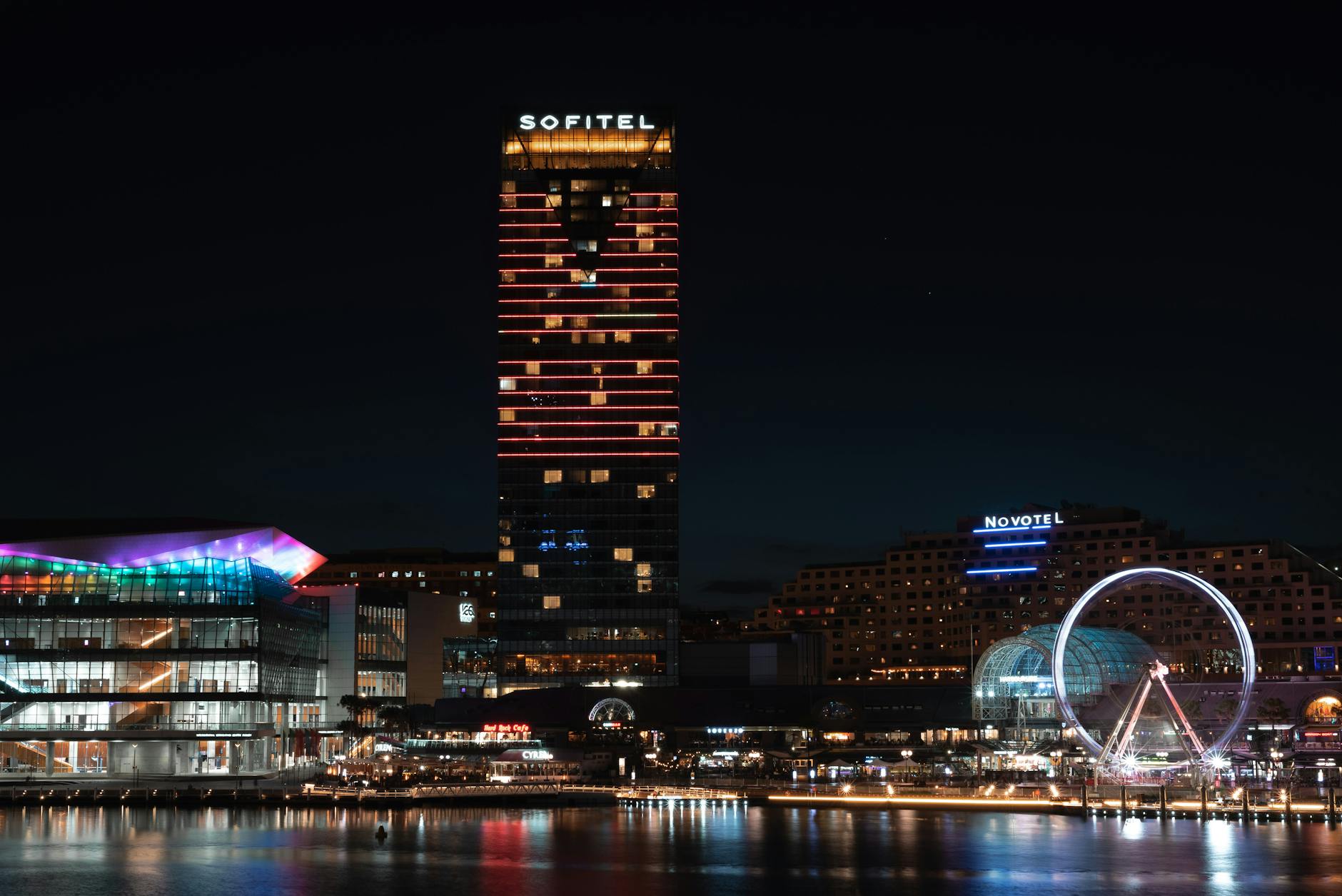
Darling Harbour is Sydney’s dedicated entertainment precinct, a sprawling waterfront complex packed with restaurants, bars, museums, and family attractions. While it can feel tourist-oriented, there is genuine substance here, particularly at the Australian National Maritime Museum, which tells the story of Australia’s deep connection with the sea through fascinating exhibits including a Cold War-era submarine you can explore and a replica of Captain Cook’s HMB Endeavour.
The precinct recently underwent a major redevelopment with the opening of Darling Square, home to the new Sydney Fish Market (opening 2026), the Exchange building with its spiralling timber architecture, and a host of new restaurants and retail outlets. For families, the Darling Quarter playground is one of the best in Sydney, featuring a 21-metre flying fox, water play areas, and climbing structures. The Chinese Garden of Friendship, tucked away in the southern corner, offers a tranquil escape from the harbour’s bustle with its traditional Chinese landscaping, waterfalls, and pagodas.
Surry Hills, Newtown, and Inner West
For a taste of local Sydney life beyond the tourist precincts, head to the inner-city neighbourhoods that locals love. Surry Hills, just a 10-minute walk from the CBD, is Sydney’s cafe and dining capital, with Crown Street and Bourke Street packed with independent eateries ranging from hole-in-the-wall Thai to acclaimed fine dining. The neighbourhood is also a hotbed for vintage shopping, design stores, and small galleries.
Newtown, accessible by a short train ride from Central Station, is Sydney’s bohemian heart. King Street is lined with vintage shops, bookstores, record stores, and some of the city’s best Thai, Vietnamese, and Middle Eastern restaurants. The street art scene here is fantastic, with colourful murals covering entire building facades. Nearby Enmore and Marrickville extend the creative vibe, with Marrickville emerging as a craft beer hub with multiple independent breweries within walking distance of each other.
Parks, Gardens, and Green Spaces
Royal Botanic Garden
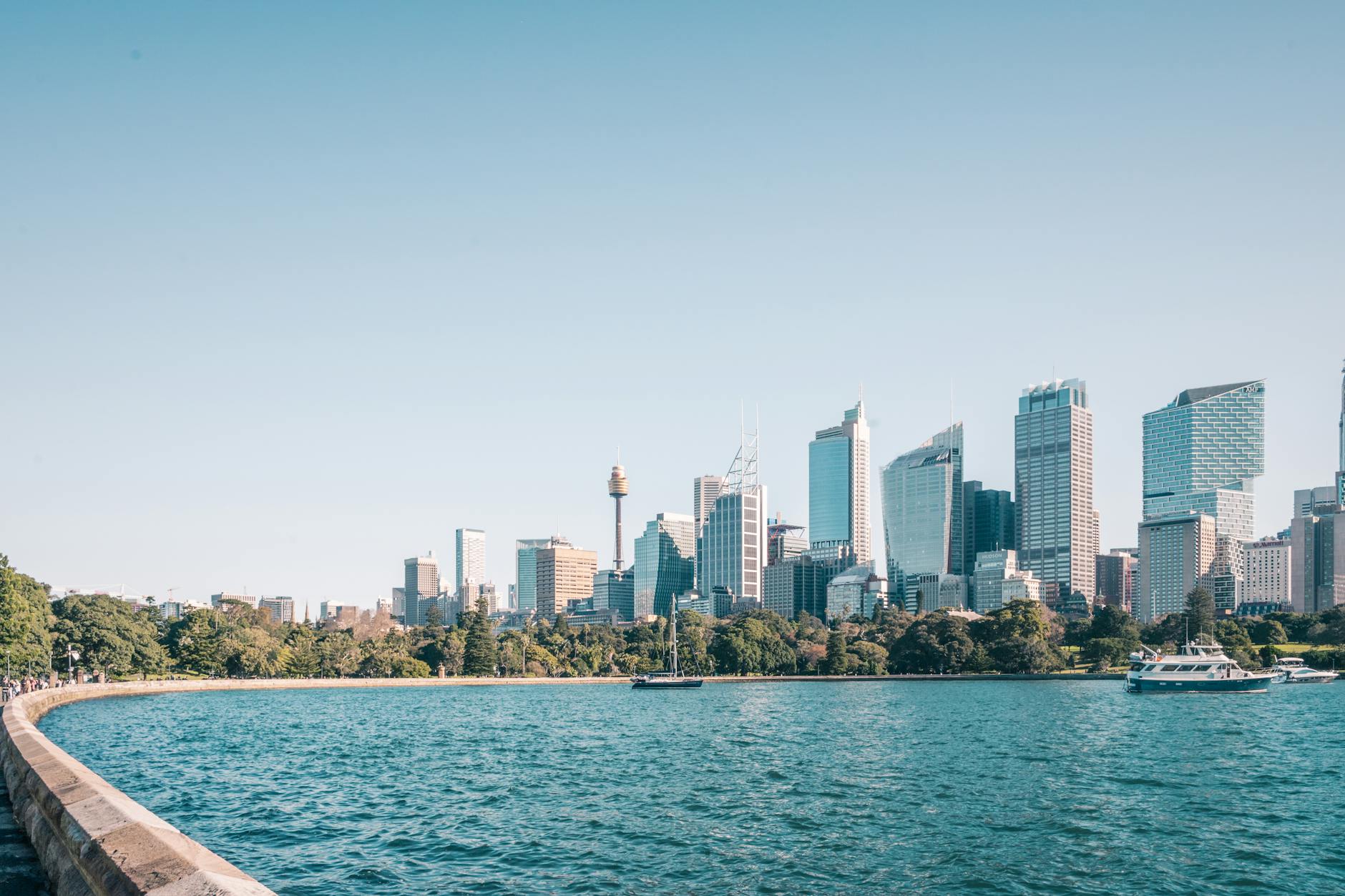
The Royal Botanic Garden Sydney occupies 30 hectares of prime harbourside real estate between the Opera House and the CBD, making it one of the most beautifully situated botanical gardens in the world. Entry is free, and the gardens are open daily from 7am. Wander through themed collections including the Rose Garden, the Herb Garden, the Rainforest Walk, and the extensive succulent garden, all while enjoying constant harbour views.
One of the garden’s most popular spots is Mrs Macquarie’s Chair, a sandstone bench carved into the rock at the tip of a peninsula that offers one of Sydney’s most photographed views: the Opera House and Harbour Bridge framed together in a single panorama. Free guided walks depart daily from the Visitor Centre and cover different themes, from general highlights to Aboriginal plant use. The Aboriginal Heritage Tour, a 90-minute guided experience led by an Aboriginal guide, explores the rich indigenous history of the garden and the traditional uses of the plants that grow here, including tastings of native bush foods.
Sydney’s National Parks
Sydney is uniquely bordered by national parks on three sides, meaning genuine wilderness is never more than an hour away. Sydney Harbour National Park encompasses pockets of bushland, secluded beaches, and historic fortifications scattered around the harbour, including the harbour islands of Clark Island, Shark Island, and the heritage-listed Cockatoo Island, a former convict prison and shipyard that now hosts camping, art installations, and events.
To the south, the Royal National Park (established in 1879 as the world’s second-oldest national park) offers 15,000 hectares of coastal cliffs, rainforest, waterfalls, and secluded beaches. The Coast Track is one of Sydney’s finest multi-day walks, while the Wedding Cake Rock lookout and the Figure Eight Pools draw weekend day-trippers. To the north, Ku-ring-gai Chase National Park protects vast swathes of bushland dotted with Aboriginal rock engravings, and its West Head lookout offers one of the most dramatic panoramas in the Sydney region.
Outdoor Adventures and Active Experiences
Sydney’s climate and geography make it an outdoor enthusiast’s paradise. With over 300 days of sunshine a year and the harbour, coastline, and bushland all within easy reach, there is no shortage of ways to get active.
Surfing
Surfing is practically a religion in Sydney, and the city’s beaches cater to every skill level. Bondi, Manly, Maroubra, and Cronulla all have surf schools offering lessons for beginners, with most two-hour group lessons priced between $80 and $120 AUD. Experienced surfers should head to the northern beaches, where spots like Dee Why, Curl Curl, and Freshwater offer more consistent waves and fewer crowds than the famous beaches closer to the city.
Kayaking and Stand-Up Paddleboarding
Seeing Sydney Harbour from the water puts the city in an entirely different perspective. Guided kayak tours depart from various harbour locations and take you past the Opera House, under the Harbour Bridge, and to secluded harbour beaches inaccessible by land. Sunrise kayak tours are particularly magical, with the city waking up around you as you paddle through calm morning waters. For a solo adventure, stand-up paddleboards can be rented at Manly, Rose Bay, and several other harbour and beach locations.
Hiking and Bushwalking
Beyond the famous coastal walks, Sydney offers outstanding bushwalking opportunities. The Spit Bridge to Manly walk is a 10-kilometre trail that passes through Sydney Harbour National Park, with harbour views, Aboriginal shell middens, and secluded beaches along the way. In the Royal National Park, the Coast Track covers 26 kilometres of dramatic coastline over two days, while shorter options like the Bundeena to Marley Beach walk offer a taste of the park’s beauty in a half-day outing.
Snorkelling and Diving
Sydney’s waters teem with marine life, and you do not need to travel to the Great Barrier Reef for excellent underwater experiences. Shelly Beach in Manly is the top snorkelling destination, with its protected cove home to blue groper, cuttlefish, and sea dragons. Gordon’s Bay between Coogee and Clovelly features an underwater nature trail with markers explaining the marine ecosystem. For certified divers, the Sydney region offers wreck dives, shore dives with grey nurse sharks at Magic Point, and weedy sea dragon encounters at various sites along the coast.
Aboriginal Culture and Indigenous Experiences
Sydney sits on the traditional lands of the Gadigal people of the Eora Nation, whose connection to this country stretches back over 60,000 years. Engaging with Aboriginal culture is one of the most meaningful things you can do during your visit, and Sydney offers a growing number of immersive, Indigenous-led experiences that provide genuine insight into the world’s oldest living culture.
The Aboriginal Heritage Tour at the Royal Botanic Garden is one of the most accessible options, a 90-minute walk that explores how the Gadigal people used the plants of the harbour area for food, medicine, tools, and ceremony. You will taste native bush foods like lemon myrtle, wattle seed, and Davidson plum while learning about the deep cultural significance of the landscape. For a more active experience, Kadoo Tours offer two-hour immersive walks beginning with a traditional ochre ceremony, during which guides share Dreaming stories and explain the traditional uses of local plants and animals.
The Art Gallery of New South Wales houses the Yiribana Gallery, one of the world’s most important collections of Aboriginal and Torres Strait Islander art. The Australian Museum offers the Waranara Tour, a 45-minute guided experience exploring cultural objects that reflect tens of thousands of years of knowledge and sustainable practice. And for performing arts, Bangarra Dance Theatre is one of Australia’s most celebrated dance companies, blending contemporary movement with ancestral stories and original music in productions that are both visually stunning and emotionally powerful.
Food, Dining, and Culinary Experiences
Sydney is one of the great food cities of the Asia-Pacific region, and eating your way through it is one of the best things you can do here. The city’s culinary scene is shaped by its multicultural population, its proximity to outstanding produce regions, and a café culture that rivals Melbourne’s.
Sydney Fish Market
The Sydney Fish Market is one of the largest fish markets in the Southern Hemisphere and a must-visit for seafood lovers. Located in Pyrmont, just a short walk from Darling Harbour, the market is home to multiple fishmongers, sushi bars, oyster shuckers, and seated restaurants. Arrive early in the morning for the freshest selection, grab a plate of Sydney rock oysters or sashimi-grade tuna, and eat it on the outdoor deck overlooking the working harbour. The market is undergoing a major redevelopment, with the spectacular new Sydney Fish Market at Blackwattle Bay set to open in 2026, featuring expanded facilities and a stunning waterfront design.
Neighbourhood Dining Precincts
Each of Sydney’s neighbourhoods has its own culinary personality. Surry Hills is the city’s dining epicentre, with restaurants spanning every cuisine from modern Australian to Thai street food, with standout options along Crown Street and Bourke Street. Chinatown in Haymarket delivers authentic Cantonese, Sichuan, and Southeast Asian cooking, with some of the best dumplings you will find anywhere. Newtown’s King Street is a treasure trove of affordable international cuisine, particularly Thai and Vietnamese. Barangaroo’s waterfront dining precinct caters to the higher end, with several acclaimed restaurants offering harbour views.
Sydney’s Café Culture
Sydneysiders take their coffee seriously, and the city’s café scene is one of its greatest pleasures. From Bondi’s beachside espresso bars to Surry Hills’ specialty roasters to the Instagram-worthy brunch spots of Barangaroo, you are never far from an excellent flat white. Sydney’s brunch culture is legendary, with smashed avocado, acai bowls, and ricotta hotcakes among the staples. The Grounds of Alexandria, a sprawling café, restaurant, and garden complex in a converted industrial space, has become a destination in its own right.
Arts, Museums, and Cultural Institutions
Sydney punches well above its weight in the arts and culture department, with world-class museums, galleries, and performance venues spread across the city. Best of all, many of Sydney’s top cultural institutions offer free admission.
The Art Gallery of New South Wales is Sydney’s premier art museum, housing a collection that spans Australian, European, Asian, and contemporary art across its original heritage building and the recently opened Sydney Modern extension. Both the permanent collection and the Modern wing are free to visit. Nearby, the Museum of Contemporary Art at Circular Quay focuses on contemporary Australian and international art, with free admission and a rooftop café offering harbour views.
The Australian Museum in Darlinghurst is the country’s oldest natural history museum, with extensive collections covering Australian natural history, indigenous culture, and geology. The Powerhouse Museum (now at its new Parramatta location) explores science, technology, and design through interactive exhibits that appeal to all ages. The Australian National Maritime Museum at Darling Harbour tells the story of Australia’s relationship with the sea, with outdoor exhibits including a submarine, a destroyer, and a replica tall ship that you can board and explore.
Family-Friendly Activities
Sydney is an outstanding family destination, with attractions that genuinely engage children of all ages without boring the adults. Many of the best family activities are free or low-cost, making it possible to fill a week of family holiday without breaking the bank.
Luna Park, the heritage amusement park at Milsons Point, has been thrilling families since the 1930s. Entry to the park is free (rides are ticketed), and even if you do not go on the rides, the park’s Art Deco architecture and harbour views make it worth a visit. The Darling Quarter playground in Darling Harbour is free and features a 21-metre flying fox, water play areas, and structures designed for children of different ages. Centennial Park, a vast green space in the eastern suburbs, offers bike hire, horse riding, and a café-lined grand drive that is perfect for family picnics.
For rainy days, the Australian Museum’s hands-on exhibits and the Powerhouse Museum’s interactive science displays keep children entertained for hours. The Sydney Olympic Park Aquatic Centre offers swimming and water slides, while Treetop Adventure Park in Taronga Zoo provides aerial challenges through the forest canopy. Many of Sydney’s beaches have calm, protected ocean pools that are ideal for younger swimmers, with Bronte, Clovelly, and Coogee being particularly family-friendly options.
Best Day Trips from Sydney
Blue Mountains
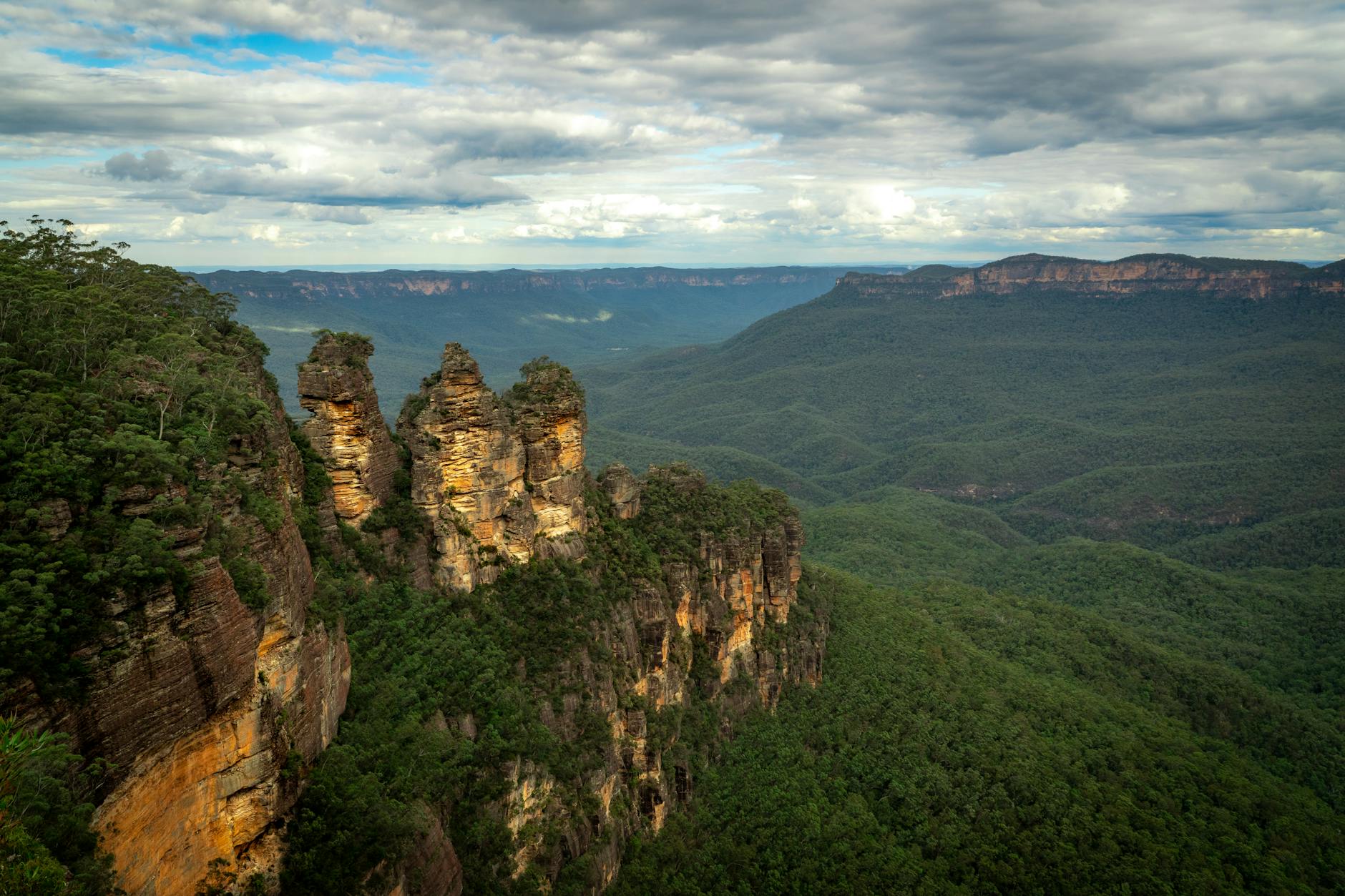
The Blue Mountains are a UNESCO World Heritage-listed wilderness area just 90 minutes west of Sydney by car or train, making them the most popular day trip from the city. The region takes its name from the blue haze created by oil droplets released by the vast eucalyptus forests that blanket the sandstone plateaus and deep valleys.
The Three Sisters rock formation at Echo Point in Katoomba is the signature attraction, but the real magic of the Blue Mountains lies in its walking trails. The Grand Canyon Walk is a spectacular three-to-four-hour loop through ancient rainforest at the bottom of a narrow sandstone gorge. The National Pass walk offers thrilling cliff-edge paths with views over the Jamison Valley. For families or those short on time, Scenic World in Katoomba offers four rides: the Scenic Railway (the world’s steepest incline railway), the Scenic Skyway (a glass-floored cable car crossing the valley), the Scenic Cableway, and the Scenic Walkway through ancient rainforest.
The charming mountain town of Leura, just a few minutes from Katoomba, is worth a stop for its boutique shops, gardens, and excellent cafes. For a deeper experience, spend a night or two and explore further afield to Jenolan Caves, the world’s oldest known open caves, located about an hour’s drive from Katoomba.
Hunter Valley Wine Country
The Hunter Valley, approximately two hours north of Sydney, is Australia’s oldest wine-producing region and home to more than 150 wineries. The region is renowned for its Semillon and Shiraz, and a day spent cellar-door hopping through the rolling green hills is one of the most enjoyable excursions from Sydney. Many wineries offer not just tastings but full dining experiences, with farm-to-table restaurants showcasing local produce alongside the wines.
Beyond wine, the Hunter Valley offers hot air balloon rides over the vineyards at sunrise, artisan cheese and chocolate tastings, day spas, and cooking classes. If you are driving, designate a driver or book a guided tour that includes transport. Several operators run day tours from Sydney that visit four to five wineries with lunch included.
Other Notable Day Trips
The Royal National Park to the south offers coastal walks, secluded beaches, and rainforest trails within an hour of the city. Port Stephens, about 2.5 hours north, is famous for dolphin watching cruises, sand dune adventures on the enormous Stockton Sand Dunes, and stunning bay beaches. Jervis Bay, around three hours south, boasts some of the whitest sand beaches in the world and excellent whale-watching opportunities. Palm Beach, the northernmost of Sydney’s ocean beaches and the filming location for the long-running television series Home and Away, makes for a relaxed half-day trip.
Shopping and Markets
Sydney offers diverse shopping experiences, from world-class retail in the CBD to eclectic markets in the inner suburbs. The Queen Victoria Building on George Street is Sydney’s most architecturally impressive shopping destination, a Romanesque Revival masterpiece from 1898 housing over 140 boutiques across five levels. Guided tours of the building reveal its fascinating history and beautiful stained glass windows.
For markets, The Rocks Markets (weekends) offer artisan goods and gourmet food against a historic harbour backdrop. Paddington Markets (Saturdays) are the place for emerging fashion designers, handmade jewellery, and one-of-a-kind accessories. Glebe Markets (Saturdays) lean towards vintage clothing, records, and alternative goods, reflecting the suburb’s bohemian character. Paddy’s Markets in Chinatown is a sprawling bazaar with over 1,000 stalls selling everything from fresh produce to souvenirs and clothing at bargain prices.
Free Things to Do in Sydney
One of Sydney’s greatest strengths is the sheer number of world-class experiences available for free. The Royal Botanic Garden, the Art Gallery of New South Wales (including the Sydney Modern wing), the Museum of Contemporary Art, and the Australian Museum’s permanent collection all offer free entry. Walking across the Harbour Bridge, exploring The Rocks on foot, and swimming at any of Sydney’s 100-plus beaches cost nothing.
The Bondi to Coogee and Spit to Manly coastal walks are among the best free walking trails of any major city in the world. Free guided walking tours operate from Circular Quay most days (tip-based). The harbour foreshore from the Opera House through the Botanic Garden to Mrs Macquarie’s Chair offers one of the most scenic free walks on the planet. In Barangaroo Reserve, free Aboriginal cultural tours operate on select dates, and the harbourside park itself is a beautifully landscaped public space open to all.
Nightlife and Entertainment
When the sun goes down, Sydney transforms into a vibrant nightlife destination with options ranging from sophisticated harbour-view cocktail bars to gritty live music venues and thumping dance clubs. Opera Bar beneath the Opera House is the quintessential Sydney sunset drink spot, where you can sip a cocktail while watching the sky turn golden behind the Harbour Bridge. For craft beer enthusiasts, the inner-west suburbs of Marrickville and Newtown are home to a thriving independent brewery scene.
Live music thrives in Sydney, with Oxford Art Factory in Darlinghurst hosting indie and alternative acts, The Enmore Theatre in Newtown staging larger concerts in a beautiful heritage venue, and the Sydney Opera House presenting everything from classical recitals to contemporary artists. For comedy, look for shows at the Factory Theatre or catch one of the regular comedy nights at various inner-city pubs. The Star Sydney in Pyrmont combines casino gaming with restaurants, bars, and entertainment venues for a complete night out.
Seasonal Events and Festivals
Sydney’s calendar is packed with events that can shape the timing and character of your visit. Vivid Sydney (May-June) transforms the city into a spectacular canvas of light, with immersive projections on the Opera House, Harbour Bridge, and buildings throughout the CBD, alongside a program of music, talks, and dining experiences. Sydney New Year’s Eve is one of the most watched celebrations in the world, with midnight fireworks over the harbour drawing over a million spectators to foreshore vantage points.
The Sydney Gay and Lesbian Mardi Gras (February-March) is one of the world’s largest pride celebrations, culminating in the spectacular Oxford Street parade. The Sydney Festival (January) delivers two weeks of free and ticketed theatre, music, dance, and visual art across the city. The Sydney Royal Easter Show is a beloved annual tradition celebrating Australian agriculture, food, and entertainment at Sydney Olympic Park. And Sculpture by the Sea (October-November) turns the Bondi to Tamarama coastal walk into one of the world’s largest free outdoor sculpture exhibitions.
Practical Tips for Getting the Most Out of Sydney
Getting Around
Sydney’s public transport network of trains, buses, ferries, and light rail is extensive and efficient. The Opal card system manages all public transit, but most visitors can simply tap their contactless credit card, debit card, or phone (Apple Pay, Google Pay) on all services. The daily cap of $16.10 AUD means your travel costs are limited regardless of how many trips you make, and the Sunday cap of just $2.80 makes weekend exploration incredibly affordable. Ferries are the most scenic form of transport and double as sightseeing cruises, particularly the routes to Manly, Watsons Bay, and Parramatta.
Best Time to Visit
Sydney is a year-round destination, but the shoulder seasons of spring (September-November) and autumn (March-May) offer the best combination of comfortable weather, manageable crowds, and reasonable prices. Summer (December-February) brings the best beach weather but also peak crowds and prices, particularly around the Christmas and New Year period. Winter (June-August) is mild by global standards, with daytime temperatures averaging 8-17 degrees Celsius, fewer tourists, and lower accommodation prices. The Vivid Sydney festival makes winter a particularly appealing time to visit.
Budget Tips
Sydney has a well-deserved reputation as an expensive city, but smart planning can significantly reduce your costs. Take advantage of the numerous free attractions: beaches, botanic gardens, art galleries, museums, and coastal walks cost nothing. Eat at the excellent food courts in the CBD and Chinatown for meals under $15 AUD. Use public transport rather than taxis or ride-share services, and take advantage of the Opal daily and weekly fare caps. Book accommodation in suburbs like Newtown, Surry Hills, or Manly rather than the CBD for better value. Visit during the winter months (June-August) for the lowest accommodation prices, with savings of 25-30 percent compared to peak season.
Frequently Asked Questions About Things to Do in Sydney
How many days do you need in Sydney?
Most visitors find that three to five days is enough to cover the essential Sydney experiences, including the major landmarks, a beach day, and one or two neighbourhood explorations. A full week allows you to add a day trip to the Blue Mountains or Hunter Valley, explore more beaches, and spend time in the cultural institutions without feeling rushed. If you are visiting during a major event like Vivid Sydney or New Year’s Eve, add an extra day to account for event-related activities.
What is the number one attraction in Sydney?
The Sydney Opera House consistently ranks as the city’s top attraction and is the most visited site in Australia. However, many visitors find that the overall harbour experience, combining the Opera House, Harbour Bridge, Circular Quay, and the harbour ferry network, is what makes Sydney truly unforgettable rather than any single attraction.
Is Sydney expensive to visit?
Sydney is one of the more expensive cities in the Asia-Pacific region, with average daily costs of around $220-320 AUD per person for a mid-range visitor including accommodation, food, transport, and activities. However, many of Sydney’s best experiences are free, and budget-conscious travellers can explore the city comfortably on $100-150 AUD per day with hostel accommodation, self-catering, and free activities.
What should I not miss in Sydney?
The non-negotiable Sydney experiences are walking across or climbing the Harbour Bridge, visiting the Opera House (take a tour or see a show), spending time at one of the ocean beaches (Bondi or Manly), walking at least part of the Bondi to Coogee coastal trail, exploring The Rocks, and catching a harbour ferry. If time allows, add a day trip to the Blue Mountains and an evening at one of the harbour-view bars.
Is Sydney safe for tourists?
Sydney is considered one of the safest major cities in the world for tourists. Violent crime is rare, and the main risks for visitors are the same as any major city: petty theft in crowded tourist areas and sunburn from the strong Australian UV radiation. Always swim between the red and yellow flags at patrolled beaches, apply SPF 50+ sunscreen liberally, and take standard precautions with your belongings in crowded areas.
What are the best free things to do in Sydney?
Sydney offers an exceptional range of free experiences. Walk the Bondi to Coogee coastal trail, explore the Royal Botanic Garden, visit the Art Gallery of NSW and Museum of Contemporary Art (both free), swim at any of the city’s beaches, walk across the Harbour Bridge, wander through The Rocks, and take in the harbour views from Mrs Macquarie’s Chair. Free guided walking tours operate from Circular Quay most days, and many cultural events, particularly during the Sydney Festival, offer free programming.